Antioch Citadel
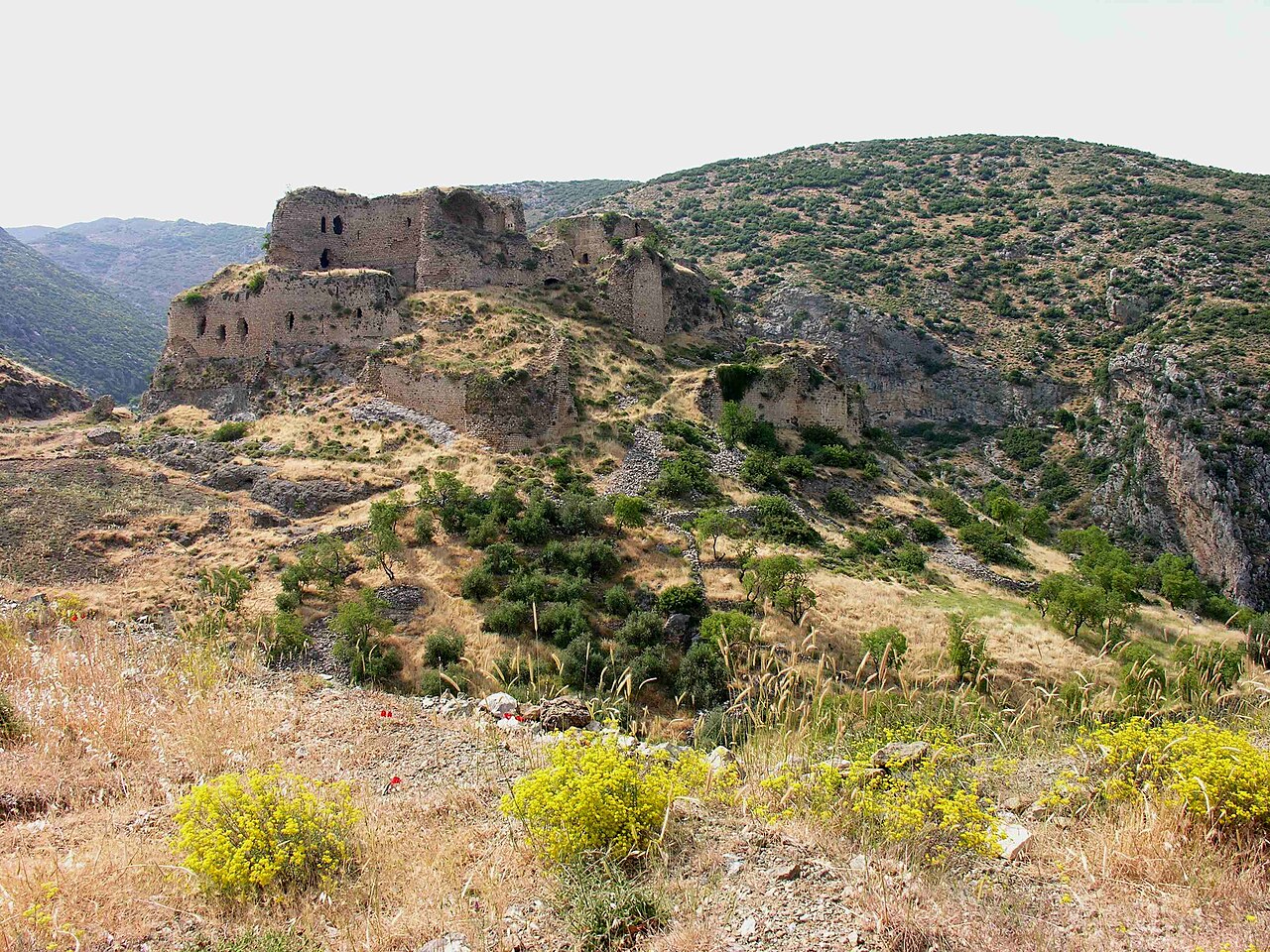
Antioch Citadel, locally known as Antakya Kalesi, is a historic fortress perched on Mount Silpius above the city of Antakya in the Hatay province of Turkey. The citadel's strategic location provided commanding views over the surrounding plains and the city below, making it a key defensive stronghold throughout antiquity and the medieval period.
The original fortifications at this site date back to the 4th century BC, likely constructed by Seleucus I Nicator, the Macedonian general and founder of Antioch. This early fortress established the foundation for what would become a significant military and administrative center in the region. Although the earliest walls have long vanished, the site’s continuous military importance is evident in the successive reconstructions it underwent.
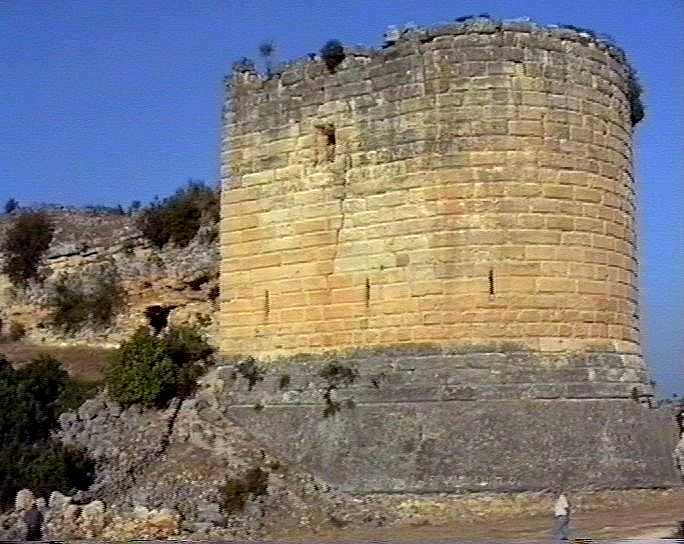
The current ruins that visitors see today primarily reflect the extensive rebuilding carried out during the 10th century AD under the Byzantine Emperor Nikephoros II Phokas. This reconstruction reinforced the citadel as an integral part of the city's defensive system, incorporating robust stone walls, battlements, and fortified towers adapted to the mountainous terrain of Mount Silpius.
Architectural features and military significance
The Antioch Citadel was designed as a hill castle, utilizing the natural elevation of Mount Silpius to maximize defensive advantage. Its walls were thick and high, constructed to withstand sieges and artillery attacks common in the medieval period. The citadel included multiple defensive layers, such as curtain walls and gatehouses, which controlled access to the fortress and the city beyond.
Within the citadel, various chambers and halls would have served administrative and military functions, though much of these internal structures have not survived the centuries. The fortress's location allowed it to serve as a refuge during attacks on the city and as a base for controlling the surrounding region.
Historical context and key events
Antioch was a vital city in the ancient and medieval world due to its position on trade routes and its political importance in the Hellenistic, Roman, Byzantine, and Crusader periods. The citadel’s history is closely tied to the city's turbulent past.
Following its founding in the 4th century BC, Antioch came under Roman and then Byzantine control. In the 10th century, the Byzantine Empire reinforced the citadel to secure its eastern frontier against Muslim forces.
In the late 11th century, the region experienced significant upheaval. In 1078, Armenian forces took control of Antioch, only for the city to fall to the Seljuk Turks in 1084. The citadel then became a focal point during the First Crusade. In 1097, Crusader armies led by notable figures such as Godfrey of Bouillon, Bohemund of Taranto, and Raymond IV of Toulouse laid siege to Antioch. The siege lasted seven months, culminating in the city's capture on June 3, 1098.
Despite the city’s fall, the citadel remained in the hands of the Seljuk governor's son, Shams ad-Daulah. Shortly after, the Crusaders themselves were besieged by a Muslim relief army under Kerbogha, the Atabeg of Mosul. The Crusaders emerged victorious on June 28, 1098, after which the citadel surrendered and became part of the newly established Principality of Antioch, one of the Crusader states.
The principality lasted nearly two centuries until 1268 when the city and citadel were captured by Baibars, the Mamluk Sultan of Egypt. Baibars ordered the destruction of the city's defenses, significantly damaging the citadel.
Earthquakes and preservation status
The region around Antioch is seismically active, and the citadel has suffered repeated damage from earthquakes over the centuries. These natural disasters, combined with warfare and deliberate dismantling, have left the fortress largely in ruins today.
Despite its ruined state, the Antioch Citadel remains an important archaeological site, illustrating the layered history of military architecture from the Hellenistic through the medieval periods. Visitors can access the site freely, following a forest path from a nearby viewpoint on Mount Silpius. While the remaining walls and structures are fragmentary, the panoramic views over the Hatay plain and the city of Antakya are striking.
Visiting the citadel and surrounding attractions
The citadel is accessible by a road leading to a lookout point, from which visitors can enjoy a roughly 20-minute walk through scenic forested terrain to reach the fortress ruins. The site offers a unique opportunity to explore a historically significant defensive position with connections to major historical events such as the Crusades and Byzantine military campaigns.
Nearby, the city of Antakya provides additional cultural and historical attractions, including ancient churches, museums, and traditional markets, enriching the visitor experience.
Frequently asked questions (FAQ)
- How do I get to Antioch Citadel?
- Antioch Citadel is located in Antakya, Turkey, and can be easily accessed by public transportation or taxi from the city center. If driving, there are nearby parking options available. Be sure to follow local signs for the citadel as you approach.
- What is the historical significance of Antioch Citadel?
- Antioch Citadel, dating back to the Hellenistic period, has played a crucial role in the region's history, serving as a strategic military fortress. It has witnessed several civilizations, including the Romans and Byzantines, and is a testament to the architectural advancements of its time. The citadel offers insights into the rich cultural tapestry of Antakya.
- When was Antioch Citadel built?
- Antioch Citadel was originally constructed around the 3rd century BC during the reign of the Seleucid Empire. Over the centuries, it has undergone numerous modifications and expansions, reflecting the architectural styles and military needs of different eras. This makes it a fascinating site for history enthusiasts.
- Can I visit Antioch Citadel year-round?
- Yes, Antioch Citadel is open to visitors throughout the year, but it's essential to check for any special events or maintenance closures before your visit. The citadel provides a unique glimpse into history and is a popular attraction for both locals and tourists alike.
- Why is the architecture of Antioch Citadel unique?
- The architecture of Antioch Citadel is notable for its blend of Hellenistic, Roman, and Byzantine influences, showcasing the evolution of military construction over centuries. Its strategic position on a hill offers breathtaking views of the surrounding landscape, enhancing its historical and aesthetic appeal. The intricate stonework and fortifications highlight the engineering prowess of ancient builders.
- Is it possible to explore the surrounding areas of Antioch Citadel?
- Absolutely! The area around Antioch Citadel is rich in history and culture. Nearby attractions include the ancient city of Antioch, the Church of St. Peter, and various archaeological sites that reflect the region's diverse heritage.
- What are the ticket prices for visiting Antioch Citadel?
- Tickets for Antioch Citadel are reasonably priced, making it accessible for most visitors. Discounts may be available for students and seniors, so it's a good idea to inquire at the ticket counter. Check local listings for any special promotions or guided tour options.
- What are the opening hours for Antioch Citadel?
- Antioch Citadel typically opens at 9 AM and closes around 6 PM, though hours may vary seasonally. It's advisable to arrive early in the day to fully enjoy the site and avoid crowds. Always verify the current hours before your visit to ensure a smooth experience.
- When is the best time to visit Antioch Citadel?
- The best time to visit Antioch Citadel is during the spring (March to May) and fall (September to November) when the weather is mild and pleasant. Summer can be quite hot, making exploration less comfortable. Visiting in the early morning or late afternoon also offers more favorable temperatures and stunning views.
Information
Address
Near Izmir Cadessi, Antakya, Hatay, Turkey
Loading map...
Visitor reviews
No reviews yet. Been here? Write the first review and help other travelers!
Write the first reviewVisited this castle? Share your experience
Your review helps other travelers and adds first-hand knowledge to our encyclopedia.