Rashkan Castle
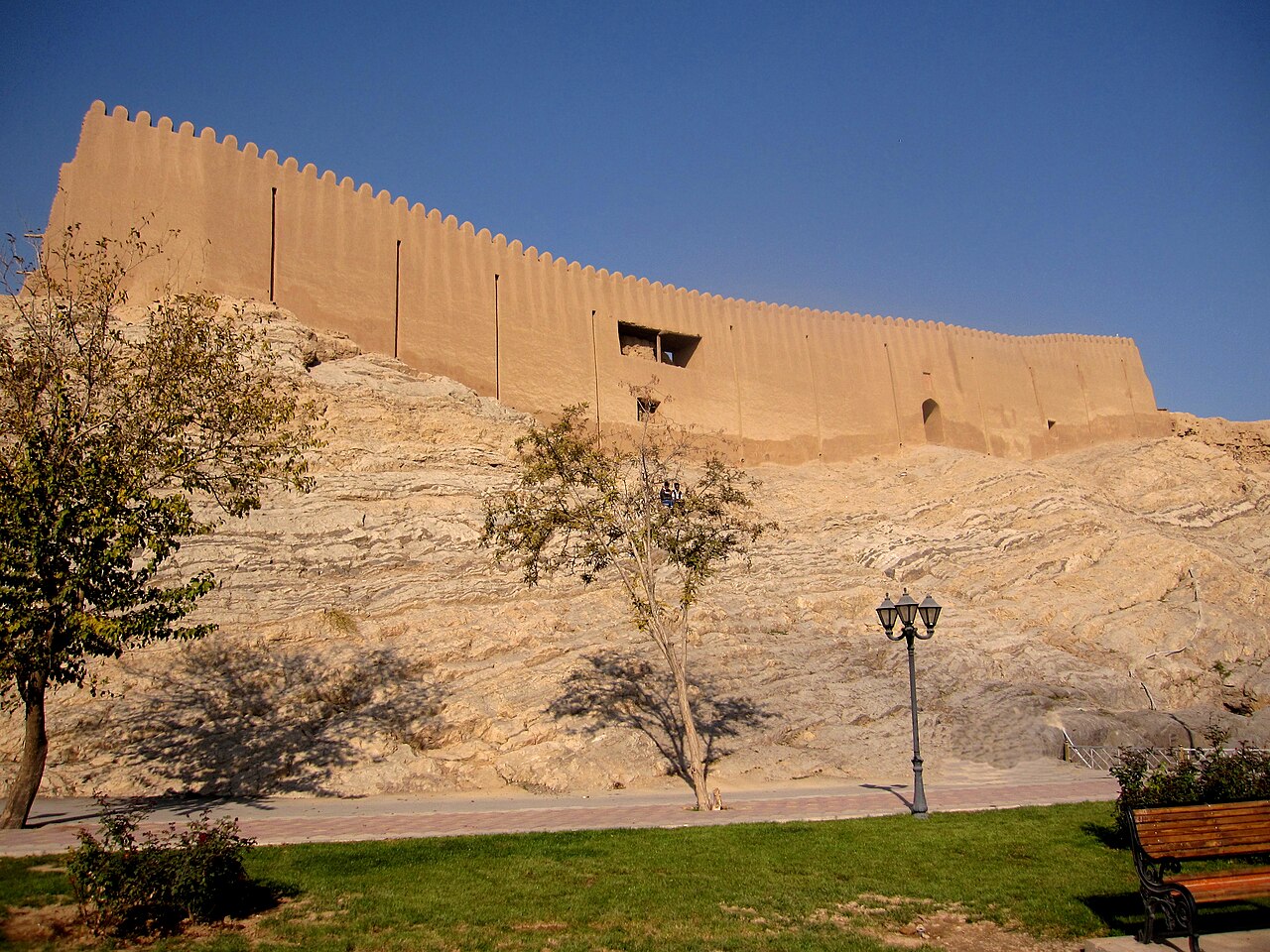
Rashkan Castle is a historic fortress located on Kuh-e Safaije mountain in the Gilan region of northern Iran. This hill castle was originally constructed during the Parthian era (circa 3rd century BCE to 3rd century CE), a period marked by the rise of the Parthian Empire, one of the great ancient Iranian dynasties. The fortress's name honors Arsaces, the founder of the Parthian dynasty, reflecting its strong cultural and historical ties to this influential period in Iranian history.
The site of Rashkan Castle has a deep historical significance, with archaeological evidence indicating human activity in the area dating back to the Late Iron Age (around 1000 BCE). Artifacts linked to cultures near Damghan suggest early settlement and strategic importance long before the fortress's construction. Rashkan's location near the ancient city of Ray (Rey) further underscores its role in regional defense and governance over many centuries.
Architectural features and layout
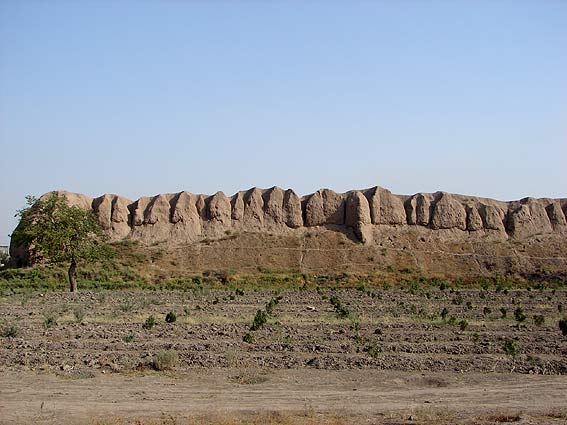
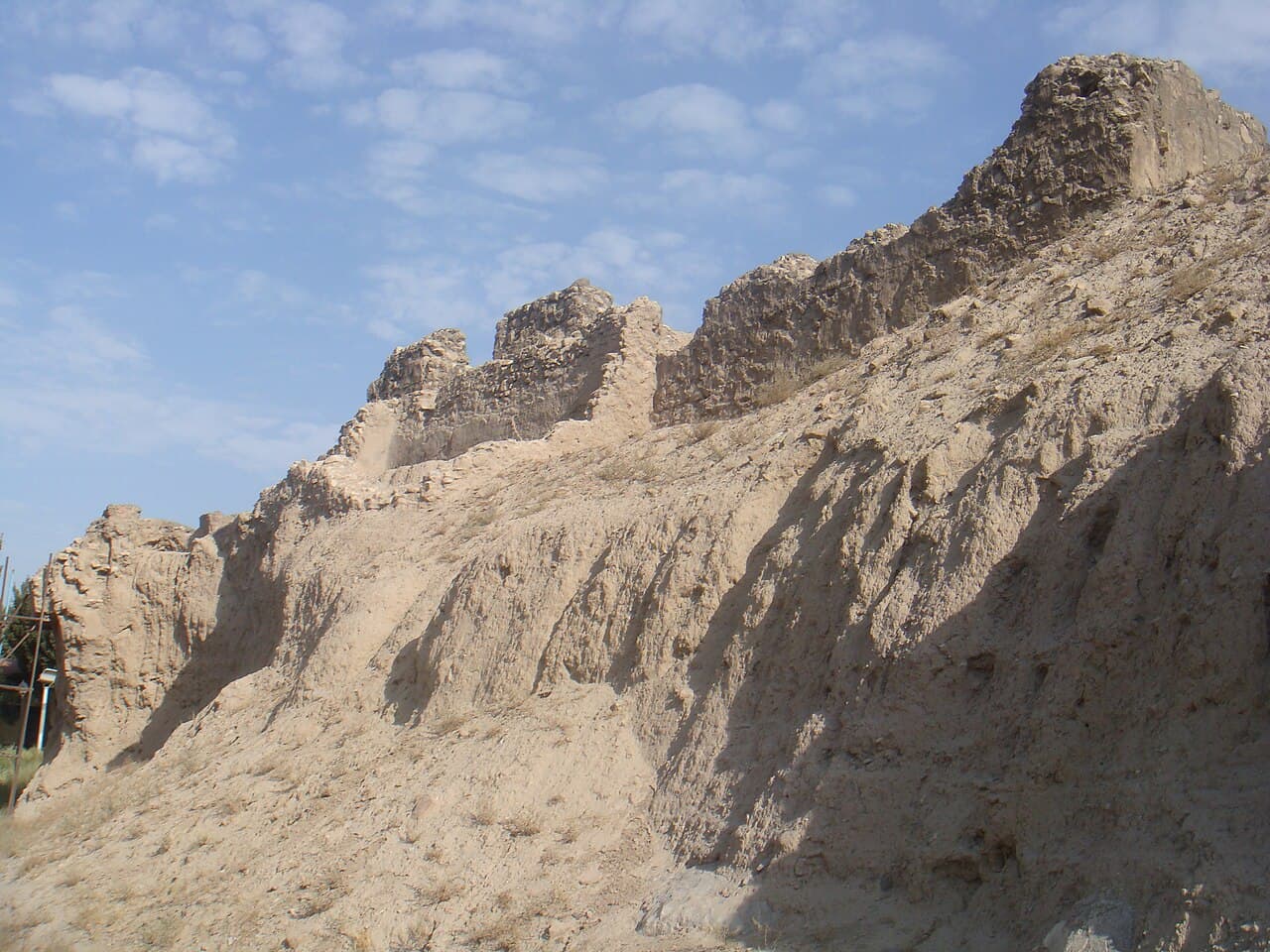
The fortress is strategically perched on the steep slopes and cliffs of Kuh-e Safaije, adopting a roughly triangular plan that follows the natural topography. Its defensive walls are built primarily of stone bound with mortar, designed to maximize strength and resilience. The southern plateau of the castle contains the most significant buildings, protected by three bastions constructed in various historical phases, illustrating the site's continuous adaptation and fortification.
A prominent watchtower crowns the summit of the mountain, accessible by two intact staircases, which served as an observation post to monitor the surrounding landscape. The western walls are notable for their use of large standardized bricks approximately 45 by 45 by 15 centimeters in size, a characteristic shared with other ancient Iranian structures such as the Gorgan Wall. This combination of stone and brickwork highlights the architectural evolution and varied construction techniques employed over time.
Historical context and cultural significance
Parthian origins and sasanian period
Rashkan Castle was initially established by the Parthians, who controlled vast territories across Iran and beyond. While the fortress's primary construction dates to this era, its strategic position near Ray suggests it likely remained a defensive stronghold during the subsequent Sasanian Empire (3rd to 7th centuries CE). Although direct archaeological evidence of Sasanian occupation within Rashkan is limited, nearby sites such as Češme-Ali and Tape-Mil reveal traces of Sasanian presence, implying ongoing regional importance.
Islamic era developments
Following the Islamic conquest of Persia in the 7th century, Rashkan Castle continued to be inhabited and modified, reflecting new cultural and architectural influences. Excavations have uncovered a stone superstructure built atop earlier brick foundations and a western madrasa featuring an iwan, an arched hall typical of Abbasid Caliphate architecture. These additions demonstrate the site's adaptation to Islamic educational and religious functions during the early medieval period.
Artifacts such as polished ceramics from the Buyid dynasty and a coin bearing the image of Shah Rukh Mirza, a Timurid ruler, indicate continued occupation and use of Rashkan through the late medieval period. This layered history reflects the fortress's enduring significance across multiple Iranian dynasties.
Damage, decline, and preservation
The fortress suffered considerable damage during the Mongol invasions of the 13th century, which devastated many parts of Iran. As the nearby city of Ray declined in prominence and Tehran rose as a political center, Rashkan Castle gradually lost its military and administrative roles. Industrial activities in modern times have caused damage to the northern sections of the complex, but many archaeological remains remain visible today.
Numerous artifacts recovered from Rashkan and surrounding sites, including Parthian bronze coins, ceramics, and architectural fragments, are preserved in the National Museum of Iran in Tehran. These finds provide valuable insights into the site's long occupation and cultural transitions.
Archaeological significance and ongoing research
Rashkan Castle offers a unique window into the military architecture and cultural history of northern Iran from the Late Iron Age through the Timurid period. Its well-defined layout, combining natural topography with constructed defenses, illustrates ancient Iranian fortification strategies. The site's stratified remains document architectural evolution from Parthian stonework and brick foundations to Islamic-era educational structures.
Ongoing archaeological studies continue to uncover details about Rashkan's role in regional defense, its relationship to the city of Ray, and its adaptation to changing political and cultural landscapes over more than a millennium. The castle stands as a testament to the layered history of Iranian civilization and the enduring strategic importance of its geographic location.
Frequently asked questions (FAQ)
- When was Rashkan Castle originally built?
- Rashkan Castle was originally constructed during the Parthian era, around the 3rd century BCE, reflecting its ancient origins.
- What architectural features are notable at Rashkan Castle?
- The castle features a triangular layout adapted to the mountain's topography, stone walls with mortar, a summit watchtower, and a madrasa with an iwan from the Abbasid period.
- How did Rashkan Castle evolve through different historical periods?
- Initially built by the Parthians, Rashkan was used and modified through the Sasanian, Islamic, Buyid, and Timurid periods, showing layers of occupation and architectural adaptation.
- Is Rashkan Castle accessible to visitors today?
- While much of Rashkan Castle is partially preserved, damage from industrial activities limits access to some areas, and it is primarily an archaeological site with visible remains.
- What artifacts have been found at Rashkan Castle?
- Artifacts include Parthian bronze coins, Buyid ceramics, and Timurid coins, all preserved in Tehran's National Museum, illustrating the site's long history.
Photo gallery

Information
Loading map...
Visitor reviews
No reviews yet. Been here? Write the first review and help other travelers!
Write the first reviewVisited this castle? Share your experience
Your review helps other travelers and adds first-hand knowledge to our encyclopedia.