Fukuyama Castle
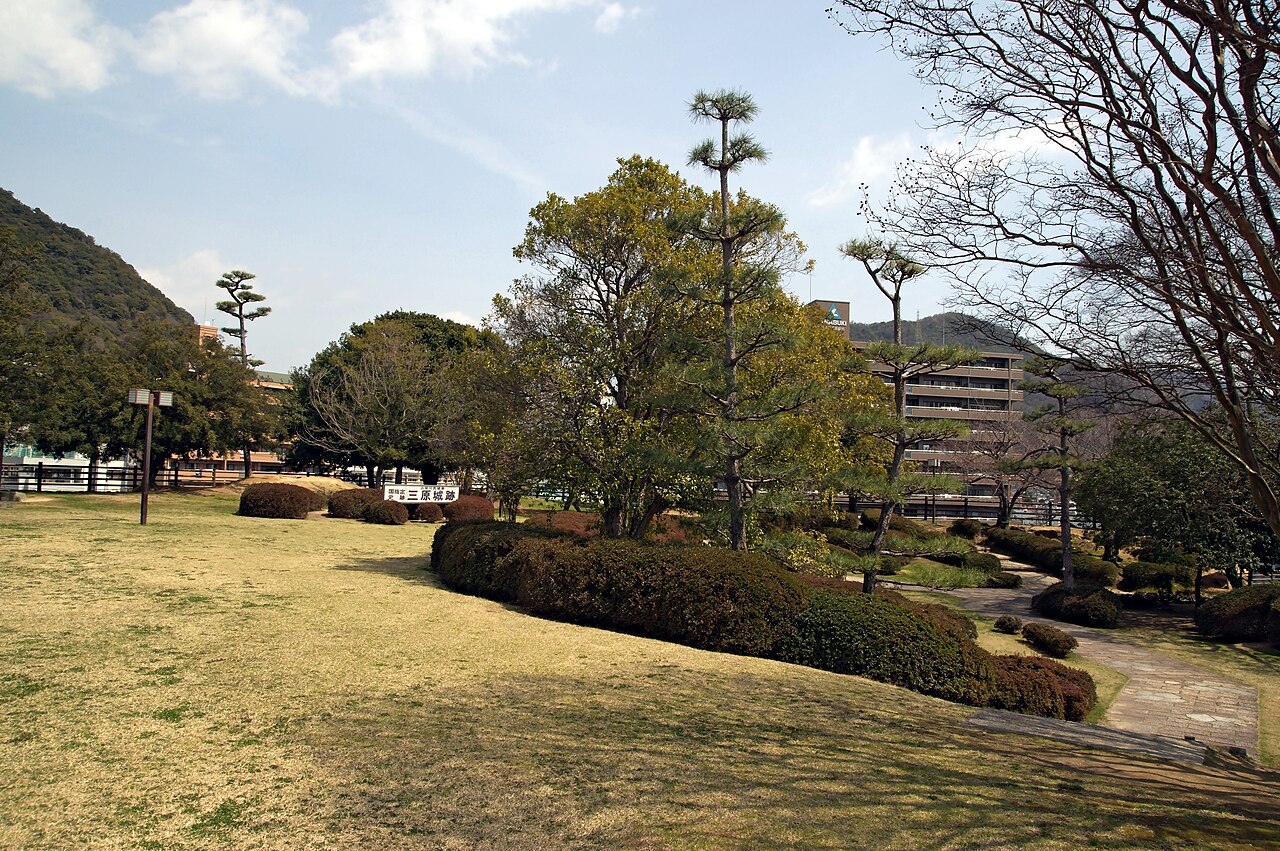
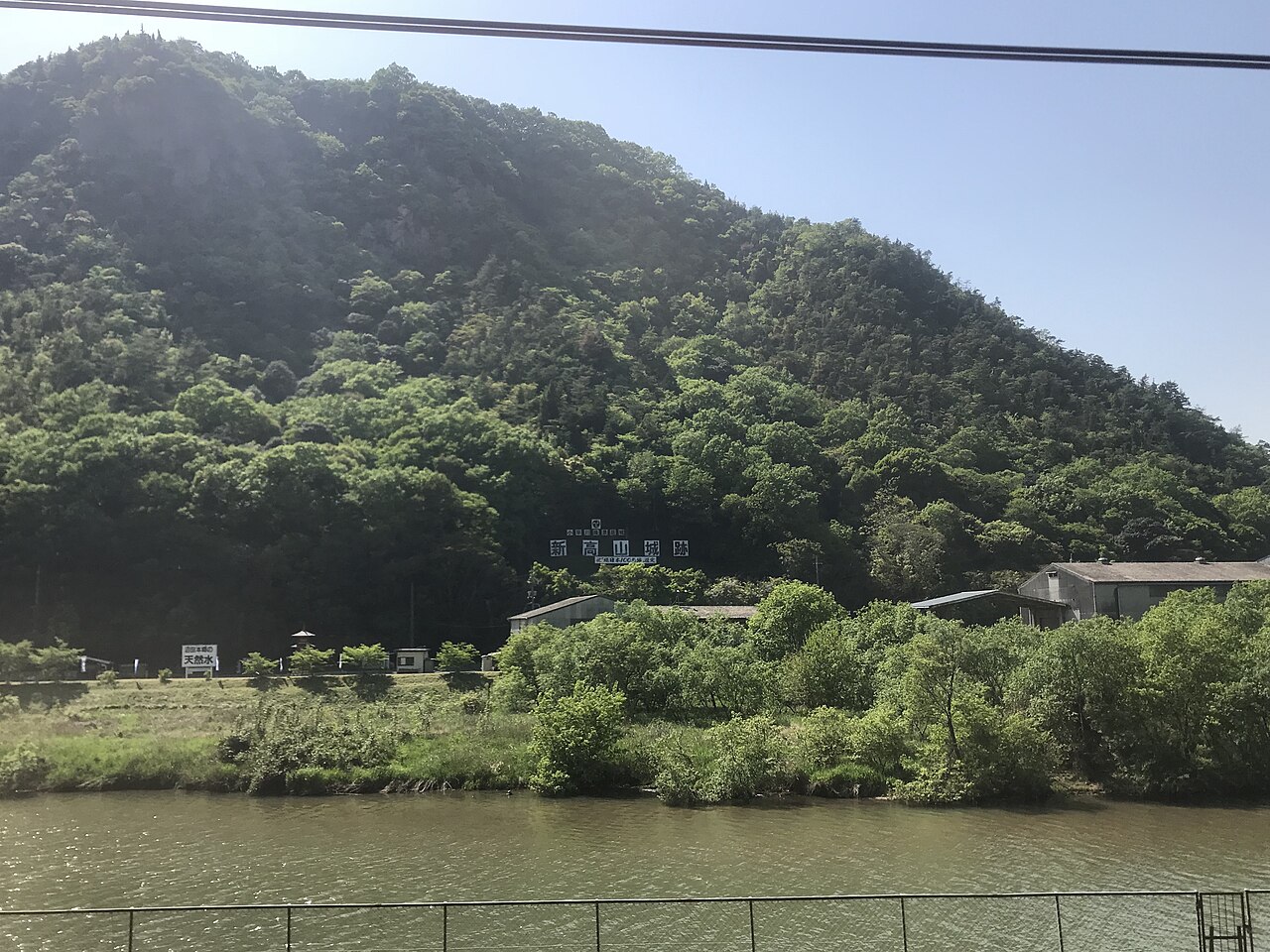
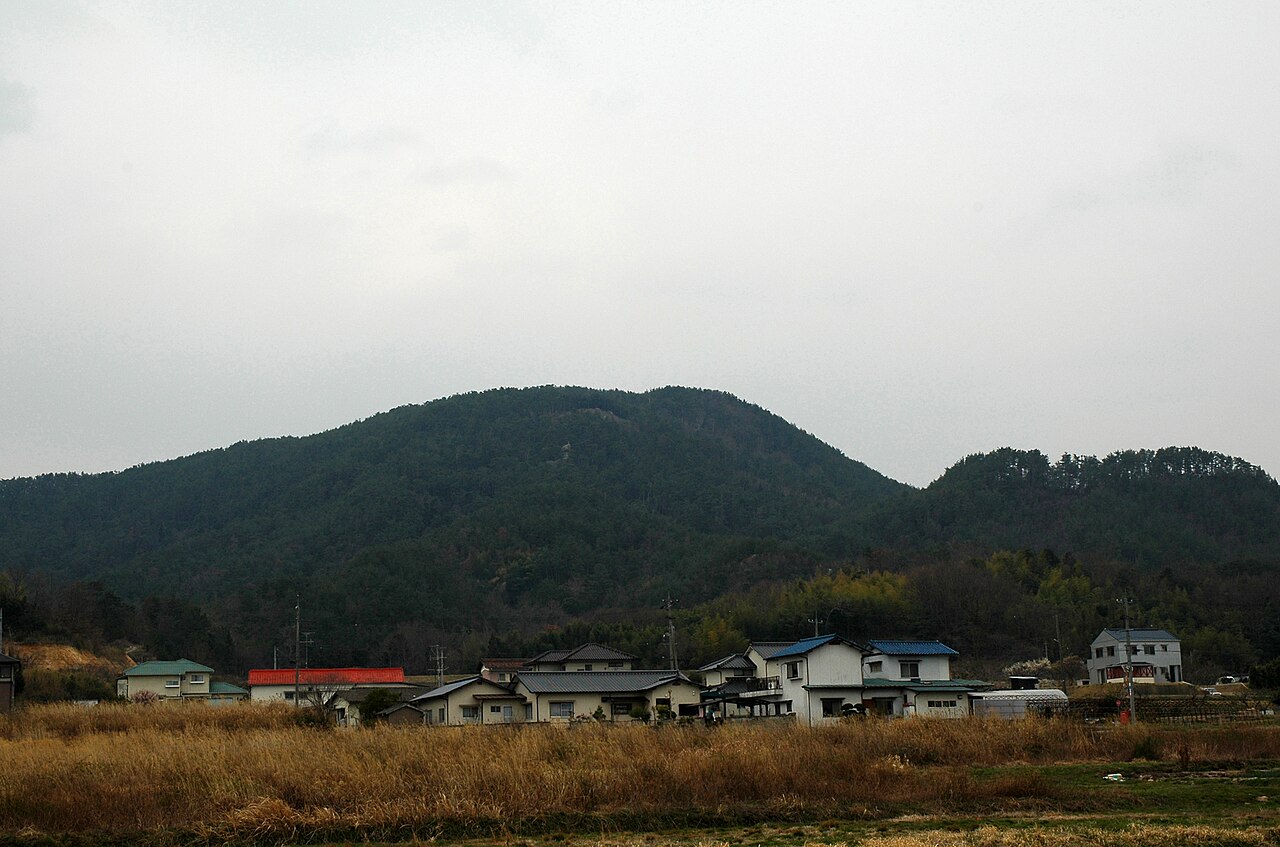
Fukuyama Castle, located in Fukuyama city in Hiroshima Prefecture, is a prominent example of a hill castle from Japan's Edo period. Constructed in 1622 under the direction of Mizuno Katsunari, a cousin of the powerful Tokugawa Ieyasu, this castle played a strategic role in consolidating Tokugawa authority in the Chuugoku region. As a fudai daimyo stronghold, it was positioned carefully between the territories of the tozama daimyo in Hiroshima and Okayama, symbolizing the Tokugawa shogunate's power balance and control.
Historical context and strategic importance
The castle was built rapidly with substantial support from the Tokugawa shogunate, including funding, materials, and architectural elements transferred from Fushimi Castle. Notably, the Fushimi Yagura (turret) and Sujigane Gate were relocated to Fukuyama, both of which still stand today as rare survivors of the original Edo-period structures. The castle complex originally featured an impressive array of 23 yagura and 10 gates, underscoring its military significance and the shogunate's intent to project strength in a region with potentially hostile neighbors.
Architectural features and defensive design
Fukuyama Castle is classified as a hill castle, built on elevated terrain to maximize defensive advantages. Its stone walls and multiple layers of fortifications were designed to withstand sieges and attacks. The northern side of the castle was considered its most vulnerable point due to the absence of a moat. To address this weakness, iron plating was added to the north-facing walls, a distinctive feature that enhanced the castle's defense. This precaution proved prescient during the Choshu forces' attack, when fighting concentrated near what is now the Abe Shrine. The Akamon (Red Gate) still bears a bullet hole from this historic conflict, a tangible reminder of the castle's martial past.
Surviving structures and restoration efforts
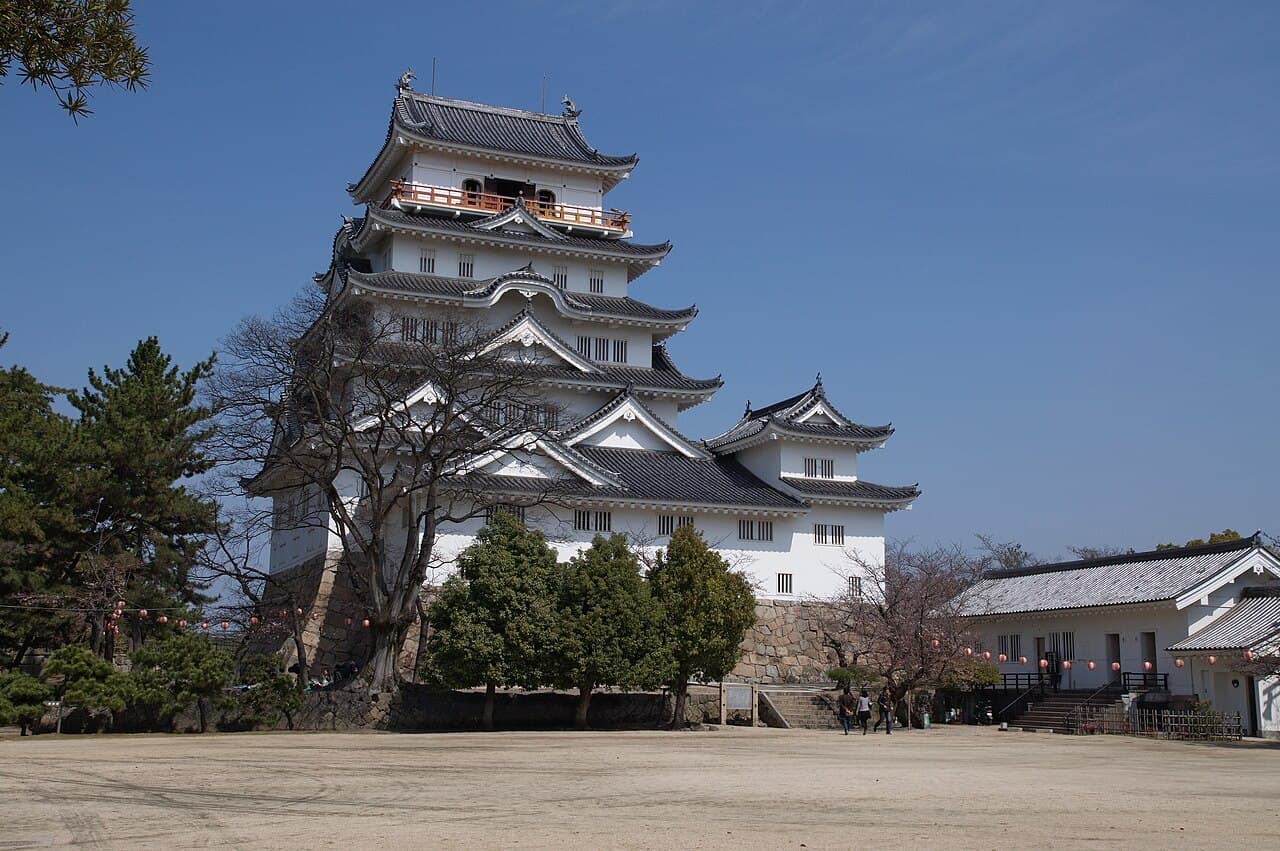
Though many original buildings were lost during the Meiji Restoration and later destroyed in the air raids of 1945, several key structures remain or have been carefully reconstructed. The Fushimi Yagura and Sujigane Gate are notable original survivors, while the main keep has been rebuilt to closely match its historical appearance. Recent restoration efforts have included reapplying iron plating to the north side of the keep and clearing vegetation to improve visibility of the castle's architectural elements.
Visitor experience and cultural significance
Today, Fukuyama Castle is a must-see destination for visitors to western Japan, conveniently located adjacent to the Fukuyama train station. The castle grounds feature a blend of original and reconstructed buildings, including the Bell Tower and the reconstructed Inui Yagura, offering numerous photogenic views especially when framed by the castle's well-preserved stone walls. The castle also houses a museum that provides engaging exhibits on its history, architecture, and the broader context of the Edo period.
Exploring the castle town
Beyond the castle itself, visitors can explore remnants of the surrounding castle town, including stone wall ruins and a gate from a former samurai residence. These sites enrich the historical experience and illustrate the castle's role as a political and social center during the Edo period.
Architectural style and period classification
Fukuyama Castle exemplifies early 17th-century Japanese castle architecture with features typical of the Edo period's military and aesthetic design principles. While the existing metadata lists the period as Renaissance, this is a misclassification; the castle's construction and style align with the early Edo period rather than European Renaissance architecture. Its style is distinctly Japanese, characterized by multi-storied keeps, stone bases, and wooden structures with tiled roofs.
Legacy and preservation
Fukuyama Castle remains a significant cultural asset, reflecting the political dynamics of early Tokugawa rule and the evolution of Japanese castle construction. Its partial restoration and preservation efforts have ensured that visitors and scholars alike can appreciate its historical and architectural value. The castle's proximity to modern transport links makes it an accessible and enriching destination for those interested in Japan's feudal past and architectural heritage.
Frequently asked questions (FAQ)
- How do I get to Fukuyama Castle?
- Fukuyama Castle is conveniently located next to Fukuyama train station, making it easily accessible by public transportation. Visitors can reach the castle by local trains or the Shinkansen bullet train.
- What historical events is Fukuyama Castle known for?
- Fukuyama Castle is notable for its role during the Edo period, especially its defense against attacks by the Choshu forces in the late 19th century. The castle's northern defenses and the bullet hole in the Akamon gate are key historical features.
- Can I visit original structures at Fukuyama Castle?
- Yes, visitors can see original Edo-period structures such as the Fushimi Yagura and Sujigane Gate, which survived both the Meiji Restoration and World War II air raids.
- What can I expect from the museum inside the castle?
- The museum inside Fukuyama Castle offers engaging exhibits on the castle's history, architecture, and the broader context of the Edo period. It is informative for both castle enthusiasts and general visitors.
- Is Fukuyama Castle suitable for photography?
- Absolutely. The castle grounds feature multiple photogenic angles, including views of the main keep, yagura turrets, gates, and stone walls. The nearby Shinkansen platform also provides unique photo opportunities.
Photo gallery

Information
Opening hours
Museum open 9am-5pm; Closed Mondays except holidays (close the following day)
Website
Visit websiteSources & official resources
Verify the information above using these authoritative references.
Loading map...
Visitor reviews
No reviews yet. Been here? Write the first review and help other travelers!
Write the first reviewVisited this castle? Share your experience
Your review helps other travelers and adds first-hand knowledge to our encyclopedia.