Alytus Castle Mound
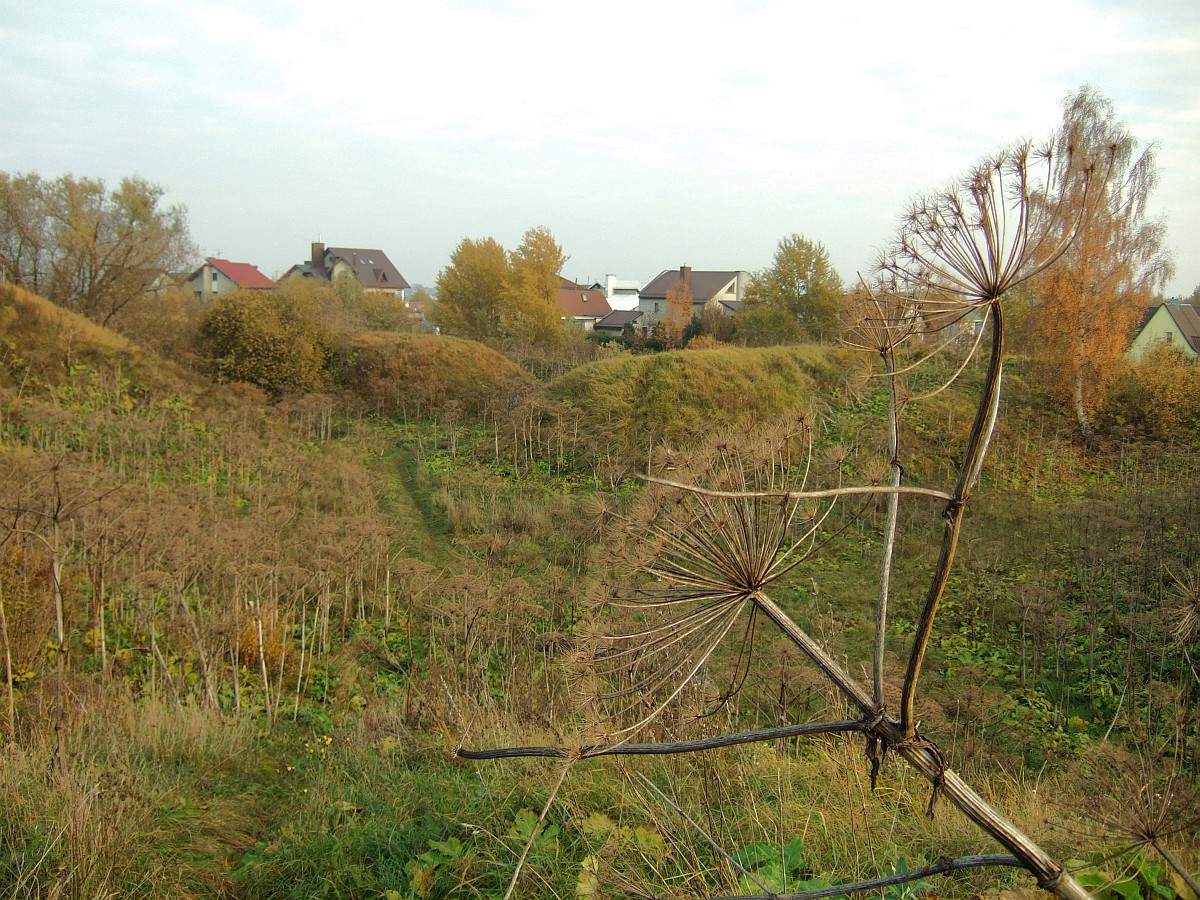
Alytus Castle Mound stands as a significant high medieval hillfort in Alytus, Lithuania, marking the earliest known site of the town's foundation. The mound dates back to the 11th century, representing a strategic defensive position during the formative centuries of Lithuanian statehood. This site is the only preserved remnant of Alytus's origins, offering valuable insights into early Baltic fortifications.
Historical significance and early fortifications
The mound's historical importance is tied to its role as a defensive stronghold controlling key routes in the region. According to historical records, including the Teutonic Order's Description of Lithuanian Roads, the castle on this mound guarded the main roads leading to Trakai and Vilnius, two vital centers in medieval Lithuania. During the 14th century, a wooden castle was constructed atop the mound, serving as a frontier defense against incursions by the Teutonic Order.
This wooden fortress was eventually destroyed by the Teutonic Knights, who were engaged in a series of military campaigns against the Grand Duchy of Lithuania during the Northern Crusades. The mound's role as a military site highlights the turbulent conflicts between the Lithuanian tribes and the crusading orders during the high medieval period.
Architectural features and strategic location
The Alytus Castle Mound is classified as a hill castle, utilizing natural elevation to enhance its defensive capabilities. The mound itself is a natural hill, which was artificially modified to support fortifications. While no substantial stone structures remain today, the site likely featured wooden palisades and earthworks typical of Baltic hillforts of the era.
The strategic placement of the mound allowed defenders to monitor and control the surrounding landscape, including the critical trade and military routes. The elevated position provided extensive views, enabling early warning of approaching enemies. Today, visitors can still enjoy an impressive panorama of Alytus and its surroundings from the summit.
Cultural legacy and modern significance
Beyond its military history, Alytus Castle Mound holds cultural importance as a symbol of local heritage. At the foot of the mound, there is an open-air exhibition titled "Ancestors of Alytus Mound", featuring sculptures that celebrate the region's past and the people who once inhabited this site.
The mound serves not only as a historical monument but also as a place of community identity and education. It attracts visitors interested in Lithuania's medieval history and the legacy of the Baltic tribes who resisted the Teutonic Order's expansion.
Visiting alytus castle mound
The site is accessible to the public and offers a unique opportunity to explore one of Lithuania's earliest defensive structures. While no extensive facilities exist on the mound itself, the surrounding park area and sculpture exhibition provide a pleasant environment for visitors. The mound's location within Alytus makes it an easy addition to cultural and historical tours of the city.
Visitors interested in medieval Lithuanian history and castle architecture will find Alytus Castle Mound an insightful destination that illustrates the region's strategic importance during the high medieval period.
Frequently asked questions (FAQ)
- What is Alytus Castle Mound?
- Alytus Castle Mound is a historical site located in Alytus, Lithuania, known for its remnants of an ancient castle that once served as a strategic military fortification. The site offers visitors a glimpse into Lithuania's medieval past and showcases the architectural styles of that era.
- When was Alytus Castle built?
- Alytus Castle is believed to have been constructed in the 14th century during the period of the Grand Duchy of Lithuania. It played a vital role in defending the region against invasions and has significant historical importance for the area.
- Can I visit Alytus Castle Mound?
- Yes, Alytus Castle Mound is open to the public, and visitors are welcome to explore the site. The mound itself provides a beautiful view of the surrounding landscape, making it an excellent spot for photography and relaxation.
- What are the opening hours for Alytus Castle Mound?
- Alytus Castle Mound is open year-round, but the best time to visit is during daylight hours, typically from 9 AM to 6 PM. It is advisable to check for any seasonal changes in hours or special events that might affect access.
- Is there an admission fee to visit Alytus Castle Mound?
- Visiting Alytus Castle Mound is free of charge, allowing everyone to enjoy this historical site without any cost. This makes it an accessible destination for families, history enthusiasts, and casual visitors alike.
- What is the best time to visit Alytus Castle Mound?
- The best time to visit Alytus Castle Mound is during the spring and summer months when the weather is pleasant, and the surrounding nature is in full bloom. Autumn also offers stunning foliage, while winter provides a unique, tranquil atmosphere.
- Are there nearby attractions to Alytus Castle Mound?
- Yes, nearby attractions include the Alytus City Museum, which provides further insights into the local history, and the scenic banks of the Nemunas River, perfect for outdoor activities. There are also several parks and walking trails in the vicinity for visitors to explore.
- Is Alytus Castle Mound accessible for everyone?
- Alytus Castle Mound is generally accessible, though visitors should be prepared for some uneven terrain while climbing the mound. The site is suitable for most visitors, but individuals with mobility challenges may need assistance to fully enjoy their visit.
Information
Website
Visit websiteSources & official resources
Verify the information above using these authoritative references.
Loading map...
Visitor reviews
No reviews yet. Been here? Write the first review and help other travelers!
Write the first reviewVisited this castle? Share your experience
Your review helps other travelers and adds first-hand knowledge to our encyclopedia.