Eighth Fort
Eighth Fort of Kaunas Fortress, also known locally as VIII Kauno fortas or Linkuva, is a significant military fortification located in the Šilainiai elderate of Kaunas, Lithuania. Constructed between 1889 and 1890 during the 19th century, this fort is a key component of the larger Kaunas Fortress complex, which was built by the Russian Empire as part of its defensive strategy in the region. The Eighth Fort holds the distinction of being the first fortification within the Kaunas Fortress to incorporate concrete in its construction, marking a technological advancement in military architecture of the period.
Historical context and strategic importance
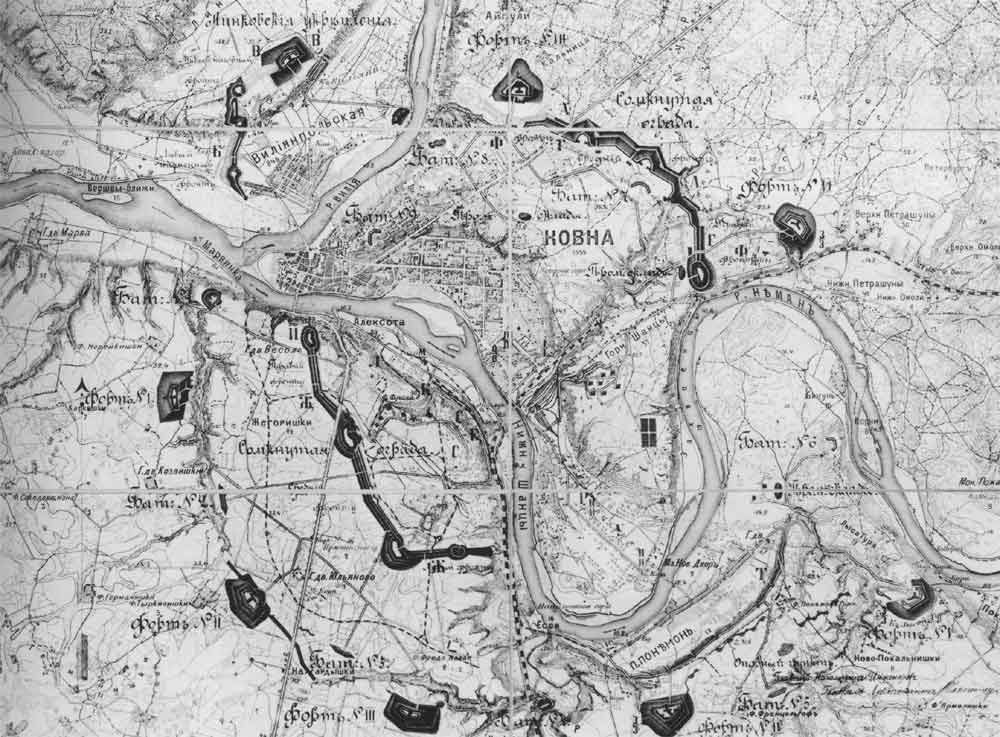
The Kaunas Fortress was developed by the Russian Empire in the late 19th century as a response to growing military tensions and the need to secure its western borders. The fortress complex consisted of multiple forts, including the Eighth Fort, designed to protect the city of Kaunas and control key transportation routes. The Eighth Fort was strategically positioned to defend against potential invasions and to serve as a stronghold within the fortress network.
Architectural features and construction
The Eighth Fort is classified as a bastioned fortress, a style characterized by angular bastions projecting outward from the main walls, allowing defenders to cover adjacent walls with gunfire and minimize blind spots. This design was typical of modern fortifications of the 19th century, reflecting advances in artillery and siege warfare. The use of concrete was innovative at the time, providing enhanced durability and resistance compared to traditional masonry.
The fort's layout includes thick defensive walls, bastions for artillery placement, and underground chambers that were likely used for ammunition storage and troop accommodations. The structure was designed to withstand prolonged sieges and artillery bombardments, with features such as moats and earthworks complementing the stone and concrete defenses.
Innovations in materials
The introduction of concrete at the Eighth Fort marked a shift in military construction techniques within the Kaunas Fortress. Concrete allowed for faster construction and greater structural integrity, which was crucial for withstanding the evolving firepower of the late 19th century. This material choice also influenced subsequent fortifications in the region.
Later history and current condition
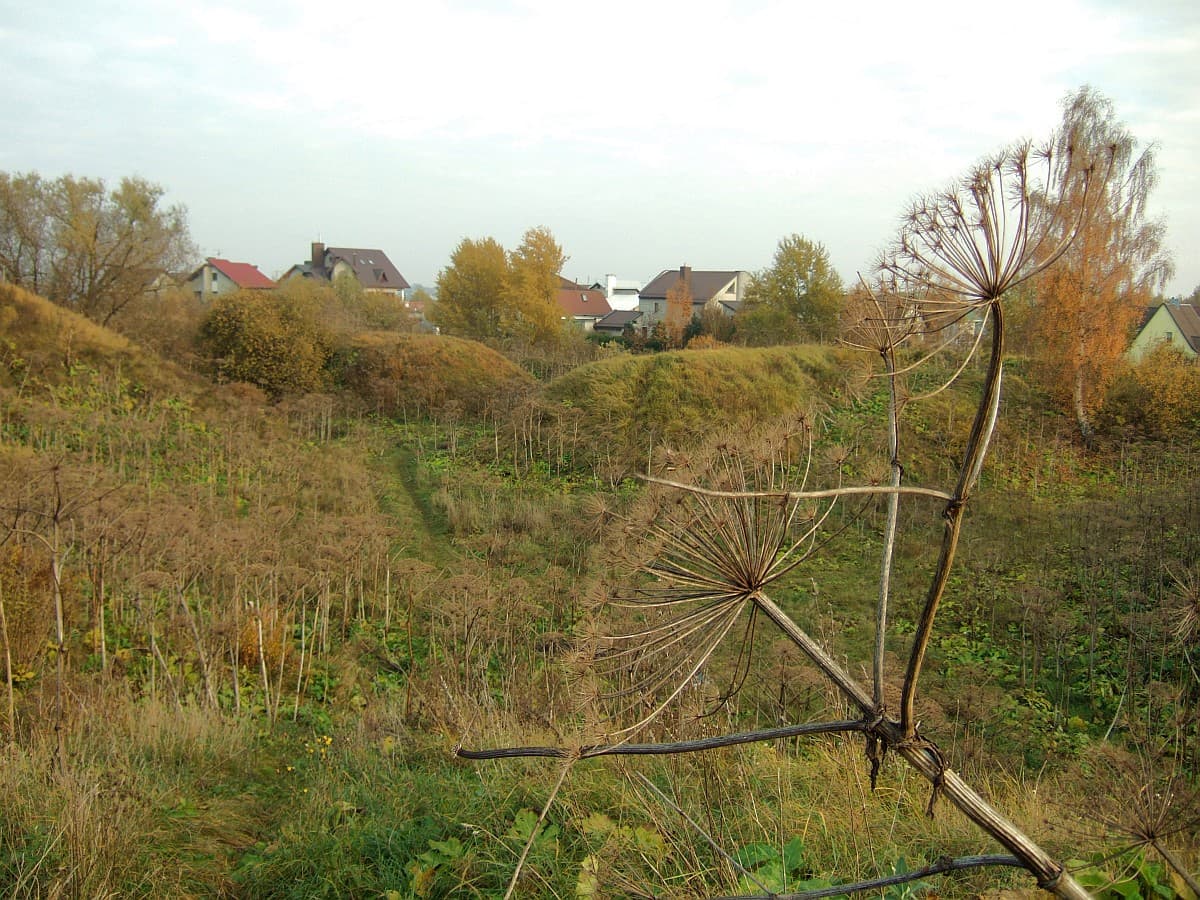
Following its initial military use, the Eighth Fort's strategic importance declined with changes in warfare and political boundaries during the 20th century. The fort was eventually abandoned and has since fallen into a state of partial ruin. Today, the structure is semi-flooded and surrounded by slopes that have been repurposed as community gardens since the interwar period. These gardens reflect a local adaptation of the site, integrating the historic fort into the urban fabric of Kaunas.
Despite its current condition, the Eighth Fort remains an important cultural and historical landmark, representing the military architecture and geopolitical history of Lithuania under Russian rule. Efforts to preserve and study the fort continue, highlighting its significance within the broader context of European fortifications.
Visiting and cultural significance
While the Eighth Fort is not fully restored and is partially in ruins, it attracts visitors interested in military history, architecture, and Lithuanian heritage. The site offers a glimpse into 19th-century fortress design and the defensive strategies employed by the Russian Empire. Its unique status as the first concrete fort in the Kaunas Fortress adds to its historical value.
Visitors should be aware that the fort is in a state of partial abandonment and semi-flooding, which may limit access to some areas. The surrounding community gardens provide a peaceful environment and a connection to the local community's use of the space over the past century.
Frequently asked questions (FAQ)
- When was the Eighth Fort built and by whom?
- The Eighth Fort was constructed between 1889 and 1890 by the Russian Empire as part of the Kaunas Fortress defensive system.
- What is the architectural style of the Eighth Fort?
- The fort is a bastioned fortress featuring angular bastions and was the first in the Kaunas Fortress to use concrete, reflecting 19th-century military architectural advances.
- Is the Eighth Fort open to visitors?
- The fort is partially preserved and semi-flooded, with limited access. Visitors can explore some areas and the surrounding community gardens, but should be cautious due to the fort's condition.
- What is the current condition of the Eighth Fort?
- The fort is partially preserved but abandoned and semi-flooded. Its slopes have been used as community gardens since the interwar period.
- Why is the Eighth Fort historically significant?
- It is significant as part of the Kaunas Fortress built by the Russian Empire and as the first fort in the complex to incorporate concrete, marking a technological milestone in military construction.
Photo gallery

Information
Current owner
Municipality of Kaunas
Loading map...
Visitor reviews
No reviews yet. Been here? Write the first review and help other travelers!
Write the first reviewVisited this castle? Share your experience
Your review helps other travelers and adds first-hand knowledge to our encyclopedia.