Alvito Castle
Alvito Castle, known locally as Castelo de Alvito, is a distinguished example of a Renaissance fortified palace located in the town of Alvito in the Baixo Alentejo region of Portugal. This castle stands out for its unique blend of defensive architecture and residential elegance, reflecting the transition from medieval fortress to Renaissance noble residence.
Constructed between 1494 and 1504 by Diogo Lobo da Silveira, Baron of Alvito, the castle was originally conceived more as a fortified palace than a purely military stronghold. This intention is evident in its architectural layout and decorative elements, which prioritize comfort and status alongside defense. The permission to build a castle in Alvito was initially granted in 1481 to Diogo's father, marking the beginning of the site's transformation into a noble estate.
Architectural features and layout
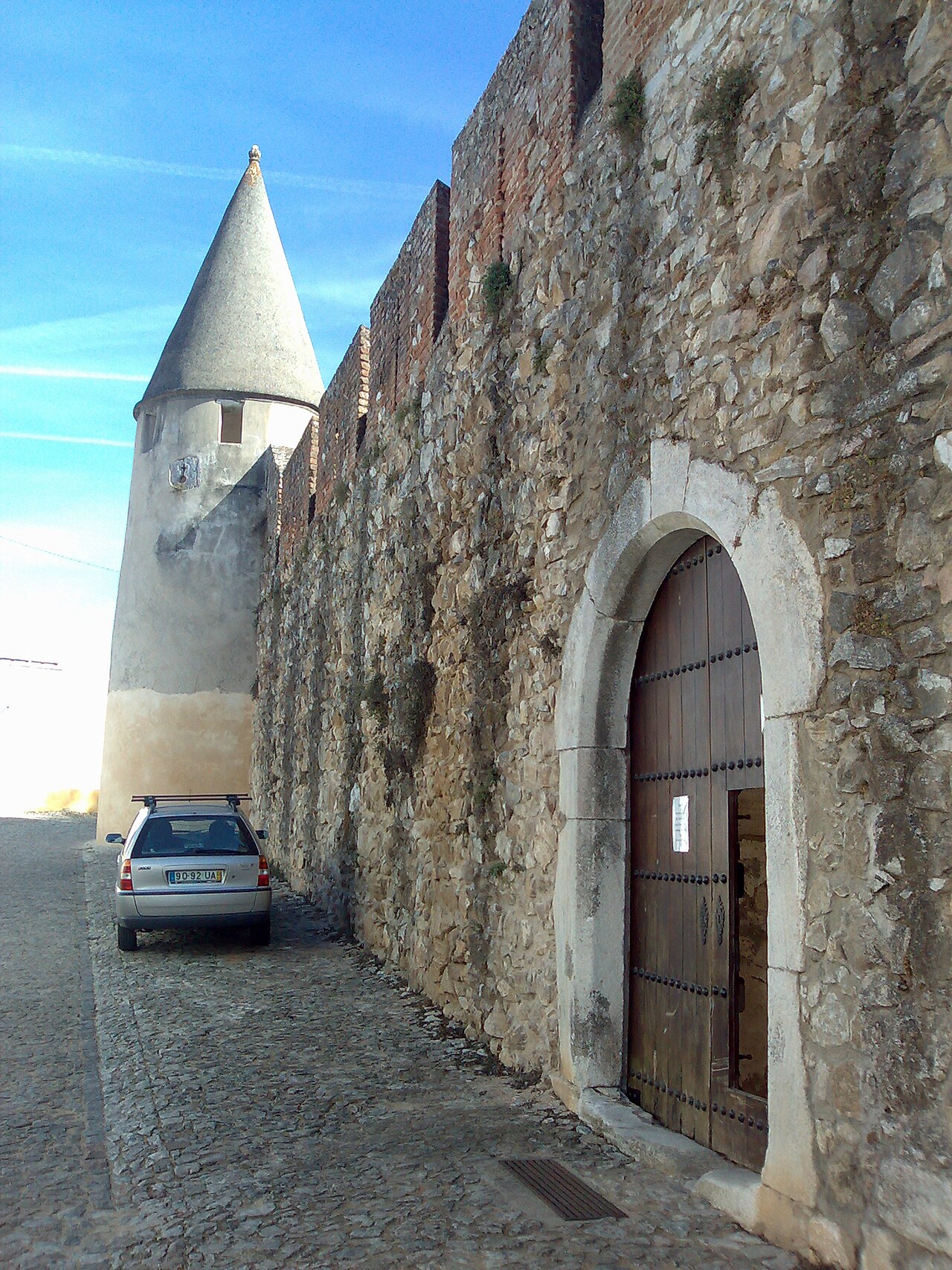
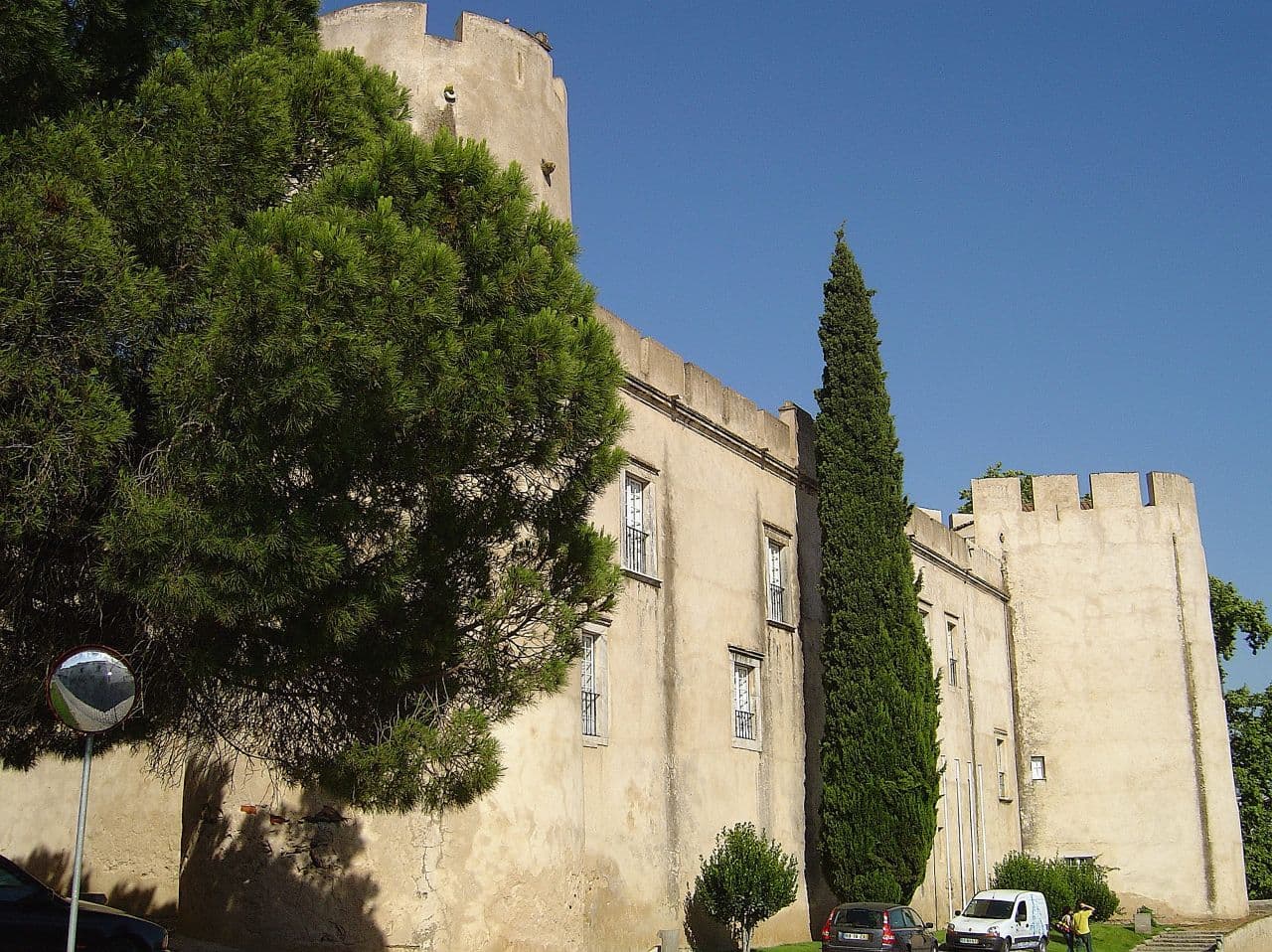
The castle exhibits a rectangular plan fortified by three round corner towers and a distinctive D-shaped tower, which together provide a balanced defensive perimeter. A square keep is positioned centrally along the northwest curtain wall, serving as the stronghold's main defensive and residential structure. The combination of these elements exemplifies Renaissance military architecture adapted for noble habitation.
The castle's walls and towers were designed not only for protection but also to convey the prestige of its owners. The use of rounded towers was a strategic choice to better deflect artillery fire, a Renaissance innovation reflecting the evolving nature of warfare during the period. The D-shaped tower adds architectural variety and enhanced defensive capabilities.
Historical significance and royal connections
Throughout the 16th century, Alvito Castle underwent several restorations aimed at strengthening its defenses and enhancing its aesthetic appeal. Notably, in 1531, it served as the temporary residence of the Portuguese royal couple, King John III and Queen Catherine of Austria. They sought refuge in Alvito to escape a plague epidemic in Évora. During their stay, their son Manuel was born at the castle; he was heir to the throne but tragically died in infancy.
The castle's role as a royal refuge underscores its importance and suitability as a noble residence with defensive features. Subsequent restorations in 1777 and throughout the 20th century reflect continuous efforts to preserve its historical and architectural integrity.
Ownership history and modern use
At the end of the 19th century, the last Baron of Alvito sold the castle to the House of Braganza, Portugal's royal family. Despite the sale, the baron and his wife retained residence rights until their deaths in 1917 and 1936, respectively. Ownership eventually transferred to the Casa de Bragança Foundation, which maintains the property today.
In the 20th century, the castle was restored multiple times to accommodate modern uses while preserving its historical character. Presently, Alvito Castle functions as a luxury hotel and is part of the Pousadas de Portugal network, a chain dedicated to operating historic buildings as traditional hotels. This adaptive reuse allows guests to experience the castle's rich heritage firsthand, although access is generally limited to hotel patrons. Occasionally, the castle hosts cultural events, further integrating it into the local community.
Heritage status and cultural importance
Alvito Castle is officially classified as a National Monument in Portugal, recognizing its architectural significance and historical value. Its preservation contributes to understanding the evolution of Portuguese noble residences during the Renaissance and the interplay between military and residential architecture.
The castle's location in the district of Beja situates it within a region rich in history and cultural heritage, enhancing its appeal to visitors interested in Portuguese history and architecture.
Visiting and cultural activities
Today, the castle's status as a luxury hotel means that it is primarily accessible to guests, offering an immersive historical experience. However, the venue occasionally opens its doors for cultural activities, such as exhibitions or concerts, providing opportunities for the public to appreciate its architecture and ambiance.
Alvito itself is a quiet town, and the castle stands as a prominent landmark within this peaceful setting, offering a glimpse into Portugal's Renaissance noble life and architectural traditions.
Photo gallery

Information
Address
Largo do Castelo, Alvito, Portugal
Loading map...
Visitor reviews
No reviews yet. Been here? Write the first review and help other travelers!
Write the first reviewVisited this castle? Share your experience
Your review helps other travelers and adds first-hand knowledge to our encyclopedia.