Aluksne Castle Ruins
Alūksne Castle, originally known as Marienburg, is a significant medieval fortress built in 1342 by the Teutonic Knights on the largest island of Lake Alūksne in Latvia. Founded by the Landmeister Burkhard von Dreileben, the castle was part of a strategic effort to reinforce the eastern border of Livonia during the Late Medieval period. Its initial construction utilized wood, but it was soon fortified with fieldstone outer walls and a brick convent house, reflecting evolving military architectural practices of the time.
Architectural design and fortifications
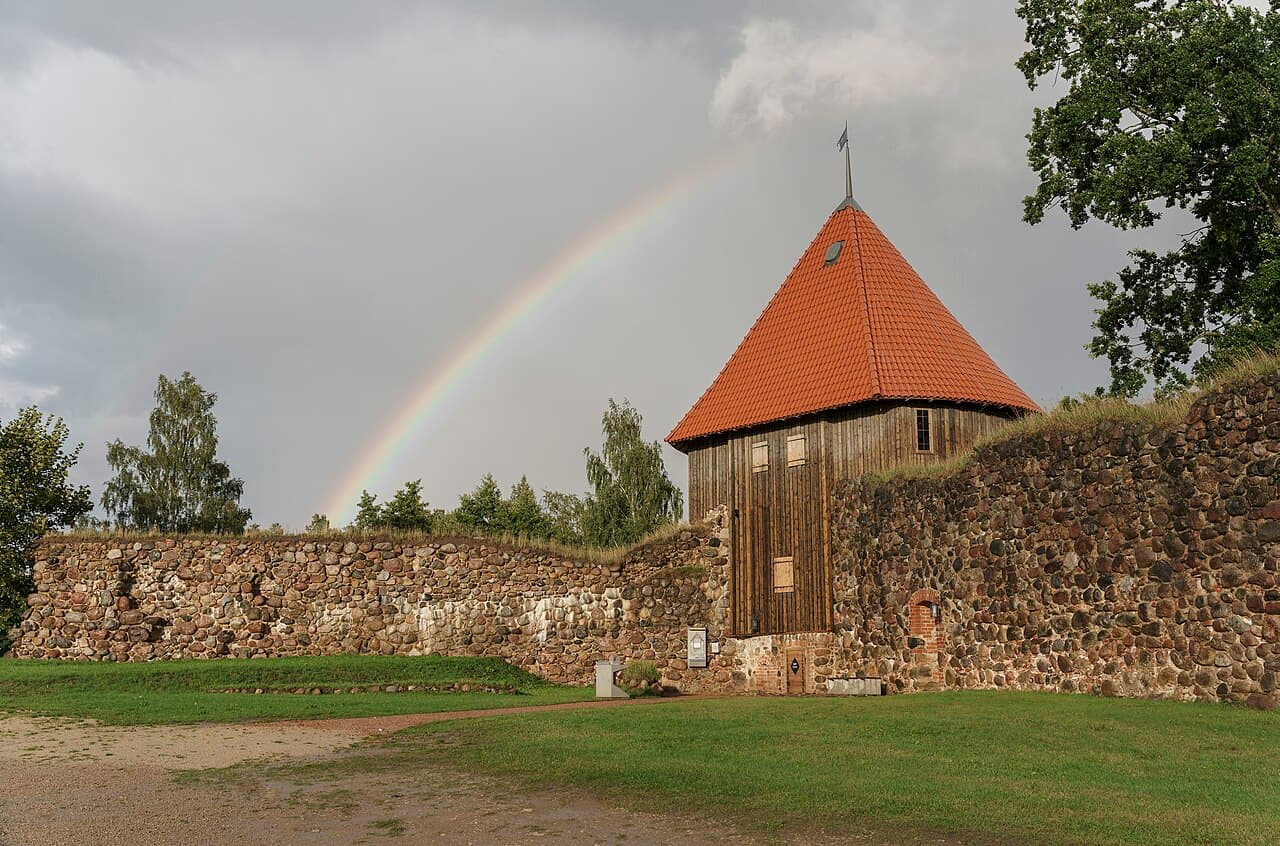
The castle’s layout shares similarities with the nearby Viljandi Castle, particularly in the design of the convent building flanked by a defensive tower. The outer walls were constructed in phases, partly contemporaneous with the convent house and partly during later periods, notably amid the political unrest of the early 16th century. The main gate is a key feature, protected by two robust round towers dating from the late medieval era, designed to withstand sieges and assaults.
In the late 17th century, the castle’s defenses were further enhanced with the addition of ravelins and ramparts, reflecting the military architectural evolution responding to advances in artillery and siege warfare. These additions transformed the castle into a more complex defensive structure, integrating bastioned elements common in early modern fortifications.
Historical significance and military role
Alūksne Castle played a vital role in the turbulent history of the Baltic region. Its strategic location made it a key defensive point during conflicts such as the Livonian War. In 1560, the castle was captured by the forces of Ivan IV of Russia, demonstrating its military importance. Following this, the castle became part of the Polish-Lithuanian Commonwealth in 1582, and later was incorporated into the Swedish Empire in 1629.
Despite the shifting political control, the castle remained habitable and militarily relevant until the early 18th century. During the Great Northern War in 1702, the Swedish garrison deliberately destroyed the castle to prevent it from falling into Russian hands. This action marked the end of the castle’s active military use and led to its gradual decline into ruin.
The castle ruins today
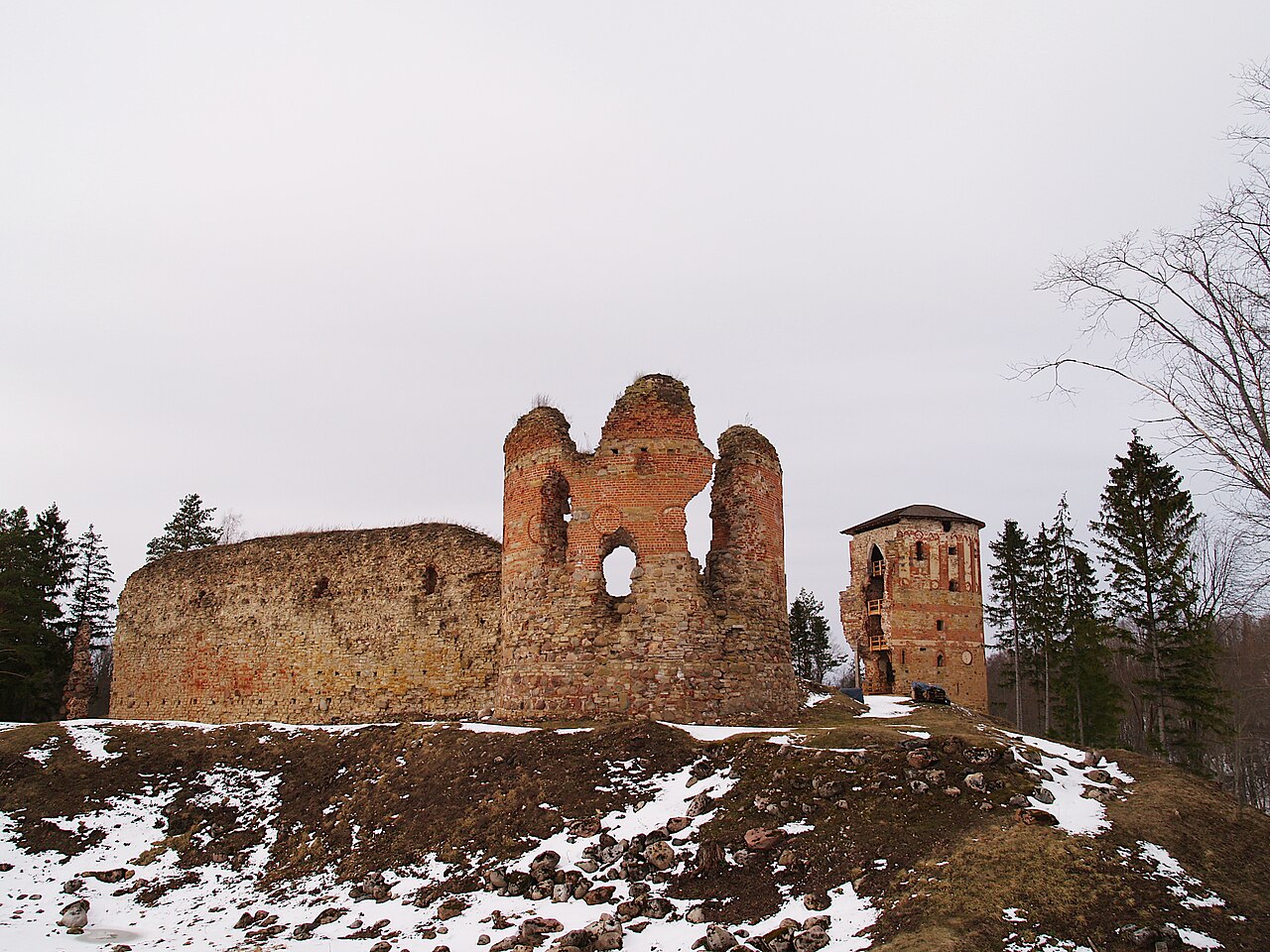
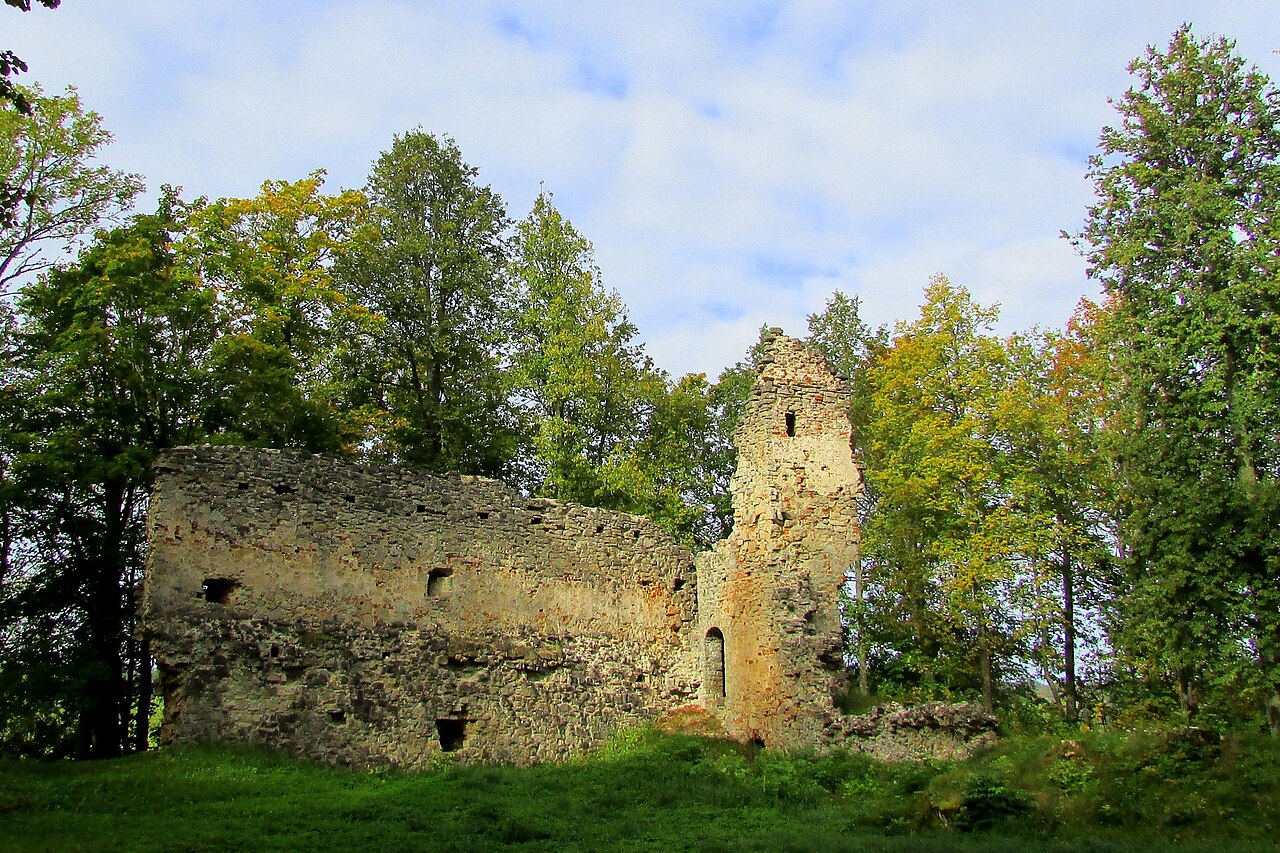
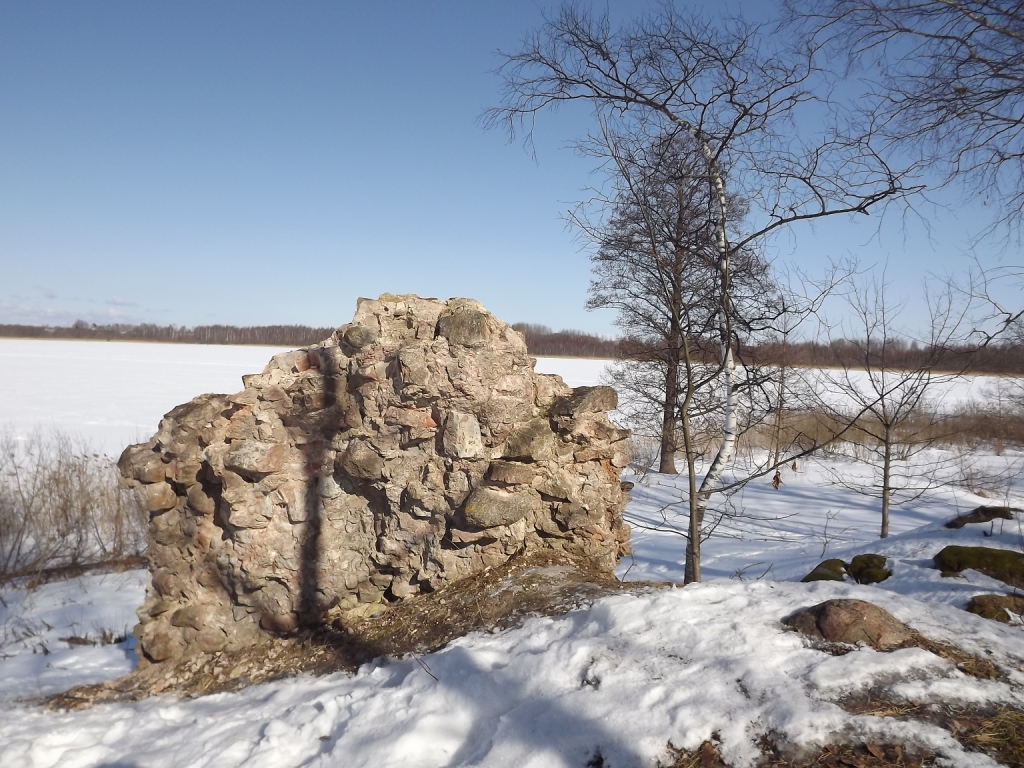
Today, the Alūksne Castle ruins stand as a testament to the region’s medieval and early modern history. The ruins have been preserved largely in their original state, offering insight into the castle’s architectural evolution and defensive capabilities. The site is located on Pils Island in Lake Alūksne and is integrated into a recreational area that includes an open-air stage used for cultural events and performances.
The castle ruins attract visitors interested in medieval architecture, Baltic history, and outdoor cultural activities. The surviving elements, including the convent house remains, outer walls, and the distinctive round towers guarding the main gate, provide a compelling glimpse into the construction techniques and military strategies of the Teutonic Knights.
Comparative architecture and regional context
Alūksne Castle’s design reflects the broader architectural trends of the Teutonic Order castles across the Baltic region. Its combination of fieldstone fortifications and brick convent buildings was typical for castles built by the order in the 14th century. The castle’s phased construction illustrates the adaptation to changing military technologies and political circumstances over several centuries.
Its location on an island provided natural defense advantages, a common characteristic of hill castles or island fortresses in the region, which utilized water barriers to enhance protection. The castle’s enduring ruins contribute to the understanding of medieval military architecture in Latvia and the historical conflicts that shaped the Baltic states.
Preservation and cultural heritage
The castle ruins are protected as a cultural heritage site and form an important part of Latvia’s historical landscape. Conservation efforts focus on maintaining the structural remains and facilitating public access while preserving the site’s historical integrity. The use of the castle grounds for cultural events helps to keep the site active within the community and promotes awareness of Latvia’s medieval past.
Visitor information
Visitors to Alūksne Castle can explore the ruins year-round, with the open-air stage hosting seasonal events. The site offers a peaceful setting for walking and historical exploration, with interpretive signage providing context about the castle’s history and architecture. Its location within the town of Alūksne makes it accessible for tourists interested in the medieval heritage of Latvia.
Frequently asked questions (FAQ)
- What is the historical significance of Aluksne Castle Ruins?
- Aluksne Castle Ruins, built in the late 14th century, served as a strategic stronghold for the Livonian Order. It played a crucial role in the region's defense and administration during the medieval period, reflecting the architectural and military practices of the time.
- When was Aluksne Castle Ruins constructed?
- The construction of Aluksne Castle began in 1342 and was completed by the end of the 14th century. Over the centuries, it underwent various modifications and expansions, showcasing the evolving architectural styles of each era.
- Can I visit Aluksne Castle Ruins year-round?
- Yes, Aluksne Castle Ruins are open for visitors year-round, but the best time to visit is during the spring and summer months when the weather is pleasant. Guided tours may be available during peak tourist seasons to enhance your experience.
- What are the opening hours for Aluksne Castle Ruins?
- Aluksne Castle Ruins typically operate from 10 AM to 6 PM during the peak season, with reduced hours in the off-season. It is recommended to check the official website for any changes to the schedule before planning your visit.
- Is it possible to explore the castle ruins on my own?
- Yes, visitors are welcome to explore the castle ruins independently. However, guided tours are also available and can provide valuable insights into the castle's history and architecture.
- What are the nearby attractions to Aluksne Castle Ruins?
- Nearby attractions include the Alūksne Lake, which offers picturesque views and recreational activities, as well as the Alūksne Museum, where you can learn more about the region's history. These sites complement your visit to the castle and enrich your experience in Alūksne.
- How much are the ticket prices for Aluksne Castle Ruins?
- Ticket prices for Aluksne Castle Ruins are generally affordable, with discounts available for students and seniors. Always check the latest pricing information on the official website or at the entrance before your visit.
- Is Aluksne Castle Ruins accessible for visitors with disabilities?
- Aluksne Castle Ruins have made efforts to improve accessibility for all visitors. However, due to the nature of the ruins, some areas may still be challenging to navigate, so it is advisable to plan ahead and inquire about specific accessibility options available on-site.
Photo gallery

Information
Website
Visit websiteSources & official resources
Verify the information above using these authoritative references.
Loading map...
Visitor reviews
No reviews yet. Been here? Write the first review and help other travelers!
Write the first reviewVisited this castle? Share your experience
Your review helps other travelers and adds first-hand knowledge to our encyclopedia.