Ali Ahmad Domab Castle — Iran castle

Ali Ahmad Domab Castle

Ali Ahmad Domab Castle in Najafabad, Iran
Najafabad County, Iran
Post-Renaissance (17th–18th c.)
Partially Preserved

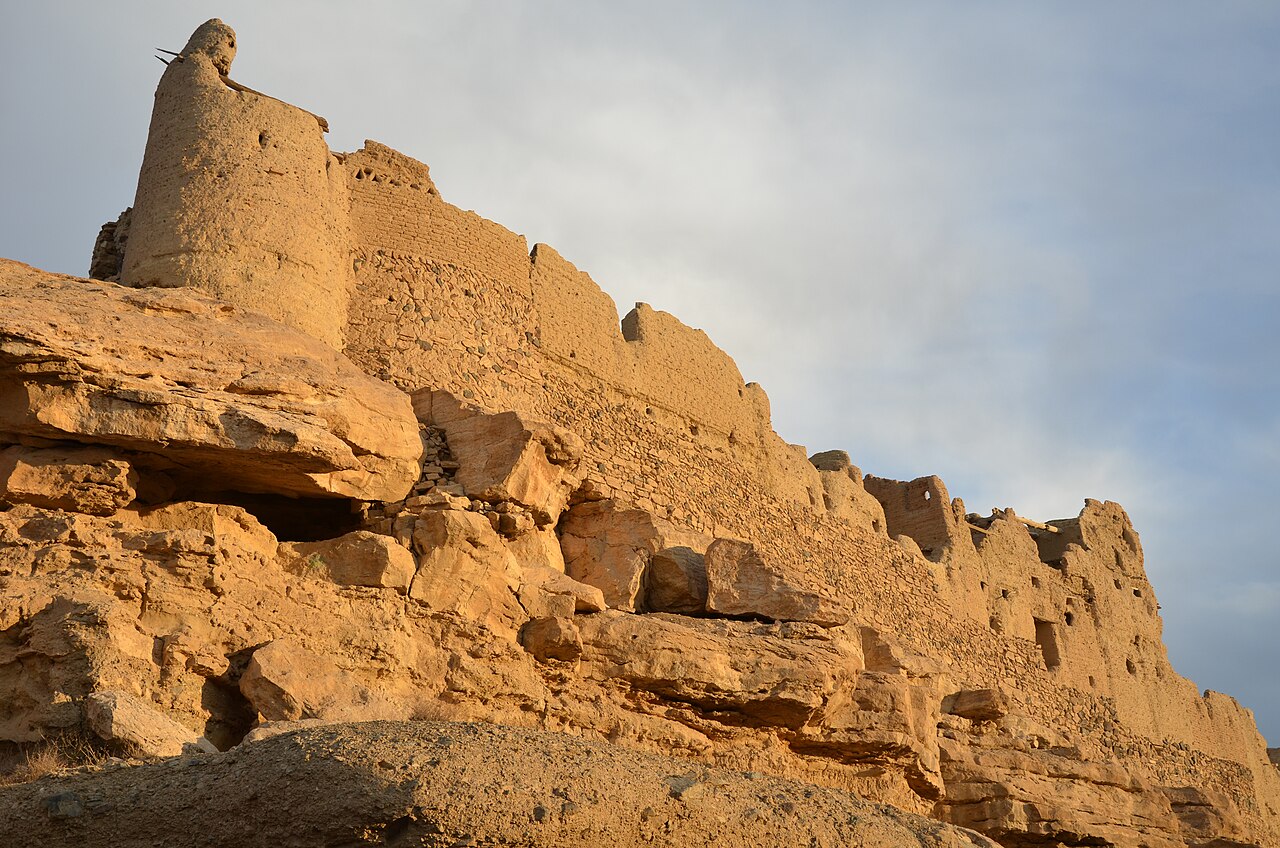
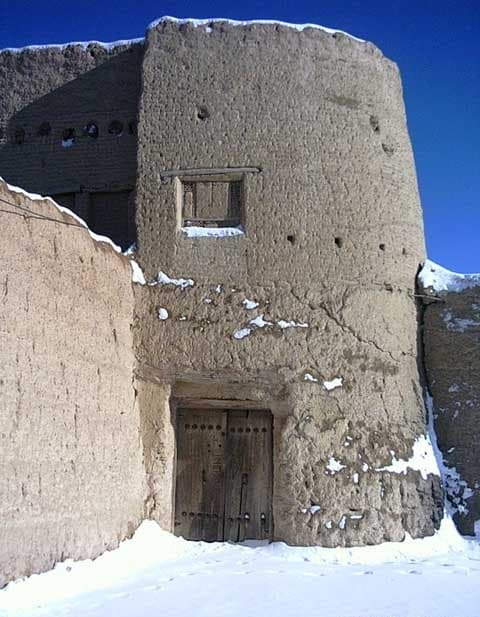
Ali Ahmad Domab Castle (Persian: قلعه علی احمد دماب) is a historical fortress situated in Najafabad County within the Isfahan Province of Iran. This hill castle dates back to the Qajar dynasty, a period spanning from the late 18th century to the early 20th century, known for its distinctive architectural styles and fortification techniques. The castle's construction reflects the strategic military architecture of the era, designed to oversee and control the surrounding landscape from an elevated position.

Historical context and significance

The Qajar dynasty (1789–1925) was a time of considerable political and social change in Iran. Castles like Ali Ahmad Domab were built not only as military bastions but also as symbols of local power and governance. This castle likely served as a defensive stronghold against regional conflicts, banditry, and as a center for local administration.

Najafabad County, where the castle is located, has historically been an important area due to its proximity to the city of Isfahan, a major cultural and political center. The castle's position on a hill provided a tactical advantage, enabling surveillance of approaching threats and control over nearby routes.

Architectural features and construction

As a hill castle, Ali Ahmad Domab Castle is strategically perched on elevated terrain, which enhances its defensive capabilities. The castle's layout typically includes thick defensive walls, battlements, and possibly towers or watchtowers for observation and defense. The use of local materials such as stone and brick is common in Qajar-era fortifications, contributing to the castle's durability.

The castle's design would have incorporated traditional Persian architectural elements blended with functional military features. These include narrow arrow slits, fortified gates, and internal courtyards that provided secure spaces for troops and supplies. While detailed architectural plans are scarce, the castle's remains suggest a compact but robust structure adapted to the terrain.

Defensive structures

The elevated position of Ali Ahmad Domab Castle allowed defenders to monitor the surrounding area effectively. The walls were likely reinforced to withstand sieges, and the battlements provided cover for archers or riflemen. The castle's entrance would have been heavily fortified to resist forced entry.

Current condition and preservation

The castle is currently in a state that can be described as partially preserved. While some sections of the walls and structural elements remain intact, others have suffered from natural erosion and lack of extensive restoration. The site remains an important cultural heritage location, attracting visitors interested in Iran's military architecture and Qajar history.

Efforts to preserve such historical sites are crucial to maintaining the architectural legacy of the Qajar period. The castle offers insights into regional defense strategies and local governance during a transformative era in Iranian history.

Visiting Ali Ahmad Domab Castle

Visitors to the castle can explore the remaining structures and enjoy panoramic views of the surrounding landscape from the hilltop. The site provides an opportunity to connect with Iran's historical military architecture and the cultural context of the Qajar dynasty.

Najafabad County, being close to Isfahan, allows for convenient access for tourists interested in exploring multiple historical sites within the region. While amenities at the castle site may be limited, the natural setting and historical ambiance make it a worthwhile destination for history enthusiasts and scholars.

Frequently asked questions (FAQ)

What is the historical significance of Ali Ahmad Domab Castle?
Ali Ahmad Domab Castle, located in Najafabad County, is a remarkable example of Persian architecture and a testament to the region's rich history. Built during the Safavid era, it served as a strategic defensive structure and residence, reflecting the architectural styles and cultural influences of the time.
When was Ali Ahmad Domab Castle constructed?
The construction of Ali Ahmad Domab Castle dates back to the 17th century, during the height of the Safavid dynasty. This period was marked by significant advancements in architecture and urban planning, which are evident in the castle's design and layout.
What are the opening hours for visiting Ali Ahmad Domab Castle?
Ali Ahmad Domab Castle is open to visitors from 9 AM to 6 PM daily. It is advisable to check for any seasonal changes in hours or special closures before planning your visit.
Is it possible to access Ali Ahmad Domab Castle with public transportation?
Yes, Ali Ahmad Domab Castle is accessible via public transportation from major cities in Iran, including Isfahan. Local buses and taxis can take you to Najafabad County, from where the castle is a short walk or taxi ride away.
Can I take guided tours of Ali Ahmad Domab Castle?
Yes, guided tours are available at Ali Ahmad Domab Castle, providing visitors with insights into its history and architectural significance. These tours can enhance your experience by offering detailed information that you might miss while exploring on your own.
What is the best time to visit Ali Ahmad Domab Castle?
The best time to visit Ali Ahmad Domab Castle is during the spring and autumn months when the weather is mild and pleasant. This allows for a more enjoyable exploration of the castle and its surroundings.
Are there any nearby attractions to visit after touring the castle?
Yes, after visiting Ali Ahmad Domab Castle, you can explore other nearby attractions such as the historical sites in Najafabad County and the beautiful landscapes of the surrounding area. The city of Isfahan, known for its stunning architecture and cultural heritage, is also a short drive away.
What are the ticket prices for visiting Ali Ahmad Domab Castle?
Ticket prices for Ali Ahmad Domab Castle are generally affordable, allowing visitors to experience its historical and cultural significance without breaking the bank. It’s best to check the official website or local information for the most current pricing details before your visit.

Photo gallery

Ali Ahmad Domab Castle
Click to view

Photo by Pars2•CC BY-SA 3.0

1 photo • Click any image to view in full screen

Information

Hill Castle

Loading map...

Visitor reviews

No reviews yet. Been here? Write the first review and help other travelers!

Write the first review

Visited this castle? Share your experience

Your review helps other travelers and adds first-hand knowledge to our encyclopedia.
Write a review

(5/5)

0/2000 characters

Your review will be visible after admin approval

Nearby castles

95.5 km
Marbin Fortress — Iran castle

Marbin Fortress

Isfahan, Iran

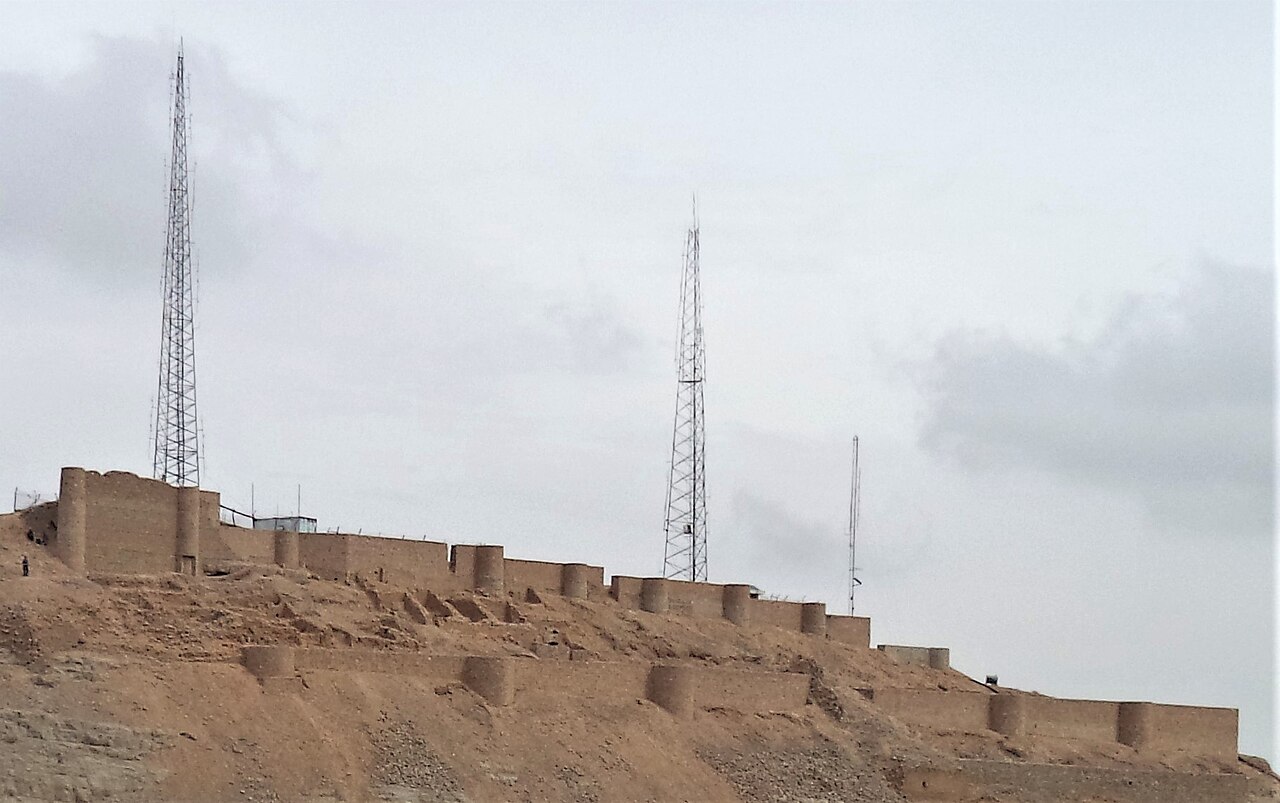
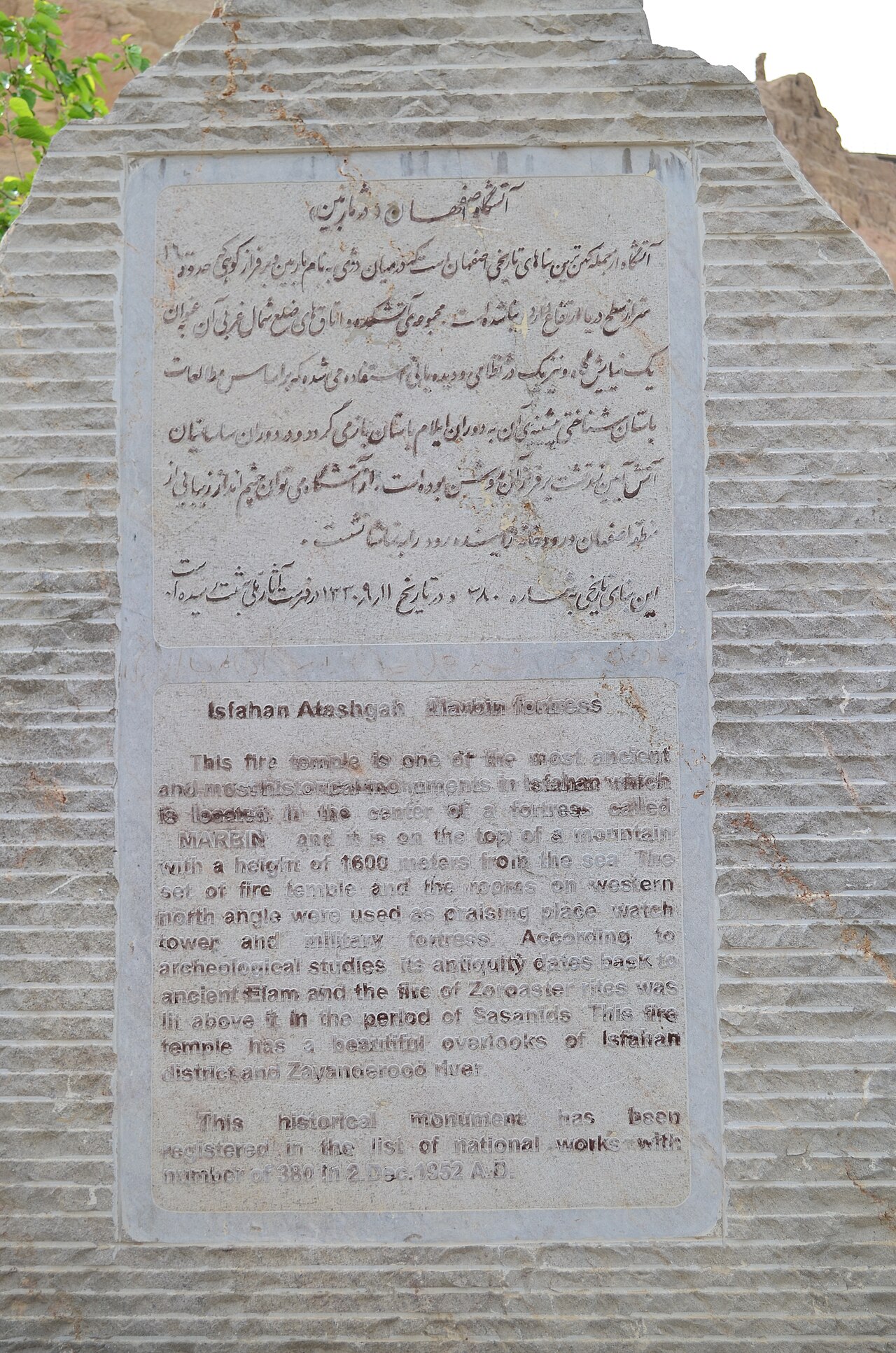
The Marbin Fortress, also known historically as the Fire Temple of Isfahan, is a significant Sasanian era archaeological complex located on a prominent hill approximately 8 kilometers west of the city center of Isfahan, Iran. This site is situated on a hill rising about 210 meters above the surrounding plain, historically known as Maras or Marabin after a nearby village. The fortress and temple complex holds considerable importance due to its architectural and cultural heritage dating back to the Sasanian Empire, which ruled from 224 to 651 AD.Historical context and significanceThe Sasanian Empire was the last pre-Islamic Persian empire, known for its advancements in art, architecture, and religion. The Fire Temple of Isfahan served as a religious center dedicated to Zoroastrianism, the dominant faith of the empire, where sacred fires were kept burning continuously as a symbol of divine presence. The temple's location on a hilltop not only provided a strategic defensive position but also symbolized spiritual elevation.Arab historians referred to the site as Marabin, linking it to the nearby village and emphasizing its regional importance during and after the Islamic conquest of Persia. The fortress and temple complex likely functioned both as a religious sanctuary and a military bastion, reflecting the dual nature of such sites in the Sasanian period.Architectural features and layoutThe Marbin Fortress exhibits characteristics of a bastioned fortress, a style that incorporates fortified walls with projecting bastions for enhanced defense. Although much of the original structure is now in ruins, archaeological studies reveal the presence of robust defensive walls constructed from stone and mortar, designed to withstand sieges.The complex includes remnants of the fire temple itself, which traditionally would have housed the sacred fire altar within a domed sanctuary. Surrounding the temple are defensive walls with battlements and towers that provided vantage points for guards. The hilltop location allowed for extensive visibility over the surrounding plain, crucial for early warning against potential attacks.Defensive elementsThe fortress's bastions were strategically placed to cover all approaches, enabling defenders to repel attackers effectively. The walls likely featured crenellations and arrow slits, typical of Sasanian military architecture, facilitating archery and surveillance. The elevated position also made direct assaults difficult, enhancing the fortress's defensive capabilities.Cultural and religious importanceThe fire temple at Marbin was a vital religious site for Zoroastrians, serving as a place where the sacred fire was maintained by priests known as magi. The continuous burning of fire symbolized purity and the presence of Ahura Mazda, the supreme deity in Zoroastrianism. This religious function imbued the fortress with spiritual significance beyond its military role.Following the Islamic conquest, the site gradually lost its religious function but remained an important historical landmark. The preservation of the ruins offers insight into the religious practices and architectural styles of the late pre-Islamic period in Iran.Archaeological research and preservationArchaeological excavations at Marbin have uncovered artifacts and structural remains that contribute to understanding Sasanian religious architecture and fortress construction. The site's elevated position and relatively well-preserved defensive structures provide valuable data on the military strategies of the period.Today, Marbin Fortress stands as an archaeological site reflecting the intersection of religious and military architecture in the Sasanian era. Efforts to study and conserve the site continue, highlighting its importance for Iranian cultural heritage and the broader history of ancient Persia.Visiting Marbin FortressLocated near Isfahan, one of Iran's major historical cities, the Marbin Fortress is accessible to visitors interested in ancient Persian history and archaeology. The site offers panoramic views of the surrounding landscape and a tangible connection to the Sasanian period's religious and military traditions.Visitors should prepare for a hike up the hill to explore the ruins, as the site is situated on elevated terrain. While facilities are limited, the historical significance and scenic views make it a rewarding destination for those fascinated by ancient fortifications and Zoroastrian heritage.

Early Medieval (5th–10th c.)
Details
103.9 km
Tarq Castle — Iran castle

Tarq Castle

Tarqrud, Iran

Tarq Castle, also known as Tarqrud Castle, is a significant ancient fortress located in the city of Tarqrud within the Central District of Natanz County, in Isfahan province, Iran. This castle stands as a remarkable example of early defensive architecture from the Parthian Empire period, dating back to the 3rd century BC. It is classified as a hill castle, strategically positioned on elevated terrain to maximize its defensive capabilities and surveillance over the surrounding landscape. Historical context and significance The origins of Tarq Castle trace back to the era of the Parthian Empire (247 BC – 224 AD), a major Iranian political and cultural power that controlled vast territories across the region. The Parthians were known for their military prowess and architectural innovations, particularly in fortification design. Tarq Castle served as a military stronghold and administrative center during this period, playing a role in regional defense and control. The castle's location in Natanz County places it within a historically strategic corridor in central Iran, an area that was important for trade routes and military movements. The Parthian Empire's use of such fortifications reflects their need to secure their borders and maintain control over key territories. Architectural features and construction As a hill castle, Tarq Castle was constructed to take advantage of natural topography. The elevated site provided a commanding view of the surrounding region, enabling early detection of approaching enemies. The castle's walls and defensive structures were likely built using locally sourced stone and mud-brick materials, typical of Parthian construction techniques. While detailed architectural plans of Tarq Castle are limited, it is probable that the fortress included thick defensive walls, watchtowers, and possibly a central keep or fortified inner area. Such features were common in Parthian military architecture to provide layered defense and secure living quarters for troops and commanders. The castle's design would have incorporated elements to withstand sieges, including narrow entrances, battlements for archers, and possibly water storage facilities to endure prolonged attacks. The use of natural rock formations in the castle's construction may also have contributed to its defensive strength. Preservation and current condition Today, Tarq Castle remains an important archaeological site, though it is in a state of ruins. The passage of time, natural erosion, and human activity have affected the structural integrity of the castle. Despite this, significant portions of the walls and foundations are still visible, offering valuable insights into ancient Iranian fortification methods. Preservation efforts have been limited, but the site continues to attract historians, archaeologists, and visitors interested in Iran's rich cultural heritage. The castle's ruins contribute to the understanding of early medieval military architecture in the region and the legacy of the Parthian Empire. Visiting Tarq Castle Visitors to Tarq Castle can explore the remains of this ancient fortress and appreciate its historical context within the broader landscape of Isfahan province. The castle's hilltop location provides scenic views and a tangible connection to Iran's early medieval past. Access to the site may require some hiking or climbing due to its elevated position, and visitors are encouraged to prepare accordingly. The castle is an excellent destination for those interested in archaeology, history, and traditional Iranian architecture. Nearby attractions Natanz County is known for its historical and natural attractions, including other ancient sites and traditional Persian gardens. Visitors to Tarq Castle often combine their visit with trips to these nearby landmarks to gain a fuller appreciation of the region's cultural and historical significance.

Early Medieval (5th–10th c.)
Details
104.4 km
Shahdiz Castle — Iran castle

Shahdiz Castle

Isfahan, Iran

Shahdiz Castle, also known as Dizkuh (Persian: دزکوه), is a historic fortress located approximately 8 kilometers south of Isfahan, Iran, perched on a subpeak of Mount Soffeh. This castle holds significant historical importance as one of the strongholds of the Nizari Ismailis during the medieval period. Its dramatic ruins, visible today, reflect its strategic position and turbulent history during the era of the Seljuk Empire.The castle's origins trace back to the High Medieval period, likely constructed in the 11th or 12th century, a time when fortifications were critical for controlling key routes and defending territories. Shahdiz was renowned for its formidable defensive position atop a steep mountain, which made it a difficult target for invaders. The fortress was part of a network of Nizari Ismaili castles that served both military and administrative functions.Historical significance and Nizari Ismaili controlShahdiz Castle was notably held by the Nizari Ismailis, a sect known for their network of fortified strongholds across Persia and Syria. The castle was a key defensive site and symbol of Nizari resistance during the Seljuk period. Its strategic location near Isfahan, a major urban center, made it a critical outpost for controlling access to the region.In the early 12th century, the Seljuk sultan Muhammad Tapar launched a campaign against the Nizari Ismailis to suppress their influence and dismantle their fortifications. Shahdiz was one of the principal targets during this campaign. After a siege, the fortress was captured and subsequently destroyed to prevent its further use by the Nizari forces.Architectural features and layoutThe castle's remains reveal a classic example of medieval mountain fortification. Built primarily from local stone, the castle utilized the natural topography to enhance its defenses. The steep slopes of Mount Soffeh provided natural barriers, while the castle walls, towers, and gates were constructed to maximize protection against siege warfare.Although much of the original structure lies in ruins, archaeological studies have identified foundations of walls, remnants of towers, and evidence of defensive battlements. The fortress likely included multiple levels with living quarters, storage areas, and cisterns to support prolonged sieges.Defensive advantagesShahdiz's position on a subpeak allowed defenders to monitor and control movement along nearby routes. The elevation offered a commanding view of the surrounding landscape, enabling early warning of approaching enemies. The difficult terrain also limited the options for attackers, forcing them into narrow approaches vulnerable to defensive fire.Destruction and current conditionThe castle was destroyed during the Seljuk sultan Muhammad Tapar's campaign against the Nizari Ismailis in the early 12th century. The deliberate dismantling ensured that Shahdiz could no longer serve as a Nizari stronghold. Since then, the site has remained in ruins, with only scattered stone walls and foundations visible today.Despite its ruined state, Shahdiz Castle remains an important archaeological site. It provides valuable insights into medieval Persian military architecture and the history of the Nizari Ismailis. The ruins attract historians and visitors interested in the Seljuk era and the complex political landscape of medieval Iran.Location and accessSituated near Isfahan, one of Iran's historic cities, Shahdiz Castle is accessible for visitors interested in exploring its ruins and the surrounding natural landscape of Mount Soffeh. The site offers a glimpse into the rugged mountain fortifications typical of the region during the medieval period.

High Medieval (11th–13th c.)
Details