Alcázar of Toledo
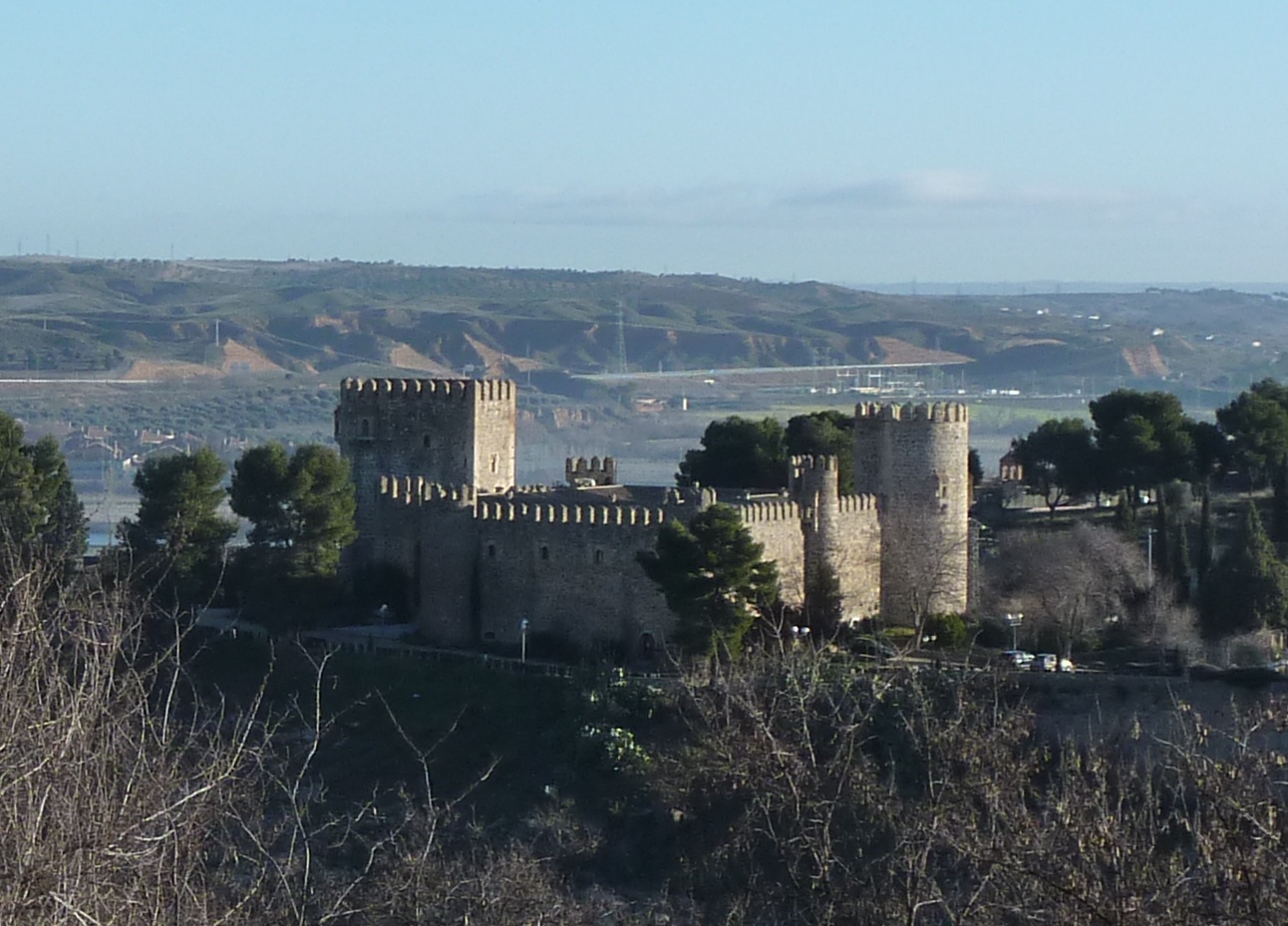
The Alcázar of Toledo stands as a monumental symbol of the city's rich history and strategic importance in Spain. This imposing fortress dominates the skyline of Toledo, located in the region of Castile and León, overlooking the vast eastern plains of Castile and the winding river Tagus. Its commanding position has made it a key military and political landmark for centuries, reflecting the layered history of the city from Roman times through the medieval period and into modern Spain.
The origins of the Alcázar trace back to the 3rd century when it began as a Roman palace. This early foundation laid the groundwork for a structure that would evolve dramatically over the centuries. During the 10th century, when Toledo was a major city in Moorish Spain, the fortress was rebuilt and expanded, serving as a critical defensive stronghold. The architectural fabric of the Alcázar embodies a fusion of cultural influences, including Roman, Islamic, and Christian elements, which reflect the city's diverse historical rulers.
Architectural evolution and design features
The Alcázar of Toledo underwent significant transformations, particularly under the reigns of Alfonso VI and Alfonso X during the Christian reconquest. The fortress was extensively modified in 1535 under the commission of Charles I of Spain (also Holy Roman Emperor Charles V), who entrusted the architect Alonso de Covarrubias with its redesign. Covarrubias introduced Renaissance architectural elements, giving the building a more refined and monumental character while retaining its military functionality.
The fortress is organized around a rectangular courtyard featuring two levels of elegant arches supported by classical columns. The austere facade is divided into three levels and is marked by a giant imperial shield above the main entrance, symbolizing royal authority. The scale and grandeur of the facade were later enhanced by architect Francisco de Villalpando, who contributed to its imposing appearance in the late 16th century.
Structural elements and fortifications
The Alcázar's design as a true fortress is evident in its thick defensive walls, battlements, and strategic towers. Its elevated position on a hilltop allowed for commanding views and control over the surrounding landscape, making it a formidable defensive site. The fortress was equipped to withstand sieges, with robust stone construction and limited points of access.
Historical significance and royal connections
Throughout its history, the Alcázar of Toledo has played multiple roles. After the Christian conquest, it briefly served as a royal residence, housing notable figures such as Mary Anne of Austria, widow of Philip IV, and Mariana of Neuburg, widow of Charles II. However, with the transfer of the Spanish court to Madrid, the Alcázar's role shifted primarily to military functions, becoming a prestigious military academy.
One of the most dramatic chapters in the Alcázar's history occurred during the Spanish Civil War (1936–1939). The fortress was the site of a prolonged and intense siege lasting 70 days, during which it was nearly destroyed by Republican forces. The defense of the Alcázar became a powerful symbol of Nationalist resistance. Following the war, under the regime of General Francisco Franco, the Alcázar was meticulously rebuilt and repurposed as a military museum, preserving its historical legacy and educating visitors about Spain's military history.
Cultural importance and visitor experience
Today, the Alcázar of Toledo is one of the city's major landmarks and a must-visit attraction for tourists interested in Spanish history and architecture. Its imposing silhouette is visible from afar, continuing to dominate the city's skyline as it has for centuries. Visitors can explore the fortress's courtyards, halls, and battlements, gaining insight into its strategic design and historical roles.
The Alcázar also serves as a cultural symbol of Toledo's layered past, representing the city's evolution from a Roman provincial center to a Moorish stronghold and then a Christian royal seat. Its preservation as a well-maintained military museum allows for an immersive experience into Spain's complex history, military architecture, and royal heritage.
Architectural legacy and restoration efforts
The restoration of the Alcázar after the Civil War was a significant architectural and historical project. Efforts focused on maintaining the fortress's original Renaissance style while repairing extensive war damage. This careful restoration has ensured that the Alcázar remains a well-preserved example of Spanish Renaissance military architecture and a testament to the resilience of Toledo's heritage.
Overall, the Alcázar of Toledo encapsulates centuries of Spanish history, from its Roman origins through medieval conflicts to modern times. Its architectural grandeur, historical significance, and cultural resonance make it an essential site for understanding Spain's past and the enduring legacy of its fortifications.
Frequently asked questions (FAQ)
- What is the best time to visit the Alcázar of Toledo?
- The best time to visit the Alcázar of Toledo is during the spring and autumn months when the weather is mild and the city is less crowded, providing a more pleasant experience.
- How do I get to the Alcázar of Toledo?
- The Alcázar is located in the historic center of Toledo, accessible by foot from most parts of the old town. It is well connected by local buses and taxis from the main train station.
- Is the Alcázar of Toledo wheelchair accessible?
- The Alcázar has made efforts to improve accessibility, but due to its historic nature and hilltop location, some areas may be challenging for wheelchair users. It is recommended to check with the visitor center for specific accessibility information.
- What can I see inside the Alcázar of Toledo?
- Visitors can explore the fortress's courtyards, military museum exhibits, battlements, and royal chambers, learning about its history from Roman times through the Spanish Civil War.
- Are there guided tours available at the Alcázar?
- Yes, guided tours are available and highly recommended to gain detailed historical and architectural insights about the Alcázar and its significance in Spanish history.
Information
Current owner
State museum
Loading map...
Visitor reviews
No reviews yet. Been here? Write the first review and help other travelers!
Write the first reviewVisited this castle? Share your experience
Your review helps other travelers and adds first-hand knowledge to our encyclopedia.