Alcaudete Castle
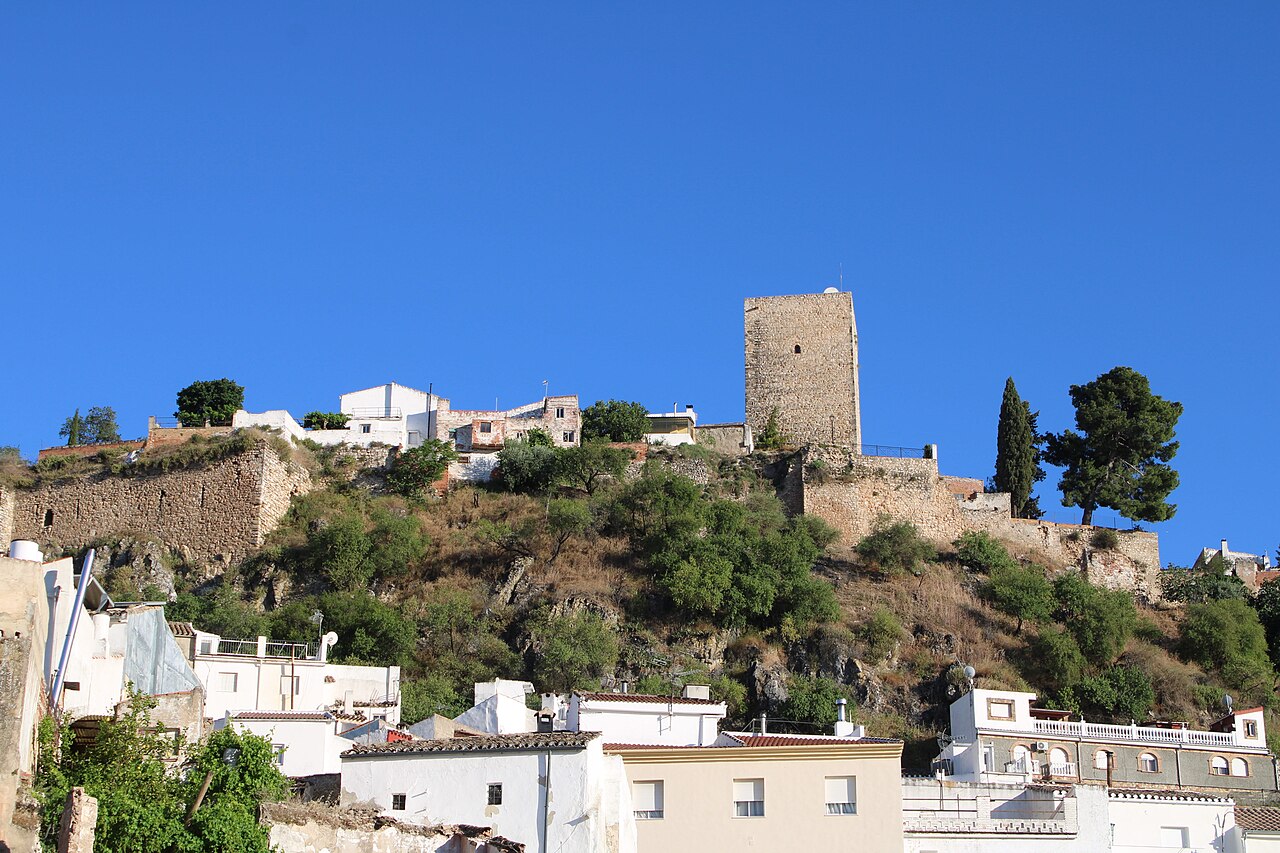
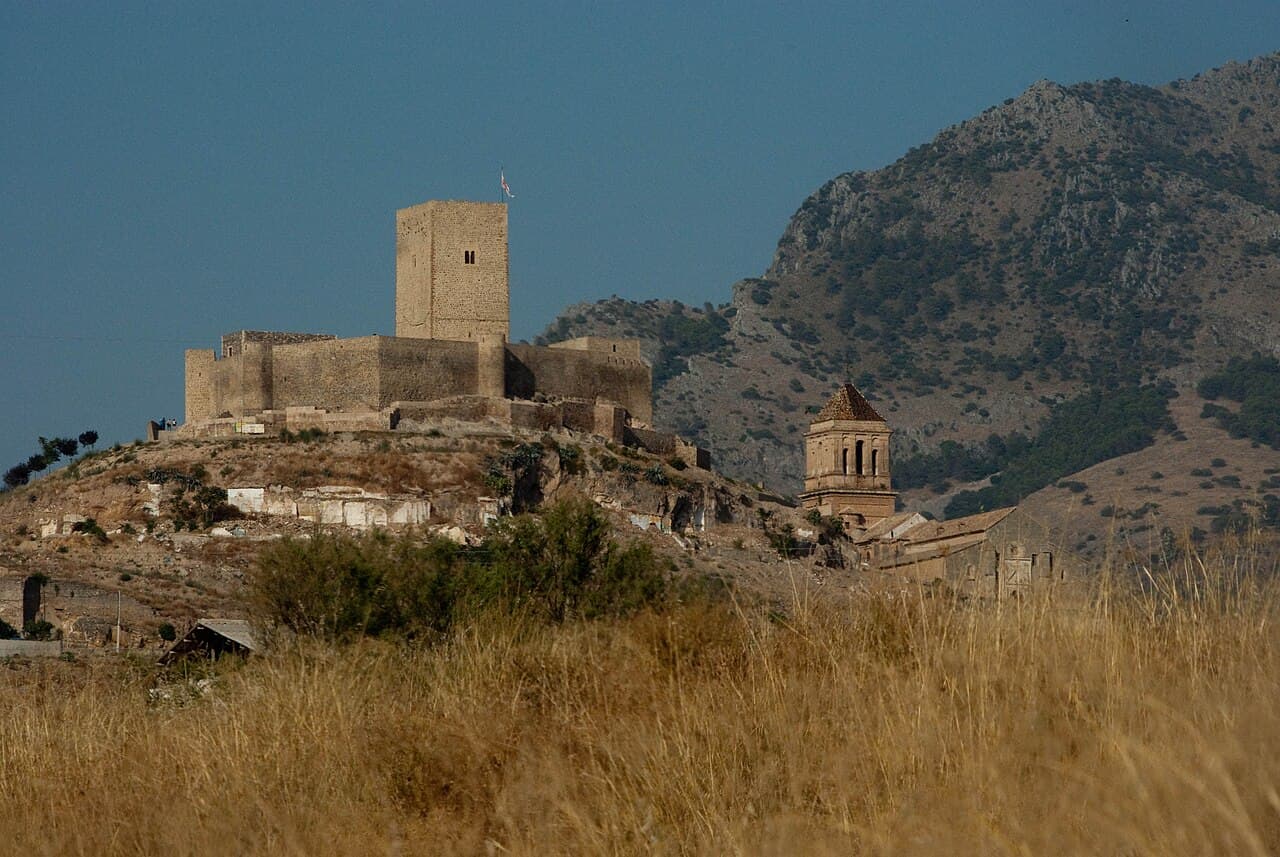
Alcaudete Castle is a historically significant hill castle located in the town of Alcaudete, Spain. Built primarily in the 13th century, the castle stands on a rocky hilltop that once hosted a Roman fortification, later rebuilt by the Arabs. This strategic position overlooking the town and surrounding landscape made it a vital military stronghold during the High Medieval period, especially on the frontier between Christian and Muslim territories in the Iberian Peninsula.
The castle's history is marked by its role in the Reconquista and the complex power struggles between the Kingdom of Castile and the Nasrid Kingdom of Granada. It was first captured by the Christians under Alfonso VI in 1085 but changed hands repeatedly for nearly three centuries. The fortress was permanently secured by Christian forces in 1340. Subsequently, it was entrusted to the Military Order of Calatrava, a religious and military order that played a key role in defending the borderlands.
Architectural design and defensive features
The castle's layout is a distinctive polygonal shape that conforms closely to the natural escarpments of the hill, maximizing its defensive advantage. The complex includes three main sections: the main castle, a fortified barbican outer enclosure, and a lower surrounding enclosure, all integrated into the rocky terrain.
Towers and keep
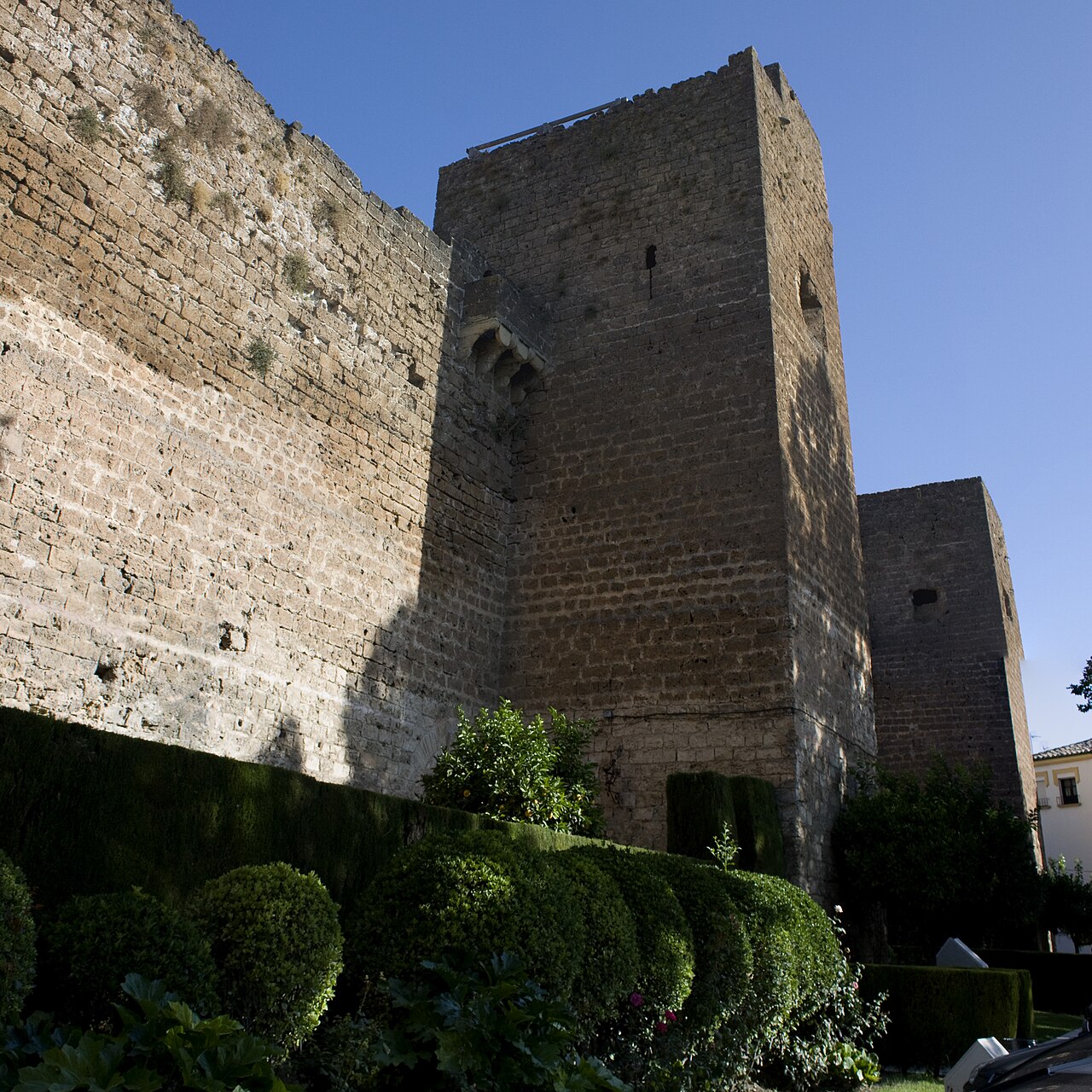
Dominating the fortress is the Tower of Homage or keep, a large rectangular tower with a truncated conical roof. Measuring approximately 13 meters wide by 15 meters long and rising about 20 meters high, the keep is situated on a terrace protected by steep rocky slopes. Its walls are up to three meters thick, providing a formidable last line of defense. The keep's northern entrance is guarded by two additional towers, reinforcing the main gate's security.
Walls and battlements
The castle walls are constructed in three distinct levels. The lowest level forms a solid foundation, while the middle level features small entrances with lowered semicircular arches leading to vaulted rooms equipped with arrow slits. These rooms provided defenders with protected firing positions and ventilation. The upper terrace is lined with parapets featuring merlons and crenellations, allowing defenders to shield themselves while repelling attackers. This multi-tiered design reflects evolving medieval military architecture adapted to the needs of border defense.
Interior spaces
Inside the castle, the Sala Capitular or Chapter Hall is a notable feature. This rectangular chamber is accessed from the upper terrace through a large doorway and is covered by an artesonado wooden ceiling. The ceiling is both decorative and functional, designed to collect rainwater and channel it to the castle's main cistern for storage, demonstrating advanced medieval water management techniques.
The hall connects to the adarve, an elevated walkway along the battlements, which allowed defenders to patrol the perimeter and maintain surveillance. These architectural elements illustrate the castle's dual role as a military fortress and a residence for the knights of the Order of Calatrava.
Historical significance and military role
The castle's strategic importance lay in its position on the volatile border between Christian Castile and the Muslim Nasrid Kingdom of Granada. After its final capture by Christian forces, it became a key defensive outpost managed by the Order of Calatrava. The order fortified the castle extensively, adapting it to withstand sieges and assaults common during the late medieval period.
Throughout the centuries, the castle was involved in numerous military campaigns and border skirmishes, reflecting the broader conflicts of the Reconquista. Its robust fortifications and commanding position made it a formidable obstacle to Nasrid incursions and a symbol of Christian consolidation in southern Spain.
Preservation and current use
In the 20th century, restoration efforts were undertaken to preserve the castle's structural integrity and historical value. Today, the Castillo de Alcaudete is well maintained and serves as a cultural and tourism site. It houses an Interpretation Centre dedicated to the life and military history of the Order of Calatrava, offering visitors immersive insights into the castle's construction, defensive strategies, and the daily lives of its medieval inhabitants.
The site provides a rich educational experience, allowing visitors to explore the castle's towers, walls, courtyards, and interior chambers. Exhibits include displays of medieval armaments and explanations of the castle's role in border defense. The castle's adaptation to the rugged terrain and its architectural features make it an outstanding example of High Medieval military architecture in Spain.
Frequently asked questions (FAQ)
- How do I get to Alcaudete Castle?
- Alcaudete Castle is located in the town of Alcaudete in Andalusia, Spain. It is accessible by car and local transport from nearby cities such as Jaén. The castle is situated on a hill overlooking the town, with signage directing visitors to the site.
- What are the opening hours of Alcaudete Castle?
- The castle is generally open to visitors during daytime hours, often from 10:00 to 18:00, but it is advisable to check current schedules before planning your visit as hours may vary seasonally or due to special events.
- Is there an admission fee to visit the castle?
- Admission fees may apply, typically a modest charge for adults with discounts for children, seniors, and groups. Some days may offer free entry. It is recommended to verify ticket prices on the official website or local tourism offices.
- What can I see inside Alcaudete Castle?
- Visitors can explore the castle's polygonal walls, six towers including the prominent Tower of Homage, the Chapter Hall with its artesonado ceiling, and the barbican. The Interpretation Centre offers exhibits on the Military Order of Calatrava, medieval armaments, and the castle's historical role.
- Why is Alcaudete Castle historically important?
- Alcaudete Castle was a key defensive fortress on the border between Christian Castile and the Nasrid Kingdom of Granada during the High Medieval period. It played a crucial role in the Reconquista and was managed by the Military Order of Calatrava, making it significant for Spanish medieval military history.
Photo gallery

Information
Sources & official resources
Verify the information above using these authoritative references.
Loading map...
Visitor reviews
No reviews yet. Been here? Write the first review and help other travelers!
Write the first reviewVisited this castle? Share your experience
Your review helps other travelers and adds first-hand knowledge to our encyclopedia.