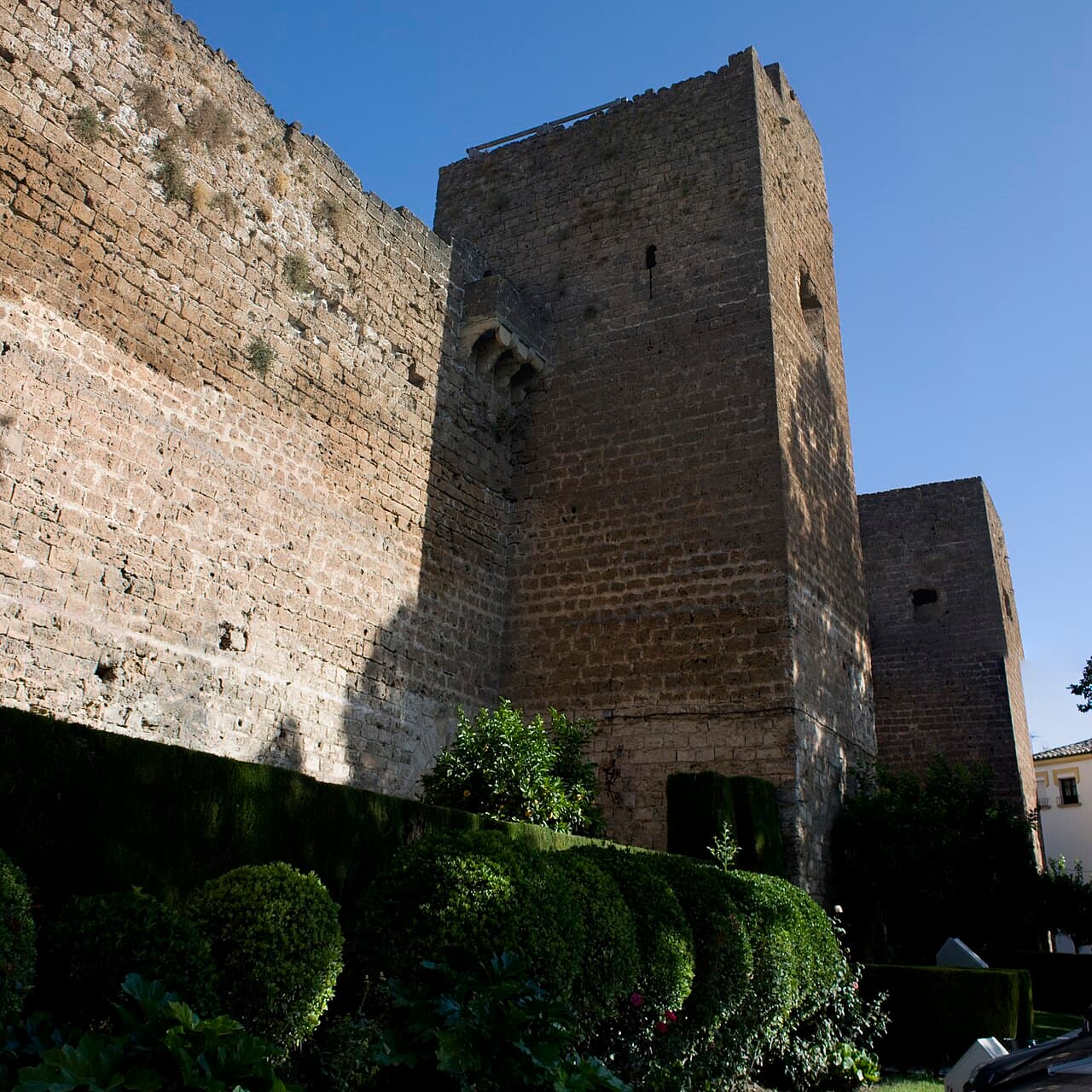
Castillo de Priego de Córdoba
Castillo de Priego de Córdoba is a prominent hill castle located in the town of Priego de Córdoba in the province of Córdoba, southern Spain. Perched atop a rocky promontory, the castle commands expansive views over the surrounding landscape, a strategic location that was crucial for its defensive role throughout history. Its origins trace back to the medieval period, with substantial construction phases occurring during the High Medieval and Late Medieval eras.
The castle's architecture reflects a blend of styles influenced by the various cultures that controlled the region, including Islamic and Christian rulers. The fortress was initially constructed during the Islamic period in Al-Andalus, likely in the 11th century, serving as a defensive stronghold in the turbulent borderlands between Muslim and Christian territories. After the Christian Reconquista, the castle underwent significant modifications, adapting to new military technologies and aesthetic preferences.
Historical background and strategic importance
The Castillo de Priego de Córdoba was a key fortification in the defense of the Kingdom of Castile's southern frontier. Its position atop a hill allowed control over important routes and the surrounding fertile lands. The castle played a vital role during the Reconquista, the centuries-long series of campaigns by Christian states to recapture territory from the Moors.
Throughout the Middle Ages, the castle was involved in various military conflicts, sieges, and power struggles. It was part of a network of fortresses that secured the region against incursions and rebellions. The castle's robust walls and defensive towers were crucial in repelling attacks and securing the safety of the local population.
Architectural features and layout
The castle exemplifies typical hill castle characteristics, utilizing the natural topography for defense. It is surrounded by thick stone walls with battlements and features several towers positioned to maximize coverage of the approaches. The main entrance is fortified with a gatehouse designed to withstand assaults.
Inside, the castle includes a keep or donjon, which served as the last line of defense and the residence of the lord or commander. The internal courtyard contains remnants of living quarters, storage rooms, and possibly a chapel. The castle's design reflects adaptations made over centuries to accommodate evolving military needs, such as the introduction of artillery in the late medieval period.
Defensive structures
The defensive system includes curtain walls with crenellations, battlements, and arrow slits that allowed defenders to fire on attackers while remaining protected. The towers are strategically placed to cover blind spots and provide overlapping fields of fire. The castle's elevation and steep surrounding slopes further enhanced its defensibility.
Architectural influences
The castle's architecture reveals a fusion of Islamic military design and later Christian modifications. The original fortress likely featured elements typical of Moorish fortifications, such as horseshoe arches and thick walls built with rammed earth and stone. After the Reconquista, Christian builders reinforced the structure with additional stonework and introduced Gothic elements in some of the surviving architectural details.
Preservation and current condition
Today, Castillo de Priego de Córdoba stands as a partially preserved monument. While some sections of the walls and towers remain intact, other parts have suffered from centuries of neglect and natural erosion. Restoration efforts have been undertaken to stabilize the ruins and make the site accessible to visitors.
The castle is an important cultural heritage site in the region, attracting tourists interested in medieval history and architecture. Its commanding position offers panoramic views of the town of Priego de Córdoba and the surrounding countryside, making it a popular destination for photography and historical tours.
Visiting information and tourism
Visitors to Castillo de Priego de Córdoba can explore the castle grounds and appreciate the blend of architectural styles and historical layers. The site is open to the public, with guided tours available during certain times of the year. Informational panels provide context about the castle's history and significance.
The castle's location in the historic town of Priego de Córdoba allows visitors to combine their visit with exploration of local landmarks, including Baroque churches, traditional Andalusian streets, and natural parks nearby.
Accessibility and amenities
The castle is accessible by foot from the town center, with paths leading up to the hilltop. Due to the uneven terrain and steep slopes, visitors should wear appropriate footwear. Facilities at the site are limited but include basic seating areas and viewpoints.
Best time to visit
The best time to visit is during spring and autumn when the weather is mild. Summers can be hot, and winters may be chilly, but the castle's elevated position offers refreshing breezes in warmer months.
Frequently asked questions (FAQ)
- What is the historical significance of Castillo de Priego de Córdoba?
- Castillo de Priego de Córdoba has a rich history that dates back to the medieval period, serving as a strategic fortification during various conflicts. It played a crucial role in the Reconquista, showcasing the architectural styles and military strategies of its time.
- When was Castillo de Priego de Córdoba built?
- The castle was constructed in the 15th century, during a time of significant political and military change in Spain. Over the years, it has undergone various renovations, preserving its historical essence while adapting to modern needs.
- What are the opening hours for Castillo de Priego de Córdoba?
- The castle is open to visitors from 10 AM to 6 PM, Tuesday through Sunday. It is advisable to check for any seasonal changes or special hours during holidays before planning your visit.
- Can I take guided tours of Castillo de Priego de Córdoba?
- Yes, guided tours are available and highly recommended for a comprehensive understanding of the castle's history and architecture. These tours often provide insights into lesser-known facts and stories associated with the castle.
- Is Castillo de Priego de Córdoba accessible for visitors with disabilities?
- The castle has made efforts to improve accessibility, including ramps and designated pathways for easier navigation. However, due to its historical nature, some areas may still present challenges, so it's best to contact the castle administration for specific inquiries.
- What is the best time to visit Castillo de Priego de Córdoba?
- The best time to visit is during the spring and fall when the weather is mild and pleasant. Additionally, these seasons often see fewer crowds, allowing for a more enjoyable experience exploring the castle grounds.
- Are there any nearby attractions to visit along with Castillo de Priego de Córdoba?
- Yes, nearby attractions include the stunning Baroque church of Nuestra Señora de la Asunción and the beautiful natural park of Sierras Subbéticas. These sites provide a perfect complement to your visit to the castle, showcasing the region's cultural and natural beauty.
- What are the ticket prices for Castillo de Priego de Córdoba?
- Ticket prices are generally affordable, with discounts available for students and seniors. Group rates may also apply, and it's a good idea to check the official website for the latest pricing information before your visit.
Photo gallery

Information
Loading map...
Visitor reviews
No reviews yet. Been here? Write the first review and help other travelers!
Write the first reviewVisited this castle? Share your experience
Your review helps other travelers and adds first-hand knowledge to our encyclopedia.



