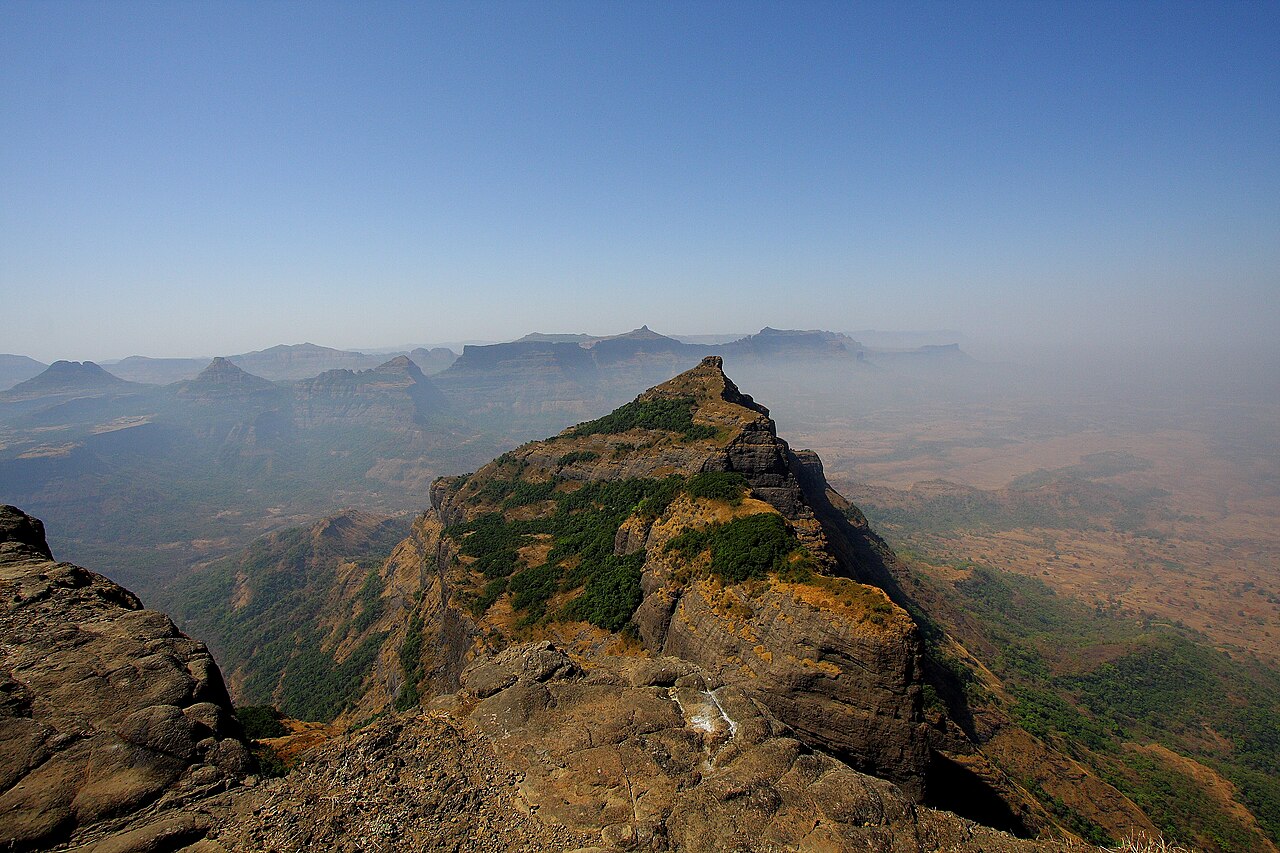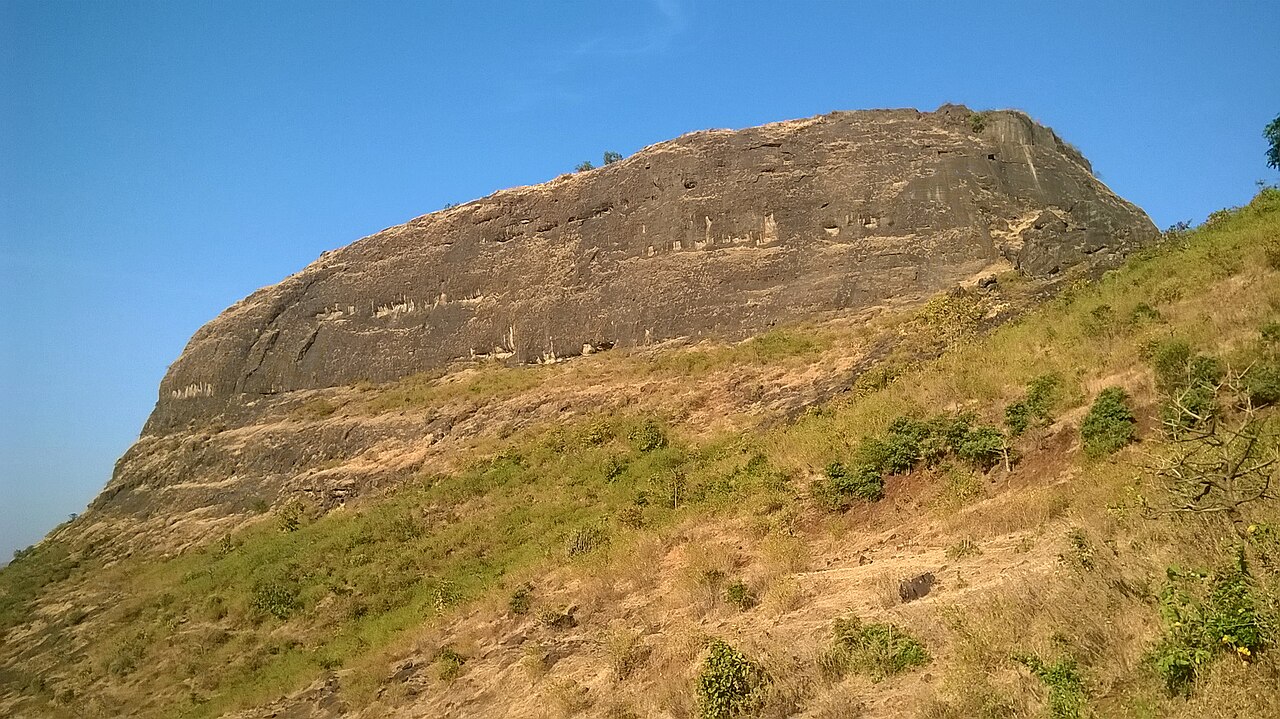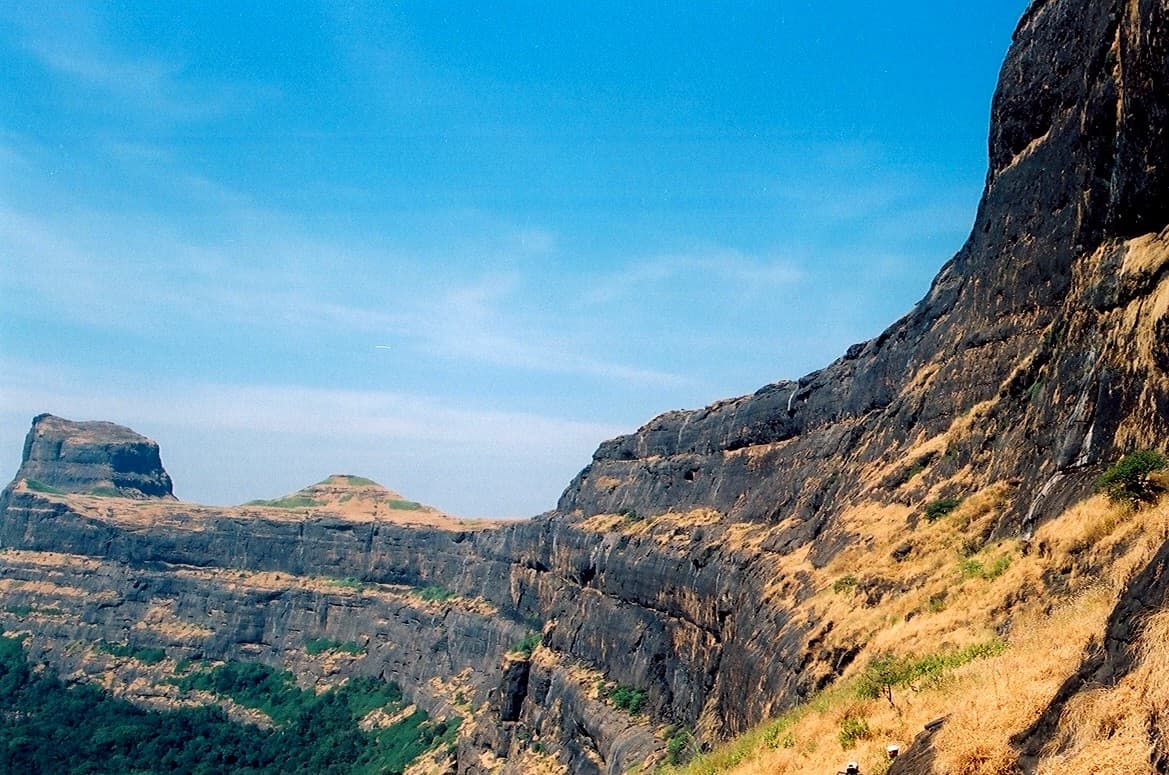
Alang Fort, also known as Alangad or Alang, is a prominent bastioned fortress situated in the Kalsubai range of the Western Ghats mountains in Nashik district, Maharashtra, India. It forms part of the famous Alang-Madan-Kulang (AMK) trek, which is renowned as one of the most challenging and adventurous trekking routes in Maharashtra. This group of forts, including Madangad Fort and Kulang Fort, is linked by rugged trails that test the endurance and skills of even experienced mountaineers and trekkers.
The fort stands on a large natural plateau, providing a strategic vantage point that was historically significant for defense and surveillance. Its location amidst the dense forests and steep cliffs of the Western Ghats adds to its inaccessibility and mystique. The entire region experiences heavy monsoon rains, which further complicate access and make the terrain slippery and hazardous during the rainy season.
Architectural features and fort layout
Alang Fort exemplifies the characteristics of a bastioned fortress, designed to withstand sieges and provide strong defense against invaders. The fort's layout includes remnants of historic buildings scattered across the plateau, indicating its past importance as a military outpost. Among the key features within the fort are two caves capable of sheltering up to 40 people, a small temple that served religious purposes for the garrison, and 11 water cisterns carved into the rock to collect and store rainwater, crucial for sustaining life during prolonged sieges or dry periods.
The fort's natural plateau is surrounded by steep escarpments, which act as natural defenses, making it difficult for enemies to approach unnoticed. The bastions and walls, though now largely in ruins, would have been formidable in their prime, equipped for both defense and surveillance over the surrounding valleys and mountain passes.
Historical context and significance
The exact date of construction of Alang Fort is not precisely documented, but it is generally attributed to the Medieval period when many such forts were built or enhanced by regional rulers to control trade routes and defend territories. The fort's strategic location in the Western Ghats allowed control over the surrounding mountain passes and the nearby trade routes connecting the Deccan plateau to the coastal regions.
Throughout history, the fort has witnessed various rulers and conflicts, particularly during the era of the Maratha Empire. It served as a military outpost and refuge, with its difficult terrain providing natural protection against invasions. The fort's challenging access and natural defenses made it less vulnerable to capture compared to other forts in the region.
The challenging trek and modern-day significance
The trek to Alang Fort is considered one of the most demanding in Maharashtra, attracting adventure enthusiasts and experienced trekkers. The route is characterized by dense forests, steep ascents, narrow pathways, and stretches that require careful navigation, especially during the monsoon season when the terrain becomes slippery and waterlogged.
The Maharashtra Culture Government website highlights the difficulty of the Alang-Madan-Kulang trek, emphasizing the need for proper preparation, physical fitness, and experience in mountaineering techniques. Due to the fort's remote location, trekkers are advised to carry sufficient food, water, and camping equipment for a safe round trip.
Besides its adventure appeal, the fort offers breathtaking views of the surrounding peaks such as Kalasubai (the highest peak in Maharashtra), Aundh Fort, Patta, Bitangad, Harihar, Trymbakgad, Anjaneri, Harishchandragad, Aajobagad, Khutta, and Ratangad. These views make the trek not only a physical challenge but also a scenic and culturally enriching experience.
Natural environment and biodiversity
The fort is located within the Western Ghats, a UNESCO World Heritage site known for its rich biodiversity and unique ecosystems. The dense forests around the fort are home to various species of flora and fauna, including several endemic and endangered species. The monsoon rains transform the landscape into lush greenery, enhancing the natural beauty of the trek and the fort itself.
Facilities and visitor information
Due to its remote and rugged nature, Alang Fort does not have extensive visitor facilities. There are no permanent accommodations or food services on the fort, so visitors must be self-sufficient. The two caves on the fort provide basic shelter for trekkers who choose to camp overnight.
Visitors should plan their trek carefully, considering weather conditions and physical preparedness. The best time to visit is during the post-monsoon months when the weather is clearer and the trails are less slippery. Despite the challenges, the fort remains a popular destination for those seeking adventure, history, and natural beauty.
Frequently asked questions (FAQ)
- What is the historical significance of Alang Fort?
- Alang Fort, located in India, is renowned for its rich history and strategic importance during various dynasties. It served as a military stronghold and is linked to the Maratha Empire, showcasing the region's historical military architecture and heritage.
- When was Alang Fort built?
- Alang Fort was constructed in the 16th century, reflecting the architectural style of the period. Its construction was aimed at safeguarding trade routes and controlling the surrounding region, making it a vital location during its time.
- How do I get to Alang Fort?
- To reach Alang Fort, visitors can travel to the nearest town and then trek through scenic trails leading to the fort. Public transportation options include buses or taxis, and guided tours are also available for a more informative experience.
- What are the opening hours for Alang Fort?
- Alang Fort is generally open to visitors from sunrise to sunset. However, it's advisable to check local conditions or any updates on visiting hours before planning your trip.
- Is it possible to explore the architecture of Alang Fort?
- Yes, exploring Alang Fort's architecture is one of the highlights of visiting. The fort features impressive stone walls, bastions, and ancient structures that reflect the military engineering of its time.
- Can I visit Alang Fort year-round?
- You can visit Alang Fort year-round, but the best time is typically from October to March when the weather is cooler and more comfortable for trekking. Monsoon season can make trails slippery and challenging.
- What are some nearby attractions to Alang Fort?
- Nearby attractions include other historical forts and scenic viewpoints that offer breathtaking views of the surrounding landscape. Local villages and cultural sites provide opportunities to experience the rich heritage of the region.
- What are the ticket prices for visiting Alang Fort?
- Entry to Alang Fort is generally free, but some areas might have nominal fees for maintenance or guided tours. It’s a good idea to check for any updates on fees before your visit.
- Is there accessibility for differently-abled visitors at Alang Fort?
- Alang Fort is primarily a trekking destination, and the rugged terrain may pose challenges for differently-abled visitors. It's recommended to plan ahead and consider the level of physical ability required to explore the fort.

Information
Loading map...
Visitor reviews
No reviews yet. Been here? Write the first review and help other travelers!
Write the first reviewVisited this castle? Share your experience
Your review helps other travelers and adds first-hand knowledge to our encyclopedia.