Al Murabba Fort
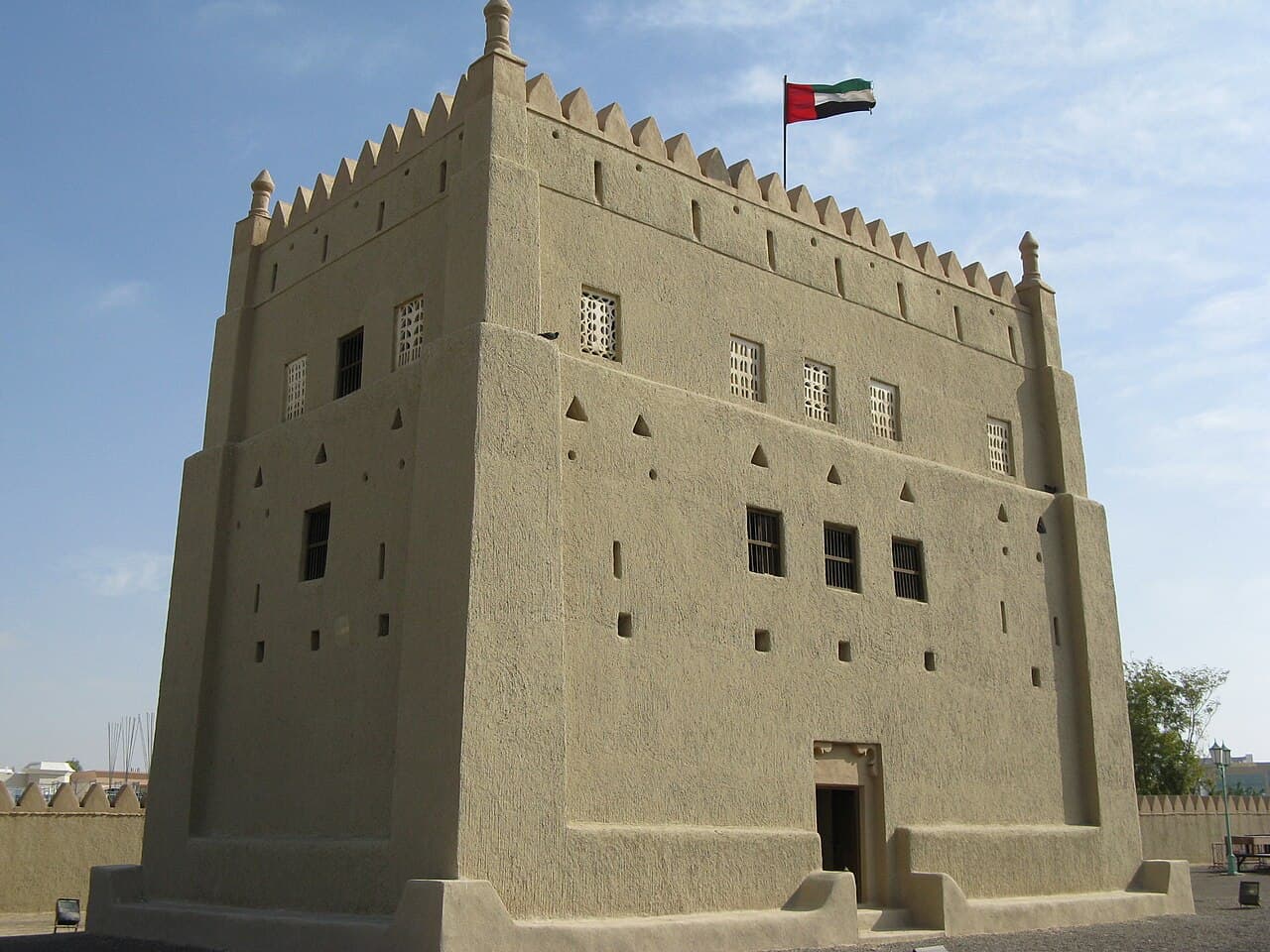
Al Murabba Fort is a historic bastioned fortress located in the city of Al Ain, within the emirate of Abu Dhabi in the United Arab Emirates. Constructed in 1948 under the direction of Sheikh Zayed bin Sultan Al Nahyan, the fort originally began as a simple rectangular tower designed to serve as a watchtower and guard quarters. Over time, the structure evolved to fulfill multiple roles, including housing the local administration and functioning as a police post during the 1950s.
Historical context and regional significance
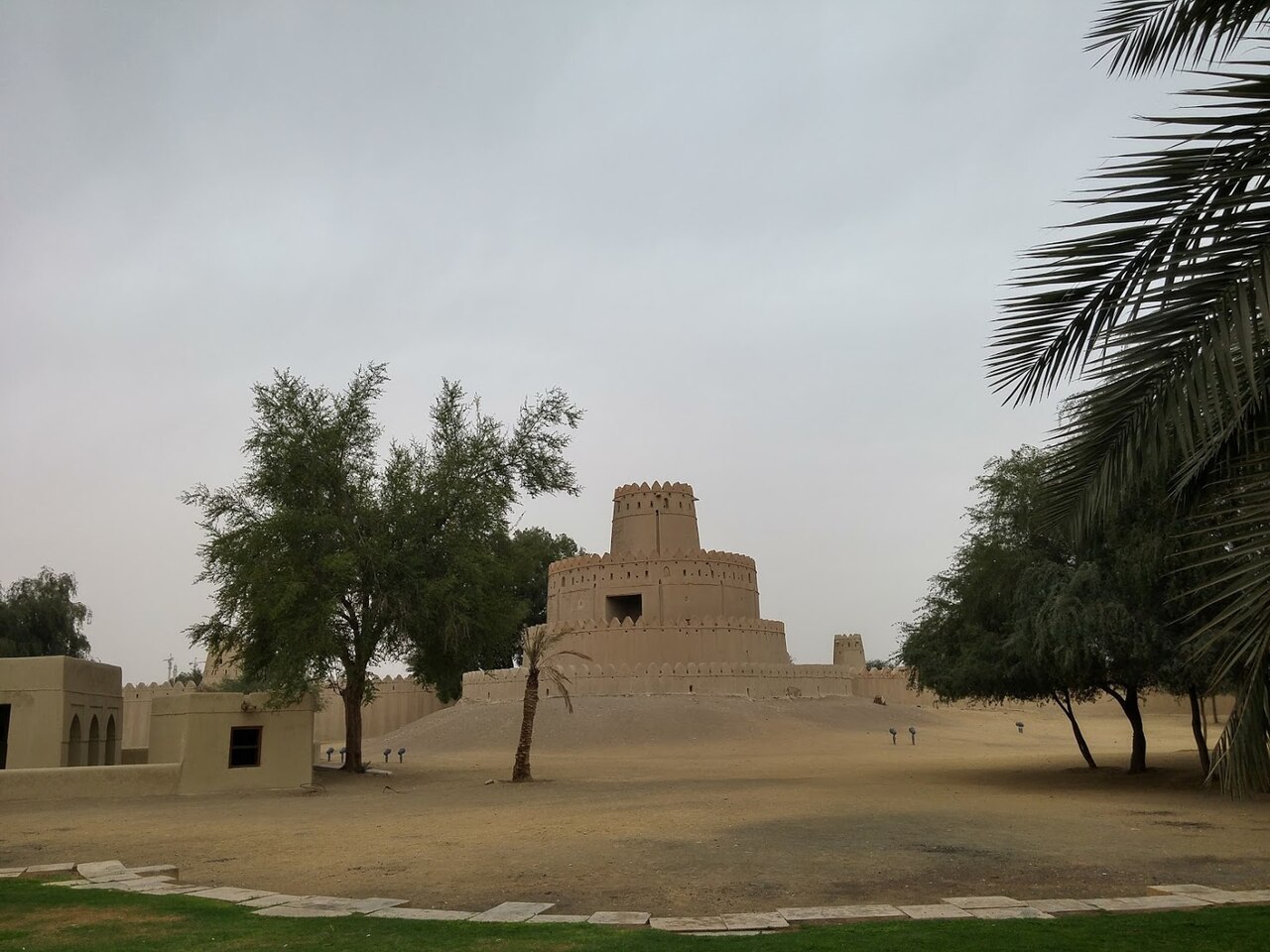
The area encompassing Al Ain and the neighboring town of Al Buraimi in Oman was historically known as the Al Buraimi Oasis, a fertile region centered around several oases north of the Jebel Hafeet mountain. This oasis complex, spanning approximately 24 square kilometers, was a vital settlement area in the otherwise harsh desert environment. Throughout the late 19th and early 20th centuries, a network of forts and towers was established by the rulers of Abu Dhabi to assert control over these western oases and to protect the inhabitants from bandit raids.
In 1952, the region witnessed a significant conflict when Saudi forces attempted to seize control of the Al Ain forts to annex the oasis into Saudi Arabia. The Trucial Oman Scouts and the army of Muscat-Oman intervened, successfully reclaiming the area. British diplomatic and military involvement led to the surrender of the Saudi forces, stabilizing the border region.
Following the formation of the United Arab Emirates in 1971, the border between Abu Dhabi and Oman was formally demarcated. This division resulted in the separation of the original oasis area into the Emirati city of Al Ain and the Omani town of Al Buraimi. Since then, Al Ain has experienced rapid urban development and growth, becoming a significant city, while Al Buraimi remains a quieter town.
Architectural development of Al Murabba Fort
When first constructed in 1948, Al Murabba Fort consisted solely of the rectangular tower, which functioned primarily as a watchtower and a guardhouse. This initial design reflected the modest defensive needs of the time, focused on surveillance and protection of the immediate area.
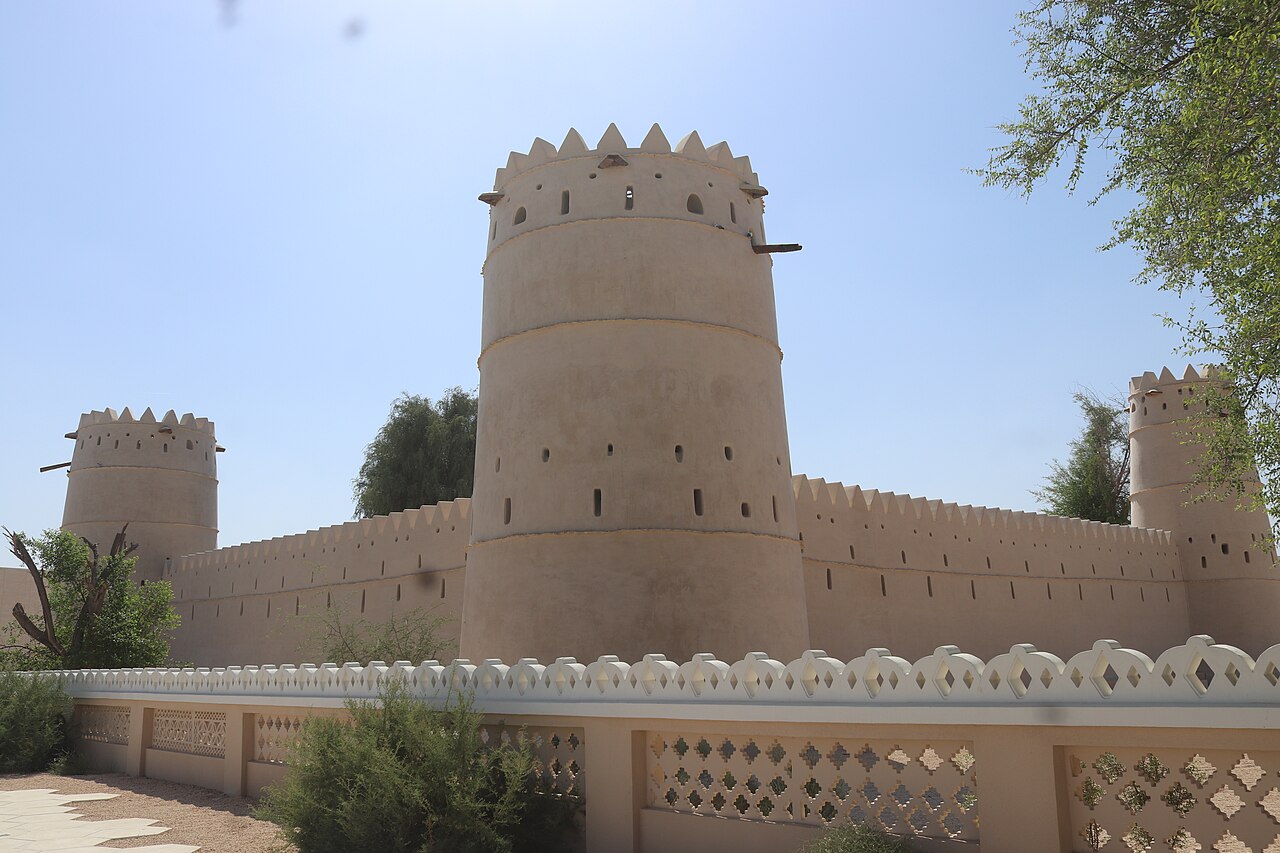
By the late 1960s, the fort underwent significant expansion with the addition of a defensive wall enclosing the tower. This modification transformed the site into a larger fortified complex featuring a spacious rectangular courtyard. The fort's architecture embodies typical features of a bastioned fortress, including thick walls designed to withstand attacks and provide strategic defense points.
The fort's role also expanded beyond military functions, serving as the local administrative center for Al Ain. During the 1950s, the tower was repurposed as a police post, known locally as Murabbat Zayed, reflecting its importance in maintaining law and order in the region.
Current status and preservation
Today, Al Murabba Fort is undergoing restoration work to preserve its historical and architectural integrity. The site is currently closed to visitors during this period, limiting access to those interested in exploring its heritage firsthand. The restoration aims to maintain the fort's structural stability and enhance its presentation for future educational and cultural purposes.
The fort is located near the prominent Al Hosn Fort, another significant historical landmark in the region, which offers visitors insight into the broader defensive and administrative history of Abu Dhabi and its surrounding areas.
Architectural features and layout
The fort's original rectangular tower is characterized by its sturdy construction and simple geometric form, typical of mid-20th-century defensive architecture in the region. The later addition of the enclosing walls created a fortified courtyard, providing a secure area for guards and administrative activities.
The bastioned design includes angled walls that allow defenders to cover multiple approaches, a common feature in fortifications intended to repel attacks from various directions. The fort's strategic placement in Al Ain allowed it to oversee the surrounding oasis and act as an early warning post against potential threats.
Materials and construction techniques
Construction materials used in Al Murabba Fort include traditional mudbrick and stone, combined with more modern building methods available during the mid-20th century. These materials provided durability suited to the desert climate while maintaining the aesthetic and functional qualities of regional fortifications.
Al Murabba Fort's role in regional heritage
The fort stands as a testament to the efforts of Sheikh Zayed bin Sultan Al Nahyan to consolidate control over the Al Ain area and to provide security and governance to its inhabitants. Its evolution from a simple watchtower to a fortified administrative center reflects the changing political and social landscape of the region during the mid-1900s.
As part of the broader network of forts in the UAE, Al Murabba Fort contributes to understanding the historical defense strategies and settlement patterns in the Arabian Peninsula. Its preservation ensures that future generations can appreciate the architectural and historical legacy of this important period.
Frequently asked questions (FAQ)
- When was Al Murabba Fort built and by whom?
- Al Murabba Fort was built in 1948 by Sheikh Zayed bin Sultan Al Nahyan as a watchtower and guard quarters.
- What was the original purpose of Al Murabba Fort?
- The fort originally served as a watchtower and quarters for guards to protect the Al Ain oasis area.
- Why is Al Murabba Fort currently closed to visitors?
- The fort is currently closed due to ongoing restoration work aimed at preserving its historical and architectural features.
- How did Al Murabba Fort contribute to the defense of Al Ain?
- Al Murabba Fort was part of a network of forts protecting the Al Ain oasis from bandits and external threats, especially during conflicts in the 1950s.
- What architectural features characterize Al Murabba Fort?
- The fort features a rectangular tower and later additions of defensive walls forming a bastioned fortress with a large rectangular courtyard.
Photo gallery

Information
Address
137th Street / Zayed Bin Sultan Street, Al Ain, Abu Dhabi, United Arab Emirates
Loading map...
Visitor reviews
No reviews yet. Been here? Write the first review and help other travelers!
Write the first reviewVisited this castle? Share your experience
Your review helps other travelers and adds first-hand knowledge to our encyclopedia.