Al Hosn Fort
Al Hosn Fort, also known as Sultan Fort or Eastern Fort, is a historic bastioned fortress located in the city of Al Ain, within the emirate of Abu Dhabi in the United Arab Emirates. Constructed around 1910 by Sheikh Sultan bin Zayed bin Khalifa Al Nahyan, the fort served as a critical stronghold protecting the Al Ain Oasis and asserting control over the region during a period of tribal conflicts and territorial disputes in the early 20th century.
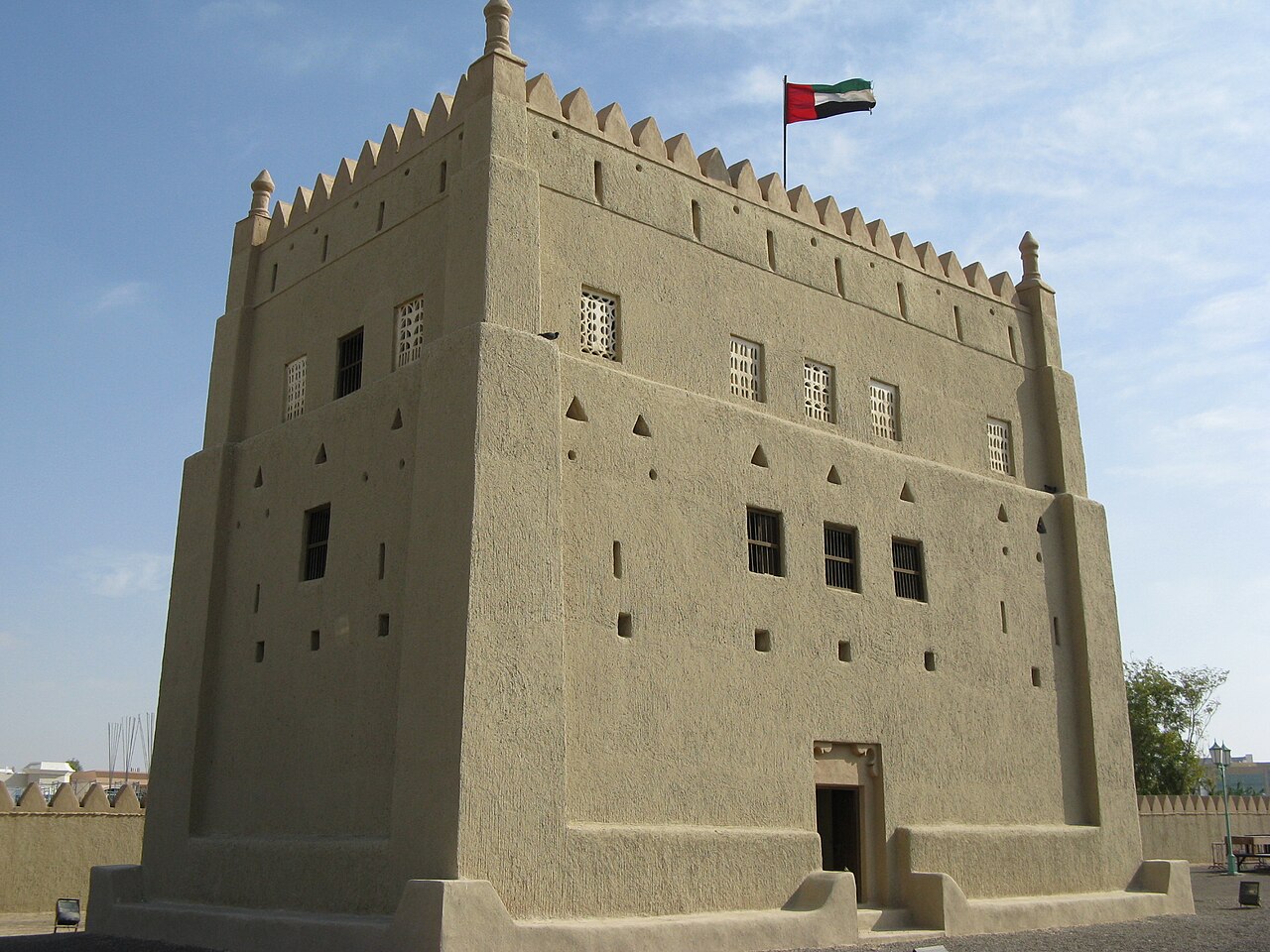
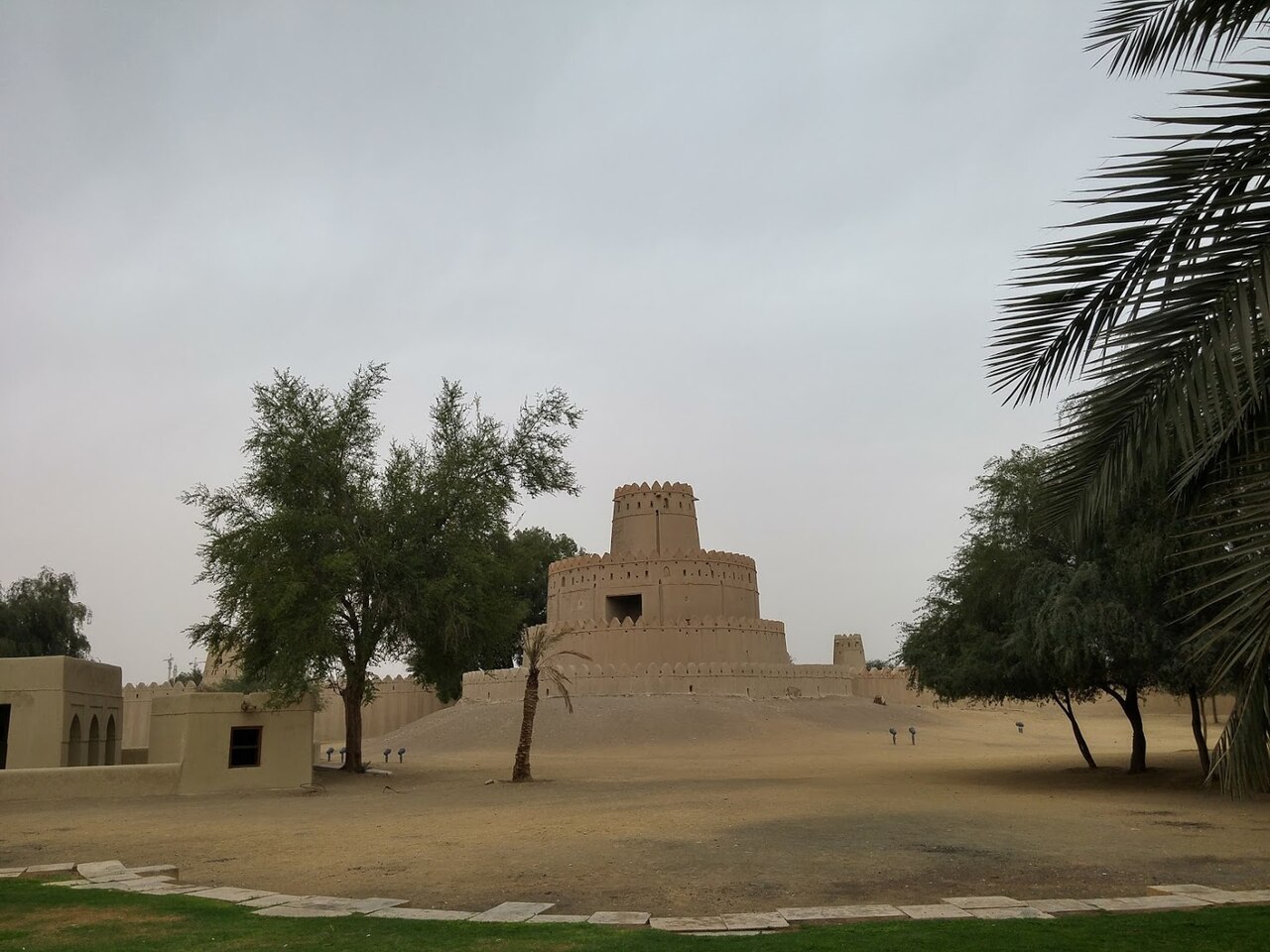
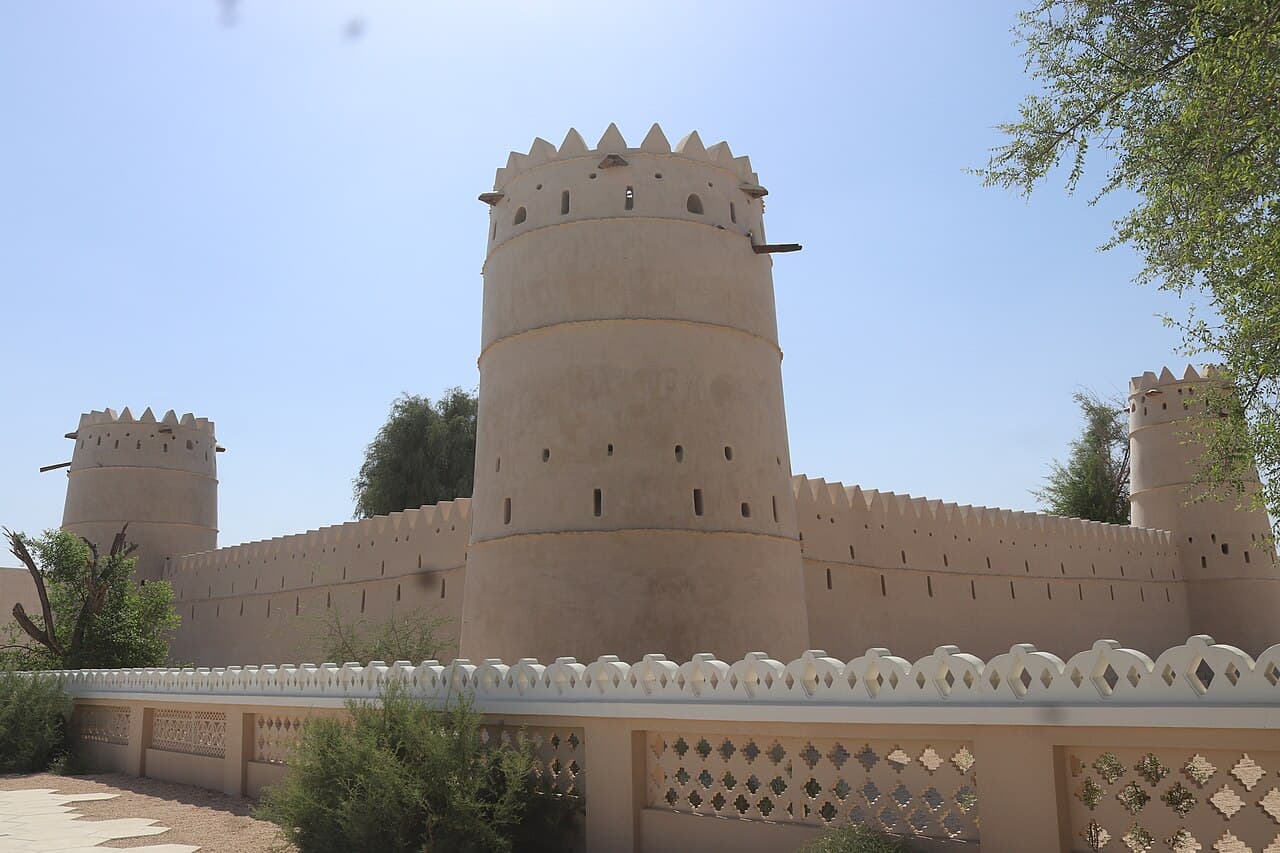
The fort stands as a testament to the traditional mudbrick architecture common in the region at the time, featuring a square ground plan with round towers at three of its corners. The walls were constructed using mud bricks and cob, with palm tree trunks supporting the ceilings and gypsum plaster used for decorative details. Its bent entrance design was a defensive feature intended to slow down attackers and provide better protection to the interior. Although the interior spaces are largely closed off to visitors, the fort's exterior remains an important cultural landmark.
Historical context and strategic importance
The area around Al Ain and Al Buraimi was originally a cluster of oases separated by desert, centered near the Jebel Hafeet mountain. This region was historically known as the Al Buraimi Oasis. In the late 19th and early 20th centuries, several forts and watchtowers were constructed in the oases to protect the settlements from raids by bandits and to consolidate control by the ruling families of Abu Dhabi.
In 1952, the region experienced a significant conflict when Saudi Arabian forces attempted to seize control of the Abu Dhabi forts and incorporate the oasis into Saudi territory. The Trucial Oman Scouts and the army of Muscat-Oman intervened to recapture the forts. British diplomatic involvement led to the surrender of Saudi forces, reaffirming the sovereignty of Abu Dhabi over the area.
Following the independence of the United Arab Emirates in 1971, a border agreement between Abu Dhabi and Oman divided the oasis region. The part under Abu Dhabi's control became known as Al Ain, which rapidly developed into a significant urban center. The Omani side remained as the quieter town of Al Buraimi.
Architectural features and construction
Al Hosn Fort exemplifies traditional defensive architecture of the Arabian Peninsula. Its bastioned fortress design includes a fortified perimeter with thick walls made from mud bricks, a material well-suited to the arid climate and readily available in the region. The use of cob and palm tree trunks for structural support reflects local building techniques that combine natural materials for strength and insulation.
The fort's square layout with three round towers at the corners provided vantage points for surveillance and defense. The fourth corner likely housed the main entrance, which is designed as a bent entrance—a common defensive feature in Islamic military architecture intended to prevent direct access and create a choke point for attackers.
Inside, the fort's spaces are mostly closed off, limiting visitor access. However, the fort's exterior walls and towers remain well preserved, showcasing the craftsmanship and defensive priorities of the era. The use of gypsum plaster for detailing adds a subtle decorative element to the otherwise utilitarian structure.
Relationship with nearby forts and oases
Al Hosn Fort was part of a network of fortifications protecting the Al Ain Oasis. Nearby Al Jahili Fort and Al Murabba Fort also played important roles in the defense and administration of the area. Together, these forts helped secure the fertile oasis lands and the vital water resources that supported the local population.
The forts symbolized the authority of the ruling Al Nahyan family and helped maintain stability in a region marked by tribal rivalries and external threats. Their presence contributed to the growth and security of Al Ain, which evolved from a small oasis settlement into a thriving city.
Modern status and visitor information
Today, Al Hosn Fort is located within the grounds of the Al Ain National Museum. Visitors to the museum can explore the fort as part of their visit, providing an opportunity to experience a key piece of the region's cultural heritage. Although the museum facilities are somewhat dated, the fort remains a valuable historical site that offers insight into early 20th-century life and defense in the Arabian Peninsula.
The fort is accessible for a fee included with museum admission. Its preservation allows visitors to appreciate the traditional bastioned fortress architecture and the historical context of the Al Ain Oasis. The site is a notable destination for those interested in the history of the United Arab Emirates and the architectural heritage of the region.
Frequently asked questions (FAQ)
- What is the historical significance of Al Hosn Fort?
- Al Hosn Fort, also known as the Old Fort, is the oldest stone building in Al Ain and serves as a symbol of the UAE's heritage. It was originally built in the late 19th century and has played a crucial role in the defense and governance of the region. Today, it houses the Sheikh Zayed Desert Learning Centre, highlighting its importance in preserving Emirati culture.
- When was Al Hosn Fort built?
- Al Hosn Fort was constructed in 1891, making it a significant historical site in the United Arab Emirates. It has undergone several renovations and restorations since its establishment, preserving its architectural integrity while adapting to modern needs.
- What are the opening hours for Al Hosn Fort?
- Al Hosn Fort is open to visitors from 9:00 AM to 5:00 PM, Saturday through Thursday, and from 2:00 PM to 5:00 PM on Fridays. It's advisable to check the official website for any holiday hours or special events that may affect the opening times.
- Can I visit Al Hosn Fort with children?
- Yes, Al Hosn Fort is family-friendly and offers a great educational experience for children. The fort's exhibits and interactive displays make it an engaging place for young visitors to learn about the history and culture of the UAE.
- Is it possible to take guided tours of Al Hosn Fort?
- Yes, guided tours are available at Al Hosn Fort, providing visitors with detailed insights into its history and architecture. These tours typically last about an hour and can enhance your understanding of the significance of this historic site.
- What is the best time to visit Al Hosn Fort?
- The best time to visit Al Hosn Fort is during the cooler months from October to April. During this period, the weather is more pleasant for exploring the fort and enjoying its outdoor spaces.
- Are there any nearby attractions to Al Hosn Fort?
- Yes, Al Hosn Fort is located near several attractions, including the Al Ain Oasis and the Al Ain National Museum. These sites provide additional opportunities to explore the rich history and culture of Al Ain.
- How much do tickets cost for Al Hosn Fort?
- Entry to Al Hosn Fort is generally free for visitors, making it an accessible attraction for everyone. Special exhibitions or events may have separate fees, so it's a good idea to check in advance for any additional costs.
- How do I get to Al Hosn Fort?
- Al Hosn Fort is easily accessible by car or public transportation in Al Ain. If you are driving, there is ample parking nearby; alternatively, local buses can take you close to the fort for convenience.
Photo gallery

Information
Address
1st Street, Al Ain, Abu Dhabi, United Arab Emirates
Loading map...
Visitor reviews
No reviews yet. Been here? Write the first review and help other travelers!
Write the first reviewVisited this castle? Share your experience
Your review helps other travelers and adds first-hand knowledge to our encyclopedia.