Ahmednagar Fort
Ahmednagar Fort, also known as Ahmadnagar Qila, is a significant bastioned fortress located near the Bhingar Nala close to the city of Ahmednagar in the western Indian state of Maharashtra. This imposing fortification served as the capital and headquarters of the Ahmednagar Sultanate, an important medieval kingdom in the Deccan region of India. Constructed in the late 15th century, the fort played a pivotal role in the military and political history of the region during the Late Medieval period.
Historical background and strategic importance
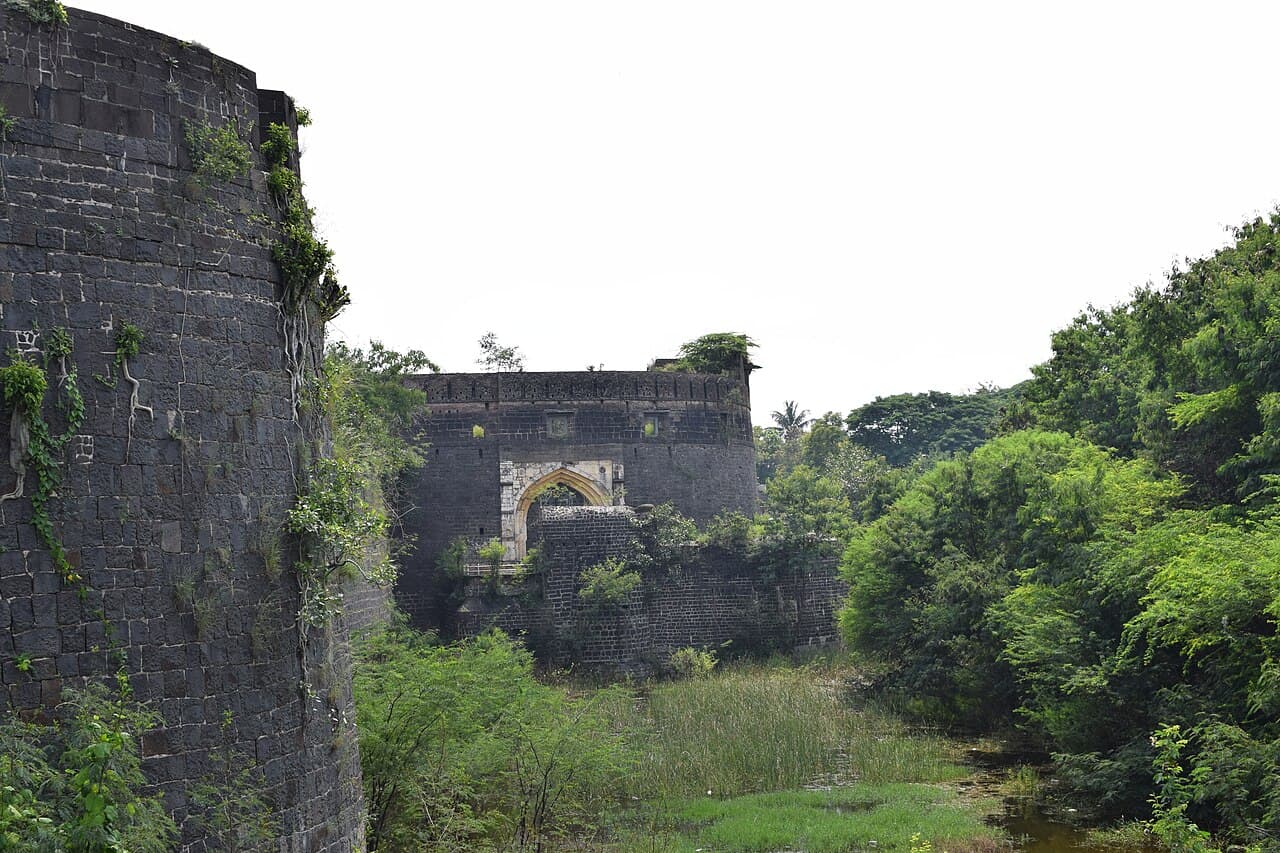
The fort was originally built by Malik Ahmad Nizam Shah I, the founder of the Ahmednagar Sultanate, around 1490. It was designed to serve as a stronghold for the newly established sultanate, which emerged following the decline of the Bahmani Sultanate. Ahmednagar Fort's location near the Bhingar Nala provided a natural defensive advantage, with water sources enhancing its resilience during sieges.
Throughout its history, the fort witnessed numerous conflicts, including battles against the Mughal Empire and the Maratha forces. It was a focal point during the Second Anglo-Maratha War, when in 1803 the British East India Company captured it, marking a significant moment in the colonial expansion of British power in India.
Architectural features and fortifications
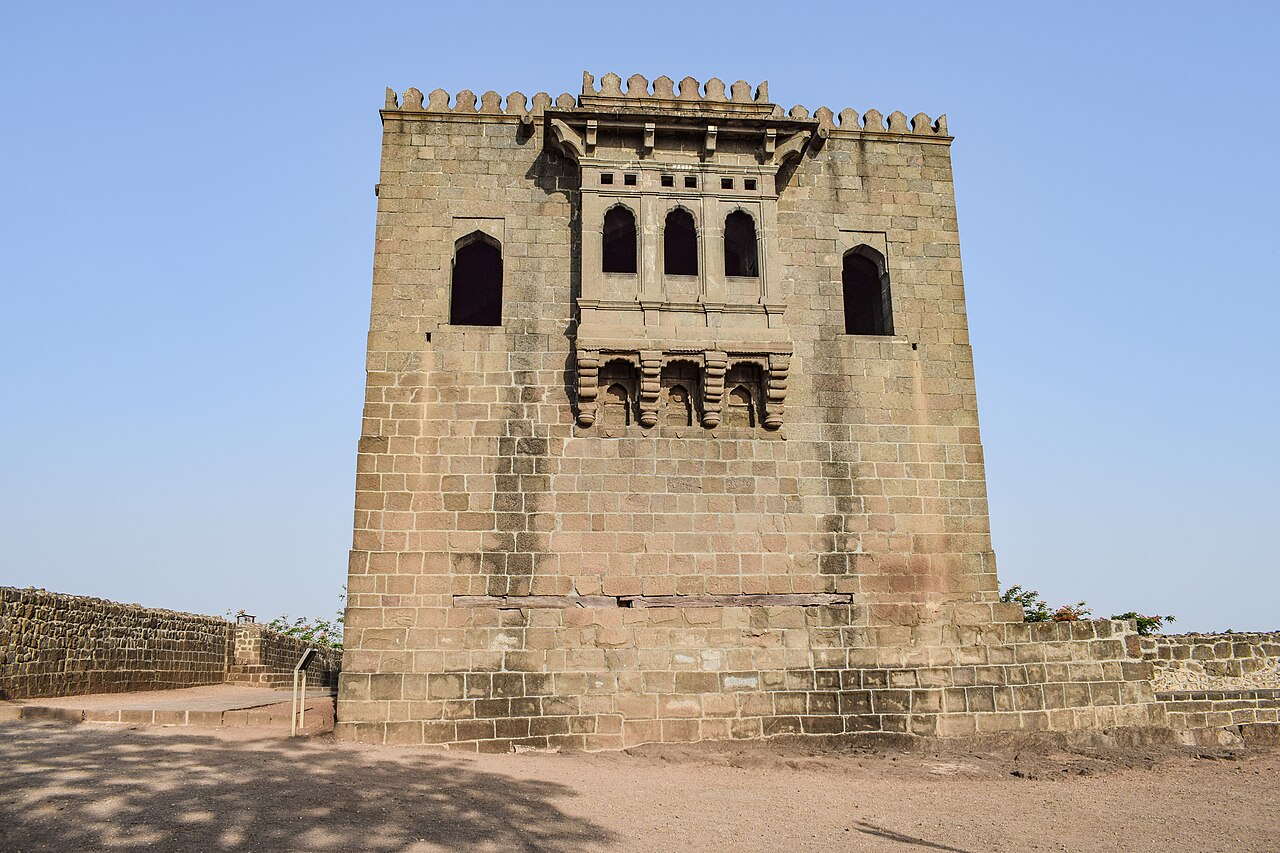
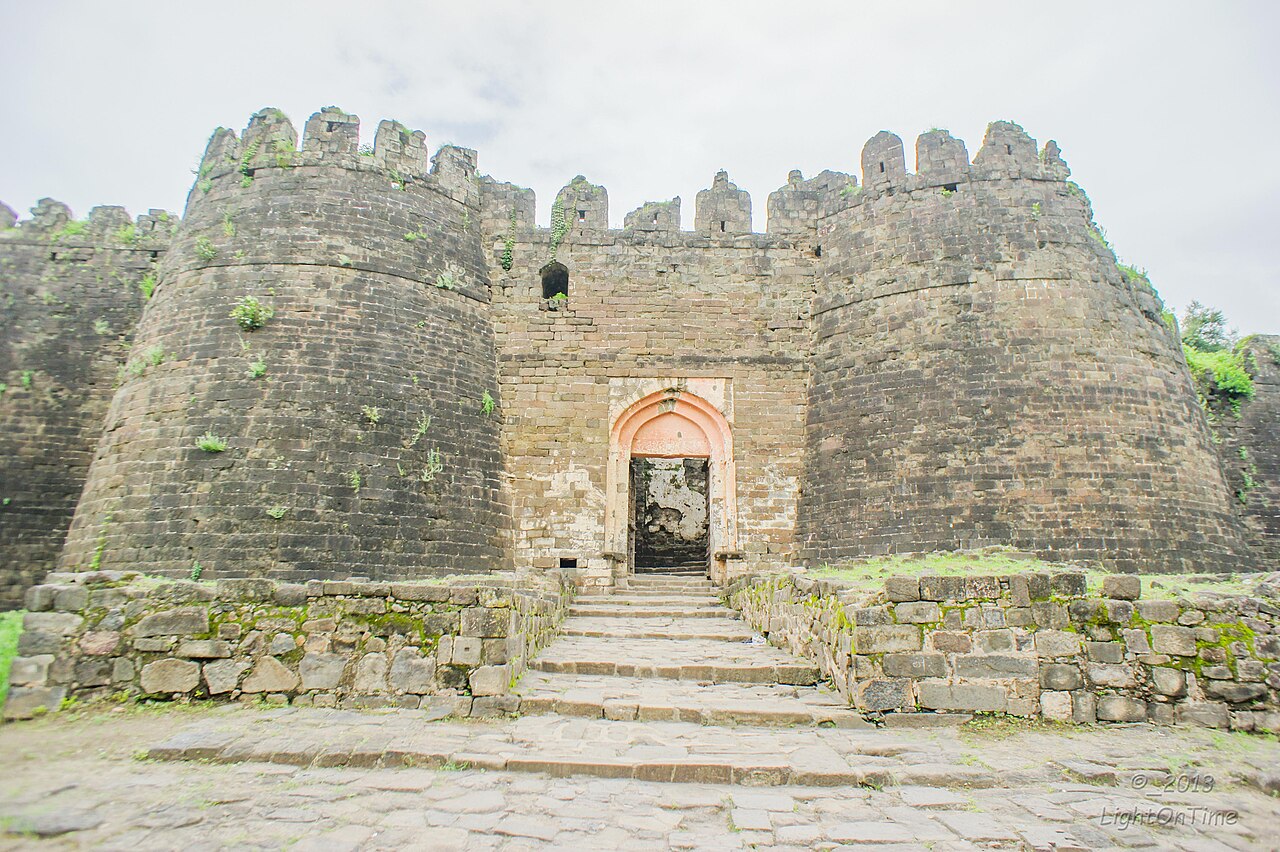
The fort exemplifies the bastioned fortress style, integrating massive stone walls with angular bastions designed to withstand artillery attacks, a feature that reflects the military architectural advancements of the late medieval period. The walls are thick and high, constructed from locally quarried stone, with bastions placed at strategic intervals to allow defenders to cover all approaches with cannon and musket fire.
Inside the fort, there are remnants of palatial structures, mosques, and residential quarters that illustrate the dual military and administrative functions of the fortress. The layout includes a central courtyard surrounded by these buildings, which were once vibrant with the activities of the sultanate's court and military garrison.
Water management was a critical aspect of the fort's design, with several wells and tanks inside the walls ensuring a reliable water supply during sieges. The fort also features multiple gates, each fortified and equipped with defensive mechanisms to slow down and repel attackers.
Use during the british raj and modern status
Following its capture by the British in 1803, Ahmednagar Fort was repurposed as a prison, most notably holding prominent Indian freedom fighters during the struggle against British colonial rule. This period added a layer of historical significance to the fort, connecting it to the broader narrative of India's fight for independence.
Today, the fort remains under the administration of the Armoured Corps of the Indian Army, reflecting its continued strategic importance. While not fully open to the public, the fort stands as a well-preserved example of medieval military architecture in India and is a site of interest for historians and enthusiasts of military fortifications.
Cultural and heritage significance
Ahmednagar Fort is recognized as a monument of considerable cultural heritage in Maharashtra. It represents the architectural and historical legacy of the Ahmednagar Sultanate, which played a crucial role in the Deccan's political landscape during the late medieval period. The fort's robust bastions and intricate internal structures offer valuable insights into the military engineering techniques and urban planning of the era.
Its association with various historical phases—from the sultanate era through the British colonial period—makes it a layered historical site that encapsulates centuries of regional history. Preservation efforts focus on maintaining the structural integrity of the fort while allowing for scholarly research and controlled public access.
Frequently asked questions (FAQ)
- What is the historical significance of Ahmednagar Fort?
- Ahmednagar Fort was the headquarters of the Ahmednagar Sultanate and played a key role in regional conflicts, including the Second Anglo-Maratha War. It also served as a British prison during colonial rule.
- Can visitors tour Ahmednagar Fort?
- The fort is currently under the administration of the Armoured Corps of the Indian Army and is not fully open to the public. Access may be restricted, so it is advisable to check local guidelines before planning a visit.
- What architectural features characterize Ahmednagar Fort?
- Ahmednagar Fort is a bastioned fortress with massive stone walls and angular bastions designed for artillery defense. It includes palatial buildings, mosques, and water management systems within its walls.
- When was Ahmednagar Fort built?
- The fort was constructed around 1490 by Malik Ahmad Nizam Shah I, founder of the Ahmednagar Sultanate, during the late medieval period.
- Why was Ahmednagar Fort important during the British Raj?
- After its capture in 1803, the British used Ahmednagar Fort as a prison, notably detaining Indian freedom fighters. This added to its historical significance as part of India's colonial history.
Photo gallery

Information
Current owner
Armoured Corps of the Indian Army
Loading map...
Visitor reviews
No reviews yet. Been here? Write the first review and help other travelers!
Write the first reviewVisited this castle? Share your experience
Your review helps other travelers and adds first-hand knowledge to our encyclopedia.