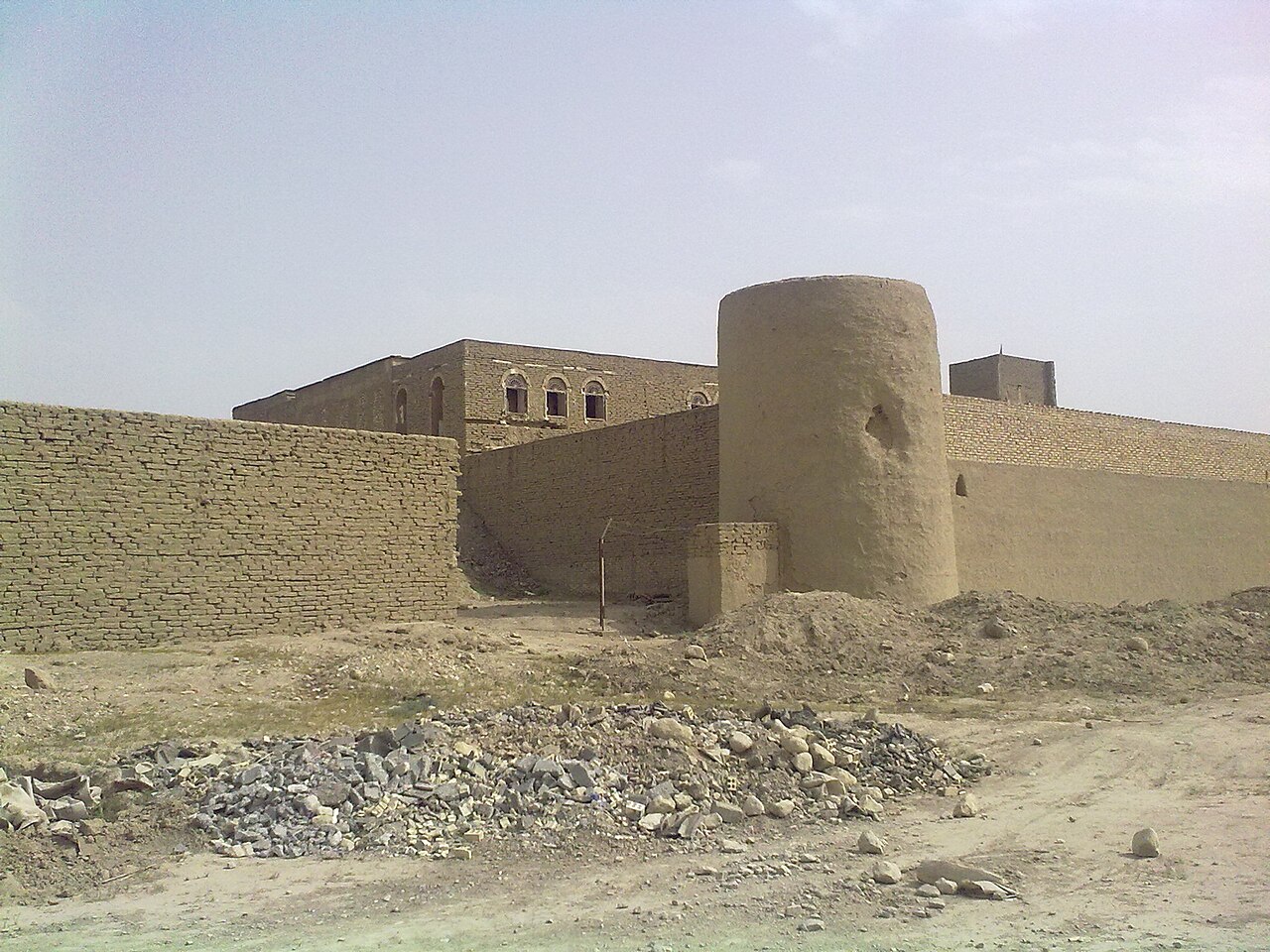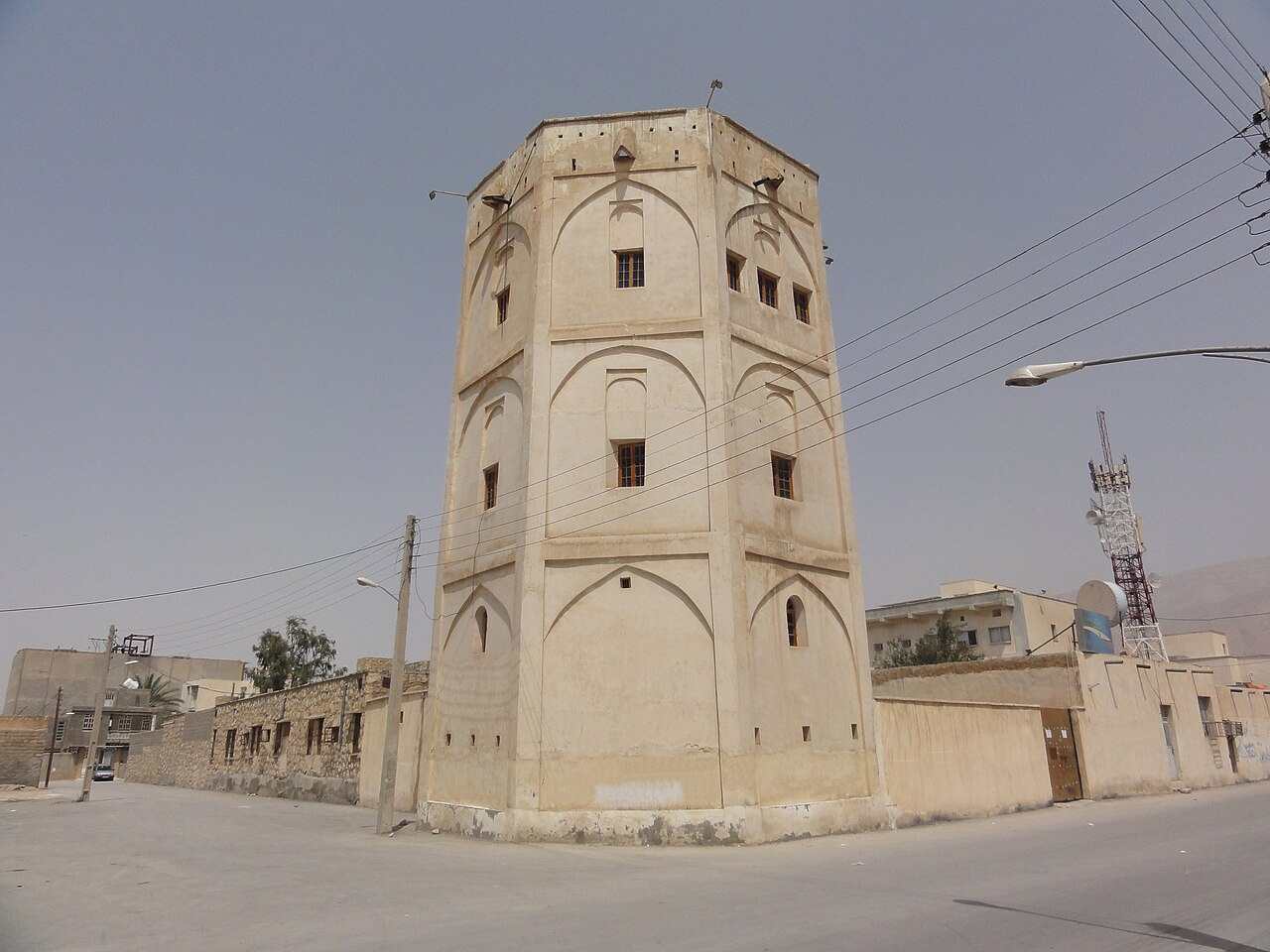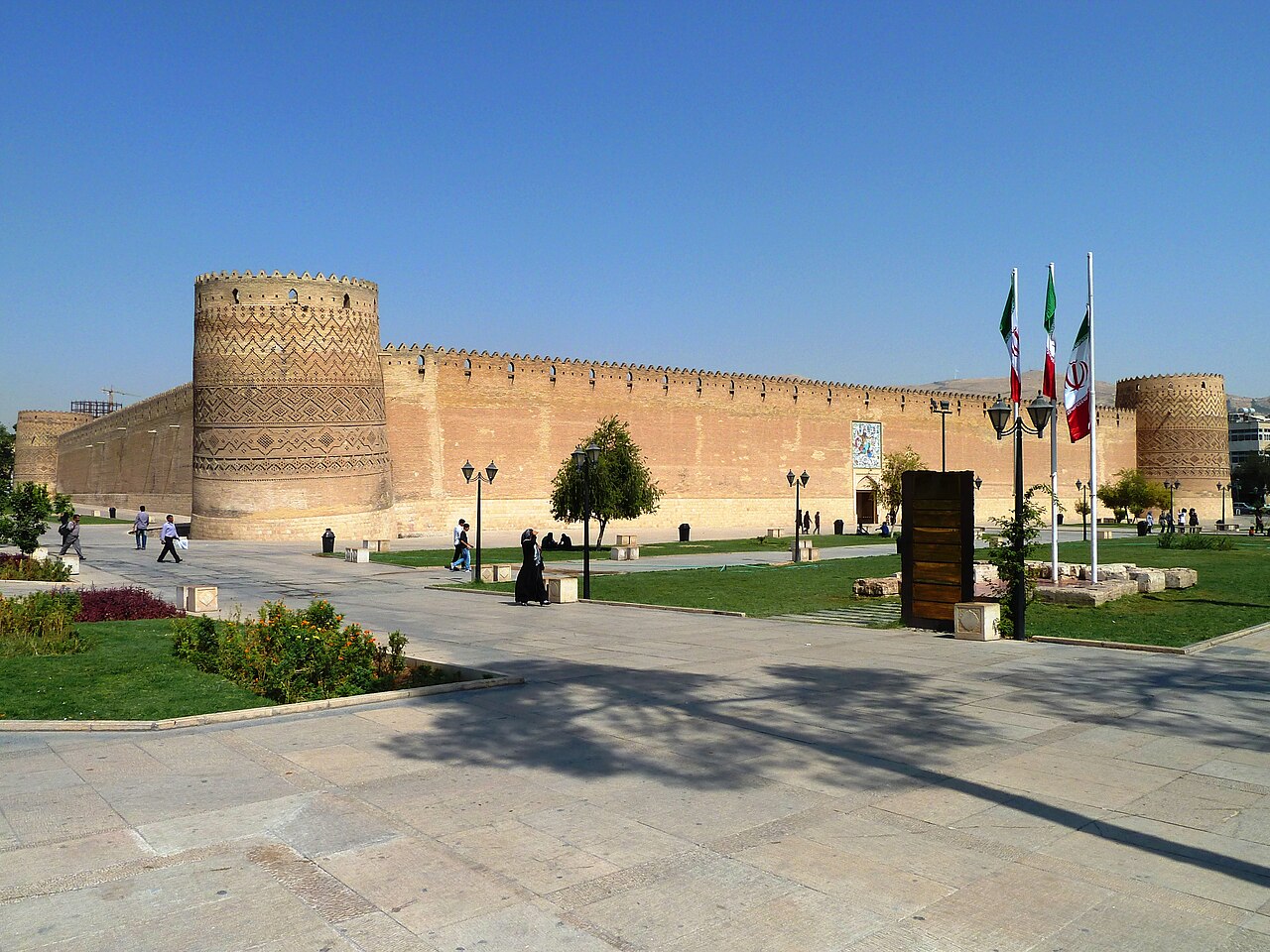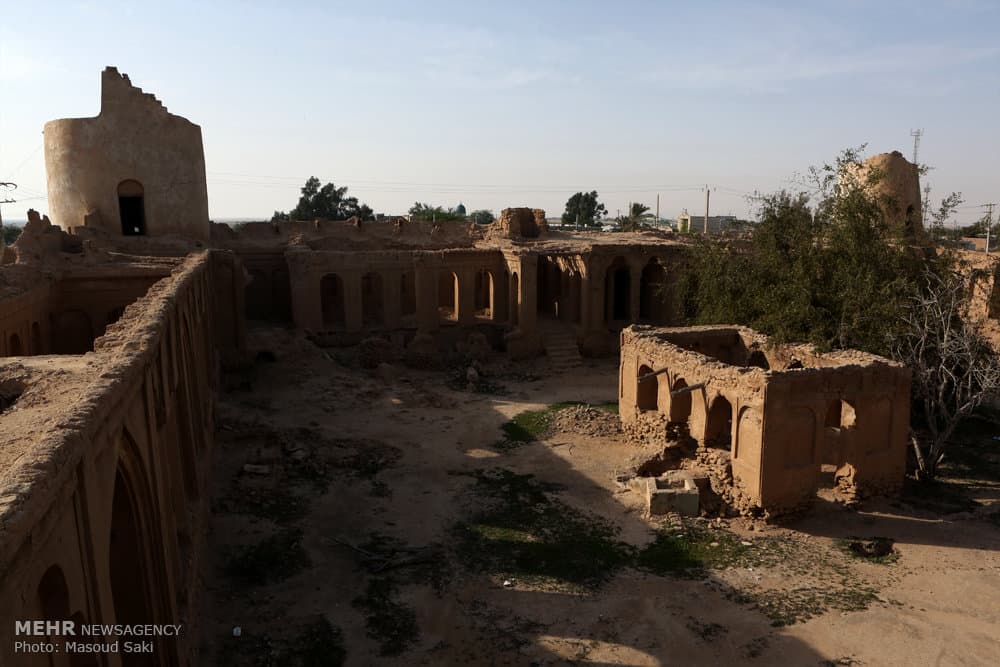
Agha Khan Liravi Castle
Agha Khan Liravi castle is a notable historic fortress situated in Deylam County within the Bushehr province of Iran. This hill castle was constructed during the Qajar era, a period spanning from the late 18th century to the early 20th century, which saw numerous fortifications built or renovated to assert local control and defend strategic locations.
Historical context and significance
The Qajar dynasty ruled Iran from 1789 to 1925, a time marked by internal power struggles and external pressures from colonial powers. Castles like Agha Khan Liravi served as military strongholds and administrative centers for local rulers and tribal leaders. The fortress's location in Deylam County placed it near the Persian Gulf coast, a region of strategic importance for trade and defense.
This castle likely functioned as a regional seat of power for the Liravi tribe or local authorities allied with the Qajar government. Its construction reflects the architectural and defensive priorities of the era, combining traditional Persian fortification elements with adaptations to the local terrain.
Architectural features and design
Agha Khan Liravi castle is characterized by its placement on a hill, which provided a natural vantage point over the surrounding landscape. The elevated position enhanced its defensive capabilities, allowing occupants to monitor approaching forces and control nearby routes.
The castle's walls were likely constructed using locally sourced materials such as stone and brick, typical of Qajar military architecture. Defensive elements would have included battlements, watchtowers, and possibly a moat or other obstacles to deter attackers.
The internal layout probably featured a central courtyard surrounded by residential quarters, storage rooms, and military facilities. The design would have balanced the need for defense with the requirements of daily life for the castle's inhabitants.
The castle's role in regional history
During the Qajar period, fortresses like Agha Khan Liravi played a vital role in maintaining order and protecting territories from rival tribes and external threats. The castle's strategic location near the Persian Gulf also positioned it as a potential point of control over maritime activities and trade routes.
While specific historical events tied to Agha Khan Liravi castle are not well documented, its existence contributes to understanding the military and political landscape of southern Iran during the 19th century.
Preservation and current condition
The castle remains partially preserved, with some sections of its walls and structural elements still visible. Its condition reflects the challenges of maintaining historic fortifications in a region subject to environmental wear and limited restoration resources.
Efforts to study and preserve the castle can provide valuable insights into Qajar-era architecture and the history of Bushehr province. Visitors to the site can appreciate the castle's commanding position and its role in Iran's architectural heritage.
Visiting Agha Khan Liravi castle
Though not widely known internationally, the castle attracts interest from historians, archaeologists, and tourists exploring Iran's rich cultural heritage. Access to the site may be limited due to its location and preservation status, so potential visitors should seek local guidance.
The surrounding region offers additional attractions related to Persian Gulf history and natural landscapes, enhancing the experience of visiting this historic fortress.
Frequently asked questions (FAQ)
- What is the historical significance of Agha Khan Liravi Castle?
- Agha Khan Liravi Castle, located in Deylam County, Iran, is an important historical site that dates back to the Safavid era. It served as a strategic military fortification and a residence for local rulers, reflecting the architectural style and cultural influences of its time.
- When was Agha Khan Liravi Castle built?
- The construction of Agha Khan Liravi Castle is believed to have begun in the early 17th century during the Safavid dynasty. Its design showcases the military architecture of the period, which was essential for defense against invasions.
- Is it possible to visit Agha Khan Liravi Castle?
- Yes, Agha Khan Liravi Castle is open to visitors who wish to explore its historical architecture and scenic surroundings. Visitors are encouraged to check local guidelines and any travel restrictions before planning their visit.
- What are the opening hours for Agha Khan Liravi Castle?
- The castle typically opens to visitors from 9 AM to 5 PM, but hours may vary depending on the season and local holidays. It's advisable to confirm the opening hours before your visit to ensure a smooth experience.
- Can I access Agha Khan Liravi Castle by public transportation?
- While public transportation options may be limited, visitors can reach Agha Khan Liravi Castle via local taxis or by driving. It's recommended to plan your route in advance to ensure easy access to this historical site.
- What is the best time to visit Agha Khan Liravi Castle?
- The best time to visit Agha Khan Liravi Castle is during the spring (March to May) and autumn (September to November) when the weather is mild and pleasant. Visiting during these seasons allows for a more enjoyable exploration of the castle and its surroundings.
- Are there any nearby attractions to Agha Khan Liravi Castle?
- Yes, visitors can explore several nearby attractions, including the beautiful coastal areas of Deylam County and local markets showcasing traditional crafts. The region is rich in culture and history, making it an excellent destination for a full day of exploration.
- What are the ticket prices for visiting Agha Khan Liravi Castle?
- Ticket prices for Agha Khan Liravi Castle are generally affordable, allowing for a budget-friendly visit. It is advisable to check for any recent updates on pricing or special discounts before your trip.
Photo gallery

Information
Loading map...
Visitor reviews
No reviews yet. Been here? Write the first review and help other travelers!
Write the first reviewVisited this castle? Share your experience
Your review helps other travelers and adds first-hand knowledge to our encyclopedia.