Affeton Castle
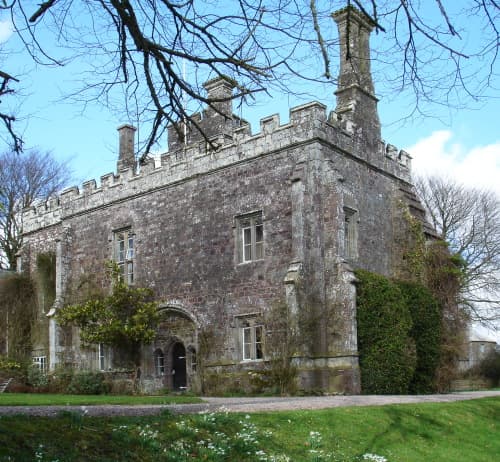
Affeton Castle is a notable example of a late-medieval gatehouse located near East Worlington in Devon, England. Originally part of the fortified manor house of Affeton, the castle was constructed around 1434 by the influential Stucley family. Positioned strategically on the side of a valley overlooking the Little Dart River, the manor house and its gatehouse served both defensive and residential purposes during the 15th century.
Historical background and significance
The manor house to which Affeton Castle belonged was a fortified residence typical of the late-medieval period in England. The Stucley family, who built the manor, were prominent landowners in Devon. The fortified manor reflected the turbulent social and political climate of the time, with many such estates incorporating defensive features to protect against local conflicts and raids.
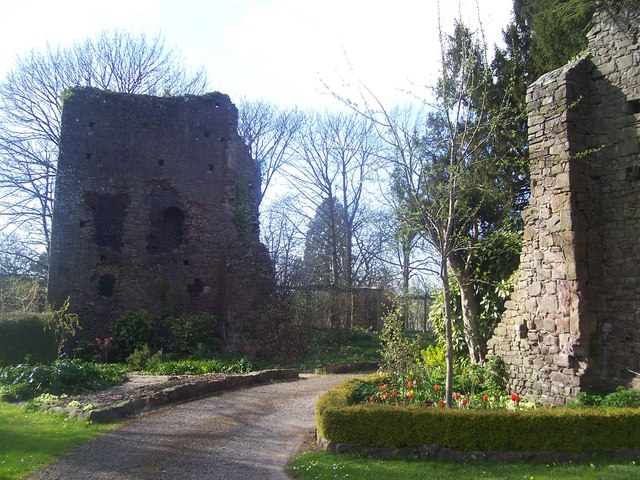
During the English Civil War in the 1640s, the manor house was destroyed, a fate common to many fortified residences caught in the conflict between Royalist and Parliamentarian forces. The gatehouse, however, survived the destruction but fell into disrepair over the following centuries.
Architectural features and restoration
The surviving structure of Affeton Castle is primarily the gatehouse, which measures approximately 60 feet (18 meters) in length and 22 feet (6.7 meters) in width. This gatehouse was originally the main entrance to the manor house complex and featured typical defensive elements such as thick stone walls and narrow openings for defense.
By the early 19th century, the gatehouse was in ruins, reflecting the decline of the estate after the manor's destruction. Between 1868 and 1869, Sir George Stucley, 1st Baronet, undertook a significant restoration of the gatehouse. The restoration transformed the ruin into a shooting box or hunting lodge, adapting the medieval structure for recreational use while preserving its historic character.
In 1956, the building was converted into a private residence for Sir Dennis Stucley, 5th Baronet, continuing the family's association with the site. The careful restoration and adaptive reuse have allowed the gatehouse to survive as a well-preserved example of medieval architecture repurposed for modern needs.
Preservation and heritage status
Affeton Castle is recognized for its historical and architectural importance and is protected as a Grade II* listed building. This status highlights the building's significance as a heritage asset, ensuring its conservation for future generations.
The castle remains a private home, limiting public access, but it stands as a valuable example of the transformation of medieval defensive architecture into a residential and recreational property. Its location near the Little Dart River valley also adds to its picturesque setting within the Devon countryside.
Architectural context and regional significance
Fortified manor houses like Affeton Castle were common in Devon during the late-medieval period, reflecting the need for landowners to defend their estates while maintaining comfortable living quarters. The gatehouse at Affeton is a rare surviving element from such a complex, providing insight into the architectural style and social history of the time.
The restoration by Sir George Stucley in the 19th century is part of a broader Victorian trend to revive and repurpose medieval structures, often romanticizing the medieval past while adapting buildings for contemporary uses such as hunting lodges.
Frequently asked questions (FAQ)
- How do I get to Affeton Castle?
- Affeton Castle is located in the United Kingdom, easily accessible by road. If you are traveling by public transport, the nearest train station is a short drive away, and local buses can also take you close to the castle.
- What is the historical significance of Affeton Castle?
- Affeton Castle dates back to the 13th century and is significant for its impressive medieval architecture and rich history. It was once the residence of the de Affeton family, playing a vital role in local governance and defense during its time.
- When was Affeton Castle built?
- Affeton Castle was constructed in the early 13th century, with its foundation believed to be laid around 1200 AD. Over the centuries, it has undergone various renovations, reflecting different architectural styles and historical periods.
- Can I visit Affeton Castle?
- Yes, Affeton Castle is open to visitors, allowing you to explore its historical grounds and learn about its past. Guided tours are often available, providing insights into the castle's architecture and history.
- Why is the architecture of Affeton Castle noteworthy?
- The architecture of Affeton Castle showcases a blend of medieval defensive structures and later residential features. Its impressive stonework, towers, and surrounding landscape highlight the ingenuity of its builders and the castle's strategic importance.
- Is it possible to host events at Affeton Castle?
- Yes, Affeton Castle can accommodate special events such as weddings, corporate gatherings, and private tours. The stunning backdrop of the castle and its grounds make it a unique venue for memorable occasions.
- What are the opening hours for Affeton Castle?
- Affeton Castle is typically open to the public from 10 AM to 5 PM, with extended hours during the summer months. It's advisable to check the official website or contact the castle directly for the most current opening hours.
- Are there any nearby attractions to Affeton Castle?
- Yes, there are several attractions near Affeton Castle, including beautiful countryside walks, other historical sites, and charming villages. Exploring the surrounding area can enhance your visit and provide a deeper understanding of the region's history.
- What are the ticket prices for visiting Affeton Castle?
- Ticket prices for Affeton Castle vary depending on the season and any special events. Generally, adult tickets are priced around £10, with discounts available for children, students, and seniors.
- What is the best time to visit Affeton Castle?
- The best time to visit Affeton Castle is during the spring and summer months when the weather is pleasant, and the gardens are in full bloom. Additionally, many special events and guided tours are offered during this peak season.
Photo gallery

Information
Loading map...
Visitor reviews
No reviews yet. Been here? Write the first review and help other travelers!
Write the first reviewVisited this castle? Share your experience
Your review helps other travelers and adds first-hand knowledge to our encyclopedia.