Achalm Castle Ruins
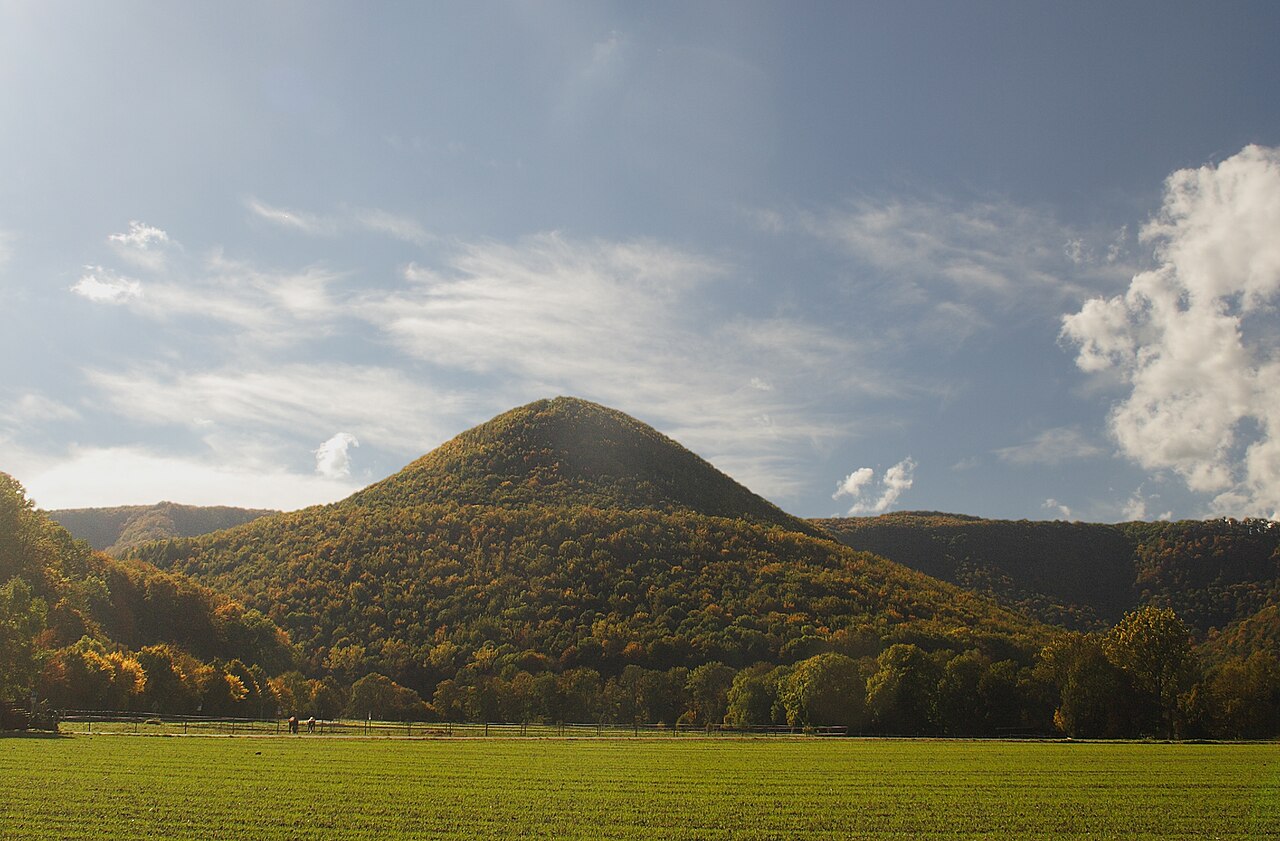
Achalm Castle ruins are perched prominently atop a hill overlooking the towns of Reutlingen and Pfullingen in the Swabian Alb region of Germany. This high medieval fortress was originally constructed around 1030 by Gaugraf Egino and Rudolf of Achalm, marking it as one of the early stone castles in the region. The castle's name likely derives from the nearby stream, the Ach, which itself is a tributary of the River Alm. The strategic hilltop location provided commanding views and defensive advantages over the surrounding landscape.
Early construction and architectural features
The initial construction phase of Achalm Castle included a primary tower keep and defensive walls typical of early medieval fortifications. In the 11th century, the castle was expanded with the addition of a second tower, enhancing its defensive capabilities and residential space. The castle's architecture reflected the transitional style of the period, combining basic stone masonry with wooden elements. The hilltop site classified Achalm as a hill castle, a common medieval strategy to maximize natural defenses.
Ownership and political significance in the high medieval period
The original noble family, the von Achalm, died out shortly after the castle's expansion. Ownership then passed through several hands, including the influential House of Welf. In 1234, during a significant episode of imperial conflict, the castle's owner, Heinrich of Neuffen, sided with King Henry VII, the rebellious son of Holy Roman Emperor Frederick II. After the rebellion was suppressed, Achalm Castle was absorbed into the possessions of the House of Hohenstaufen, the ruling dynasty of the empire at the time.
Later, the castle came under the control of the House of Württemberg. In 1377, Count Ulrich of Württemberg used Achalm as a military base to launch an attack on Reutlingen. However, his forces were defeated by the Swabian Cities League, preserving Reutlingen's status as a Free Imperial City.
Decline and partial destruction
As the military importance of Achalm Castle waned over the centuries, its structures gradually fell into disrepair. The castle suffered significant damage during the Thirty Years' War. In 1650, to prevent enemy forces from using it as a stronghold, the castle was deliberately partially destroyed. Subsequently, its stones were quarried for local building projects, accelerating its ruination.
19th-century revival and preservation efforts
In 1822, the future King and Emperor William I commissioned the construction of a stone lookout tower on the foundations of the original medieval tower. This tower became a prominent landmark visible from the surrounding area. Later, in 1838, the tower was completed and further restored in 1932 to prevent collapse, preserving the site's historical silhouette. Today, the ruins and the lookout tower serve as a cultural monument and a popular destination for visitors interested in medieval architecture and regional history.
Architectural characteristics and site layout
The remaining ruins of Achalm Castle include fragments of defensive walls, foundations of the two main towers, and remnants of the castle courtyard. The stone lookout tower built in the 19th century stands as a testament to the site's enduring significance. The castle's hilltop position provided natural fortification, with steep slopes on several sides and a clear vantage point over the Swabian Alb. The layout reflects typical medieval fortification principles, emphasizing defense and surveillance.
Visiting achalm castle ruins today
Visitors to Achalm Castle ruins can explore the site via hiking trails leading up the hill from Reutlingen and Pfullingen. The lookout tower offers panoramic views of the surrounding landscape, including the Swabian Alb and the Neckar Valley. The site is accessible year-round and provides insight into the region's medieval past and the changing political landscape of southwestern Germany. Informational signage on site helps contextualize the castle's historical phases and architectural evolution.
Frequently asked questions (FAQ)
- How do I get to Achalm Castle ruins?
- Achalm Castle ruins are accessible by hiking trails from the towns of Reutlingen and Pfullingen in Baden-Württemberg, Germany. The trails are well-marked and suitable for most visitors.
- What is the historical significance of Achalm Castle?
- Achalm Castle played a role in medieval regional power struggles, including the rebellion of King Henry VII against Emperor Frederick II. It was controlled by notable dynasties such as the House of Hohenstaufen and Württemberg.
- Can I climb the lookout tower at Achalm Castle?
- Yes, the 19th-century stone lookout tower built on the original medieval tower's foundations is open to visitors and offers panoramic views of the Swabian Alb and surrounding areas.
- When was Achalm Castle partially destroyed?
- The castle was partially destroyed in 1650 during the Thirty Years' War to prevent its use by enemy forces.
- Is there an entrance fee to visit Achalm Castle ruins?
- There is no entrance fee to visit the Achalm Castle ruins; the site is open to the public year-round.
Information
Current owner
Municipality
Loading map...
Visitor reviews
No reviews yet. Been here? Write the first review and help other travelers!
Write the first reviewVisited this castle? Share your experience
Your review helps other travelers and adds first-hand knowledge to our encyclopedia.