Abuli Fortress
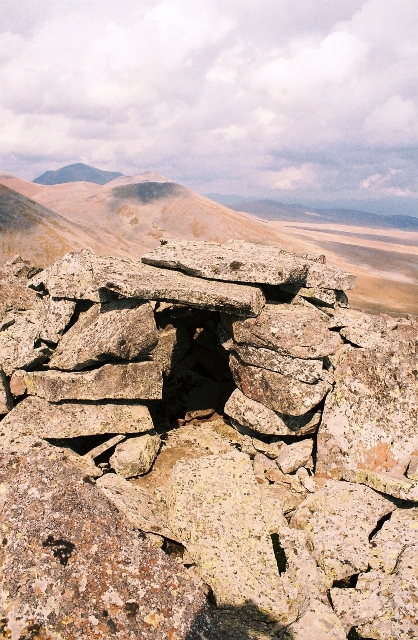
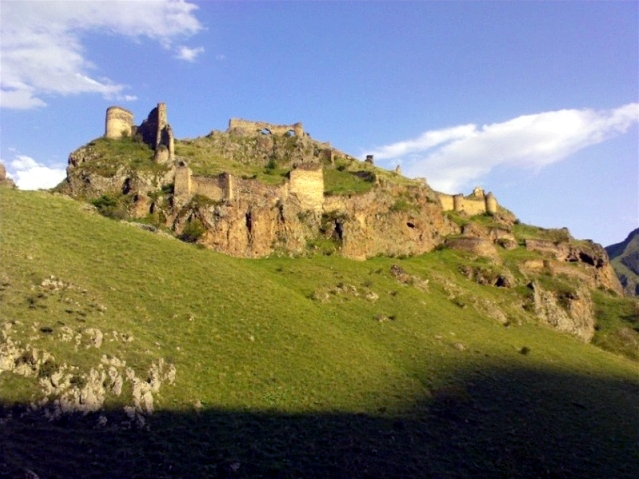
Abuli fortress is a remarkable example of an ancient Bronze Age megalithic structure located on the south slope of Lesser Abuli mountain in the region of Gamdzani, Georgia. Sitting at an altitude of approximately 2500 meters above sea level, this fortress is distinguished by its unique ring-shaped layout, which is a characteristic feature of many prehistoric fortifications in the Caucasus region. Despite its imposing presence, the fortress remains one of the most mysterious and least studied archaeological sites from the Bronze Age in Georgia.
Architectural features and layout
The ring-shaped fortress encloses a central area where remnants of a tower and living quarters can be identified. This suggests that the site was not only a defensive stronghold but also supported habitation. The construction techniques involve large megalithic stones carefully placed to form the defensive walls, a typical method for fortifications of this period. The presence of a tower within the walls indicates a strategic vantage point for surveillance and defense.
Location and environmental context
Abuli fortress is situated in a challenging environment, with no current water sources nearby, which would have made permanent settlement difficult under today's climatic conditions. The fortress's elevation and exposure to cold temperatures imply that the site was likely used during a time when the climate was warmer and more hospitable, allowing for human activity on the Javakheti plateau. The plateau itself is dotted with ruins from various epochs, indicating a long history of human presence in the area.
Historical significance
The fortress dates back to the Bronze Age, a period marked by significant developments in metallurgy, social organization, and fortification architecture. While no extensive archaeological excavations have been conducted at Abuli, the structure's form and location provide valuable insights into the defensive strategies and settlement patterns of ancient communities in the Caucasus. The lack of cultural layers discovered so far suggests that more detailed archaeological work is needed to fully understand the site's history and usage.
Access and tourism
Visitors interested in exploring Abuli fortress typically begin their journey from the nearby village of Gandzani. Access involves driving along a dirt road that passes through a mountain pass and circles the hill of Abuli from the south. From there, visitors must continue on foot, with a hike to the fortress summit taking approximately one hour. For those starting directly from Gandzani on foot, the trek can last between six to eight hours, offering an adventurous experience through the rugged landscape.
Guided tours and exploration
Tours to Abuli fortress can be arranged in cooperation with local experts such as Alex Mukhranov, who has extensively explored the site and documented it through photography. These guided visits provide valuable context and help visitors appreciate the fortress's historical and architectural significance.
Preservation and research potential
Currently, Abuli fortress remains in a state that could be described as partially preserved, with much of its original structure still visible but lacking comprehensive archaeological study. The absence of serious excavations means that many questions about the fortress's construction, use, and the people who built it remain unanswered. Given its altitude and challenging environment, the fortress offers a unique opportunity for future research into Bronze Age fortifications and settlement in high-altitude contexts.
In summary, Abuli fortress stands as a significant yet enigmatic monument from the Bronze Age in Georgia. Its megalithic ring design, strategic location, and connection to the broader prehistoric landscape of the Javakheti plateau make it a site of considerable archaeological and cultural interest. Continued research and preservation efforts will be essential to uncover the full story of this ancient fortress and its role in the history of the Caucasus region.
Frequently asked questions (FAQ)
- How do I get to Abuli Fortress?
- Abuli Fortress is located in Gamdzani, Georgia, and can be accessed by car or public transport from nearby cities. The nearest major town is Akhaltsikhe, from where you can take a taxi or a local bus to reach the fortress. The journey offers scenic views of the surrounding countryside.
- What is the historical significance of Abuli Fortress?
- Abuli Fortress dates back to the 9th century and played a crucial role in the defense of the region against invasions. It was strategically located to control trade routes and served as a stronghold for various dynasties throughout history. Today, it stands as a testament to the region's rich heritage and architectural prowess.
- When was Abuli Fortress constructed?
- The construction of Abuli Fortress began in the 9th century, during the time of the Kingdom of Georgia. Over the centuries, it underwent various renovations and expansions, reflecting the architectural styles of different periods. Its enduring structure showcases the historical significance of military architecture in Georgia.
- Can I visit Abuli Fortress year-round?
- Yes, Abuli Fortress is accessible to visitors throughout the year, although the best time to visit is during the spring and fall when the weather is mild and pleasant. It's advisable to check local weather conditions, especially in winter, as snow may make access challenging. Always plan your visit accordingly to enjoy the surroundings fully.
- Why is Abuli Fortress a popular tourist attraction?
- Abuli Fortress attracts visitors due to its impressive architecture, stunning panoramic views, and rich history. It offers a glimpse into the medieval past of Georgia and is a perfect spot for photography and exploration. Additionally, its relatively remote location provides a peaceful escape from the hustle and bustle of modern life.
- Is it possible to explore the interior of the fortress?
- Yes, visitors can explore the interior of Abuli Fortress, including its towers and walls. While some areas may require careful navigation due to uneven terrain, guided tours are available to enhance your experience and provide historical context. Make sure to wear appropriate footwear for a comfortable visit.
- What are the opening hours for Abuli Fortress?
- Abuli Fortress is generally open to visitors from sunrise to sunset, allowing ample time to explore the site. However, it's advisable to check local resources or visitor information for any seasonal changes in hours. Arriving early can help you avoid crowds and enjoy a more intimate experience.
- Are there any nearby attractions to visit after Abuli Fortress?
- Yes, there are several nearby attractions worth visiting, including the historical town of Akhaltsikhe and the Rabati Castle. Additionally, the picturesque landscapes of the surrounding region offer opportunities for hiking and outdoor activities. Combining these visits can create a fulfilling day trip in Georgia.
- What are the ticket prices for visiting Abuli Fortress?
- Entry to Abuli Fortress is typically free, which makes it an affordable destination for travelers. However, guided tours may have associated costs, providing insights into the fortress's history and architecture. It's best to confirm any fees or tour options upon your arrival.
Information
Loading map...
Visitor reviews
No reviews yet. Been here? Write the first review and help other travelers!
Write the first reviewVisited this castle? Share your experience
Your review helps other travelers and adds first-hand knowledge to our encyclopedia.