Historical background and significance
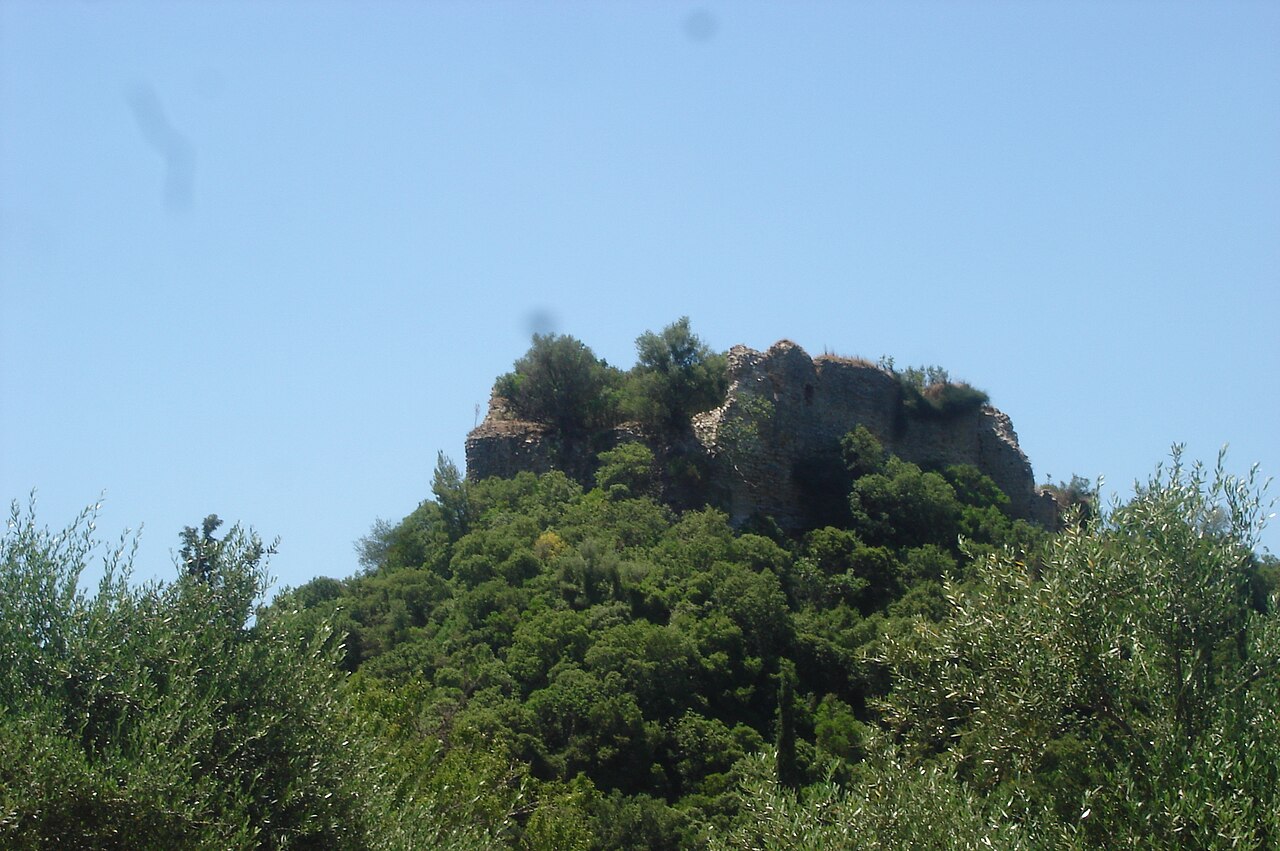
The castle likely dates back to the High Medieval period, a time when fortifications were essential for controlling territories and protecting local populations. Hill castles such as Ochia were commonly constructed between the 11th and 14th centuries, serving as military strongholds and administrative centers. The castle's position would have allowed for surveillance over surrounding lands, crucial for early warning against invasions or raids.
Architectural features and construction
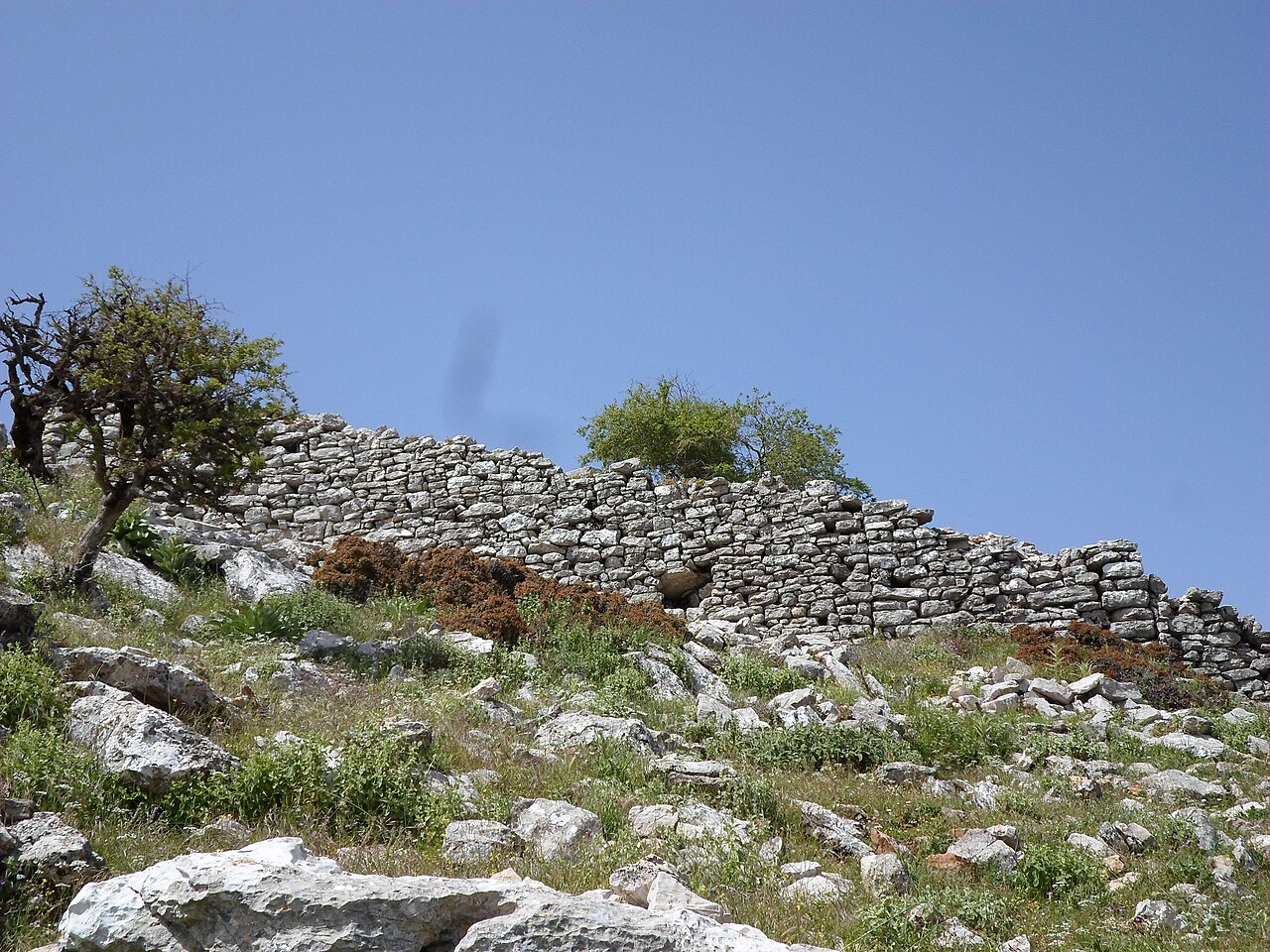
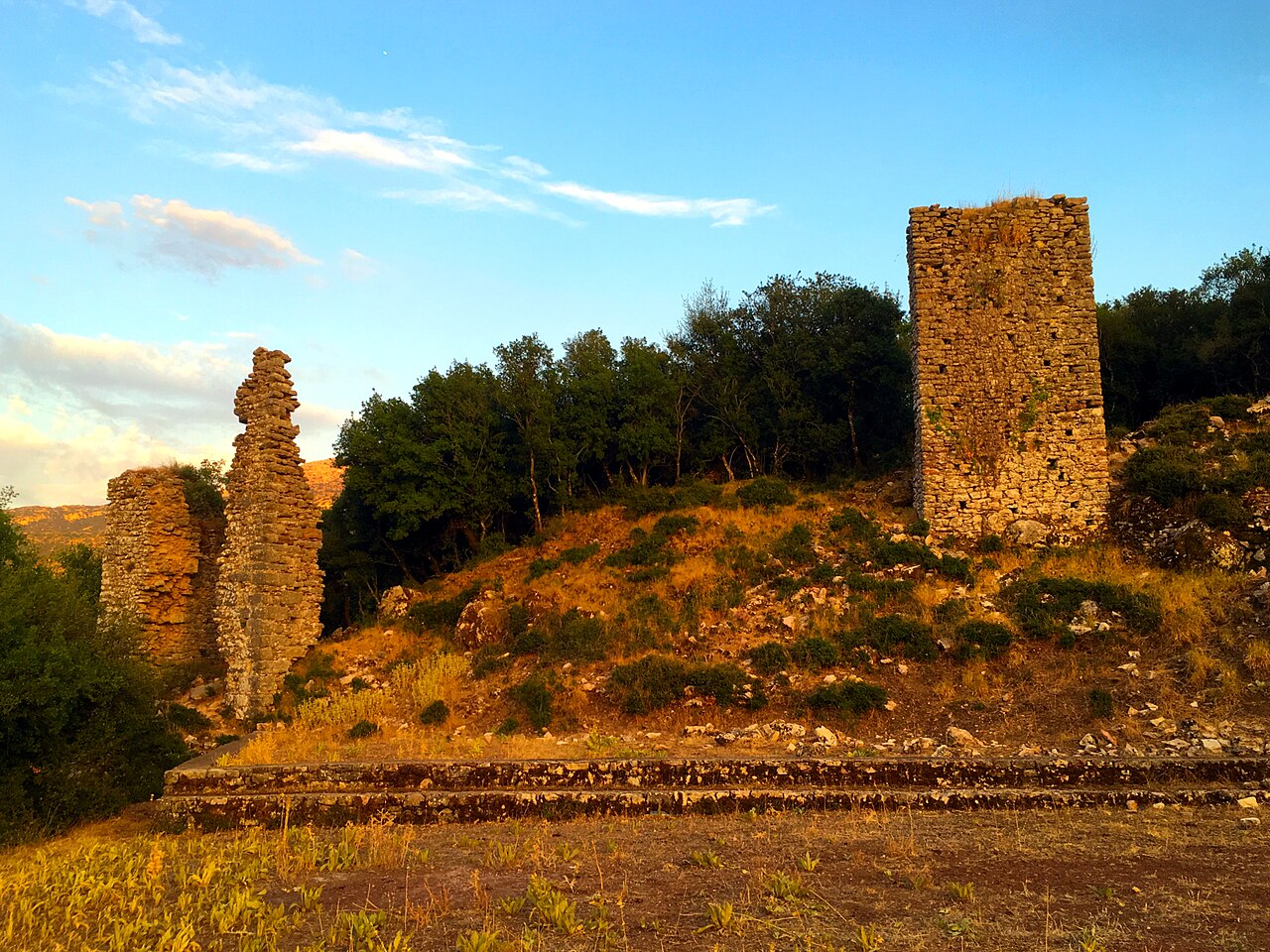
Typical of hill castles, the castle of Ochia would have incorporated robust defensive elements adapted to its elevated setting. These features often include thick stone walls, battlements, and towers strategically placed to cover all approaches. The natural slope of the hill would have been used to enhance the defensive capabilities, making direct assaults difficult for attackers.
The castle's layout likely included a keep or donjon serving as the last line of defense and residence for the lord or commander. Surrounding courtyards and ancillary buildings would have supported the garrison and administrative functions. Water supply would have been a critical concern, often addressed by cisterns or wells within the castle grounds.
Strategic importance and military role
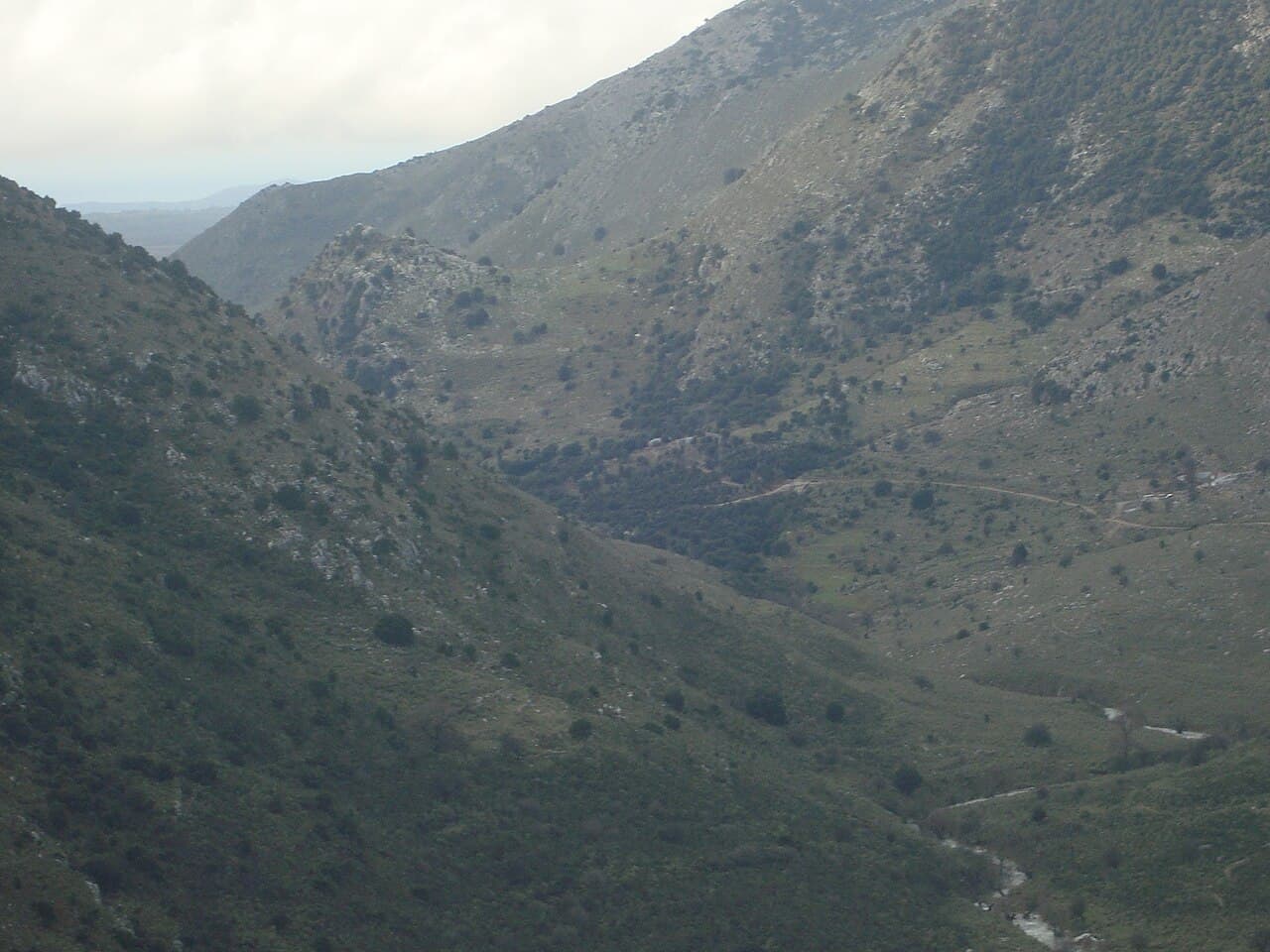
Positioned on a hill, the castle of Ochia would have played a key role in controlling trade routes and local territories. Its elevated vantage point provided visibility over the surrounding landscape, allowing defenders to monitor enemy movements and coordinate responses. Such castles were integral to the feudal system, symbolizing lordly power and serving as centers for justice and governance.
Current status and preservation
The exact condition of the castle of Ochia is not well documented, but many hill castles in Greece exist today as ruins or partially preserved sites. These ruins often attract historians and tourists interested in medieval architecture and Greek history. Preservation efforts, when undertaken, focus on stabilizing remaining structures and providing interpretive information to visitors.
Visiting and cultural significance
While specific visitor information for the castle of Ochia is not available, hill castles in Greece generally offer scenic views and a tangible connection to the medieval past. They are important cultural landmarks that contribute to understanding the region's historical landscape and military architecture.
In summary, the castle of Ochia represents a typical medieval hill castle in Greece, embodying the military, administrative, and symbolic functions of such fortifications during the High Medieval period. Its architectural features and strategic location highlight the defensive priorities of the time, while its current state invites exploration and study of Greece's medieval heritage.
Frequently asked questions (FAQ)
- Where is the castle of Ochia located?
- The exact city location of the castle of Ochia in Greece is currently unknown, but it is situated on a hill, typical of medieval fortifications in the region.
- What period does the castle of Ochia date from?
- The castle of Ochia likely dates back to the High Medieval period, roughly between the 11th and 14th centuries, when hill castles were commonly built for defense.
- What are the main architectural features of the castle of Ochia?
- As a hill castle, it would feature thick stone walls, battlements, towers, and a keep or donjon, all adapted to its elevated terrain for defense.
- Is the castle of Ochia accessible to visitors?
- Specific visitor information is not available, but many hill castles in Greece are accessible as ruins or partially preserved sites, often offering scenic views and historical insights.
- What is the current condition of the castle of Ochia?
- The castle of Ochia is believed to be in a state of ruins, typical for many medieval hill castles in Greece, with some structures possibly partially preserved.
Photo gallery

Information
Loading map...
Visitor reviews
No reviews yet. Been here? Write the first review and help other travelers!
Write the first reviewVisited this castle? Share your experience
Your review helps other travelers and adds first-hand knowledge to our encyclopedia.