
Sri Lanka
Historical background and medieval period
Sri Lanka's rich heritage of castle architecture and fortifications reflects its strategic importance in the Indian Ocean and the complex history of kingdoms and colonial powers. The island has been a crossroads of maritime trade for centuries, attracting invaders and settlers who sought to control its valuable ports and resources. This history is deeply embedded in the castles and defensive structures that dot the landscape.
During the medieval period, several Sinhalese kingdoms developed fortified cities and royal palaces with defensive features. These early fortifications served both military and administrative purposes, protecting the ruling elite and their territories. The arrival of European colonial powers in the 16th century brought new styles of fortification, blending local traditions with European military architecture.
Continue reading below — scroll for the full article.
Castles in Sri Lanka
Discover 13 magnificent castles across the country
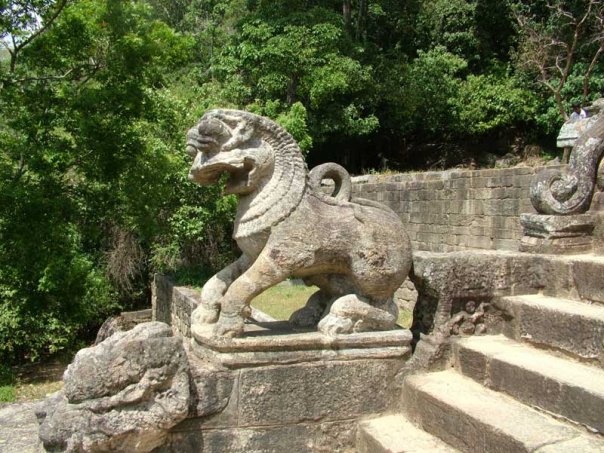
Types of fortifications in Sri Lanka
Medieval royal fortresses
The medieval period saw the construction of fortified royal cities and palaces designed to safeguard the ruling monarchs. These included massive ramparts, moats, and strategically placed watchtowers. One notable example is the ancient city of Sigiriya, which, although primarily a palace complex, incorporated extensive defensive walls and natural rock fortifications. Sigiriya’s design demonstrates the blend of natural landscape and human engineering in early Sri Lankan fortifications.
Coastal forts
With the arrival of the Portuguese in the early 16th century, followed by the Dutch and British, Sri Lanka’s coastal defenses were transformed. These European colonizers built robust stone forts to control trade routes and defend their colonial possessions. The Galle Fort is a prime example, originally constructed by the Portuguese and extensively rebuilt by the Dutch. This fort remains one of the best-preserved examples of European military architecture in Asia.
Defensive walls and watchtowers
In addition to major fortresses, smaller defensive walls, bastions, and watchtowers were constructed throughout the island. These structures were often used to protect key routes, agricultural lands, and smaller settlements. Their design varied depending on local terrain and the specific military threats faced.
Architectural styles and influences
The architecture of Sri Lanka’s fortifications presents a fascinating blend of indigenous and foreign influences. Early constructions, such as those from the Anuradhapura and Polonnaruwa periods, showcase traditional Sinhalese styles, emphasizing stone masonry, terracing, and integration with natural features. These early fortresses often used large stone blocks and mud bricks arranged in defensive formations.
European colonial powers introduced new architectural concepts based on Renaissance military engineering. Portuguese forts initially featured simple, square designs with thick walls. The Dutch later enhanced these with star-shaped bastions and angled ramparts, designed to counter cannon fire effectively. The British made further modifications, incorporating modern artillery platforms and garrisons.
The Jaffna Fort exemplifies this mixture of styles, originally built by the Portuguese and later expanded by the Dutch, combining local materials with European defensive principles. Its design highlights how colonial fortifications adapted to the tropical climate and available resources.
Regional variations in castle heritage
Sri Lanka’s diverse geography influenced the distribution and style of its fortifications. The central highlands, with their rugged terrain, saw the development of royal fortresses integrated into natural rock formations. Sigiriya is the most famous example, but other sites also used elevation for defense.
The northern and eastern coastal regions feature fortifications primarily constructed by European colonial powers. These areas were critical for controlling maritime trade and military access. The Jaffna Fort in the north and the Trincomalee Fort on the east coast represent the strategic importance of these locations.
The southwestern coast includes the Galle Fort, which served as a key maritime stronghold and administrative center under Dutch and British rule. Its layout and architecture reflect extensive European influence adapted to the tropical environment.
Notable periods of castle construction
The earliest significant constructions date back to the Anuradhapura period (4th century BCE to 11th century CE), when the foundations of Sri Lanka’s defensive architecture were laid. These early fortifications were primarily royal and religious complexes with protective walls and moats.
The Polonnaruwa period (11th to 13th centuries) saw further development of stone fortifications and palace defenses, reflecting a period of political consolidation and conflict.
The arrival of the Portuguese in 1505 marked a new era of castle construction, emphasizing coastal forts to secure trade routes and colonial holdings. This phase was followed by Dutch expansions in the 17th century, who improved and expanded existing forts with advanced bastions and artillery platforms.
The British period introduced modernization efforts in the 18th and 19th centuries, adapting older forts for contemporary military needs while constructing new defensive positions to protect colonial interests.
Preservation and current state
Many of Sri Lanka’s castles and fortifications have survived in varying conditions. The Galle Fort is a UNESCO World Heritage site and remains remarkably well-preserved, with much of its original ramparts, bastions, and colonial buildings intact. It is a living heritage site, still inhabited and used for commercial and residential purposes.
Other forts, such as the Jaffna Fort, have suffered damage due to conflicts and natural decay, but restoration efforts have been ongoing to preserve their historical and cultural significance.
Ancient sites like Sigiriya have been carefully maintained as archaeological treasures, attracting researchers and visitors alike. However, many smaller fortifications and defensive walls have been lost or are in ruins due to neglect and urban development pressures.
Castle tourism and accessibility
Sri Lanka’s castles and fortifications are major tourist attractions, drawing visitors interested in history, architecture, and culture. Sites like Galle Fort and Sigiriya are among the most visited, with well-developed infrastructure supporting tourism.
Guided tours, museums, and interpretive centers provide insights into the historical context and architectural features of these sites. Accessibility varies, with some forts located in urban areas like Galle and Jaffna, while others, such as Sigiriya, require travel into more remote regions.
The promotion of heritage tourism has also spurred conservation efforts, linking economic benefits with cultural preservation.
Cultural significance and heritage
The castles and fortifications of Sri Lanka are not only military relics but also symbols of the island’s complex history and cultural identity. They represent the ingenuity of ancient Sinhalese kingdom builders as well as the lasting impact of European colonial powers.
These structures have witnessed centuries of conflict, trade, and cultural exchange, making them invaluable for understanding Sri Lanka’s past. Their preservation supports national pride and offers educational opportunities for future generations.
Moreover, many fortifications continue to influence local cultural practices and festivals, integrating the tangible heritage of castle architecture with intangible traditions and community life.
Castle Locations in Sri Lanka
Explore all castle locations on an interactive map
Loading castle locations...