
Philippines
Historical background and medieval period
The Philippines, an archipelago of over 7,000 islands in Southeast Asia, has a unique castle heritage shaped by its diverse indigenous cultures and centuries of colonial influence. Unlike Europe, the Philippines did not develop medieval castles in the traditional sense during its pre-colonial period. Instead, early Filipino communities built fortified settlements called barangays, which were often protected by natural features and rudimentary defensive structures.
When Spanish colonization began in the 16th century, the architectural landscape shifted dramatically. The Spanish introduced European-style fortifications to protect their colonial interests against indigenous uprisings, foreign invaders, and pirates. This colonial period marked the beginning of the Philippines’ rich heritage of forts and castles, which combined European military architecture with local materials and techniques.
Continue reading below — scroll for the full article.
Castles in Philippines
Discover 14 magnificent castles across the country
Types of fortifications in the Philippines
The fortifications found throughout the Philippines primarily include fortresses, watchtowers, city walls, and defensive bastions. These structures served varied purposes such as coastal defense, inland protection, and control of strategic trade routes.
Fortresses and citadels
Spanish colonial authorities constructed large fortresses to secure key locations. Notable examples include Fort Santiago in Manila, built in the late 16th century, which served as a military headquarters and prison. Its robust walls, moat, and bastions exemplify European star fort design adapted to tropical conditions.
Watchtowers and coastal defenses
Along the extensive coastline, numerous watchtowers were erected to provide early warnings of pirate raids or foreign naval threats. The San Pedro y San Pablo Fortress
City walls and defensive walls
Some urban centers, particularly in the Visayas and Luzon, featured defensive walls protecting the core settlements. These walls were often constructed of stone or coral and combined with bastions and gates, offering a layered defense system against attacks.
Architectural styles and influences
The architecture of Filipino fortifications reflects a blend of indigenous building techniques and Spanish colonial military engineering. The Spanish introduced the concept of bastioned fortifications, inspired by the Italian Renaissance star forts, which emphasized angled walls to deflect cannon fire and improve defensive coverage.
Adaptation to local materials and climate
Local materials such as coral stone, adobe, and volcanic tuff were commonly used, providing durability and resistance to the tropical climate. The thick walls and limited window openings helped withstand both artillery and the region’s frequent typhoons.
Indigenous influences
While the dominant style was European, some fortifications incorporated indigenous design elements. For instance, the layout of certain watchtowers echoed native lookout posts, and the use of natural terrain for defense was a traditional strategy preserved throughout colonial fortification efforts.
Regional variations in fortifications
Fortifications in the Philippines vary significantly according to regional geography and historical context. Luzon, the largest island, has some of the most prominent forts due to its role as the colonial administrative center and gateway to the archipelago.
Forts in Luzon
Fort Santiago in Manila and the walled city of Intramuros are prominent examples of Luzon’s fortified heritage. These sites served as centers of Spanish military power and administration. Their complex defensive systems reflect the importance placed on protecting the colonial capital.
Fortifications in the Visayas and Mindanao
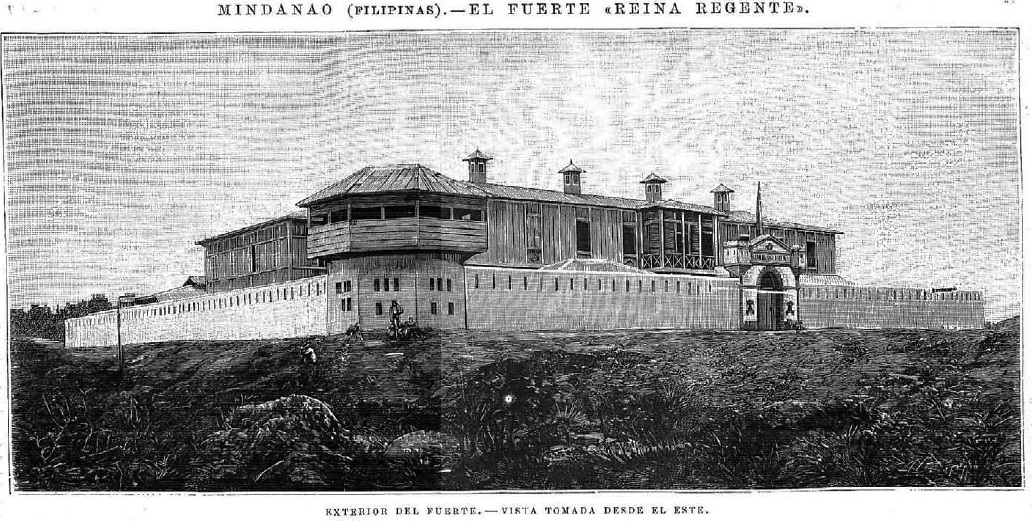
In the Visayas and Mindanao regions, fortifications often took the form of smaller forts and watchtowers designed to defend against Moro pirate raids and foreign incursions. The San Pedro y San Pablo Fortress in Zamboanga illustrates the strategic importance of Mindanao’s fortifications in controlling maritime routes and local populations.
Notable periods of castle and fort construction
The most intensive period of castle and fort construction occurred between the late 16th and 18th centuries, coinciding with the height of Spanish colonial rule. This era saw the systematic building of defensive structures to consolidate Spanish control and protect against external threats.
16th to 17th centuries
The initial wave of construction focused on establishing strongholds in Manila and other key ports. Fort Santiago was completed during this period, serving as a symbol of Spanish dominance and a critical military installation.
18th century and beyond
Later centuries saw the expansion and reinforcement of existing forts, as well as the construction of new coastal defenses in response to increasing pirate activity and foreign naval threats. The fortifications built during this time were designed to integrate artillery and improved defensive techniques.
Preservation and current state
Many of the Philippines’ historical fortifications have survived in various states of preservation. Urban development, natural disasters, and neglect have threatened some sites, but numerous efforts have been made to conserve and restore these cultural landmarks.
Fort Santiago and Intramuros in Manila are among the best-preserved examples, maintained as heritage sites and tourist attractions. Restoration projects aim to balance historical authenticity with accessibility, ensuring that these fortifications continue to educate and inspire future generations.
Other forts, such as the San Pedro y San Pablo Fortress, remain less developed but are recognized for their historical significance and are subject to ongoing preservation initiatives.
Castle tourism and accessibility
Tourism focused on the Philippines’ fortifications and castles has grown steadily, with many sites accessible to the public. Intramuros, often called the “Walled City,” offers guided tours that showcase its historical walls, gates, and Fort Santiago.
These sites not only attract history enthusiasts but also serve as venues for cultural events and educational programs. Coastal forts in Mindanao and the Visayas, while less frequented, provide unique insights into the archipelago’s defensive past and are emerging as important heritage destinations.
Cultural significance and heritage
The castles and fortifications of the Philippines represent more than military architecture; they embody the complex history of colonialism, resistance, and cultural exchange. These structures are physical reminders of the country’s transformation from a collection of indigenous communities into a colonial territory and eventually an independent nation.
They also serve as symbols of resilience, having withstood centuries of conflict, natural disasters, and social change. The preservation and interpretation of these fortifications contribute to national identity and promote an understanding of the Philippines’ diverse cultural heritage.
Castle Locations in Philippines
Explore all castle locations on an interactive map
Loading castle locations...