
Armenia
The historical background and medieval period
Armenia, situated at the crossroads of Eastern Europe and Western Asia, boasts a rich and turbulent history reflected in its extensive network of castles and fortifications. From ancient times through the medieval period, these structures served as vital military, administrative, and cultural centers. Armenia's strategic location made it a frequent battleground for empires, necessitating robust defensive architecture.
The medieval period, spanning roughly from the 4th to the 17th centuries, was particularly significant for castle construction in Armenia. During this time, local Armenian rulers built and reinforced fortresses to protect against invasions by Byzantines, Persians, Arabs, Seljuks, and later Ottoman and Mongol forces. This era saw the emergence of distinctive Armenian military architecture that combined functionality with unique aesthetic elements.
Continue reading below — scroll for the full article.
Castles in Armenia
Discover 25 magnificent castles across the country
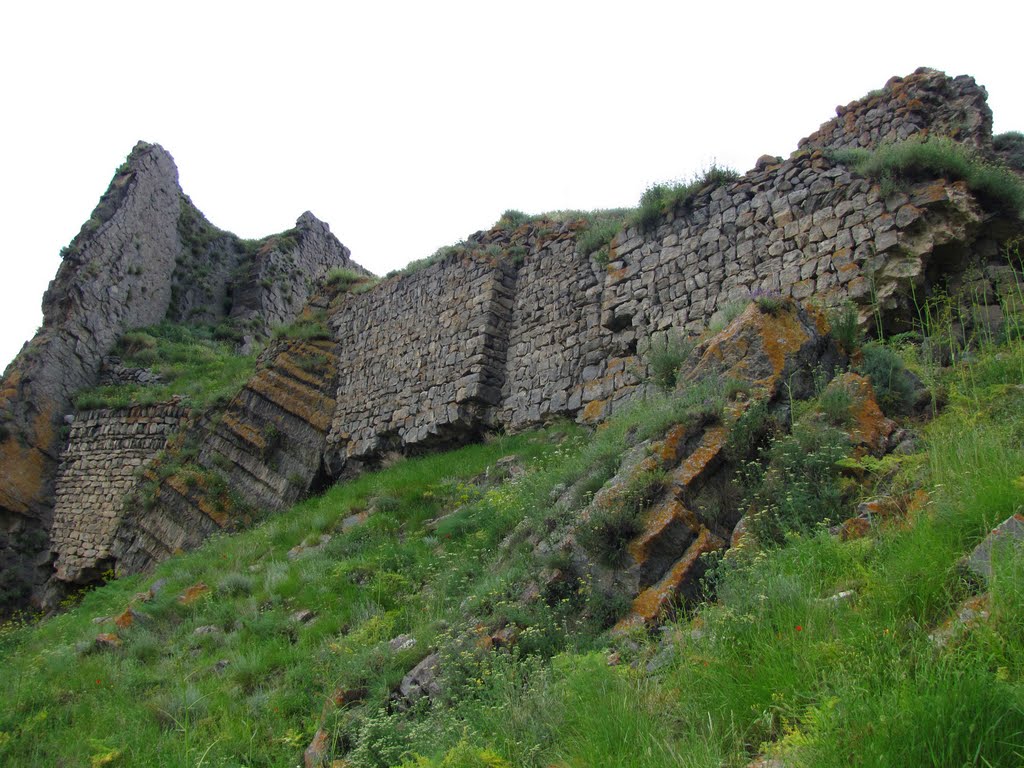
Types of fortifications in armenia
Armenia's landscape is dotted with a variety of fortifications ranging from hilltop castles to sprawling defensive walls. These can be broadly categorized into:
- Castles: Typically fortified residences of nobility or military commanders, often situated on elevated terrain for strategic advantage.
- Fortresses: Larger complexes designed to protect entire towns or regions, featuring multiple defensive layers.
- City walls and citadels: Defensive barriers encircling urban centers, sometimes incorporating watchtowers and gates.
Many Armenian castles feature natural defensive elements such as cliffs or riverbanks, which were enhanced by man-made walls and towers. For example, the formidable walls of Amberd fortress integrate seamlessly with the mountainous landscape, exemplifying how nature was harnessed for defense.
Architectural styles and influences
The architecture of Armenian fortifications reflects a synthesis of indigenous techniques and external influences shaped by the region’s complex history. Armenian builders employed robust stone masonry using volcanic tuff and basalt, materials abundant in the region. Walls were often thick and sloped to withstand siege weaponry.
Armenian castle architecture is distinguished by its use of crenellations, arrow slits, and circular or polygonal towers. These elements provided defensive advantages and have become hallmarks of the style. The incorporation of vaulted chambers and cisterns within castles like the 12th-century Amberd demonstrates advanced engineering aimed at sustaining inhabitants during prolonged sieges.
External influences, especially from Byzantine and Persian architectural traditions, are evident in ornamental details and construction techniques. The fortress of Erebuni, dating back to the 8th century BCE but rebuilt in later periods, shows early examples of these blended styles.
Regional variations in castle heritage
Armenia’s diverse topography has led to regional variations in fortification styles and functions. In the mountainous western provinces, castles were often perched on rocky outcrops, utilizing steep slopes for defense. The fortress of Amberd, located on the slopes of Mount Aragats, is a prominent example showcasing adaptation to rugged terrain.
In contrast, the Ararat plain and eastern regions feature fortifications that emphasize extensive walls and bastions to protect agricultural settlements and trade routes. The 13th-century Khor Virap fortress near the Ararat plain illustrates this approach, combining religious significance with military utility.
Southern Armenia, closer to historic trade corridors, saw the construction of fortified caravanserais and castles designed to guard commerce. The strategic positioning of these fortifications highlights the role of Armenia as a cultural and economic crossroads.
Notable periods of castle construction
The most intensive periods of castle building in Armenia coincided with times of political consolidation and external threat. The Bagratid dynasty (9th to 11th centuries) was instrumental in erecting many castles and fortresses to assert Armenian sovereignty. This era produced some of the most architecturally refined structures, including the fortress at Lori, which served as a royal residence and military hub.
The 12th and 13th centuries under the Zakarid princes also saw a resurgence in fortress construction and restoration. This period aimed to strengthen defenses against Seljuk incursions and Mongol invasions. Fortifications like the Amberd castle were reinforced and expanded, reflecting advancements in military architecture.
Later centuries experienced periods of decline in construction due to foreign domination, but many castles remained in use or were adapted by Ottoman and Persian rulers, preserving their historical significance.
Preservation and current state of armenian castles
Today, many Armenian castles and fortresses remain partially preserved, though centuries of conflict and natural decay have left some in ruins. Conservation efforts have increased in recent decades, recognizing these structures as invaluable cultural and historical assets.
Sites like Amberd and Erebuni have undergone archaeological studies and restoration projects to stabilize walls and improve visitor access. However, some castles are still endangered by neglect, environmental factors, and insufficient funding.
Preservation challenges include balancing tourism development with the protection of fragile structures. Armenian heritage organizations continue to advocate for expanded conservation programs to ensure these fortifications endure for future generations.
Castle tourism and accessibility in armenia
Armenia offers a growing number of opportunities for cultural tourism focused on its rich castle heritage. Many historic fortresses are accessible to visitors, providing insights into medieval military life and architecture. Amberd fortress is a popular destination due to its dramatic setting and well-preserved remains, attracting both domestic and international tourists.
Guided tours, interpretive signage, and visitor centers have improved the tourism experience at key sites. The fortress of Lori, with its combination of castle ruins and nearby monastic complexes, provides a comprehensive glimpse into medieval Armenian civilization.
Accessibility varies, with some castles located in remote mountainous areas requiring hiking or off-road travel. Efforts to improve infrastructure and promote sustainable tourism aim to increase public engagement with Armenia’s fortification heritage.
Cultural significance and heritage of armenian castles
Armenian castles are more than military relics; they embody the resilience and identity of the Armenian people. These fortifications represent centuries of struggle to maintain independence and cultural continuity amidst regional upheavals. Many castles are intertwined with Armenian legends, historical events, and religious traditions.
The fortress of Khor Virap, for example, is closely associated with the adoption of Christianity in Armenia, adding spiritual significance to its military function. Castles often served as refuges during invasions and centers of local governance, reinforcing their role in community life.
Preserving these fortifications helps maintain a tangible connection to Armenia’s past and fosters national pride. As symbols of heritage, Armenian castles continue to inspire scholarship, cultural activities, and public interest in the country’s rich historical tapestry.
Castle Locations in Armenia
Explore all castle locations on an interactive map
Loading castle locations...