
Lebanon
Historical background and medieval period
Lebanon's castle heritage is deeply intertwined with its strategic location at the crossroads of ancient trade routes and empires. Throughout history, the region has witnessed the rise and fall of numerous civilizations, each leaving its mark on the landscape through the construction of fortifications. The medieval period, particularly during the Crusades, was a defining era for castle building in Lebanon, as European knights established strongholds to secure their presence in the Levant.
The arrival of the Crusaders in the 12th century led to the erection of some of the most iconic castles in the country. These fortresses served both military and administrative purposes, forming a network of defense against Muslim forces aiming to reclaim the territory. Castles like the formidable Crac des Chevaliers stand as testaments to this turbulent period, showcasing the military ingenuity and architectural prowess of their builders.
Lebanon's turbulent medieval history also reflects the broader geopolitical dynamics of the region. The castles not only functioned as bastions of defense but also as symbols of power and control over vital coastal and inland routes. Their continued presence offers valuable insights into the military and cultural exchanges between East and West during the Middle Ages.
Continue reading below — scroll for the full article.
Castles in Lebanon
Discover 3 magnificent castles across the country



Types of fortifications
Lebanon's fortifications are diverse, encompassing a range of structures from coastal castles to inland fortresses and defensive city walls. These constructions were designed to address different strategic needs based on location and the threats faced. Castles typically served as strongholds for military garrisons and local rulers, while fortresses often protected key passages and trade routes.
Castles
The castles of Lebanon are often perched on elevated terrain, offering commanding views of the surrounding landscape. These structures include large keeps, curtain walls, and towers designed to withstand sieges. The Byblos Castle, for instance, is a classic example of Crusader architecture, built to defend the ancient port city of Byblos and control maritime access.
Fortresses and defensive walls
Besides standalone castles, Lebanon features numerous fortresses that acted as regional defense centers. These fortresses were sometimes integrated into city walls, such as those found in Tripoli and Beirut, which protected urban populations from external threats. The defensive walls were often reinforced with towers and gates to control entry and improve defense capabilities.
Watchtowers and smaller fortifications
In addition to major castles and fortresses, Lebanon's landscape is dotted with smaller watchtowers and outposts. These were crucial for early warning systems and communication across difficult terrain. They allowed forces to monitor enemy movements and coordinate defenses effectively, especially in mountainous regions like the Chouf and Mount Lebanon ranges.
Architectural styles and influences
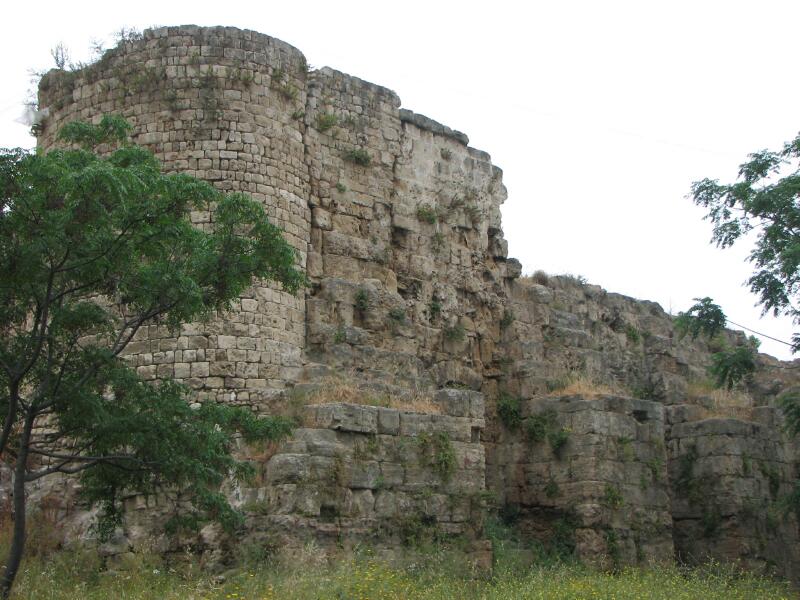
The architecture of Lebanese castles reflects a rich blend of cultural influences due to the region's complex history. Crusader architecture dominates many of the prominent castles, characterized by robust stone walls, rounded towers, and strategic battlements. These features were adapted to local conditions and materials, creating a unique hybrid style.
Islamic architectural elements also influenced fortifications, particularly after the Crusader period. Some castles and fortresses were modified or expanded under Mamluk and Ottoman rule, incorporating decorative motifs and structural innovations. This blend can be observed in the intricate stonework and functional designs that prioritize both defense and aesthetic appeal.
The use of local limestone and other indigenous materials was common, contributing to the distinct look of Lebanese castles. Techniques such as crenellations, machicolations, and arrow slits were employed to enhance defense while allowing for effective offensive actions during sieges. For example, the Sidon Sea Castle demonstrates a fusion of Crusader military design with adaptations for coastal defense.
Regional variations
Lebanon's diverse geography has led to regional differences in castle construction and function. Coastal fortifications tend to emphasize maritime defense, while inland castles focus on territorial control and protection of trade routes.
Coastal castles
The Mediterranean coast of Lebanon hosts several notable castles that guarded important ports and naval approaches. The Sidon Sea Castle was strategically located on a small island to control access to Sidon's harbor. Similarly, Byblos Castle protected one of the oldest continuously inhabited cities, emphasizing both trade and military control.
Mountain fortresses
Inland, especially in the mountainous regions of Mount Lebanon and the Chouf, castles were adapted to rugged terrain. These fortifications often had irregular layouts conforming to the landscape and were vital for controlling mountain passes. The mountainous environment also allowed these castles to serve as refuges during times of conflict and rebellion.
Urban fortifications
Several Lebanese cities developed extensive defensive walls and citadels to protect urban centers. Tripoli’s citadel, known as the Citadel of Raymond de Saint-Gilles, is a prominent example of an urban fortress that evolved over centuries under different rulers. These urban fortifications combined military functionality with administrative and residential purposes.
Notable periods of castle construction
Castle construction in Lebanon occurred over multiple historical periods, each reflecting the prevailing political and military circumstances.
Crusader period (12th–13th centuries)
The most intensive period of castle building was during the Crusades. European knights built imposing castles such as the Crac des Chevaliers and Byblos Castle to establish footholds in the Levant. These castles featured advanced military architecture, including concentric walls and fortified gates, designed to resist prolonged sieges.
Mamluk and ottoman periods
Following the Crusader era, the Mamluks and later the Ottomans repaired, modified, and sometimes expanded existing fortifications. They introduced new elements to accommodate changing military technologies, such as artillery. Some castles were repurposed as administrative centers or garrison posts during these times, reflecting shifts in governance and defense needs.
Earlier and later influences
While the Crusader period dominates the castle heritage, earlier fortifications from Roman and Byzantine times laid the groundwork for later constructions. Similarly, some fortifications saw restoration or reuse in the modern era, preserving Lebanon’s strategic heritage.
Preservation and current state
Many of Lebanon’s castles and fortifications have survived in varying states of preservation. Some, like the Crac des Chevaliers, are remarkably well-preserved and have undergone restoration efforts to maintain their structural integrity. Others suffer from neglect, environmental damage, or urban encroachment, highlighting challenges in heritage conservation.
The Lebanese government and various international organizations have engaged in preservation projects to protect these historical sites. Restoration often focuses on stabilizing ruins, preventing further decay, and improving visitor access. However, political instability and limited funding can impact the scope and success of these efforts.
Despite these challenges, the castles remain vital cultural landmarks, offering tangible links to Lebanon’s rich past. Their preservation is crucial not only for historical study but also for fostering national identity and tourism development.
Castle tourism and accessibility
Lebanon’s castles attract scholars, history enthusiasts, and tourists keen to explore the country’s medieval heritage. Sites like Byblos Castle and the Sidon Sea Castle are among the most accessible and popular, often integrated into broader cultural itineraries that include ancient ruins and museums.
Tourism infrastructure around major castles has improved, with guided tours, interpretive signage, and visitor facilities enhancing the experience. Accessibility varies, however, with some mountain fortresses requiring more effort to reach due to their remote locations.
Castle tourism contributes to local economies and raises awareness of Lebanon’s historical legacy. Sustainable tourism practices are increasingly emphasized to balance visitor impact with preservation needs, ensuring these fortifications endure for future generations.
Cultural significance and heritage
The castles and fortifications of Lebanon are more than military relics; they are powerful symbols of the country’s layered history and cultural identity. They embody the interactions between diverse civilizations, from the Crusaders to Islamic dynasties, and reflect the enduring strategic importance of Lebanon’s geography.
These sites serve as focal points for cultural pride and education, connecting contemporary Lebanese society with its multifaceted past. Festivals, educational programs, and heritage initiatives often revolve around these historic structures to promote understanding and appreciation of Lebanon’s heritage.
As landmarks, the castles inspire artistic expressions, literature, and scholarly inquiry, reinforcing their role in both local and global historical narratives. Protecting and celebrating these fortifications ensures that Lebanon’s rich medieval legacy continues to inform and enrich the present.
Castle Locations in Lebanon
Explore all castle locations on an interactive map
Loading castle locations...