
Curaçao
Castle heritage in curaçao: an overview
The island of Curaçao, located in the southern Caribbean Sea, is renowned for its vibrant culture and rich colonial history. While it is not typically associated with medieval castles in the European sense, Curaçao possesses a remarkable legacy of historical fortifications that reflect its strategic importance during the colonial era. These structures, primarily built by the Dutch West India Company, served both defensive and administrative purposes, safeguarding the island from foreign invasions and piracy.
The heritage of Curaçao's fortifications offers a valuable glimpse into the island’s past, showcasing a blend of European military architectural techniques adapted to Caribbean conditions. Today, these fortresses and forts stand as iconic symbols of Curaçao’s colonial history and are key attractions for visitors interested in historical architecture and cultural heritage.
Continue reading below — scroll for the full article.
Castles in Curaçao
Discover 5 magnificent castles across the country
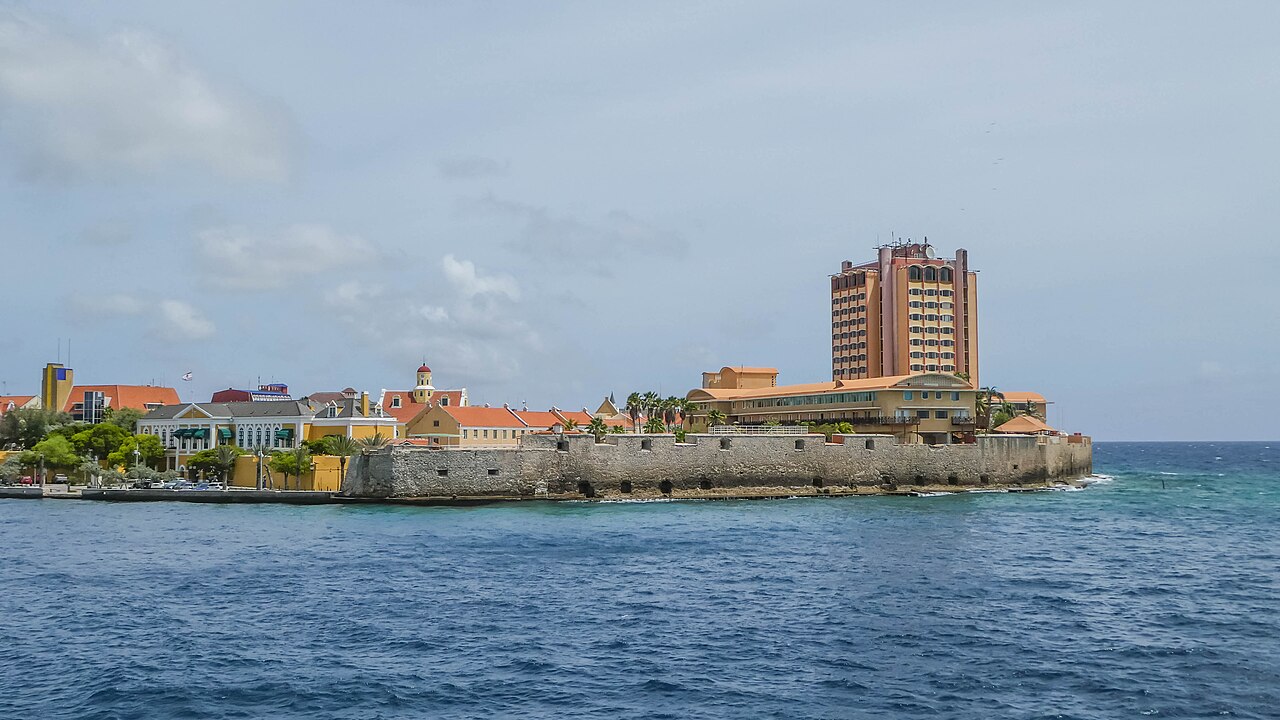
Historical background and colonial period fortifications
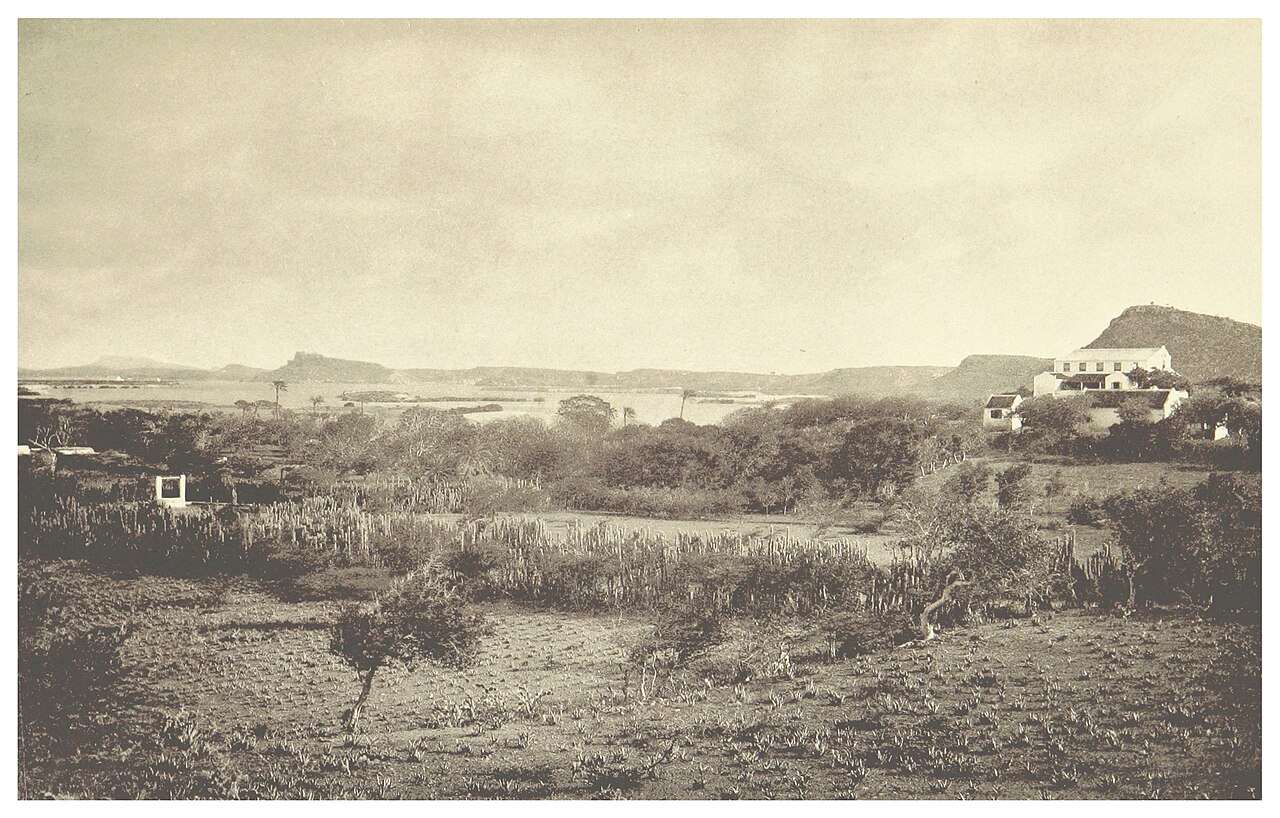
Unlike many European countries, Curaçao does not have a medieval period characterized by castles or feudal fortifications due to its indigenous population and later colonial history. The island was first colonized by the Spanish in the early 16th century but was largely overlooked until the Dutch seized it in 1634. It was under Dutch control that the most significant fortifications were constructed.
The 17th and 18th centuries marked the height of Curaçao’s strategic importance as a trading post and naval base in the Caribbean. To protect the harbor of Willemstad, the island’s capital, the Dutch built several forts and defensive walls. These fortifications were designed to defend against European rivals such as the Spanish, English, and French, as well as pirates who threatened maritime commerce.
Types of fortifications on curaçao
Curaçao’s defensive architecture is dominated by a handful of well-preserved fortresses, forts, and city walls. Unlike the large castles of Europe, these structures were primarily military installations focused on coastal defense and artillery placements.
Fortresses and forts
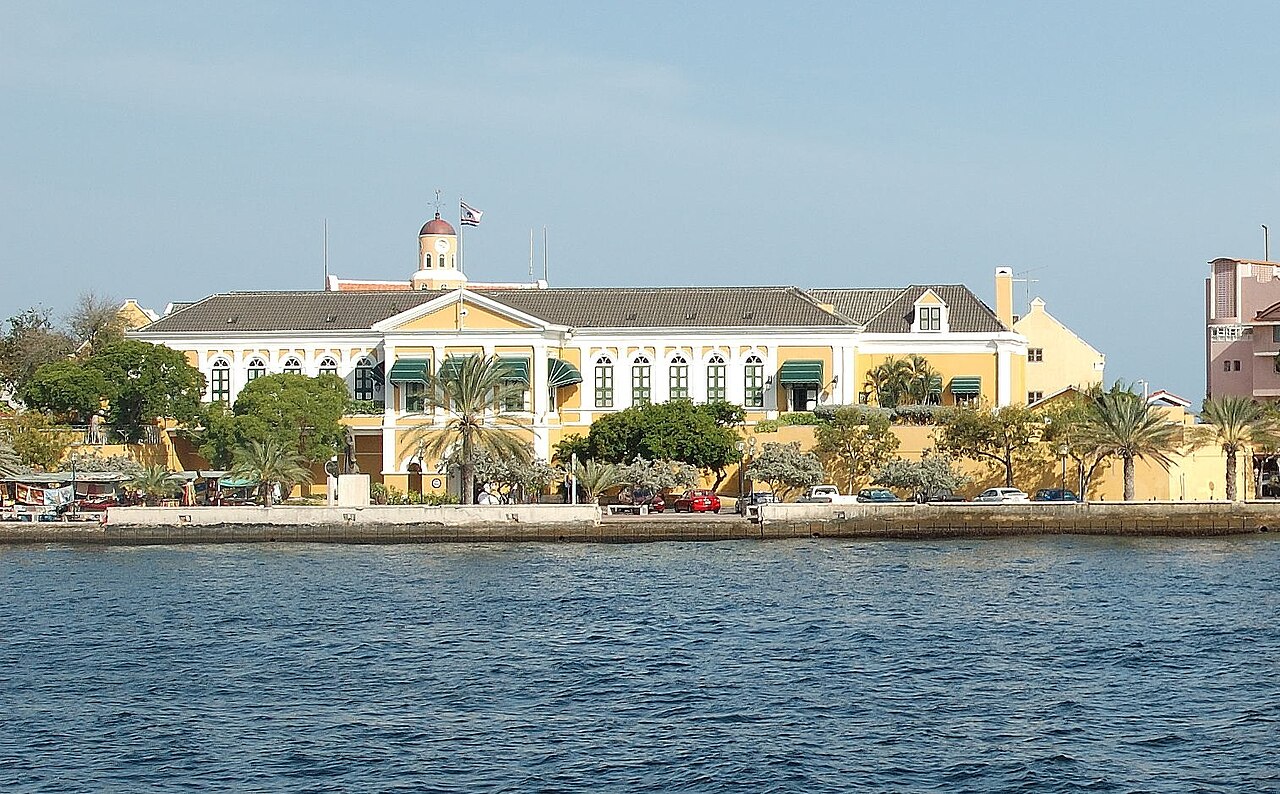
- Fort Amsterdam: Located at the entrance of Willemstad harbor, Fort Amsterdam is the most prominent and historically significant fortification on the island. Constructed shortly after the Dutch conquest in 1635, it served as the administrative center and military stronghold. It features thick bastion walls and a strategic position overseeing the harbor.
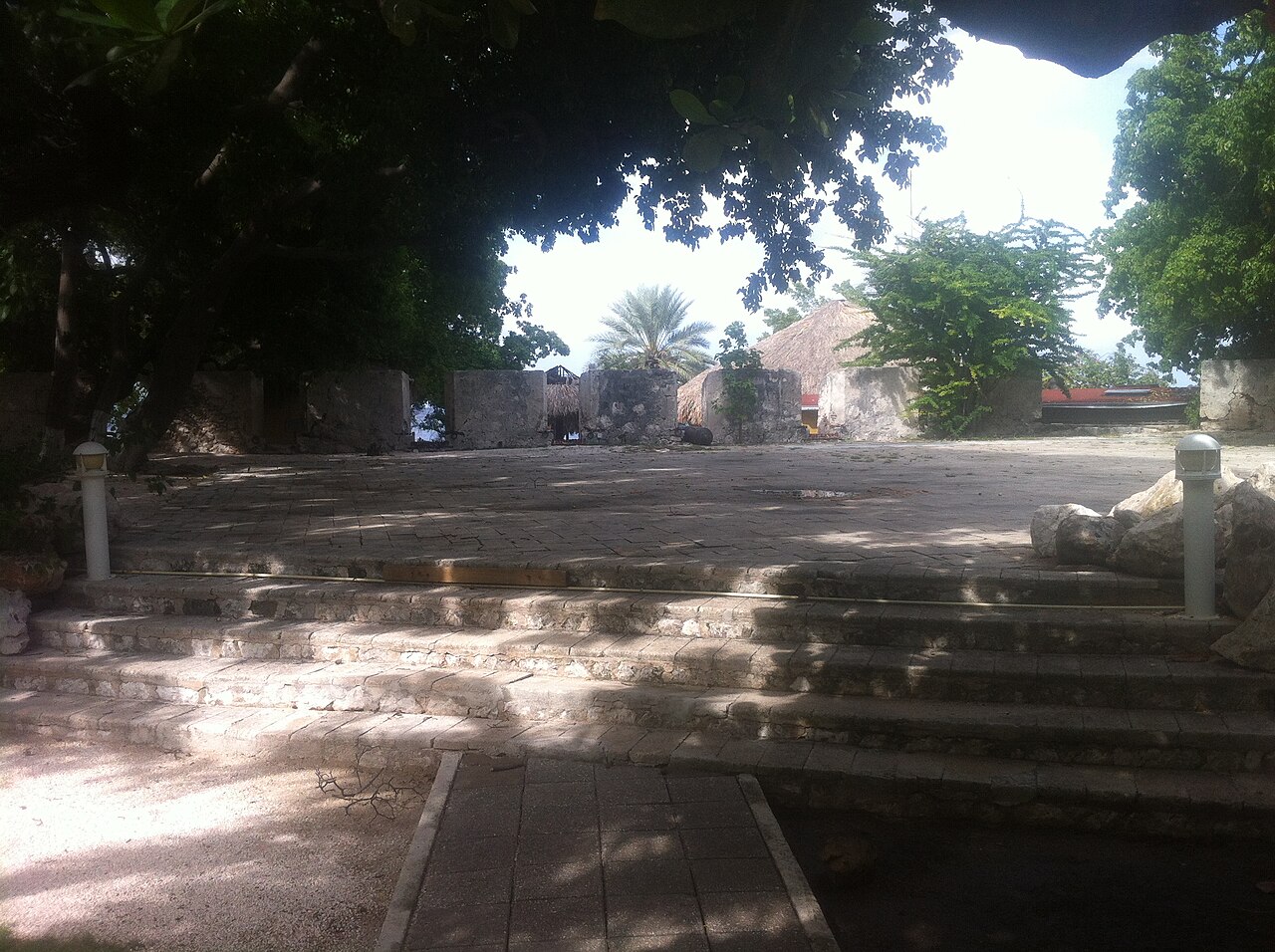
- Fort Nassau: Situated on a hill overlooking Willemstad, Fort Nassau was built in the 1790s to provide an additional layer of defense. Its elevated position allowed for better surveillance and protection of the city against naval attacks.
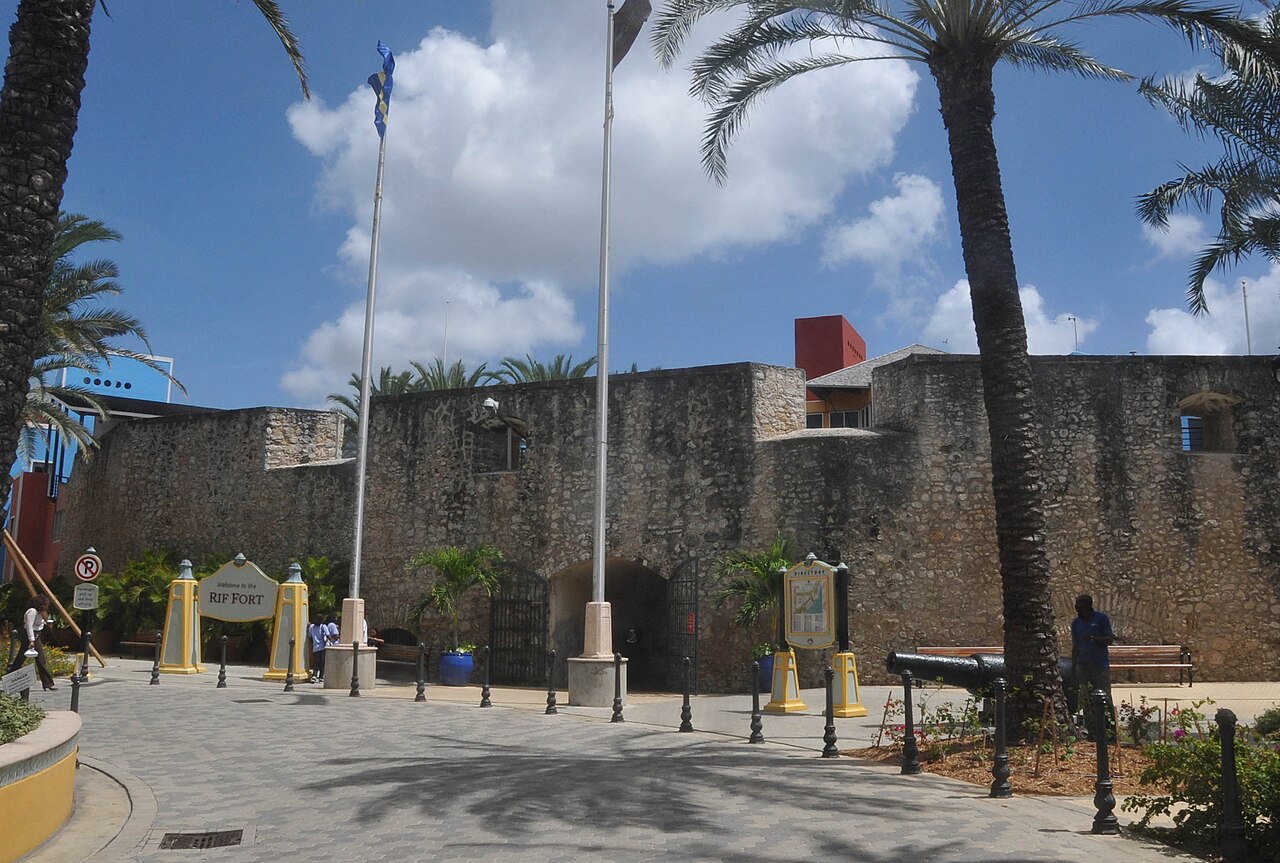
- Fort Rif: This coastal fort was established to defend the southern side of the harbor and was equipped with artillery batteries. Although smaller, it played a vital role in the island’s layered defensive system.
Defensive walls and other structures
Alongside the forts, Willemstad was partially enclosed by defensive walls and gates to protect the urban center from land-based attacks. The walls were reinforced with bastions and artillery emplacements but were never as extensive as medieval city walls seen in Europe.
Architectural styles and influences
The architecture of Curaçao’s forts exhibits a blend of European military design adapted to the tropical climate and local materials. Dutch colonial military architecture is the predominant influence, characterized by bastion fort designs that allowed for effective artillery defense.
The forts typically feature thick stone walls, angular bastions, and low profiles to minimize damage from cannon fire. The use of coral stone and locally sourced limestone was common, providing durability and resistance to weathering. Additionally, the buildings inside the forts often incorporate colonial Dutch styles, with gabled roofs and functional layouts.
Due to the Caribbean environment, ventilation and shading were important considerations, leading to architectural adjustments such as wide windows and shaded courtyards within fort complexes.
Notable periods of fort construction
The construction of Curaçao’s fortifications spans mainly two significant periods during the 17th and 18th centuries. The initial wave occurred immediately after the Dutch captured the island in 1634, when Fort Amsterdam was constructed to establish control over the harbor and serve as the administrative seat.
Later, in the late 18th century, renewed threats from European conflicts prompted the building of additional fortifications such as Fort Nassau. These later forts reflected developments in military technology and strategy, including improved artillery placement and higher vantage points for surveillance.
Preservation and current state of Curaçao’s fortifications
Many of Curaçao’s forts have been well preserved or restored, maintaining their historical integrity and continuing to serve as important cultural landmarks. Fort Amsterdam remains a functioning government building, housing official offices, yet it is open to visitors who wish to explore its historical significance.
Fort Nassau and Fort Rif have been restored to varying degrees and are accessible to tourists, offering panoramic views over Willemstad and the surrounding sea. These sites are maintained by local heritage organizations and contribute to both cultural preservation and educational efforts.
Preservation challenges include environmental wear due to the tropical climate and the need for continuous maintenance funding. However, Curaçao’s commitment to heritage conservation ensures that these fortifications remain prominent features of the island’s historical landscape.
Castle tourism and accessibility
Curaçao’s fortifications are key attractions for tourists interested in history, architecture, and Caribbean heritage. The forts are easily accessible from Willemstad, with many located near the historic city center, which itself is a UNESCO World Heritage site.
Visitors can explore Fort Amsterdam’s courtyards and museums, while Fort Nassau offers guided tours that highlight its military history and architectural features. Fort Rif, though less visited, provides a more secluded experience with impressive coastal views.
These sites often host cultural events and exhibitions, further enriching the visitor experience. The combination of historical education and scenic beauty makes Curaçao’s fortifications a unique destination for heritage tourism.
Cultural significance and heritage
The fortifications of Curaçao are not only military relics but also powerful symbols of the island’s colonial past and cultural identity. They reflect the complex history of European colonization, trade, and strategic competition in the Caribbean.
Today, these forts serve as reminders of Curaçao’s resilience and adaptability, embodying the fusion of European architectural techniques with Caribbean environmental and cultural contexts. They contribute to the island’s sense of place and are celebrated as part of the collective memory of its people.
Moreover, the forts play a role in educational and heritage initiatives, fostering a deeper understanding of the island’s history among both locals and visitors. Their preservation ensures that future generations can appreciate Curaçao’s unique heritage of historical fortifications.
Castle Locations in Curaçao
Explore all castle locations on an interactive map
Loading castle locations...