Zvornik Castle
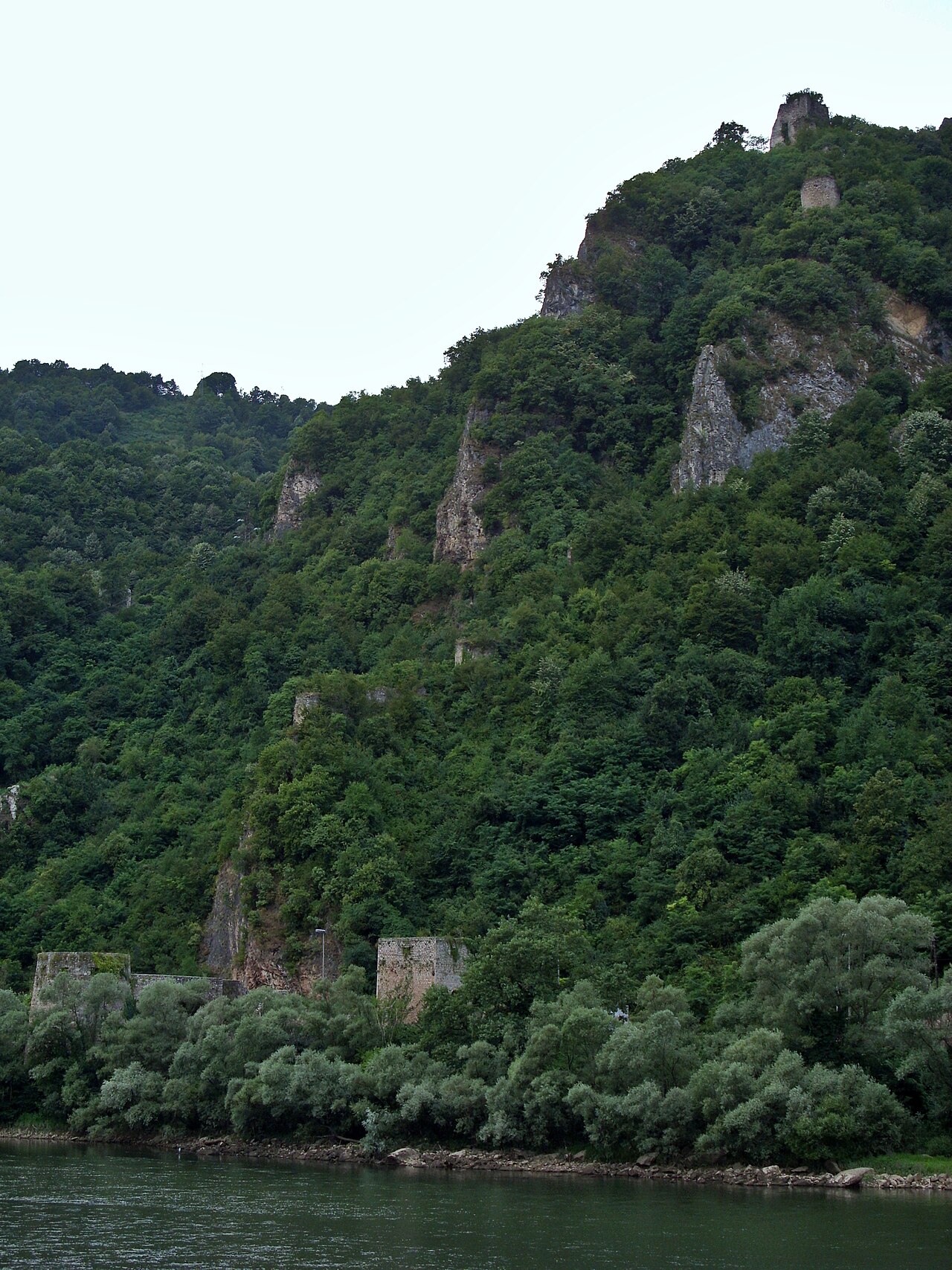
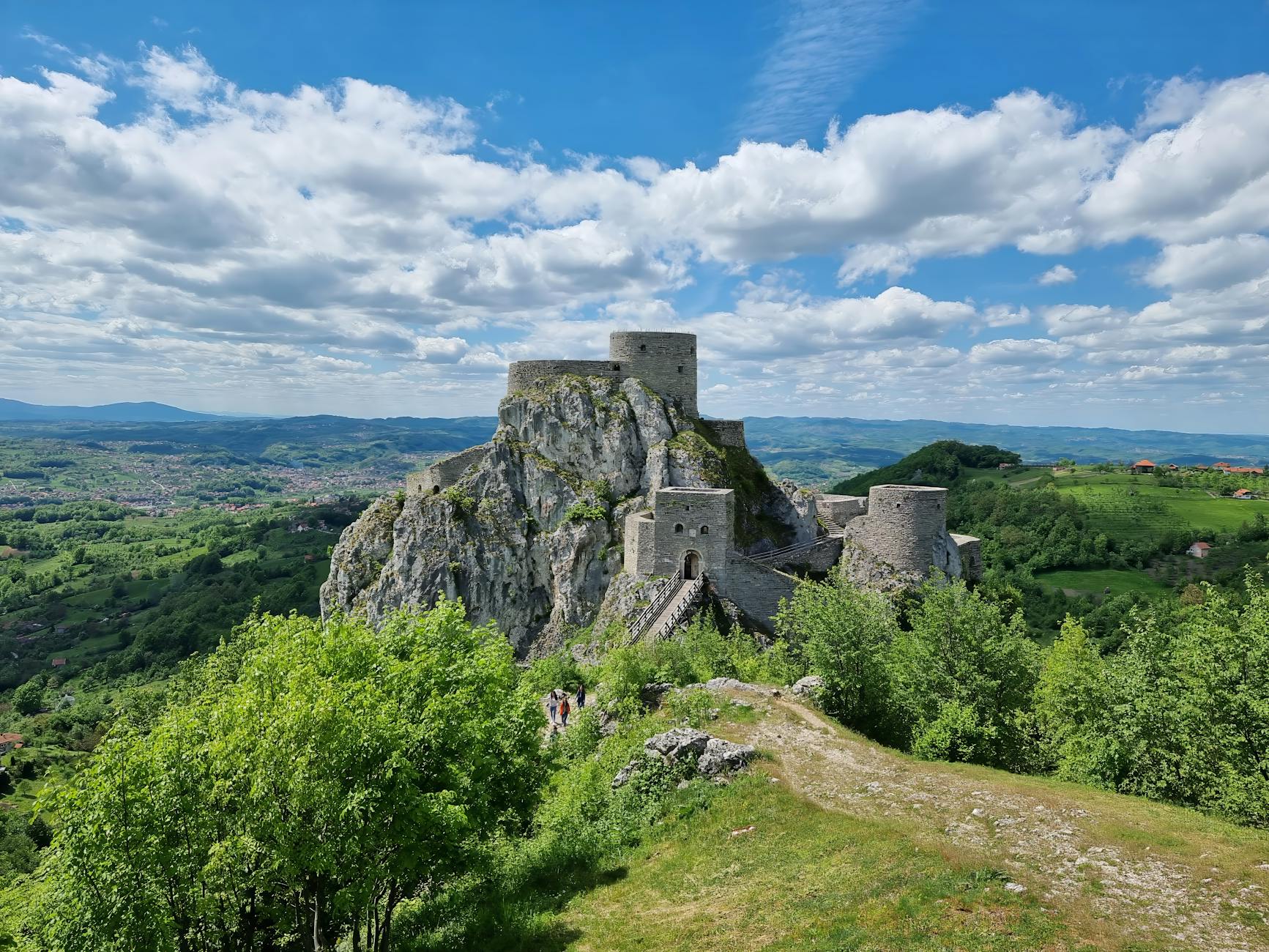
Zvornik Castle, also known historically as Đurđevgrad or Kula Grad, is a prominent medieval fortress located on the slopes of mountain Mlađevac, overlooking the strategic Drina Valley in Zvornik, Bosnia and Herzegovina. It is one of the largest and most significant fortifications in the country, with origins dating back to the 12th century, placing it firmly in the high medieval period. The castle's commanding position provided control over the surrounding valley and river routes, making it a key military and administrative center throughout its history.
Historical background and significance
The earliest documented reference to the fortress dates from 1410, when it was recorded as the property of the Zlatonosović family, a notable Bosnian medieval feudal lineage. At that time, the region was under the influence of Hungarian King Sigismund, who was present in the area, highlighting the castle's importance in the geopolitical landscape of the Balkans during the late Middle Ages.
Throughout the centuries, Zvornik Castle witnessed numerous conflicts and changes in control. It endured partial destruction during the Austro-Hungarian invasion of Bosnia and Herzegovina in 1878, a significant event that marked the end of Ottoman rule in the region. During World War II, the fortress was occupied by Ustasha troops from the fascist Independent State of Croatia in April 1941. The castle was later liberated in July 1943 by the 1st Proletarian Brigade during the Battle of Zvornik, a crucial episode in the Yugoslav Partisan resistance movement.
In the early 1990s, the castle again played a strategic role during the Bosnian War. From 8 April 1992, about 300 soldiers of the Army of the Republic of Bosnia and Herzegovina defended the fortress against the forces of the Yugoslav People's Army and Serb paramilitary units. The defense of Zvornik Castle was a significant part of the initial stages of the conflict in the region.
Following the war, Zvornik became part of the Republika Srpska. The new authorities constructed a church within the fortress grounds, symbolizing a shift in cultural and political control. A church bell was relocated from the village of Divič to this new church, marking a symbolic victory over the Bosniak population. In May 2013, the remains of several victims from the 1990s conflict were uncovered at the site, underscoring the castle's continued historical and emotional significance.
Architectural features and layout
Zvornik Castle is characterized by its robust stone walls and strategic hilltop location, typical of high medieval fortifications designed for defense and control. The castle complex includes extensive ramparts, towers, and gatehouses that command views over the Drina River and surrounding terrain.
The fortress was originally constructed to serve both as a military stronghold and a residence for the ruling feudal family. Its design incorporates multiple layers of defense, including a main keep, outer walls, and a series of courtyards. The positioning on Mlađevac mountain provided natural defensive advantages, with steep slopes limiting access and visibility to approaching enemies.
Over time, parts of the castle were damaged or altered due to warfare and changing political control, but significant portions of the original medieval structure remain partially preserved. The castle's architecture reflects the military engineering techniques of the high medieval period in the Balkans, combining functional defensive elements with residential and administrative spaces.
Role in regional conflicts and cultural legacy
Throughout its history, Zvornik Castle has been a focal point in regional military conflicts, from medieval feudal struggles to modern 20th-century wars. Its strategic location made it a coveted asset for various rulers and armies, including the Ottomans, Austro-Hungarians, and the forces involved in the Yugoslav conflicts.
The castle's endurance through the Austro-Hungarian invasion, World War II, and the Bosnian War reflects its ongoing military and symbolic importance. The events surrounding the castle during these periods have left a deep imprint on the local cultural memory and identity.
Today, Zvornik Castle stands as a monument to the region's turbulent history and medieval heritage. It attracts visitors interested in medieval architecture, Balkan history, and the complex narratives of 20th-century conflicts. The site also serves as a somber reminder of the human cost of war, especially following the discovery of war victims' remains on its grounds.
Visiting zvornik castle
Visitors to Zvornik Castle can explore the extensive ruins and enjoy panoramic views of the Drina Valley. The site offers insight into medieval fortification techniques and the layered history of Bosnia and Herzegovina. While facilities may be limited due to the castle's age and preservation status, the fortress remains accessible to tourists interested in history and architecture.
The castle's location on a mountain slope requires a moderate physical effort to reach, but the journey is rewarded with scenic vistas and a tangible connection to the past. Guided tours may be available locally, providing detailed historical context and architectural explanations.
Nearby attractions
Nearby Zvornik town offers additional points of interest, including cultural museums, traditional Bosnian architecture, and the Drina River's natural beauty. The region's history and landscape provide a rich experience for travelers combining outdoor activities with historical exploration.
Frequently asked questions (FAQ)
- What is the historical significance of Zvornik Castle?
- Zvornik Castle, dating back to the 14th century, played a crucial role in the defense of the region against various invasions. Its strategic position allowed it to oversee important trade routes, making it a significant military stronghold in medieval Bosnia. Today, it stands as a testament to the rich history and cultural heritage of the area.
- When was Zvornik Castle built?
- The construction of Zvornik Castle is believed to have begun in the late 14th century, with significant renovations occurring over the centuries. The castle has witnessed various historical events, adapting to the changing political landscape of the region. Its architecture reflects the medieval influences prevalent during its time of construction.
- Can I visit Zvornik Castle?
- Yes, Zvornik Castle is open to visitors who wish to explore its historical grounds. The castle offers a unique opportunity to learn about its history and enjoy stunning views of the surrounding landscape. It is advisable to check for any guided tours or events that may enhance your visit.
- What are the opening hours for Zvornik Castle?
- Zvornik Castle is typically open to visitors from 9 AM to 5 PM, but these hours may vary depending on the season and special events. It is recommended to verify the current opening hours before planning your visit to ensure you have ample time to explore the site. Always check for any holiday closures or specific events that may affect access.
- Is it possible to access Zvornik Castle with a wheelchair?
- Accessibility at Zvornik Castle can be challenging due to its historical structure and uneven terrain. While efforts have been made to accommodate visitors, certain areas may not be fully accessible for those with mobility issues. It is advisable to contact the local tourism office for detailed information regarding accessibility options.
- What is the best time to visit Zvornik Castle?
- The best time to visit Zvornik Castle is during the spring and early fall when the weather is mild, and the surrounding landscapes are particularly beautiful. Summer can be hot, while winter may bring snow and cold temperatures, which could affect accessibility. Planning your visit during these ideal seasons can enhance your overall experience.
- Are there any nearby attractions worth visiting?
- Yes, there are several attractions near Zvornik Castle, including the picturesque Drina River and the historic town of Zvornik itself. Visitors can explore local museums, enjoy outdoor activities, or take part in cultural events that showcase the region's heritage. These nearby sites offer a comprehensive experience of the area’s history and natural beauty.
- What are the ticket prices for visiting Zvornik Castle?
- Ticket prices for Zvornik Castle are generally affordable, with discounts often available for students and seniors. Specific pricing may vary, so it's best to check the official website or local tourism information for the most accurate rates. This ensures you can plan your visit without unexpected expenses.
Information
Loading map...
Visitor reviews
No reviews yet. Been here? Write the first review and help other travelers!
Write the first reviewVisited this castle? Share your experience
Your review helps other travelers and adds first-hand knowledge to our encyclopedia.