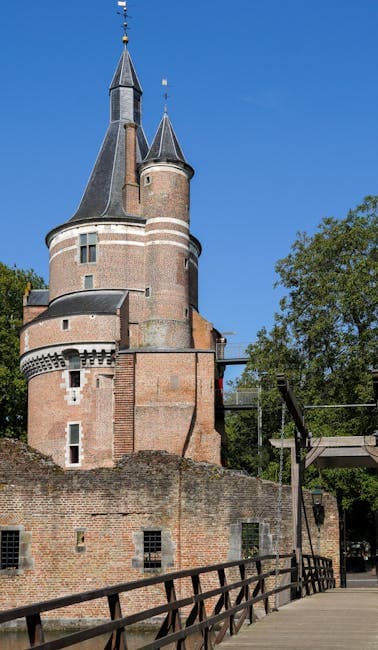
Duurstede Castle
Duurstede Castle, locally known as Kasteel Duurstede, stands as a remarkable example of medieval fortification and residential architecture in the town of Wijk bij Duurstede, located in the Utrecht province of the Netherlands. Its origins trace back to the 13th century, when Zweder I van Zuylen van Abcoude constructed a freestanding keep on a raised, moated site near the historic, now-lost city of Dorestad. This early military structure, with walls measuring 2.5 meters thick and standing approximately 11 meters high, exemplifies the defensive strategies of the period, including an elevated entrance accessible only by a removable wooden ladder.
Over the centuries, Duurstede Castle evolved significantly in response to changing political and military needs. Originally under the possession of the Van Zuylen van Abcoude family until the early 15th century, the castle was sold to the bishops of Utrecht in 1449. This transfer marked the beginning of a major transformation under the auspices of Bishop David of Burgundy, who reigned from 1459 to 1496. During his tenure, the castle was extensively rebuilt and fortified into a square stronghold featuring four round corner towers and residential wings arranged around a rectangular courtyard. The original keep was incorporated as the core of one wing, while the imposing Burgundian tower served as the bishop's private living quarters. This tower, soaring over 40 meters with exceptionally thick walls, combined residential comfort with military functionality.
Architectural evolution and fortifications
The castle's fortifications included an earthwork defense system protecting both the castle and its bailey, which was accessed via a drawbridge. The bailey itself was a vital component of the castle's defensive layout, although it was later sacrificed to accommodate the town's expanding fortifications in the late 16th century. The castle's architecture reflects a blend of military robustness and residential refinement, particularly evident in the renovations initiated by Bishop Philip of Burgundy, who resided there from 1517. Philip, a half-brother of David, introduced Renaissance elements to the castle, including the installation of exceptionally large windows in two residential wings, enhancing the interior light and comfort. By this time, the castle comprised approximately 57 rooms, ranging from grand halls to smaller chambers.
The Burgundian tower
The Burgundian tower remains one of the castle's most striking features. Its height and thick walls underscore its dual role as a defensive bastion and a symbol of episcopal power. Unlike the rest of the castle, which gradually assumed a more residential character, this tower retained a distinctly military purpose. Its construction around the mid-15th century coincided with the broader fortification efforts led by Bishop David of Burgundy.
Historical significance and ownership transitions
Following the death of Bishop Philip in 1524, the castle's prominence waned. The Holy Roman Emperor, Charles V, confiscated the secular powers and possessions of the bishopric, including Duurstede Castle. Subsequently, the castle was inhabited by a bailiff rather than bishops, signaling a decline in its status as a noble residence.
In 1580, during the upheavals of the Dutch Revolt, the castle came under the control of the States of Utrecht. However, the States prioritized modern fortifications around the town of Wijk bij Duurstede, leading to the neglect of the castle itself. This neglect was compounded by the devastation wrought by French troops in 1672, when local townspeople repurposed stones from the castle to rebuild their homes and town walls.
Later history and restoration
By the 19th century, the castle was in a state of decay. In 1852, ownership passed to the town council, which transformed the surrounding former fortifications into a public park. Accessibility to the castle was limited until around 1925, when the ferry that was the only means of reaching it was replaced. The Burgundian tower has since been restored, preserving its imposing silhouette and historical significance.
Today, Duurstede Castle serves a new purpose as a venue for dinners, parties, and weddings, blending its rich medieval heritage with contemporary use. The castle's enduring architecture, including the well-preserved medieval donjon and the Burgundian tower, offers visitors a tangible connection to the region's late medieval and Renaissance past.
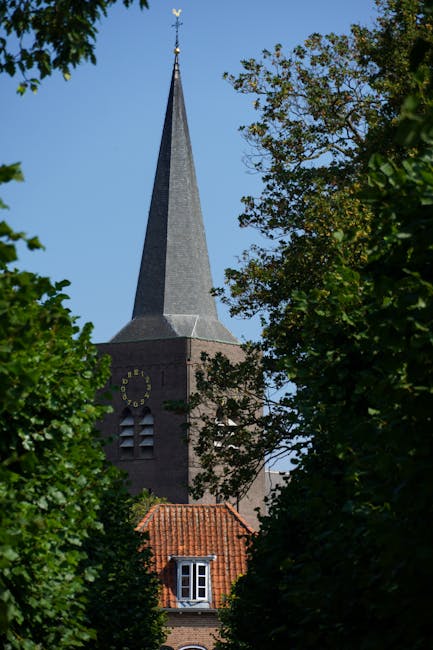
Photo by Leon Hellegers
Architectural features and layout
The original donjon constructed by Zweder I van Zuylen van Abcoude is a prime example of medieval military architecture. Its walls, measuring 2.5 meters thick, provided formidable defense, and the elevated entrance was a strategic feature designed to impede attackers. The surrounding buildings added in the 15th century enclosed this donjon, integrating it into a larger fortified complex.
The castle's layout as a square stronghold with four round corner towers and residential wings around a rectangular courtyard typifies late medieval castle design aimed at combining defense with habitation. The earthwork defenses and drawbridge further enhanced security while the large windows introduced during the Renaissance period reflected a shift toward comfort and status display.
Artistic patronage
Bishop Philip of Burgundy's court included the renowned painter Jan Gossaert, also known as Mabuse, who contributed to the castle's interior decoration. Mabuse's involvement underscores the castle's role not only as a military and administrative center but also as a cultural hub during the Renaissance.
Visiting Duurstede Castle today
Visitors to Duurstede Castle can explore its historic architecture and appreciate its scenic setting within a town park. While the castle now functions primarily as an event venue, its restored Burgundian tower and remaining medieval structures offer insights into its storied past. The castle's proximity to the historic site of Dorestad adds to its cultural significance, connecting visitors to centuries of Dutch history.
Access to the castle has improved significantly since the early 20th century, and the surrounding park provides a pleasant environment for exploration. The castle's blend of late medieval fortifications and Renaissance enhancements make it a unique destination for those interested in medieval and early modern European architecture and history.
Frequently asked questions (FAQ)
- What is the historical significance of Duurstede Castle?
- Duurstede Castle, dating back to the 13th century, is one of the oldest castles in the Netherlands. It played a crucial role in the defense of the region and has witnessed various historical events, making it a key site for understanding medieval Dutch history.
- When was Duurstede Castle built?
- Duurstede Castle was originally constructed in the early 13th century and has undergone several renovations and restorations over the years. Its long history reflects the architectural styles and defensive needs of different periods.
- What are the opening hours for Duurstede Castle?
- Duurstede Castle is open to visitors from Tuesday to Sunday, from 10 AM to 5 PM. It is advisable to check the castle's official website for any seasonal changes or special holiday hours.
- Can I visit Duurstede Castle year-round?
- Yes, Duurstede Castle is open for visits year-round, although certain areas may be restricted during winter months for maintenance. Always check ahead for any specific closures, especially during public holidays.
- Is it possible to take guided tours of Duurstede Castle?
- Yes, guided tours are available and provide visitors with in-depth knowledge about the castle's history and architecture. It is recommended to book in advance, especially during peak tourist seasons.
- What is the best time to visit Duurstede Castle?
- The best time to visit Duurstede Castle is during the spring and early autumn when the weather is mild and the gardens are in bloom. Additionally, weekdays tend to be less crowded than weekends.
- How much do tickets for Duurstede Castle cost?
- Tickets for Duurstede Castle are reasonably priced, with discounts available for children and seniors. Check the official website for current ticket prices and any special offers.
- Is Duurstede Castle accessible for visitors with disabilities?
- Duurstede Castle strives to be accessible to all visitors, with ramps and designated pathways. However, some historical areas may present challenges, so it’s best to contact the castle staff for specific accessibility information before your visit.
- What nearby attractions can I visit while at Duurstede Castle?
- Near Duurstede Castle, visitors can explore the beautiful nature reserves and charming villages in the surrounding area. Additionally, the picturesque town of Wijk bij Duurstede offers delightful cafes and shops to enjoy after your castle visit.
Photo gallery

Photo by Leon Hellegers

Information
Website
Visit websiteSources & official resources
Verify the information above using these authoritative references.
Loading map...
Visitor reviews
No reviews yet. Been here? Write the first review and help other travelers!
Write the first reviewVisited this castle? Share your experience
Your review helps other travelers and adds first-hand knowledge to our encyclopedia.


