Žrnov — Serbia castle

Žrnov

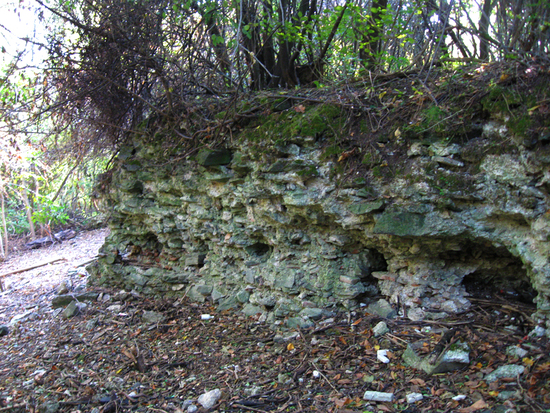
Žrnov fortress ruins on Avala mountain, Serbia
Belgrade, Serbia
Ruins

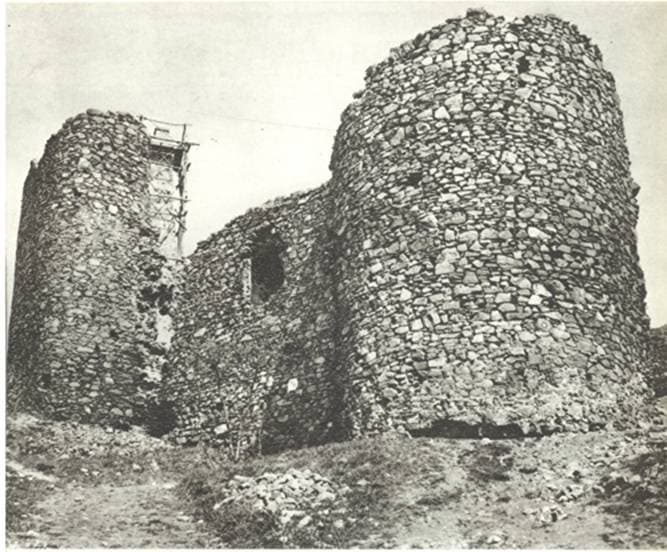
Žrnov (Serbian Cyrillic: Жрнов), also known as Žrnovan (Жрнован), was a medieval fortress situated on the highest peak of Avala Mountain at 511 metres (1,677 ft) near Belgrade, Serbia. The site holds a layered history beginning with an Ancient Roman outpost that established early strategic control over the region. This outpost was later expanded and fortified by the Serbs during the medieval period, transforming it into a significant defensive stronghold.

Historical significance and origins

The location of Žrnov was chosen for its commanding vantage point over the surrounding landscape, making it a valuable military and communication post through various historical periods. The Romans initially constructed the fortifications to secure the area, which was part of the broader Roman defensive network in the Balkans. Following the decline of Roman influence, the fortress was rebuilt and enhanced by medieval Serbian rulers, adapting the structure to the evolving defensive needs of the time.

Architectural features and structure

As a hilltop fortress, Žrnov was strategically positioned to oversee the approaches to Belgrade and control the surrounding terrain. The fortress consisted of stone walls enclosing the summit, with defensive towers and gates designed to repel invaders. The exact architectural style reflected the practical military construction methods typical of the medieval Balkans, with robust stone masonry and limited ornamental detailing. The fortress likely included a keep or donjon, battlements, and a courtyard, typical of medieval strongholds in the region.

Medieval expansions

The Serbian enhancements to the original Roman structure included thickening of walls and the addition of towers to improve defense against siege warfare. The fortress served not only as a military installation but also as a refuge for local populations during times of conflict. Its position on Avala Mountain made it a critical point for controlling trade routes and monitoring enemy movements.

Demolition and legacy

Despite its historical importance, the fortress of Žrnov was completely demolished in 1934 to make way for the Monument to the Unknown Hero, a memorial dedicated to Serbian soldiers who died in World War I. The decision to remove the fortress was controversial, as it erased a significant medieval heritage site. Today, only archaeological ruins remain, with some stone remnants visible at the site.

Archaeological significance

The ruins of Žrnov provide valuable insights into the military architecture and historical landscape of medieval Serbia. Archaeologists have studied the site to better understand the construction techniques and strategic importance of hilltop fortresses in the region. Although the physical structure no longer stands, the location remains a point of cultural and historical interest for visitors and scholars alike.

Visiting the site today

Visitors to Avala Mountain can explore the area where Žrnov once stood, appreciating the panoramic views that made the fortress a key defensive position. The site is accessible by hiking trails and is often visited in conjunction with the Monument to the Unknown Hero. Interpretive signage and local guides help provide context about the fortress's history and its role in Serbia's medieval past.

Frequently asked questions (FAQ)

What is the historical significance of Žrnov Castle?
Žrnov Castle, located in Belgrade, Serbia, dates back to the medieval period and played a vital role in the defense of the region. It served as a strategic fortress due to its elevated position and is a testament to the architectural styles of the time, reflecting the region's tumultuous history.
When was Žrnov Castle built?
Žrnov Castle was constructed in the late 14th century, during a time when Serbia was establishing its prominence in the Balkans. The castle has undergone various modifications over the centuries, which showcase the evolution of military architecture in the area.
Can I visit Žrnov Castle?
Yes, visitors are welcome to explore Žrnov Castle and its surroundings. Guided tours are often available, providing insights into the castle's history and architecture, making it a great experience for both history buffs and casual visitors.
What are the opening hours for Žrnov Castle?
Žrnov Castle is typically open to visitors from 10 AM to 6 PM, but hours may vary seasonally. It is advisable to check the official website or contact local tourism offices for the most accurate and up-to-date information before your visit.
Is it possible to access Žrnov Castle for those with mobility issues?
While Žrnov Castle offers a rich historical experience, accessibility can be challenging due to its elevated location and uneven terrain. It is recommended to contact the site in advance to inquire about specific accommodations for visitors with mobility concerns.
What is the best time to visit Žrnov Castle?
The best time to visit Žrnov Castle is during the spring and early autumn months when the weather is mild and pleasant for exploring. Additionally, these seasons tend to attract fewer tourists, allowing for a more intimate experience with the castle's history.
Are there any nearby attractions to visit while at Žrnov Castle?
Yes, several attractions are located near Žrnov Castle, including the beautiful parks and historical sites in Belgrade. Visitors can also explore the nearby museums and cultural landmarks that showcase the rich heritage of the city.
What are the ticket prices for Žrnov Castle?
Ticket prices for Žrnov Castle are usually quite affordable, with discounts often available for students and seniors. It's best to confirm the exact pricing and any special promotions on the official website or at the entrance when planning your visit.

Photo gallery

Žrnov
Click to view

Photo by Unknown authorUnknown author•Public domain

1 photo • Click any image to view in full screen

Information

Archaeological Site / Ruins

Loading map...

Visitor reviews

No reviews yet. Been here? Write the first review and help other travelers!

Write the first review

Visited this castle? Share your experience

Your review helps other travelers and adds first-hand knowledge to our encyclopedia.
Write a review

(5/5)

0/2000 characters

Your review will be visible after admin approval

Nearby castles

15.2 km
Belgrade Fortress — Serbia castle

Belgrade Fortress

Belgrade, Serbia

The Belgrade Fortress stands as a monumental symbol of Serbia's rich history and strategic importance at the confluence of the Sava and Danube rivers. Located in the heart of modern Belgrade, within the municipality of Stari Grad, this fortress complex encompasses the ancient citadel, divided into the Upper Town (Gornji Grad) and Lower Town (Donji Grad), alongside the expansive Kalemegdan Park, which itself is split into Large and Little Kalemegdan sections. The fortress and park together form one of the most significant cultural and historical landmarks in Serbia, attracting over two million visitors annually, making it the most visited tourist site in Belgrade. Historical significance and cultural heritage The origins of Belgrade Fortress date back to antiquity, with archaeological evidence suggesting continuous human settlement since the prehistoric period. It has been a critical military stronghold through various historical epochs, including Roman, Byzantine, medieval Serbian, Ottoman, and Austro-Hungarian periods. Its strategic location at the meeting point of two major rivers made it a coveted military and trading hub, influencing the fate of the region for centuries. Declared a Monument of Culture of Exceptional Importance in 1979, the fortress is protected by the Republic of Serbia. This designation underscores its cultural value and the need for preservation of its architectural and archaeological heritage. The fortress has witnessed numerous battles, sieges, and reconstructions, each layer adding to its complex historical narrative. Architectural layout and sections The fortress is generally divided into four main sections. Two sections constitute the fortress proper: the Upper Town (Gornji Grad), which includes the main citadel structures such as defensive walls, towers, gates, and bastions, and the Lower Town (Donji Grad), which historically housed military barracks, armories, and auxiliary buildings. The other two sections are parts of the Kalemegdan Park, a large green space that surrounds the fortress and serves as a public recreational area today, divided into Large Kalemegdan and Little Kalemegdan. The Tsarigrad Road, an ancient thoroughfare, historically separated these sections and now corresponds to a modern pedestrian path near the Cvijeta Zuzorić Art Pavilion. The fortress's layout reflects its evolution from a purely military installation to a cultural and leisure complex integrated within the urban fabric of Belgrade. Fortress architecture and defensive features The Belgrade Fortress showcases a blend of architectural styles and defensive technologies accumulated over many centuries. The fortress walls are punctuated by numerous towers and bastions designed to withstand artillery fire and provide vantage points for surveillance. The main gates, including the Despot's Gate and Stambol Gate, are notable for their robust construction and historical significance. Within the fortress, visitors can explore remnants of medieval fortifications, Ottoman-era structures, and later Austro-Hungarian modifications. The complex also contains underground passages, dungeons, and artillery platforms, illustrating the fortress's role in regional defense across different eras. Kalemegdan park and cultural role The Kalemegdan Park surrounding the fortress is a cherished public space, blending natural beauty with historical monuments. It features walking paths, gardens, statues, and viewpoints overlooking the rivers and the city. The park is a popular venue for cultural events, concerts, and festivals, enhancing the fortress's role beyond military history to a vibrant cultural hub. Landmarks within the park include the Ružica Church, a small Serbian Orthodox church with a rich history, and the Military Museum, which houses extensive collections related to the fortress and Serbian military history. Visiting the fortress today Belgrade Fortress is freely accessible to the public year-round, making it an inviting destination for tourists and locals alike. Its central location and panoramic views of the Danube and Sava rivers provide excellent photographic opportunities. The site offers educational signage and guided tours that delve into its complex history and architectural evolution. Visitors can enjoy a leisurely stroll through the Upper and Lower Towns, explore the Kalemegdan Park, and visit cultural institutions within the complex. The fortress's integration into the urban landscape of Belgrade makes it a unique example of a historic military site adapted for modern public use.

High Medieval (11th–13th c.)
Details
32.8 km
Smederevo Fortress — Serbia castle

Smederevo Fortress

Smederevo, Serbia

Smederevo Fortress stands as a monumental testament to medieval Serbian architecture and history. Constructed between 1427 and 1430 by the Serbian Despot Đurađ Branković, the fortress was designed to serve as the new capital of the Serbian Despotate after the loss of Belgrade. Strategically positioned at the confluence of the Danube and Jezava rivers, it was intended to control vital river traffic and act as a formidable defensive barrier against the advancing Ottoman Empire and the Kingdom of Hungary. The fortress’s location and robust design reflect the geopolitical tensions of the early 15th century in the Balkans. As a hill castle occupying approximately 11.3 hectares, Smederevo Fortress is notable for its extensive and thick walls, which stretch about 1.5 kilometers and incorporate 25 towers ranging from 20 to 25 meters in height. These walls, constructed from broken stone bonded with lime mortar and accented with red brickwork, are especially thick on the landward side, reaching up to 4.5 meters in width. The fortress’s architecture blends Gothic and Romanesque styles, evident in its decorative elements and structural features, making it a unique example of medieval fortification in the region. Construction and architectural design The fortress was meticulously planned and built under the direction of Despot Đurađ Branković as a symbol of Serbian resilience and sovereignty. Its triangular layout is dictated by the natural geography formed by the Danube and Jezava rivers, creating a natural moat on two sides. The fortress is divided into two main parts: the inner city known as the "Mali grad" (Small Town) and the outer fortified suburb called the "Veliki grad" (Great Town). The inner city (Mali grad) The Mali grad is a compact triangular area roughly 75 meters on each side, housing the despot’s fortified residence and key administrative buildings. Central to this section was the palace complex completed by 1430, featuring an audience hall with a distinctive throne room. This hall is renowned for its four double-arched windows that combine Gothic and Romanesque architectural elements, offering views over the Danube. The massive donjon tower, with walls over 4 meters thick, served as the last defensive refuge. The inner city also contained the treasury and other essential buildings supporting the ruling court. The outer suburb (Veliki grad) The Veliki grad surrounds the inner city and is much larger in area. It includes the ruins of the Blagoveštenjska (Annunciation) Church, constructed in multiple phases during the 15th century. This suburb also features a 17th-century Turkish bath, a remnant of Ottoman occupation. Access to the Danube was secured through a ship gate, a specialized entrance allowing direct river access for sailors and supplies, highlighting the fortress’s strategic importance for river control and trade. Historical significance and military role Smederevo Fortress was a crucial political and military center for the Serbian Despotate during a period of intense regional conflict. It hosted significant events such as the 1434 wedding of Despot Đurađ Branković’s daughter Katarina to Ulrich II of Celje and the signing of a peace treaty with Venice in 1435. The fortress endured multiple Ottoman sieges, notably in 1439, 1453, and 1456, with the 1439 siege marking the first recorded use of cannon fire against a Serbian fortress. Despite its formidable defenses, the fortress eventually fell to the Ottomans in 1459, marking the end of medieval Serbian independence. Under Ottoman rule, it became the administrative center of a sanjak. Later, it briefly served as the heart of a revived Serbian state during the early 19th century (1805-1807). The fortress's military significance continued into the 20th century, notably during World War II when German forces used it to store ammunition. The 1941 explosion caused catastrophic damage and civilian casualties, followed by further destruction from Allied bombings in 1944. Architectural features and unique elements The fortress’s walls are a remarkable example of medieval fortification, combining strength with aesthetic details. The 25 towers vary in design but generally stand between 20 and 25 meters tall and about 11 meters wide. Many towers incorporate Gothic and Romanesque decorative motifs, including pointed arches and ornamental brickwork patterns. A distinctive feature is the "Krstata kula" (Cross Tower) in the inner city, which bears a large brick inscription naming Despot Đurađ Branković and dating the fortress’s construction to the Byzantine calendar year 6938. This inscription is framed by an embedded cross, a unique dedication rarely found in Byzantine-influenced fortifications and unparalleled in the former Yugoslavia. The fortress’s Ottoman modifications between 1460 and 1480 introduced reinforced escarpments, additional low walls, and four artillery towers. These towers feature a precise interplay of stone and red brick decorated with Byzantine meander patterns, reflecting the fusion of military innovation and artistic tradition during Ottoman rule. Current condition and preservation efforts Today, Smederevo Fortress remains a cultural and historical landmark, although much of it is in a state of partial ruin. The southern wall collapsed following the 1941 ammunition explosion, and many towers and walls lean or are partially ruined. Restoration efforts began in the 1970s, focusing on stabilizing foundations and towers and protecting the site from modern threats such as urban encroachment and flooding caused by the nearby Iron Gate dam. Vegetation overgrowth and proximity to infrastructure like railways and marinas pose ongoing challenges to preservation. Protective barriers have been constructed to mitigate flooding risks. While the inner city survives mainly as foundations and outlines, and the outer suburb is largely in ruins, the fortress’s remaining structures continue to illustrate its layered history and architectural grandeur. Cultural importance and tourism Smederevo Fortress is recognized as a Monument of Culture of Exceptional Importance since 1979, underscoring its significance in Serbian heritage. It attracts visitors interested in medieval history, military architecture, and the rich cultural tapestry of the Balkans. The fortress’s commanding location along the Danube offers scenic views and a tangible connection to Serbia’s medieval past. Visitors can explore the fortress grounds, including the outlines of the despot’s palace, the remains of the Annunciation Church, and the Ottoman bath. Interpretive signage and guided tours provide insights into the fortress’s complex history and architectural features, making it an educational destination for history enthusiasts and tourists alike.

Late Medieval (14th–15th c.)
Details
40.4 km
Kulič Fortress — Serbia castle

Kulič Fortress

, Serbia

Kulič Fortress is a prominent bastioned fortress located in Serbia, renowned for its military architectural design and strategic importance throughout history. This fortress exemplifies the defensive innovations of its era, featuring robust bastions designed to withstand artillery assaults and provide overlapping fields of fire.Historical background and strategic importanceConstructed during a period when fortifications evolved to counter the increasing use of gunpowder and artillery, Kulič Fortress played a crucial role in regional defense. Its establishment reflects the military strategies employed in the Balkans, a region characterized by frequent conflicts and shifting borders. The fortress served as a key military stronghold, controlling important routes and offering protection against invasions.Architectural features and designThe fortress is classified as a bastioned fortress, a style that emerged in the late medieval to early modern period, designed to improve defensive capabilities against cannon fire. Its layout includes angled bastions protruding from the main walls, allowing defenders to cover adjacent walls with gunfire, eliminating blind spots. The walls are thick and constructed from durable materials to absorb and deflect artillery impacts.Kulič Fortress also incorporates a system of ramparts and moats, enhancing its defensive perimeter. The bastions are connected by curtain walls, creating a continuous defensive line. Inside, the fortress likely contained barracks, armories, and command posts, although much of the internal structure's details require further archaeological study.Location and current conditionSituated in Serbia, the exact city or town of Kulič Fortress is not widely documented, but it lies within a region significant for its historical military engagements. Presently, the fortress remains in a state that reflects its age and historical usage. While some parts may be preserved or partially restored, others could be in ruins or archaeological condition, typical for fortresses of this type and period.Cultural and heritage significanceKulič Fortress holds cultural importance as a symbol of the region's military history and architectural evolution. It attracts historians, archaeologists, and visitors interested in military architecture and Balkan history. The fortress contributes to the understanding of defensive strategies and regional conflicts in Serbia's past.Visiting information and accessibilityInformation regarding visitor access, opening hours, and ticketing for Kulič Fortress is limited. Potential visitors should seek local guidance or official tourism resources for the most current details. The fortress offers an opportunity to explore historical military architecture and the landscape that shaped its strategic placement.

Details