Smederevo Fortress
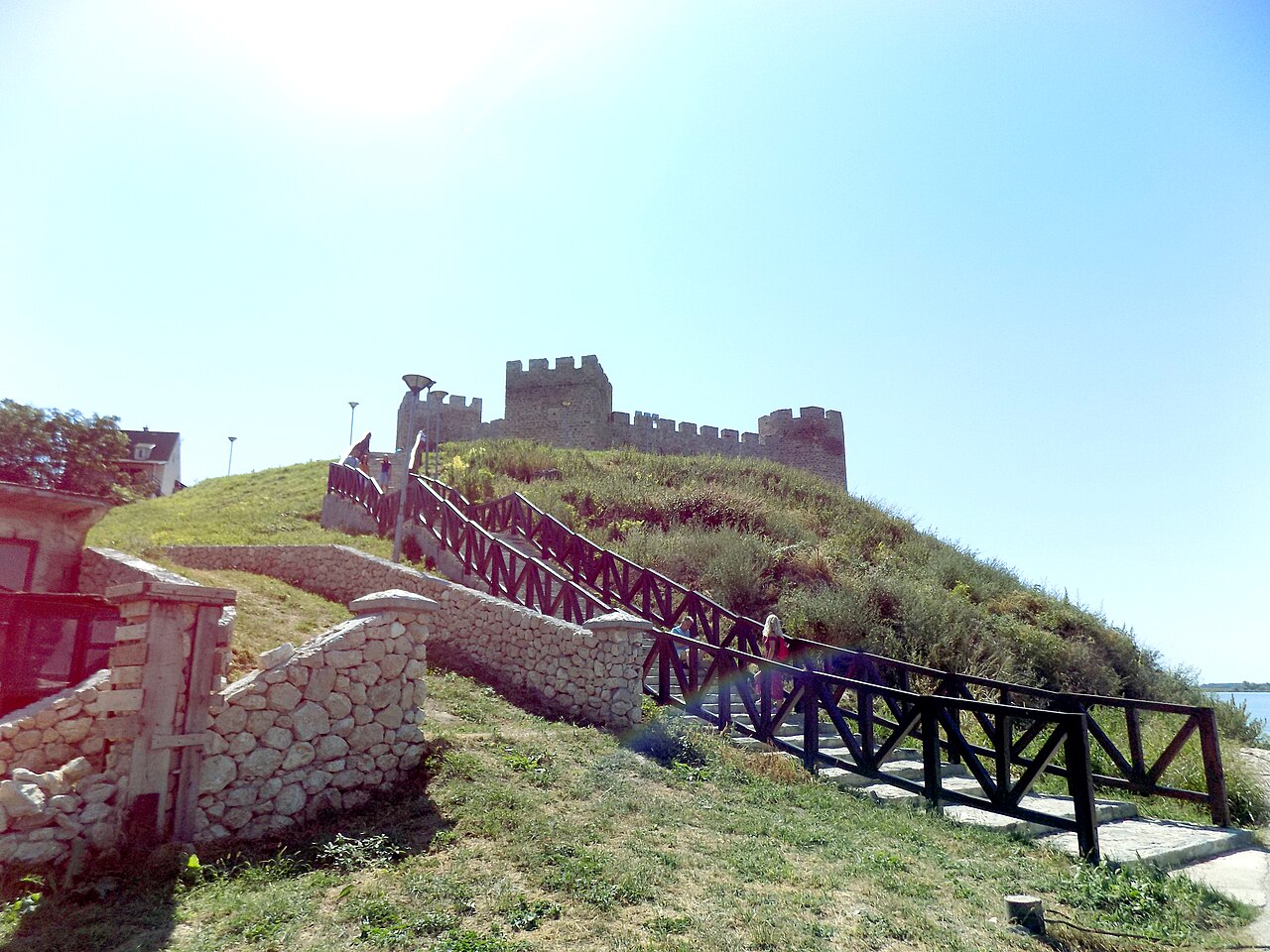
Smederevo Fortress stands as a monumental testament to medieval Serbian architecture and history. Constructed between 1427 and 1430 by the Serbian Despot Đurađ Branković, the fortress was designed to serve as the new capital of the Serbian Despotate after the loss of Belgrade. Strategically positioned at the confluence of the Danube and Jezava rivers, it was intended to control vital river traffic and act as a formidable defensive barrier against the advancing Ottoman Empire and the Kingdom of Hungary. The fortress’s location and robust design reflect the geopolitical tensions of the early 15th century in the Balkans.
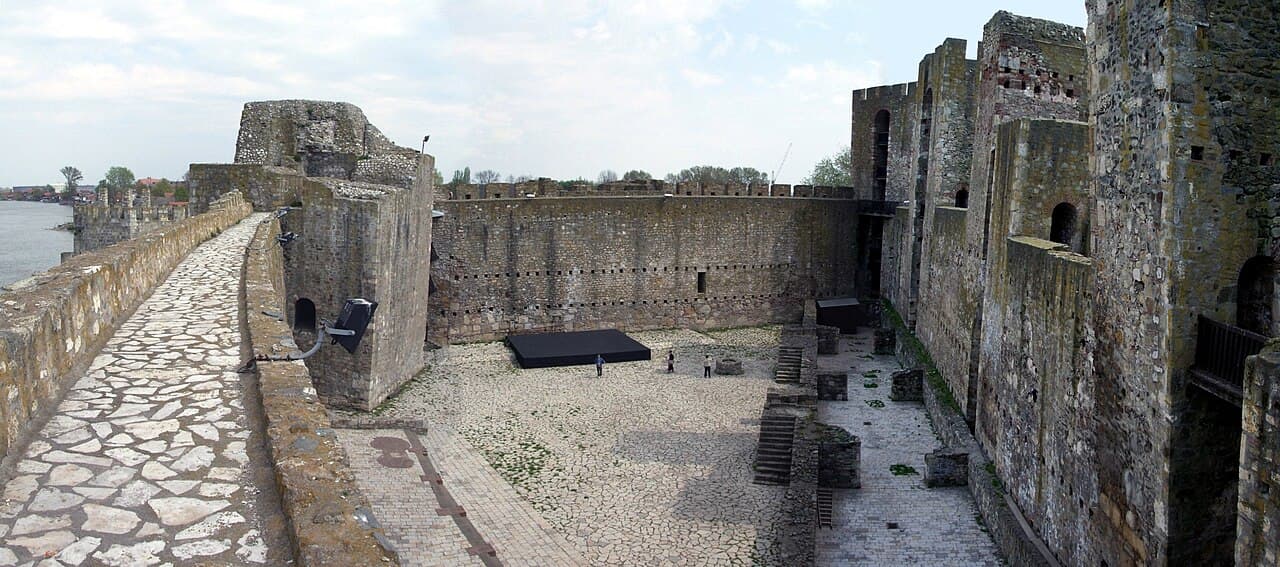
As a hill castle occupying approximately 11.3 hectares, Smederevo Fortress is notable for its extensive and thick walls, which stretch about 1.5 kilometers and incorporate 25 towers ranging from 20 to 25 meters in height. These walls, constructed from broken stone bonded with lime mortar and accented with red brickwork, are especially thick on the landward side, reaching up to 4.5 meters in width. The fortress’s architecture blends Gothic and Romanesque styles, evident in its decorative elements and structural features, making it a unique example of medieval fortification in the region.
Construction and architectural design
The fortress was meticulously planned and built under the direction of Despot Đurađ Branković as a symbol of Serbian resilience and sovereignty. Its triangular layout is dictated by the natural geography formed by the Danube and Jezava rivers, creating a natural moat on two sides. The fortress is divided into two main parts: the inner city known as the "Mali grad" (Small Town) and the outer fortified suburb called the "Veliki grad" (Great Town).
The inner city (Mali grad)
The Mali grad is a compact triangular area roughly 75 meters on each side, housing the despot’s fortified residence and key administrative buildings. Central to this section was the palace complex completed by 1430, featuring an audience hall with a distinctive throne room. This hall is renowned for its four double-arched windows that combine Gothic and Romanesque architectural elements, offering views over the Danube. The massive donjon tower, with walls over 4 meters thick, served as the last defensive refuge. The inner city also contained the treasury and other essential buildings supporting the ruling court.
The outer suburb (Veliki grad)
The Veliki grad surrounds the inner city and is much larger in area. It includes the ruins of the Blagoveštenjska (Annunciation) Church, constructed in multiple phases during the 15th century. This suburb also features a 17th-century Turkish bath, a remnant of Ottoman occupation. Access to the Danube was secured through a ship gate, a specialized entrance allowing direct river access for sailors and supplies, highlighting the fortress’s strategic importance for river control and trade.
Historical significance and military role
Smederevo Fortress was a crucial political and military center for the Serbian Despotate during a period of intense regional conflict. It hosted significant events such as the 1434 wedding of Despot Đurađ Branković’s daughter Katarina to Ulrich II of Celje and the signing of a peace treaty with Venice in 1435. The fortress endured multiple Ottoman sieges, notably in 1439, 1453, and 1456, with the 1439 siege marking the first recorded use of cannon fire against a Serbian fortress.
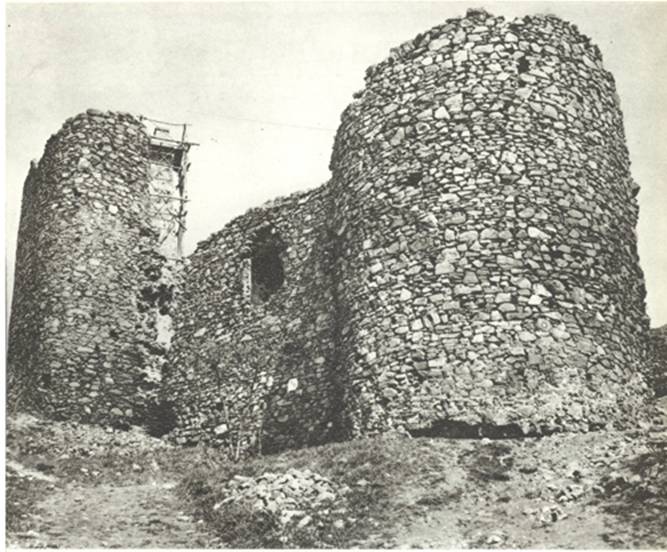
Despite its formidable defenses, the fortress eventually fell to the Ottomans in 1459, marking the end of medieval Serbian independence. Under Ottoman rule, it became the administrative center of a sanjak. Later, it briefly served as the heart of a revived Serbian state during the early 19th century (1805-1807). The fortress's military significance continued into the 20th century, notably during World War II when German forces used it to store ammunition. The 1941 explosion caused catastrophic damage and civilian casualties, followed by further destruction from Allied bombings in 1944.
Architectural features and unique elements
The fortress’s walls are a remarkable example of medieval fortification, combining strength with aesthetic details. The 25 towers vary in design but generally stand between 20 and 25 meters tall and about 11 meters wide. Many towers incorporate Gothic and Romanesque decorative motifs, including pointed arches and ornamental brickwork patterns.
A distinctive feature is the "Krstata kula" (Cross Tower) in the inner city, which bears a large brick inscription naming Despot Đurađ Branković and dating the fortress’s construction to the Byzantine calendar year 6938. This inscription is framed by an embedded cross, a unique dedication rarely found in Byzantine-influenced fortifications and unparalleled in the former Yugoslavia.
The fortress’s Ottoman modifications between 1460 and 1480 introduced reinforced escarpments, additional low walls, and four artillery towers. These towers feature a precise interplay of stone and red brick decorated with Byzantine meander patterns, reflecting the fusion of military innovation and artistic tradition during Ottoman rule.
Current condition and preservation efforts
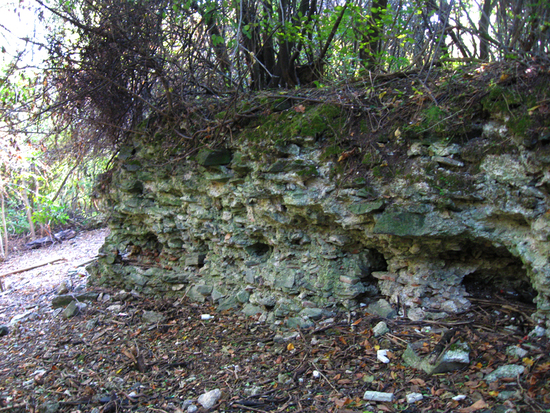
Today, Smederevo Fortress remains a cultural and historical landmark, although much of it is in a state of partial ruin. The southern wall collapsed following the 1941 ammunition explosion, and many towers and walls lean or are partially ruined. Restoration efforts began in the 1970s, focusing on stabilizing foundations and towers and protecting the site from modern threats such as urban encroachment and flooding caused by the nearby Iron Gate dam.
Vegetation overgrowth and proximity to infrastructure like railways and marinas pose ongoing challenges to preservation. Protective barriers have been constructed to mitigate flooding risks. While the inner city survives mainly as foundations and outlines, and the outer suburb is largely in ruins, the fortress’s remaining structures continue to illustrate its layered history and architectural grandeur.
Cultural importance and tourism
Smederevo Fortress is recognized as a Monument of Culture of Exceptional Importance since 1979, underscoring its significance in Serbian heritage. It attracts visitors interested in medieval history, military architecture, and the rich cultural tapestry of the Balkans. The fortress’s commanding location along the Danube offers scenic views and a tangible connection to Serbia’s medieval past.
Visitors can explore the fortress grounds, including the outlines of the despot’s palace, the remains of the Annunciation Church, and the Ottoman bath. Interpretive signage and guided tours provide insights into the fortress’s complex history and architectural features, making it an educational destination for history enthusiasts and tourists alike.
Frequently asked questions (FAQ)
- When was Smederevo Fortress built and by whom?
- Smederevo Fortress was built between 1427 and 1430 by Despot Đurađ Branković as the new capital of the Serbian Despotate after the loss of Belgrade.
- What architectural styles are visible in Smederevo Fortress?
- The fortress features a blend of Gothic and Romanesque architectural styles, with later Ottoman additions including artillery towers and decorative brickwork.
- Can visitors explore the interior of the fortress?
- Yes, visitors can explore the fortress grounds, including the remains of the despot’s palace, the Annunciation Church ruins, and the Ottoman bath, with guided tours available.
- What significant historical events took place at Smederevo Fortress?
- The fortress hosted the 1434 wedding of Despot Đurađ Branković’s daughter and the 1435 peace treaty with Venice, and it withstood several Ottoman sieges before falling in 1459.
- How has the fortress been preserved and restored?
- Restoration efforts began in the 1970s to stabilize foundations and towers, protect against flooding, and mitigate damage from past explosions and bombings.
Photo gallery

Information
Opening hours
9:00-17:00, daily
Ticket prices
€3 adult, €1.5 child
Current owner
State museum
Website
Visit websiteSources & official resources
Verify the information above using these authoritative references.
Loading map...
Visitor reviews
No reviews yet. Been here? Write the first review and help other travelers!
Write the first reviewVisited this castle? Share your experience
Your review helps other travelers and adds first-hand knowledge to our encyclopedia.