Belgrade Fortress
The Belgrade Fortress stands as a monumental symbol of Serbia's rich history and strategic importance at the confluence of the Sava and Danube rivers. Located in the heart of modern Belgrade, within the municipality of Stari Grad, this fortress complex encompasses the ancient citadel, divided into the Upper Town (Gornji Grad) and Lower Town (Donji Grad), alongside the expansive Kalemegdan Park, which itself is split into Large and Little Kalemegdan sections. The fortress and park together form one of the most significant cultural and historical landmarks in Serbia, attracting over two million visitors annually, making it the most visited tourist site in Belgrade.
Historical significance and cultural heritage
The origins of Belgrade Fortress date back to antiquity, with archaeological evidence suggesting continuous human settlement since the prehistoric period. It has been a critical military stronghold through various historical epochs, including Roman, Byzantine, medieval Serbian, Ottoman, and Austro-Hungarian periods. Its strategic location at the meeting point of two major rivers made it a coveted military and trading hub, influencing the fate of the region for centuries.
Declared a Monument of Culture of Exceptional Importance in 1979, the fortress is protected by the Republic of Serbia. This designation underscores its cultural value and the need for preservation of its architectural and archaeological heritage. The fortress has witnessed numerous battles, sieges, and reconstructions, each layer adding to its complex historical narrative.
Architectural layout and sections
The fortress is generally divided into four main sections. Two sections constitute the fortress proper: the Upper Town (Gornji Grad), which includes the main citadel structures such as defensive walls, towers, gates, and bastions, and the Lower Town (Donji Grad), which historically housed military barracks, armories, and auxiliary buildings. The other two sections are parts of the Kalemegdan Park, a large green space that surrounds the fortress and serves as a public recreational area today, divided into Large Kalemegdan and Little Kalemegdan.
The Tsarigrad Road, an ancient thoroughfare, historically separated these sections and now corresponds to a modern pedestrian path near the Cvijeta Zuzorić Art Pavilion. The fortress's layout reflects its evolution from a purely military installation to a cultural and leisure complex integrated within the urban fabric of Belgrade.
Fortress architecture and defensive features
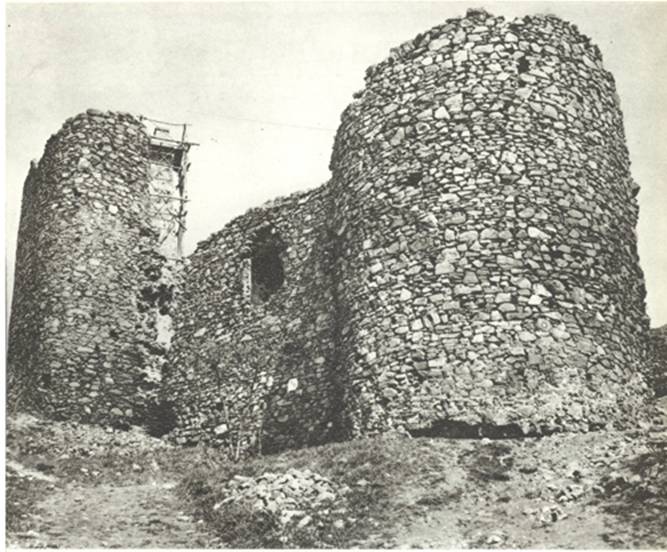
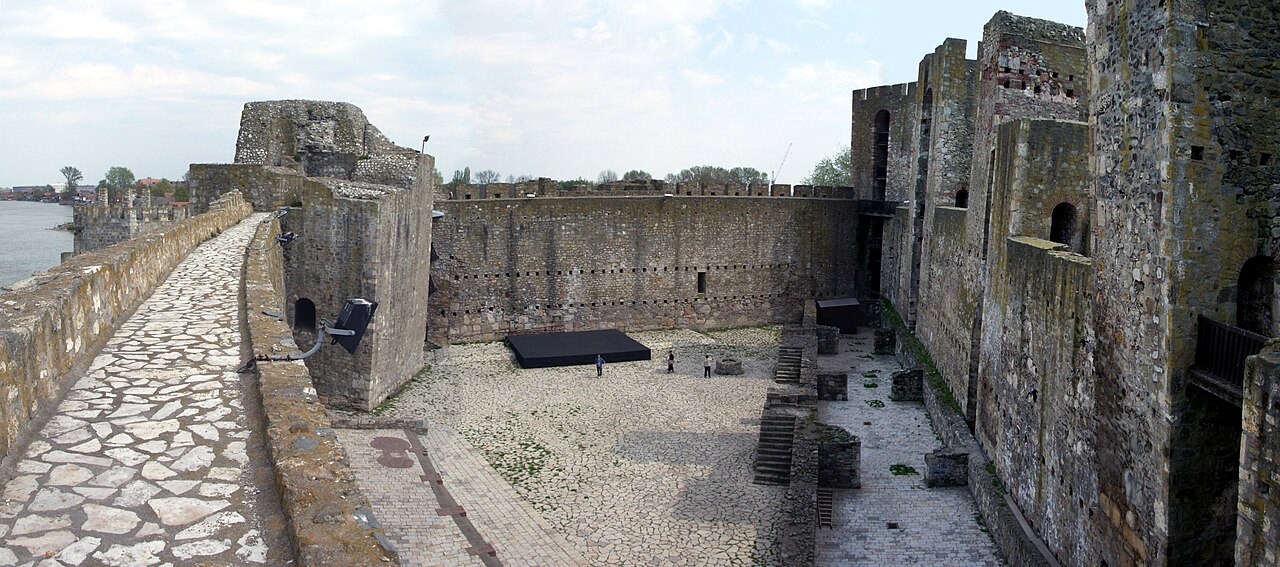
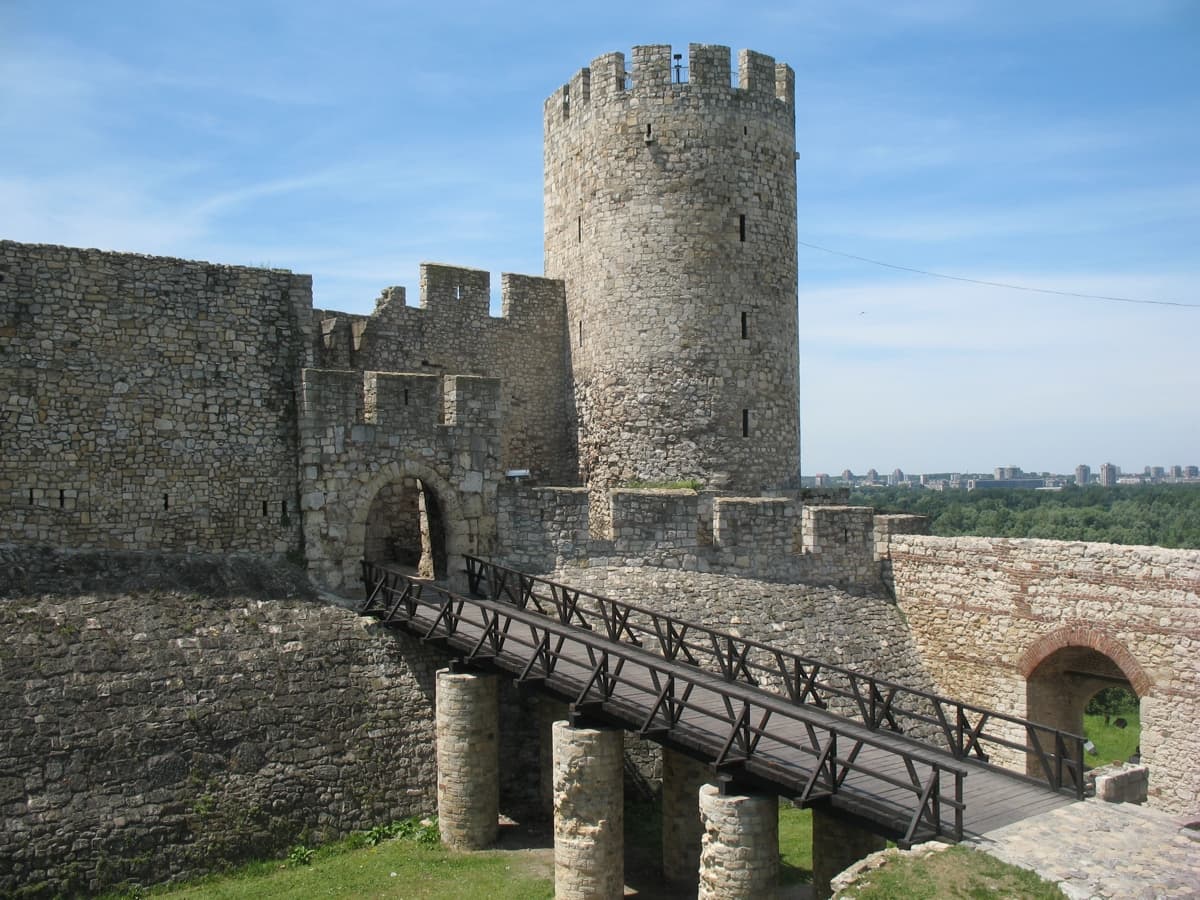
The Belgrade Fortress showcases a blend of architectural styles and defensive technologies accumulated over many centuries. The fortress walls are punctuated by numerous towers and bastions designed to withstand artillery fire and provide vantage points for surveillance. The main gates, including the Despot's Gate and Stambol Gate, are notable for their robust construction and historical significance.
Within the fortress, visitors can explore remnants of medieval fortifications, Ottoman-era structures, and later Austro-Hungarian modifications. The complex also contains underground passages, dungeons, and artillery platforms, illustrating the fortress's role in regional defense across different eras.
Kalemegdan park and cultural role
The Kalemegdan Park surrounding the fortress is a cherished public space, blending natural beauty with historical monuments. It features walking paths, gardens, statues, and viewpoints overlooking the rivers and the city. The park is a popular venue for cultural events, concerts, and festivals, enhancing the fortress's role beyond military history to a vibrant cultural hub.
Landmarks within the park include the Ružica Church, a small Serbian Orthodox church with a rich history, and the Military Museum, which houses extensive collections related to the fortress and Serbian military history.
Visiting the fortress today
Belgrade Fortress is freely accessible to the public year-round, making it an inviting destination for tourists and locals alike. Its central location and panoramic views of the Danube and Sava rivers provide excellent photographic opportunities. The site offers educational signage and guided tours that delve into its complex history and architectural evolution.
Visitors can enjoy a leisurely stroll through the Upper and Lower Towns, explore the Kalemegdan Park, and visit cultural institutions within the complex. The fortress's integration into the urban landscape of Belgrade makes it a unique example of a historic military site adapted for modern public use.
Frequently asked questions (FAQ)
- What is the historical significance of Belgrade Fortress?
- Belgrade Fortress has a rich history that dates back to ancient Roman times, serving as a strategic military stronghold for various empires, including the Romans, Ottomans, and Austrians. It symbolizes the tumultuous past of Belgrade and offers insights into the city's evolution over centuries.
- When was Belgrade Fortress built?
- The construction of Belgrade Fortress began in the 1st century AD, with significant expansions and renovations occurring in the following centuries. The fortress as it stands today is a result of various architectural styles influenced by the different cultures that occupied the area.
- Can I visit Belgrade Fortress?
- Yes, Belgrade Fortress is open to the public, allowing visitors to explore its extensive grounds, historical structures, and beautiful views of the confluence of the Sava and Danube rivers. It is a popular destination for tourists and locals alike.
- What are the opening hours for Belgrade Fortress?
- Belgrade Fortress is generally open year-round, with visiting hours varying by season. Typically, it is open from 10 AM to 8 PM during the summer months and from 10 AM to 6 PM in the winter, but it’s advisable to check the official website for any updates or changes.
- Is it possible to access Belgrade Fortress with a wheelchair?
- Yes, Belgrade Fortress has made efforts to improve accessibility for all visitors, including those with mobility challenges. However, some areas may have uneven surfaces or steep paths, so it’s wise to plan your visit accordingly.
- What is the best time to visit Belgrade Fortress?
- The best time to visit Belgrade Fortress is during the spring and early autumn months when the weather is mild and pleasant. This allows for a comfortable exploration of the fortress grounds and stunning views without the summer crowds.
- Are there any nearby attractions to visit?
- Yes, in addition to Belgrade Fortress, visitors can explore nearby attractions such as Kalemegdan Park, the Military Museum, and the historic Skadarlija district. These sites complement your visit to the fortress and offer a deeper understanding of Belgrade’s culture and history.
- What are the ticket prices for Belgrade Fortress?
- Entry to the grounds of Belgrade Fortress is generally free, making it an accessible attraction for everyone. However, certain museums and exhibitions within the fortress may have separate admission fees, so it's best to check upon arrival.
Photo gallery

Information
Loading map...
Visitor reviews
No reviews yet. Been here? Write the first review and help other travelers!
Write the first reviewVisited this castle? Share your experience
Your review helps other travelers and adds first-hand knowledge to our encyclopedia.