Znojmo Castle
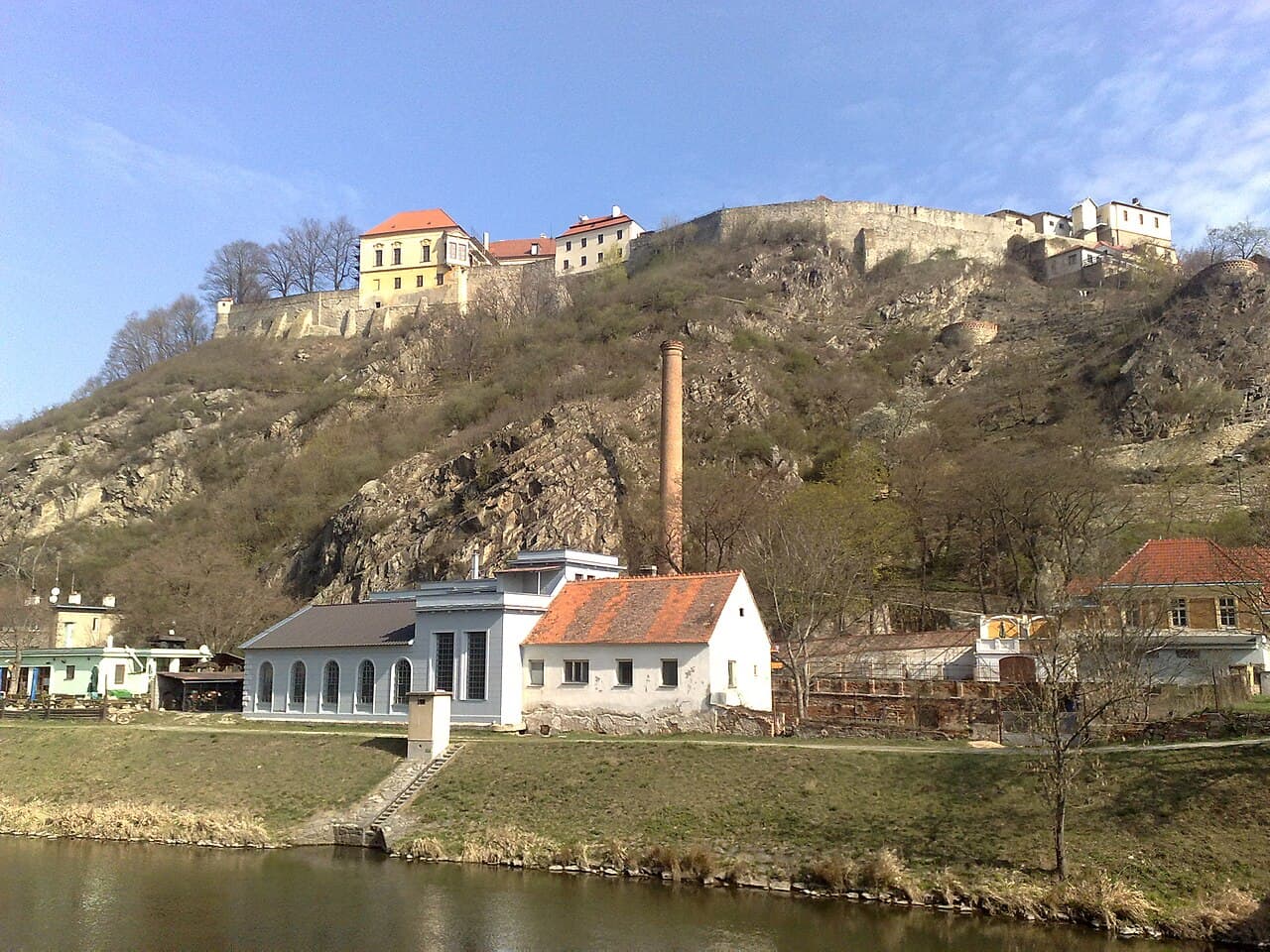
Znojmo Castle, located in the town of Znojmo, Czechia, is a remarkable example of a high medieval hill castle with a rich history dating back to the 11th century. Originally constructed as a wooden fortress around 1080 by Duke Bretislav I of Bohemia, it was strategically positioned to oversee the Dyje River valley and protect the region from Austrian incursions. This early fortification replaced an older castle across the Granice Valley and played a crucial role in the defense and administration of the surrounding territory.
The wooden structure was destroyed in 1140 during internal conflicts but was soon rebuilt in stone by the late 12th century. This reconstruction marked the transition to a more durable and imposing fortress featuring thick stone walls, a deep moat, and an entrance guarded by the distinctive octagonal Robber's Tower, a defensive feature that stood until its collapse in 1892. The castle's stone form solidified its status as a regional power center, serving as the residence for Moravian nobles and a military stronghold.
Medieval origins and strategic importance
The castle's origins are closely tied to the Přemyslid dynasty's efforts to consolidate their control over Moravia and defend against external threats. Its location on a hill overlooking the Dyje River allowed for extensive surveillance of the valley and key trade routes. The founding of the royal town of Znojmo by King Ottokar I of Bohemia further enhanced the castle's significance, integrating it into the town's fortifications and establishing it as a military and administrative hub.
Role in regional politics and warfare
Znojmo Castle played a pivotal role during the Hussite Wars in the 15th century, remaining loyal to King Sigismund of Luxembourg. Sigismund, who later became Holy Roman Emperor, frequently visited the castle and ultimately died there in 1437. The castle also hosted significant diplomatic events, such as the 1335 marriage between Anna of Bohemia and Duke Otto IV of Austria, emphasizing its importance in Bohemian and Central European politics.
Architectural evolution and later modifications
Following damage from Turkish raids and a destructive fire in 1630, the castle underwent repairs but gradually lost its military relevance by the late 17th century after the threat from the Ottoman Empire diminished. In 1710, Emperor Joseph I redeemed the castle, and the Deblin family acquired the rear portion, demolishing the medieval palace and moat to construct a new Baroque chateau between 1711 and 1721. This three-winged building, arranged around a ceremonial courtyard, overlooks the Dyje valley and reflects the architectural tastes of the early 18th century.
In contrast, parts of the castle's front end were sold to local citizens and transformed into the Hostan brewery, which remains a significant local enterprise. The castle complex also served various functions over the centuries, including military barracks and a hospital in the 19th century, before parts were adapted for use as a city museum featuring frescoes of Czech and Habsburg rulers.
Notable architectural features
The most enduring and historically significant structure within the castle complex is the Romanesque rotunda of Saint Catherine and the Virgin Mary. Dating from the first half of the 12th century, this small chapel is renowned for its 11th-century frescoes depicting biblical scenes and the history of the Přemyslid dynasty. These frescoes provide rare insight into medieval religious art and dynastic symbolism, linking the site to its early medieval origins.
The lost Robber's Tower was a unique octagonal defensive tower that guarded the castle entrance, illustrating the castle's military architecture. Although it collapsed in the late 19th century, historical records and archaeological findings highlight its importance in the castle's defensive system.
Archaeological significance and cultural heritage
Archaeological excavations at Znojmo Castle have uncovered artifacts dating back to the 4th millennium BCE, indicating that the site held cultural and possibly religious significance long before the medieval fortress was built. This deep historical layering adds to the castle's importance as a heritage site.
Today, the castle complex reflects a blend of medieval and Baroque architecture, with the Romanesque rotunda standing as a testament to the site's origins. The castle remains a symbol of regional identity and historical continuity in Moravia, attracting visitors interested in medieval history, architecture, and art.
Visiting znojmo castle
Visitors to Znojmo Castle can explore the preserved Romanesque rotunda, the Baroque chateau, and the remnants of the medieval fortifications. The castle's location offers panoramic views of the Dyje valley and the town of Znojmo. The site also hosts cultural events and exhibitions that highlight its historical significance.
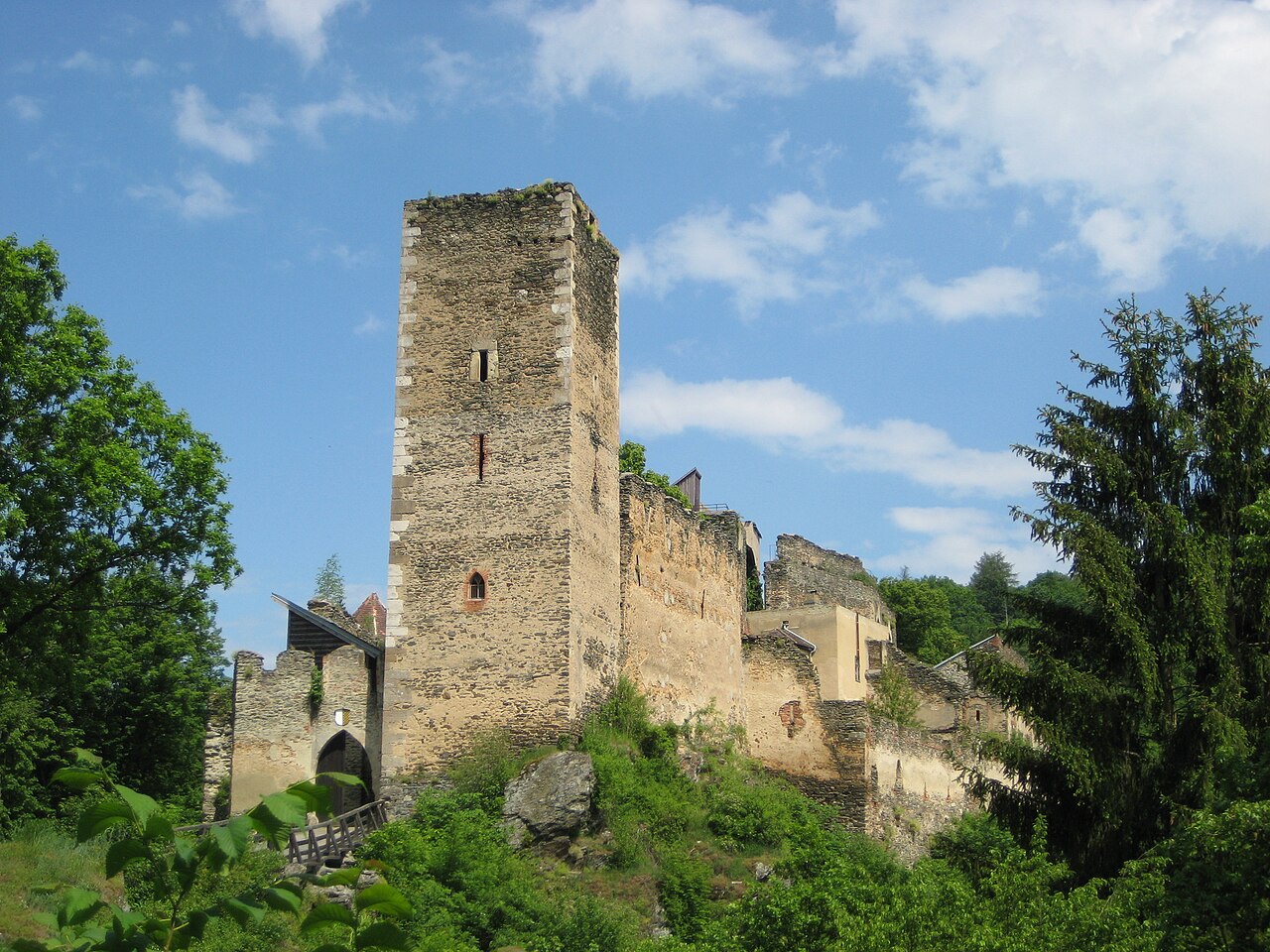
While the original medieval castle is largely in ruins, the combination of surviving structures and later additions provides a comprehensive narrative of the site's evolution from a strategic fortress to a noble residence and cultural landmark.
Frequently asked questions (FAQ)
- When was Znojmo Castle originally built?
- Znojmo Castle was originally built as a wooden fortress around 1080 by Duke Bretislav I of Bohemia and was rebuilt in stone in the late 12th century.
- What is the Romanesque rotunda at Znojmo Castle?
- The Romanesque rotunda is a small chapel dedicated to Saint Catherine and the Virgin Mary, featuring 11th-century frescoes depicting biblical scenes and the Přemyslid dynasty.
- Can visitors access the Baroque chateau at Znojmo Castle?
- Yes, the Baroque chateau built by the Deblin family between 1711 and 1721 is part of the castle complex and is accessible to visitors, often hosting exhibitions and cultural events.
- What happened to the robber's tower?
- The octagonal robber's tower that once guarded the castle entrance collapsed in 1892 due to neglect and no longer survives.
- Is Znojmo Castle open year-round?
- Visiting hours may vary seasonally; it is best to check with the local municipality or tourist information center for current opening times and guided tours.
Photo gallery

Information
Sources & official resources
Verify the information above using these authoritative references.
Loading map...
Visitor reviews
No reviews yet. Been here? Write the first review and help other travelers!
Write the first reviewVisited this castle? Share your experience
Your review helps other travelers and adds first-hand knowledge to our encyclopedia.