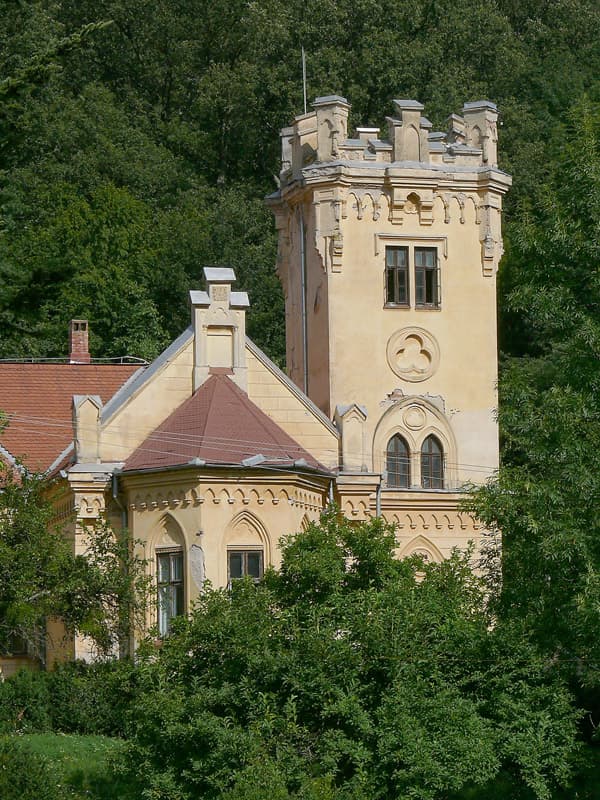
Zichy mansion in Gheghie — Romania castle

Zichy mansion in Gheghie

Zichy mansion in Gheghie

The Zichy mansion in Gheghie is a historic castle located in Romania, notable for its position as a hill castle. While the exact city location within Romania is not specified, the mansion holds significance as a regional architectural landmark. The castle's origins and detailed history remain less documented, but its classification as a hill castle indicates a strategic placement typically chosen for defensive advantages and commanding views over the surrounding landscape.

Architectural features and style

The mansion exhibits characteristics typical of hill castles, which are often constructed on elevated terrain to maximize natural fortifications. This type of location offers both defensive benefits and a prestigious setting for noble residences. The architectural style of the Zichy mansion is not explicitly recorded, but hill castles in Romania from historical periods often combine elements of Renaissance and Baroque influences, reflecting the tastes of aristocratic families such as the Zichy family, who were prominent in Central and Eastern Europe.

The structure likely includes traditional features such as fortified walls, towers or bastions, and a central residential building. The layout would have been designed to balance defense with comfort, incorporating courtyards and possibly gardens, which were common in noble estates of the region.

Historical context and ownership

The Zichy family was a noble lineage with roots in Hungary and Transylvania, regions historically intertwined with Romanian territories. Their estates often served as administrative and social centers. The Gheghie mansion would have been part of their holdings, serving as a residence and symbol of their status.

Throughout history, such mansions were not only homes but also hubs for local governance and economic activity. The Zichy mansion's strategic hilltop location would have reinforced its role in overseeing the surrounding lands.

Preservation and current condition

Information about the current condition of the Zichy mansion in Gheghie is limited. Many historic castles and mansions in Romania have faced challenges related to preservation, including deterioration due to neglect or lack of funding for restoration. It is possible that the mansion is partially preserved or in need of restoration to maintain its structural integrity and historical value.

Visiting and cultural significance

While specific visiting hours and ticket information for the Zichy mansion in Gheghie are not available, such historic sites often attract visitors interested in regional history, architecture, and heritage tourism. The mansion contributes to the cultural landscape of Romania by representing the architectural and social history of noble families in the region.

Visitors to hill castles like the Zichy mansion can typically enjoy scenic views, explore historic architecture, and gain insight into the lifestyle of aristocracy in past centuries.

Frequently asked questions

  • What is the historical significance of the Zichy mansion in Gheghie?
    The mansion represents the heritage of the Zichy noble family and their role in regional history, serving as a residence and administrative center.
  • Can I visit the Zichy mansion in Gheghie?
    Specific visiting information is not widely available, so it is advisable to check locally for access and opening hours.
  • What architectural style does the mansion feature?
    While exact details are scarce, the mansion likely combines Renaissance and Baroque elements common to noble estates in the region.
  • Is the mansion well preserved?
    There is limited information on its current condition; it may require restoration to preserve its historical features.
  • Where is the Zichy mansion located exactly?
    The mansion is in Gheghie, Romania, but the precise city or street address is not documented.

Frequently asked questions (FAQ)

How do I get to Zichy Mansion in Gheghie?
You can reach Zichy Mansion by car or public transport from major cities in Romania. The nearest train station is in Gheghie, and from there, you can take a taxi or walk to the mansion, which is located a short distance from the center of the village.
What is the historical significance of Zichy Mansion?
Zichy Mansion is a remarkable example of Neo-Renaissance architecture and has a rich history dating back to the 19th century. It was built by the Zichy family, who were influential figures in the region, and has served various purposes over the years, including as a private residence and a cultural venue.
When was Zichy Mansion built?
Zichy Mansion was constructed between 1862 and 1865. Its design reflects the architectural trends of the time, showcasing elegant details and a grand structure that has attracted visitors for generations.
Can I take guided tours of Zichy Mansion?
Yes, guided tours are available at Zichy Mansion, providing visitors with in-depth insights into its history and architecture. These tours typically last about an hour and are led by knowledgeable guides who share fascinating stories about the mansion and its past.
Why is Zichy Mansion considered an architectural gem?
Zichy Mansion is considered an architectural gem due to its intricate design, beautiful frescoes, and impressive layout. The combination of Neo-Renaissance elements with local influences makes it a unique representation of the region's cultural heritage.
Is it possible to host events at Zichy Mansion?
Yes, Zichy Mansion is available for private events, including weddings and corporate functions. Its enchanting surroundings and historic ambiance make it an ideal location for memorable gatherings.
What are the opening hours for Zichy Mansion?
Zichy Mansion is open to visitors from Wednesday to Sunday, with hours varying by season. It is recommended to check the official website or contact the mansion directly for the most current opening times before planning your visit.
What are the ticket prices for visiting Zichy Mansion?
Ticket prices for Zichy Mansion are generally affordable, with discounts available for students and seniors. Special rates may apply for group visits, so it is advisable to inquire ahead of your visit.
What is the best time to visit Zichy Mansion?
The best time to visit Zichy Mansion is during the spring and early autumn months when the weather is pleasant and the surrounding gardens are in full bloom. These seasons offer ideal conditions for exploring the mansion and enjoying its beautiful grounds.
Are there any nearby attractions to visit after Zichy Mansion?
Yes, there are several nearby attractions, including local churches and natural parks that showcase the area's scenic beauty. Visitors can also explore traditional Romanian villages to experience local culture and cuisine.

Photo gallery

Zichy mansion in Gheghie
Click to view

Photo by User:Pasztilla aka Attila Terbócs•CC BY 3.0

1 photo • Click any image to view in full screen

Information

Hill Castle

Loading map...

Visitor reviews

No reviews yet. Been here? Write the first review and help other travelers!

Write the first review

Visited this castle? Share your experience

Your review helps other travelers and adds first-hand knowledge to our encyclopedia.
Write a review

(5/5)

0/2000 characters

Your review will be visible after admin approval

Nearby castles

14.6 km
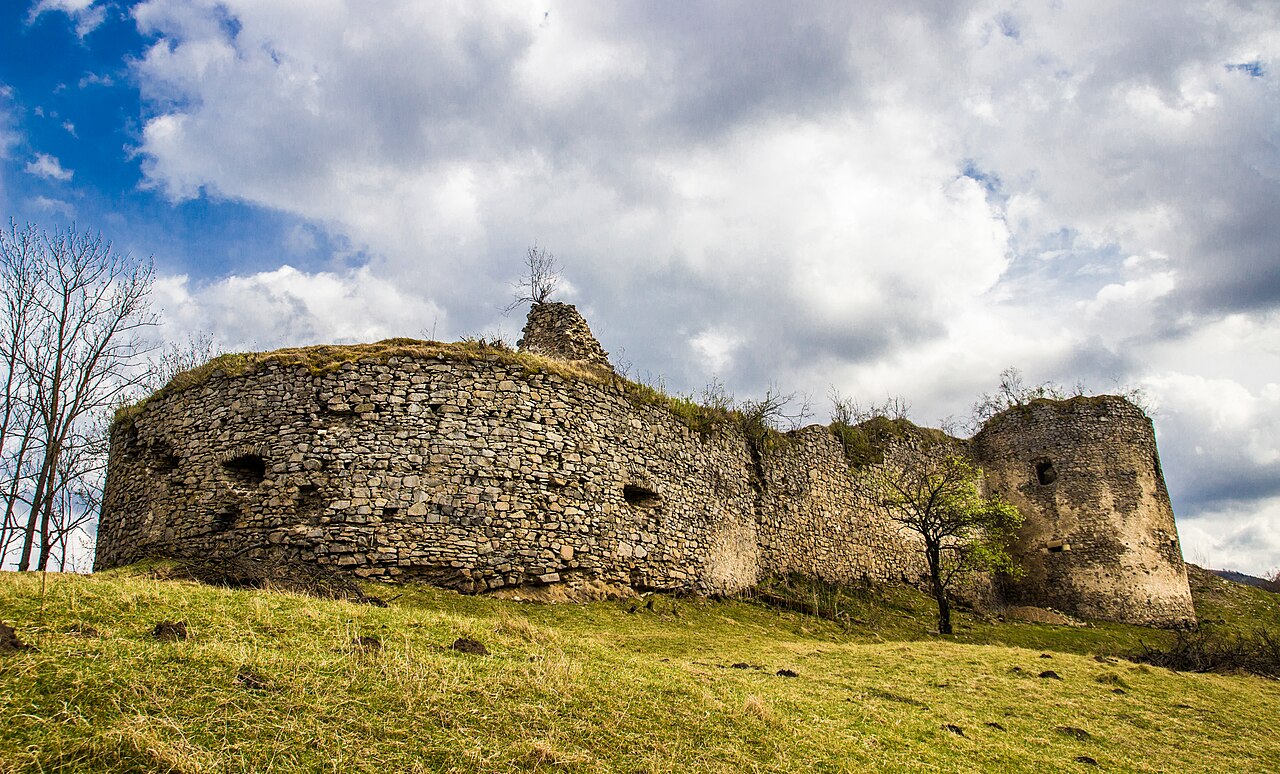
Ruinele cetății Șinteu — Romania castle

Ruinele cetății Șinteu

, Romania

Ruinele cetății Șinteu is a historic hill castle ruin located in Romania, notable for its medieval origins and strategic placement. Although the exact city location is not well-documented, the castle remains an important example of early defensive architecture in the region. The castle's elevated position on a hill provided a natural vantage point for surveillance and protection against invaders during the medieval period. Historical context and significance The castle dates back to the High to Late Medieval period, a time characterized by frequent territorial conflicts and the need for fortified structures throughout Transylvania and surrounding areas. Castles such as Ruinele cetății Șinteu served as defensive strongholds, administrative centers, and symbols of feudal power. While detailed historical records specific to this castle are scarce, it is understood that it played a role in regional defense systems and local governance during the Middle Ages. Architectural features and construction As a hill castle, Ruinele cetății Șinteu was constructed to take advantage of the natural topography, with steep slopes enhancing its defensive capabilities. The remnants suggest the presence of typical medieval fortification elements such as stone walls and possibly a keep or donjon, which would have served as the last refuge during sieges. The castle likely included a courtyard and defensive towers positioned to cover key approaches. The construction materials primarily consisted of locally sourced stone, shaped and assembled to form robust defensive walls. The layout would have been adapted to the contours of the hill, resulting in an irregular plan suited to the terrain rather than a symmetrical design. This type of construction reflects the practical and strategic considerations of medieval military architecture. Current condition and preservation Today, Ruinele cetății Șinteu stands as ruins, with only partial remains of its original structures visible. The castle's state reflects centuries of exposure to natural elements and the effects of historical conflicts. Despite this, the ruins offer valuable insights into medieval fortification techniques and the historical landscape of the region. Preservation efforts, if any, are limited, and the site primarily attracts visitors interested in history, archaeology, and hiking. The castle's hilltop location also provides panoramic views of the surrounding countryside, adding to its appeal for cultural tourism. Visiting information and accessibility Access to Ruinele cetății Șinteu may require hiking or walking up the hill, as typical for many hill castles. Visitors should prepare for uneven terrain and bring appropriate footwear. Due to the lack of extensive facilities or on-site management, it is advisable to check local information sources before planning a visit. The castle is of interest to those fascinated by medieval architecture, Romanian history, and natural landscapes. It offers a quiet and evocative experience for visitors seeking to explore lesser-known historical sites. Architectural style and influences The castle's architectural style aligns with the practical and defensive priorities of medieval fortifications in Eastern Europe. While specific stylistic details are difficult to ascertain due to the ruinous state, the use of stone and the hilltop location reflect common trends in castle building during the High and Late Medieval periods. Influences likely include regional adaptations to local materials and terrain, as well as military architectural principles aimed at maximizing defense against siege warfare.

High Medieval (11th–13th c.)
Details
31.3 km
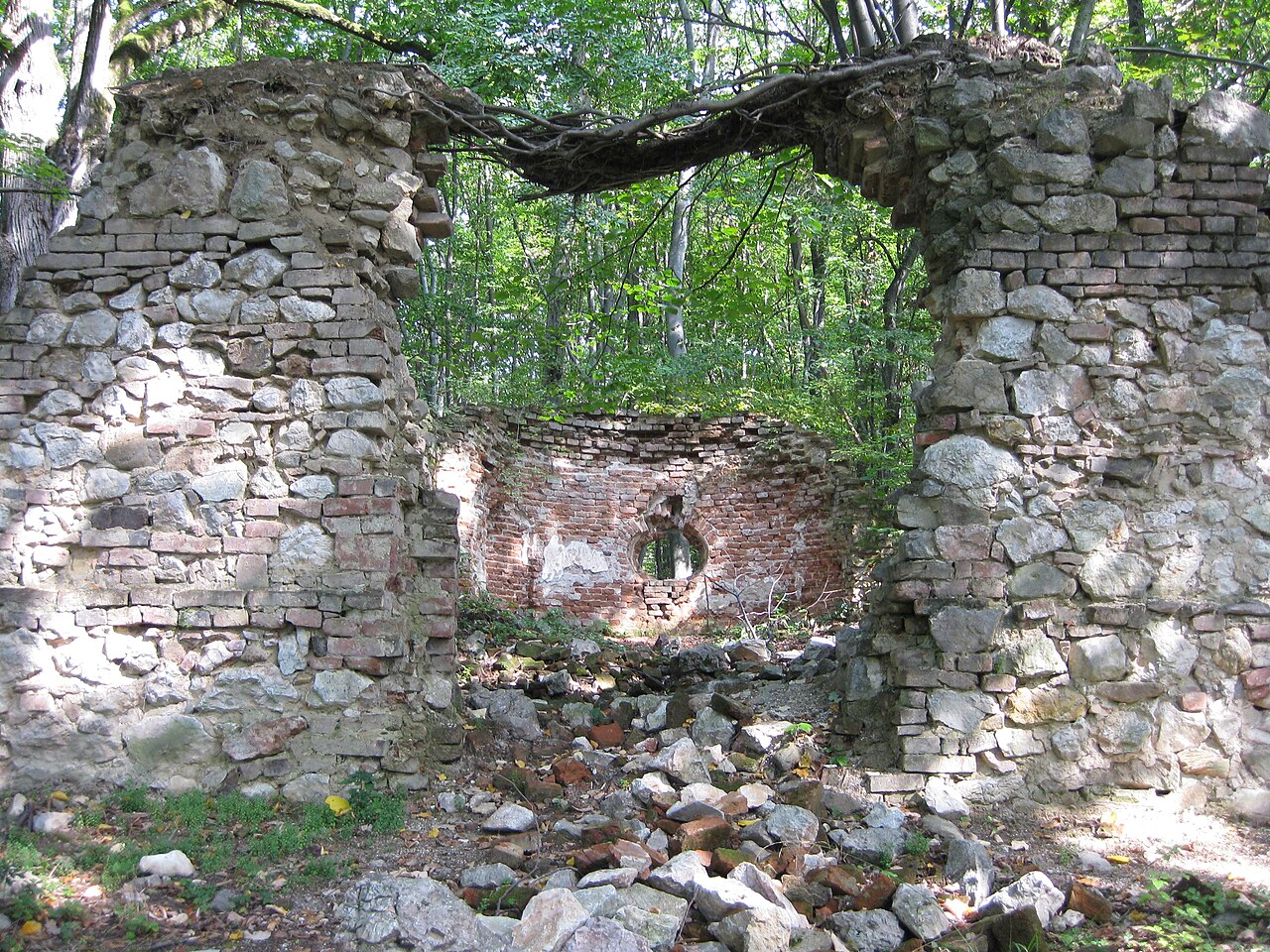
Bologa Castle — Romania castle

Bologa Castle

, Romania

Bologa Castle is a medieval hill castle located in Romania, known for its strategic position atop a prominent hill overlooking the surrounding landscape. This fortress played a significant role in regional defense during the medieval period, serving as a military stronghold and a symbol of feudal authority.Historical background and significanceThe origins of Bologa Castle trace back to the High Medieval period, with initial construction likely occurring in the 13th or 14th century. It was built to control important trade routes and to defend against invasions, particularly from Ottoman forces advancing into Transylvania. Over the centuries, the castle witnessed several sieges and changes in ownership, reflecting the turbulent history of the region.Throughout its history, Bologa Castle was part of the defensive network of fortifications in Transylvania, contributing to the protection of the local population and the maintenance of political control by various noble families. Its location on a hill provided a commanding view, which was crucial for early warning and defense.Architectural features and layoutThe castle's design follows typical characteristics of a hill castle, with fortifications adapted to the natural terrain. It features robust stone walls that enclose the inner courtyard, with remnants of defensive battlements and towers that once provided vantage points for archers and lookouts.Key architectural elements include a keep or donjon, which served as the last line of defense and the residence of the castle's lord. The castle also had a gatehouse that controlled access to the interior, often fortified with a drawbridge and portcullis in its prime.Although now partially in ruins, the remaining structures give insight into the castle's original layout, including living quarters, storage rooms, and defensive works. The castle's position on a rocky hilltop adds to its natural defenses, making it difficult to assault directly.Preservation and current conditionToday, Bologa Castle is classified as partially preserved. While some sections of the walls and towers remain intact, much of the castle has succumbed to the ravages of time and neglect. Restoration efforts have been limited but ongoing, aiming to stabilize the ruins and make the site accessible to visitors.The castle is a popular destination for hikers and history enthusiasts who appreciate its scenic views and the glimpse it offers into medieval military architecture. Interpretive signage and guided tours help visitors understand the castle's historical context and architectural features.Visiting Bologa CastleVisitors to Bologa Castle can explore the ruins and enjoy panoramic views of the surrounding Romanian countryside. The site is accessible by hiking trails leading up the hill, which provide an immersive experience of the natural landscape and historical setting.While facilities are limited due to the site's preservation status, visitors are encouraged to wear appropriate footwear and prepare for uneven terrain. The castle's remote location offers a peaceful atmosphere away from urban centers, making it an attractive spot for cultural tourism and outdoor activities.

High Medieval (11th–13th c.)
Details
43.8 km
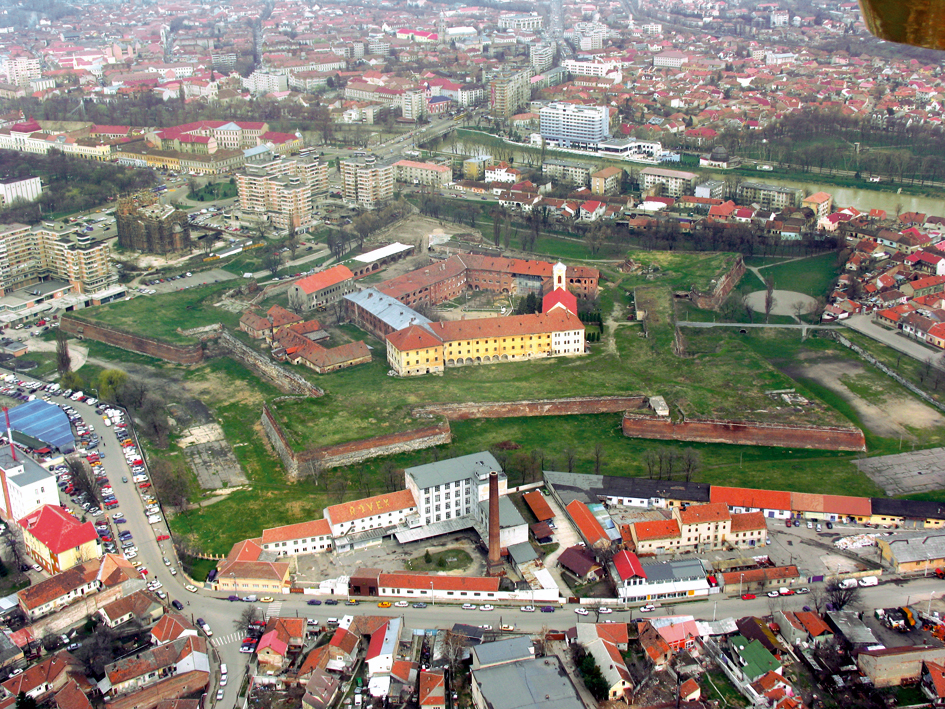
Oradea Citadel — Romania castle

Oradea Citadel

Oradea, Romania

Oradea Citadel is a prominent bastioned fortress located in the city of Oradea, in western Romania. This fortress is a significant example of Renaissance military architecture in Eastern Europe, reflecting the strategic military innovations of the 16th and 17th centuries. Its design incorporates star-shaped bastions which were developed to better resist artillery attacks, a hallmark of the bastioned fortress style that replaced earlier medieval fortifications. Historical background and strategic significance The origins of Oradea Citadel date back to the medieval period, but it underwent major reconstruction and expansion during the 16th century to adapt to the evolving demands of warfare, particularly the increasing use of gunpowder artillery. The fortress was built on the site of an earlier medieval castle, which had served as a defensive stronghold in the region. Its location near the borderlands of the Kingdom of Hungary and the Ottoman Empire made it a key military and administrative center. Throughout its history, the citadel played a crucial role in the defense against Ottoman incursions and was repeatedly besieged during the numerous conflicts that shaped the region. It also functioned as a residence for local rulers and a center of governance, illustrating its dual military and civil importance. Architectural features and layout Bastioned design and fortifications The fortress is characterized by its star-shaped layout with multiple bastions projecting outward to provide overlapping fields of fire. This design allowed defenders to cover the walls with cannon and musket fire effectively, minimizing blind spots and enhancing the fortress's defensive capabilities. The walls are thick and angled to deflect cannonballs, and the bastions are connected by curtain walls forming a polygonal enclosure. Gates, towers, and internal structures Oradea Citadel features several fortified gates, including the main entrance gate equipped with defensive mechanisms such as portcullises and murder holes. The fortress also includes various towers used for observation and defense, some of which housed artillery placements. Inside the walls, there were barracks, armories, storerooms, and administrative buildings, supporting both military and civilian functions. Renaissance influences and later modifications The reconstruction of the citadel in the 16th century incorporated Renaissance architectural principles, emphasizing symmetry, geometric precision, and functional design tailored for artillery warfare. Over the centuries, the fortress underwent several modifications to strengthen its defenses and adapt to changing military technologies. These included reinforcing bastions, adding new artillery platforms, and improving living quarters for the garrison. Current condition and cultural importance Today, Oradea Citadel is partially preserved and remains an important cultural landmark in Oradea. It attracts visitors interested in military history and Renaissance architecture. Conservation efforts have focused on stabilizing the existing structures and presenting the fortress as a historical monument that illustrates the evolution of fortification techniques in Eastern Europe. The citadel's location within the urban fabric of Oradea provides a tangible connection to the city's past and serves as a venue for cultural events and educational programs that highlight its historical and architectural significance. Visiting oradea citadel Visitors to Oradea Citadel can explore the fortress grounds, walk along the bastions, and view exhibitions related to the history of the fortress and the region. The site offers a unique opportunity to experience a well-preserved example of a bastioned fortress that played a pivotal role in the military history of Romania and Central Europe.

Renaissance (15th–17th c.)
Details