Bologa Castle — Romania castle

Bologa Castle

Bologa Castle in Romania
High Medieval (11th–13th c.)
Partially Preserved

Bologa Castle is a medieval hill castle located in Romania, known for its strategic position atop a prominent hill overlooking the surrounding landscape. This fortress played a significant role in regional defense during the medieval period, serving as a military stronghold and a symbol of feudal authority.

Historical background and significance

The origins of Bologa Castle trace back to the High Medieval period, with initial construction likely occurring in the 13th or 14th century. It was built to control important trade routes and to defend against invasions, particularly from Ottoman forces advancing into Transylvania. Over the centuries, the castle witnessed several sieges and changes in ownership, reflecting the turbulent history of the region.

Throughout its history, Bologa Castle was part of the defensive network of fortifications in Transylvania, contributing to the protection of the local population and the maintenance of political control by various noble families. Its location on a hill provided a commanding view, which was crucial for early warning and defense.

Architectural features and layout

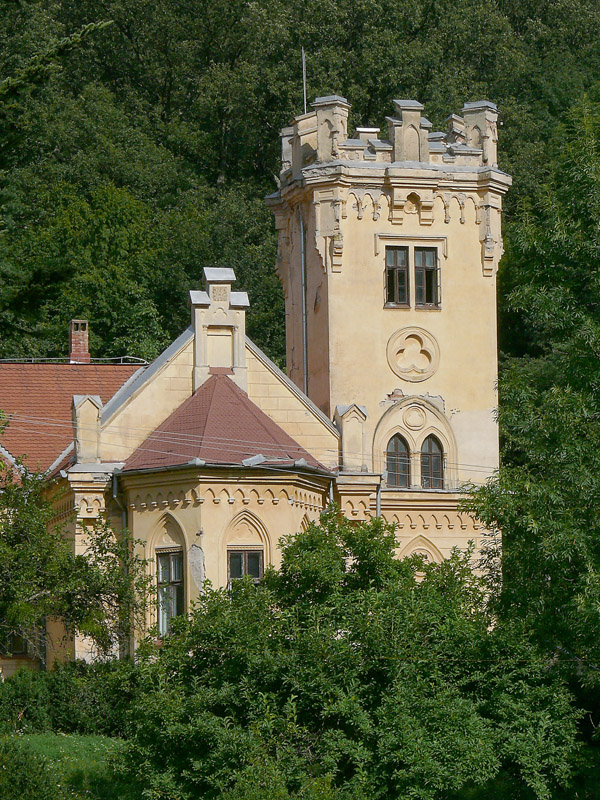
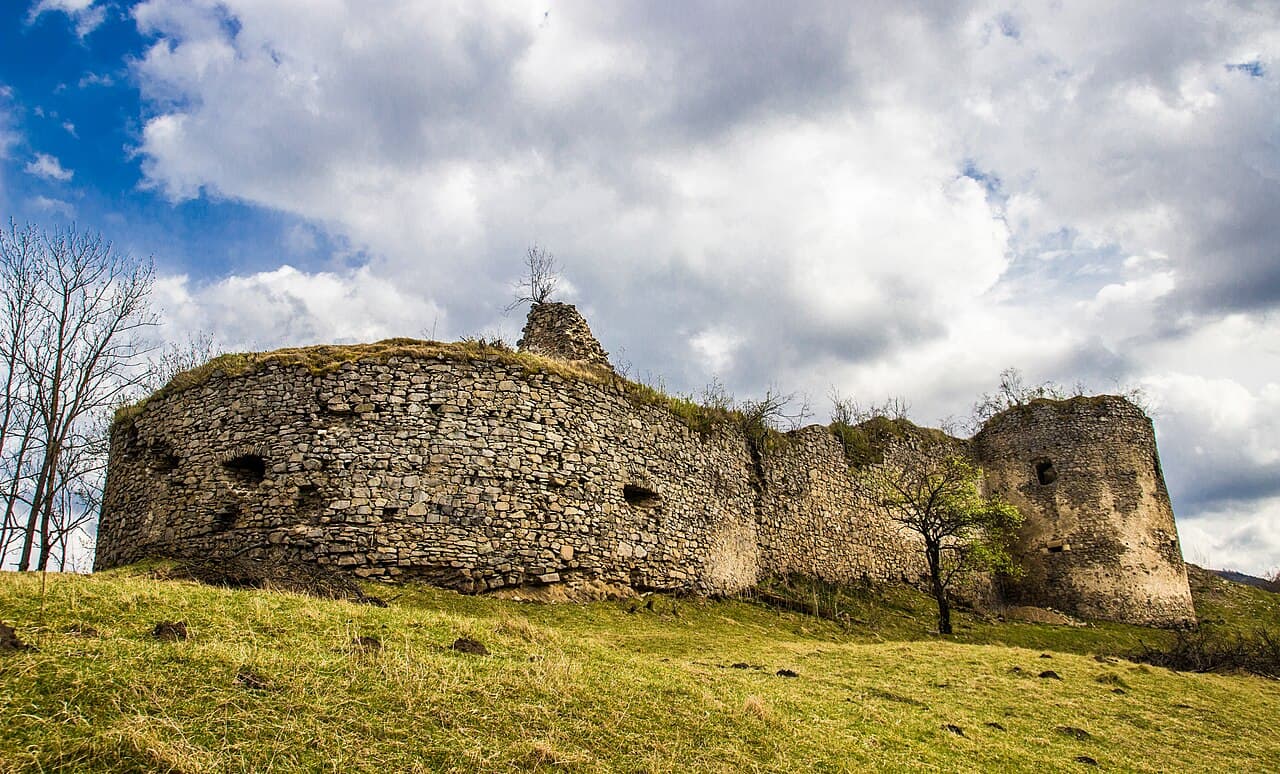
The castle's design follows typical characteristics of a hill castle, with fortifications adapted to the natural terrain. It features robust stone walls that enclose the inner courtyard, with remnants of defensive battlements and towers that once provided vantage points for archers and lookouts.

Key architectural elements include a keep or donjon, which served as the last line of defense and the residence of the castle's lord. The castle also had a gatehouse that controlled access to the interior, often fortified with a drawbridge and portcullis in its prime.

Although now partially in ruins, the remaining structures give insight into the castle's original layout, including living quarters, storage rooms, and defensive works. The castle's position on a rocky hilltop adds to its natural defenses, making it difficult to assault directly.

Preservation and current condition

Today, Bologa Castle is classified as partially preserved. While some sections of the walls and towers remain intact, much of the castle has succumbed to the ravages of time and neglect. Restoration efforts have been limited but ongoing, aiming to stabilize the ruins and make the site accessible to visitors.

The castle is a popular destination for hikers and history enthusiasts who appreciate its scenic views and the glimpse it offers into medieval military architecture. Interpretive signage and guided tours help visitors understand the castle's historical context and architectural features.

Visiting Bologa Castle

Visitors to Bologa Castle can explore the ruins and enjoy panoramic views of the surrounding Romanian countryside. The site is accessible by hiking trails leading up the hill, which provide an immersive experience of the natural landscape and historical setting.

While facilities are limited due to the site's preservation status, visitors are encouraged to wear appropriate footwear and prepare for uneven terrain. The castle's remote location offers a peaceful atmosphere away from urban centers, making it an attractive spot for cultural tourism and outdoor activities.

Frequently asked questions (FAQ)

How do I reach Bologa Castle?
Bologa Castle is accessible via hiking trails leading up the hill. Visitors should prepare for a moderate hike through natural terrain to reach the site.
What is the historical significance of Bologa Castle?
Bologa Castle was a strategic medieval fortress built to defend trade routes and protect the region from invasions, especially during the High Medieval period.
Is Bologa Castle suitable for family visits?
The castle ruins can be explored by families, but visitors should be cautious due to uneven terrain and partial preservation. Suitable footwear is recommended.
When is the best time to visit Bologa Castle?
The best time to visit is during late spring to early autumn when weather conditions are favorable for hiking and outdoor exploration.
Are there guided tours available at Bologa Castle?
Guided tours may be available through local tourism organizations or during special events, providing historical context and architectural insights.

Photo gallery

Bologa Castle
Click to view

Photo by Ioan Pan•CC BY-SA 4.0

1 photo • Click any image to view in full screen

Information

Hill Castle

Loading map...

Visitor reviews

No reviews yet. Been here? Write the first review and help other travelers!

Write the first review

Visited this castle? Share your experience

Your review helps other travelers and adds first-hand knowledge to our encyclopedia.
Write a review

(5/5)

0/2000 characters

Your review will be visible after admin approval

Nearby castles

26.9 km
Bocskai castle in Aghireșu, Cluj — Romania castle

Bocskai castle in Aghireșu, Cluj

Aghireșu, Romania

Bocskai castle, situated in the commune of Aghireșu in Cluj County, Romania, is a notable example of a hill castle that played a significant role in the region's medieval history. Perched strategically on elevated terrain, the castle was designed to oversee and control the surrounding landscape, offering both defensive advantages and a commanding view of the area. Historical background and significance The castle's origins trace back to the medieval period, although exact construction dates remain uncertain due to limited archival records. It is believed that Bocskai castle was established during the High Medieval period as a fortified residence and military stronghold. The castle's name is associated with the Bocskai family, a noble lineage influential in Transylvania and the Kingdom of Hungary during the 16th and 17th centuries. Throughout its history, Bocskai castle witnessed various military engagements and political events, particularly during the turbulent times of the Ottoman incursions and the struggles for control over Transylvania. Its location in Cluj County placed it within a region of strategic importance, serving as a defensive bastion and a symbol of feudal authority. Architectural features and layout Bocskai castle exemplifies the typical characteristics of a hill castle, constructed to maximize natural topographical defenses. The castle's layout includes fortified walls adapted to the contours of the hill, with remnants indicating the presence of towers that provided vantage points for surveillance and defense. The defensive walls were likely complemented by a ditch or moat on the more accessible sides, enhancing its protective capabilities. While much of the castle now lies in ruins, archaeological studies and historical research have revealed foundations and structural elements that suggest a complex comprising living quarters, storage facilities, and defensive installations. The castle's construction utilized local stone materials, typical of regional medieval fortifications. Defensive structures The castle's defensive system was designed to withstand sieges and attacks common in the medieval period. The surviving wall segments indicate a thickness sufficient to resist projectiles and battering. The towers, strategically placed along the curtain walls, would have housed archers and lookouts, enabling defenders to repel attackers effectively. Living and functional spaces Within the castle's perimeter, there were likely several chambers serving as living quarters for the lord and his retinue, as well as storage rooms for provisions and armaments. The presence of a courtyard would have facilitated daily activities and gatherings, while also providing space for horses and supplies. Current condition and preservation Today, Bocskai castle is classified as ruins, with only partial remains of its walls and foundations visible. The site has attracted interest from historians and archaeologists aiming to uncover more about its construction phases and historical role. Preservation efforts focus on stabilizing the existing structures to prevent further deterioration while allowing visitors to explore the castle's historical footprint. Visiting Bocskai castle Visitors to the Bocskai castle site can experience the evocative atmosphere of a medieval hill castle set within the scenic landscape of Cluj County. The castle's elevated position offers panoramic views of the surrounding countryside, making it a rewarding destination for history enthusiasts and hikers alike. Access to the site is generally open, though facilities and guided tours may be limited due to its ruinous state. Accessibility and visitor information The castle is accessible via local roads leading to Aghireșu, with hiking paths ascending to the hilltop ruins. Visitors are advised to wear suitable footwear and prepare for uneven terrain. There are no entrance fees, but amenities such as restrooms and visitor centers are not available on-site. Nearby attractions The region around Aghireșu offers additional cultural and natural attractions, including traditional Transylvanian villages, churches, and nature reserves. Exploring these sites alongside Bocskai castle provides a broader understanding of the area's historical and cultural context.

High Medieval (11th–13th c.)
Details
31.3 km
Zichy mansion in Gheghie — Romania castle

Zichy mansion in Gheghie

, Romania

The Zichy mansion in Gheghie is a historic castle located in Romania, notable for its position as a hill castle. While the exact city location within Romania is not specified, the mansion holds significance as a regional architectural landmark. The castle's origins and detailed history remain less documented, but its classification as a hill castle indicates a strategic placement typically chosen for defensive advantages and commanding views over the surrounding landscape. Architectural features and style The mansion exhibits characteristics typical of hill castles, which are often constructed on elevated terrain to maximize natural fortifications. This type of location offers both defensive benefits and a prestigious setting for noble residences. The architectural style of the Zichy mansion is not explicitly recorded, but hill castles in Romania from historical periods often combine elements of Renaissance and Baroque influences, reflecting the tastes of aristocratic families such as the Zichy family, who were prominent in Central and Eastern Europe. The structure likely includes traditional features such as fortified walls, towers or bastions, and a central residential building. The layout would have been designed to balance defense with comfort, incorporating courtyards and possibly gardens, which were common in noble estates of the region. Historical context and ownership The Zichy family was a noble lineage with roots in Hungary and Transylvania, regions historically intertwined with Romanian territories. Their estates often served as administrative and social centers. The Gheghie mansion would have been part of their holdings, serving as a residence and symbol of their status. Throughout history, such mansions were not only homes but also hubs for local governance and economic activity. The Zichy mansion's strategic hilltop location would have reinforced its role in overseeing the surrounding lands. Preservation and current condition Information about the current condition of the Zichy mansion in Gheghie is limited. Many historic castles and mansions in Romania have faced challenges related to preservation, including deterioration due to neglect or lack of funding for restoration. It is possible that the mansion is partially preserved or in need of restoration to maintain its structural integrity and historical value. Visiting and cultural significance While specific visiting hours and ticket information for the Zichy mansion in Gheghie are not available, such historic sites often attract visitors interested in regional history, architecture, and heritage tourism. The mansion contributes to the cultural landscape of Romania by representing the architectural and social history of noble families in the region. Visitors to hill castles like the Zichy mansion can typically enjoy scenic views, explore historic architecture, and gain insight into the lifestyle of aristocracy in past centuries. Frequently asked questions What is the historical significance of the Zichy mansion in Gheghie?The mansion represents the heritage of the Zichy noble family and their role in regional history, serving as a residence and administrative center. Can I visit the Zichy mansion in Gheghie?Specific visiting information is not widely available, so it is advisable to check locally for access and opening hours. What architectural style does the mansion feature?While exact details are scarce, the mansion likely combines Renaissance and Baroque elements common to noble estates in the region. Is the mansion well preserved?There is limited information on its current condition; it may require restoration to preserve its historical features. Where is the Zichy mansion located exactly?The mansion is in Gheghie, Romania, but the precise city or street address is not documented.

Details
35.8 km
Conacul Banffy din Turea — Romania castle

Conacul Banffy din Turea

, Romania

Conacul Banffy din Turea is a notable historic hill castle located in Romania, associated with the prominent Banffy family, a noble lineage influential in Transylvanian history. While the exact city location within Romania is not widely documented, the estate is recognized for its cultural and architectural significance in the region. Historical background and ownership The Banffy family, one of the most important aristocratic families in Transylvania, commissioned the construction of the Conacul Banffy din Turea. The estate served as a noble residence and a symbol of the family's status and power. The castle's origins trace back several centuries, with its development reflecting the evolving architectural trends and social needs of the era. Architectural features and style The castle is classified as a hill castle, indicating its strategic placement on elevated terrain, which provided defensive advantages and commanding views of the surrounding landscape. The structure exhibits characteristics typical of noble residences in the region, blending functional fortification elements with residential comfort. Although detailed architectural records are sparse, the castle likely features elements from the Renaissance period, given the Banffy family's known patronage of Renaissance art and architecture in Transylvania. This would include symmetrical layouts, ornamental stonework, and possibly arcaded courtyards. Defensive structures The castle's location on a hill naturally enhanced its defensive capabilities. It may have included thick stone walls, battlements, and watchtowers to monitor the surrounding area. These features were common in hill castles designed to withstand sieges and provide refuge during conflicts. Residential and aesthetic elements As a noble residence, the castle likely contained spacious halls, private chambers, and decorative elements reflecting the Banffy family's wealth and taste. Interiors might have been adorned with frescoes, wood paneling, and intricate ceilings, consistent with aristocratic homes of the Renaissance and early modern periods. Historical significance and cultural heritage Conacul Banffy din Turea holds cultural importance as part of Romania's aristocratic heritage. The Banffy family played a significant role in Transylvanian politics, culture, and society, and their estates are valuable for understanding the region's history. The castle contributes to the architectural landscape of Romanian hill castles, representing the blend of defensive and residential architecture adapted to local conditions and noble lifestyles. Current condition and preservation The current physical condition of Conacul Banffy din Turea is not extensively documented in public sources. Like many historic estates in Romania, it may face challenges related to preservation and restoration. Efforts to maintain such castles are important for cultural tourism and heritage education. Visiting information and accessibility Due to limited public information, details about visiting hours, ticket prices, or guided tours at Conacul Banffy din Turea are not readily available. Visitors interested in Romanian castles and aristocratic history may find it worthwhile to explore regional tourism resources or contact local heritage organizations for more information.

Details