Zelem Castle
Zelem Castle stands as a significant example of a late medieval moated fortress located in the lowland areas near the Rhine River, between the villages of Mehr and Niel in the municipality of Kranenburg, Germany. Its history dates back to the early Middle Ages, with the first documented mention in the 12th century when it was a property of the influential Echternach Abbey. Over the centuries, the castle witnessed numerous ownership changes and architectural transformations, reflecting the evolving military, residential, and cultural needs of its noble inhabitants.
The castle's earliest origins can be traced to around the year 1000, when a stone motte was constructed by Count Balderich and his wife Adela. This early fortification was short-lived, as its stones were repurposed in 1003 for building a church in Zyfflich, marking a transition from purely military use to ecclesiastical purposes in the region. By the 12th century, the castle appears in historical records under various names such as Selhem, Selem, and Zelm, indicating its longstanding presence within the feudal landscape.
Medieval origins and early ownership
During the 12th and 13th centuries, Zelem Castle was under the control of Echternach Abbey, a powerful religious institution with extensive landholdings. In the 14th century, ownership shifted to the Counts of Kranenburg before being sold in 1348 to the Lords of Groesbeek. By 1464, the castle passed by marriage to the Palant family, who retained possession for several centuries. The Palant family's influence is visibly commemorated in the castle's architecture, notably through the Renaissance portal bearing their coat of arms and the date 1464.
Architectural evolution and renaissance remodeling
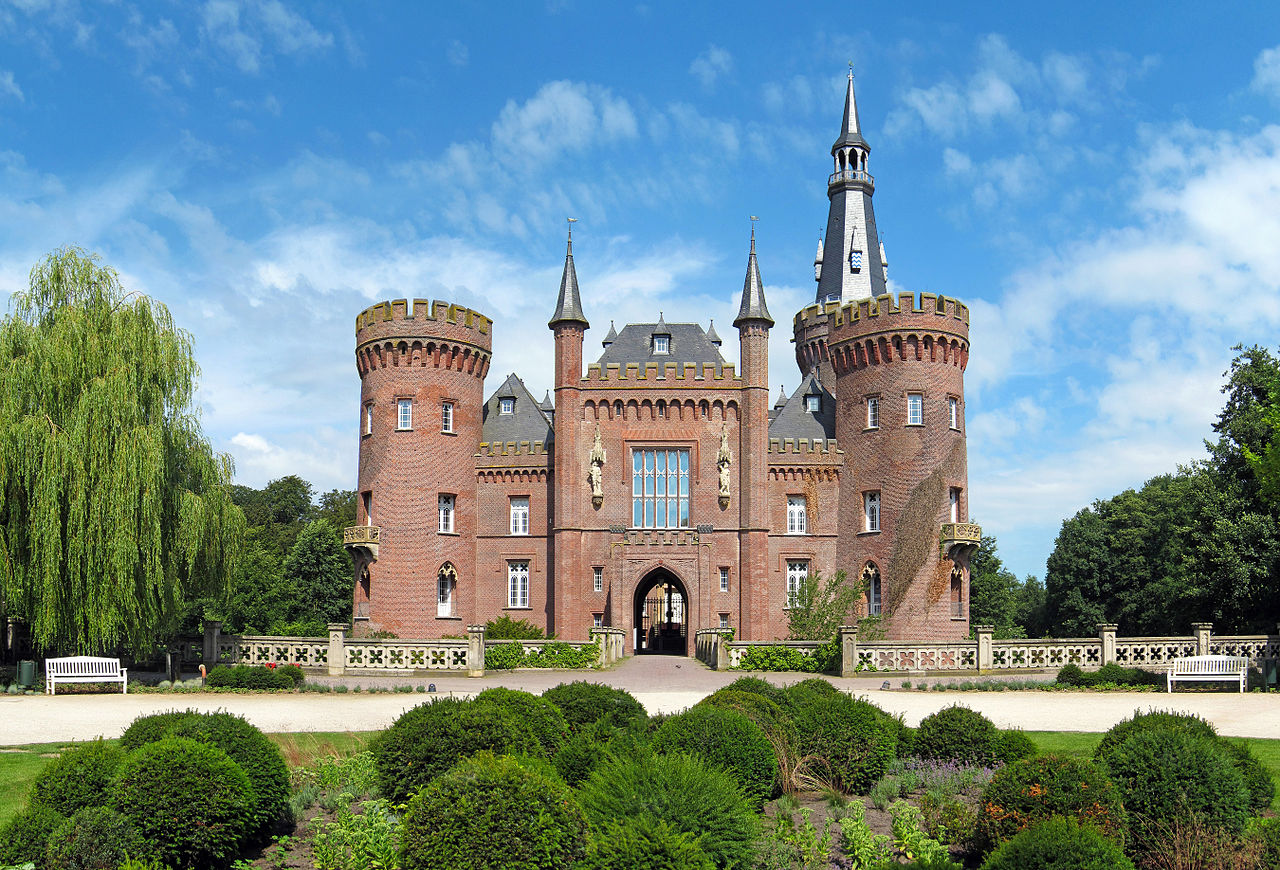
The core structure of Zelem Castle primarily dates from the first half of the 15th century. Originally, it comprised a three-winged stone building featuring two corner towers and a stair tower. These towers were once adorned with elegant canopies; one corner tower is distinguished by a sandstone frieze decorated with mythical creatures, human heads, and ornamental motifs, showcasing the artistic craftsmanship of the era.
In the mid-16th century, the castle underwent significant remodeling in the Renaissance style. This included the addition of Renaissance gables and a portal crafted from finely cut ashlar stone, which prominently displays the Palant family emblem. The corner towers' original domed canopies were replaced with simpler pyramid-shaped roofs during this period.
Interior features and defensive elements
The castle's interior preserves several remarkable features from the Renaissance and medieval periods. A tower room boasts a star-shaped vault, exemplifying advanced stone masonry techniques. The large sandstone fireplace in Renaissance style is decorated with the Palant family coat of arms, serving as both a functional and symbolic centerpiece. Another fireplace on the upper floor of the east tower is adorned with terracotta tiles painted with biblical scenes, blending domestic comfort with religious iconography.
Beneath the east tower lies a basement with an open hearth, likely used for cooking during sieges. Access to this area is via a spiral staircase in the entrance tower, which also contains firing slits—narrow vertical openings designed for firearms—highlighting the castle's adaptation to evolving military technology. A dungeon near the cellar vault's upper entrance underscores the castle's dual role as a residence and place of confinement.
Fortifications and surrounding landscape
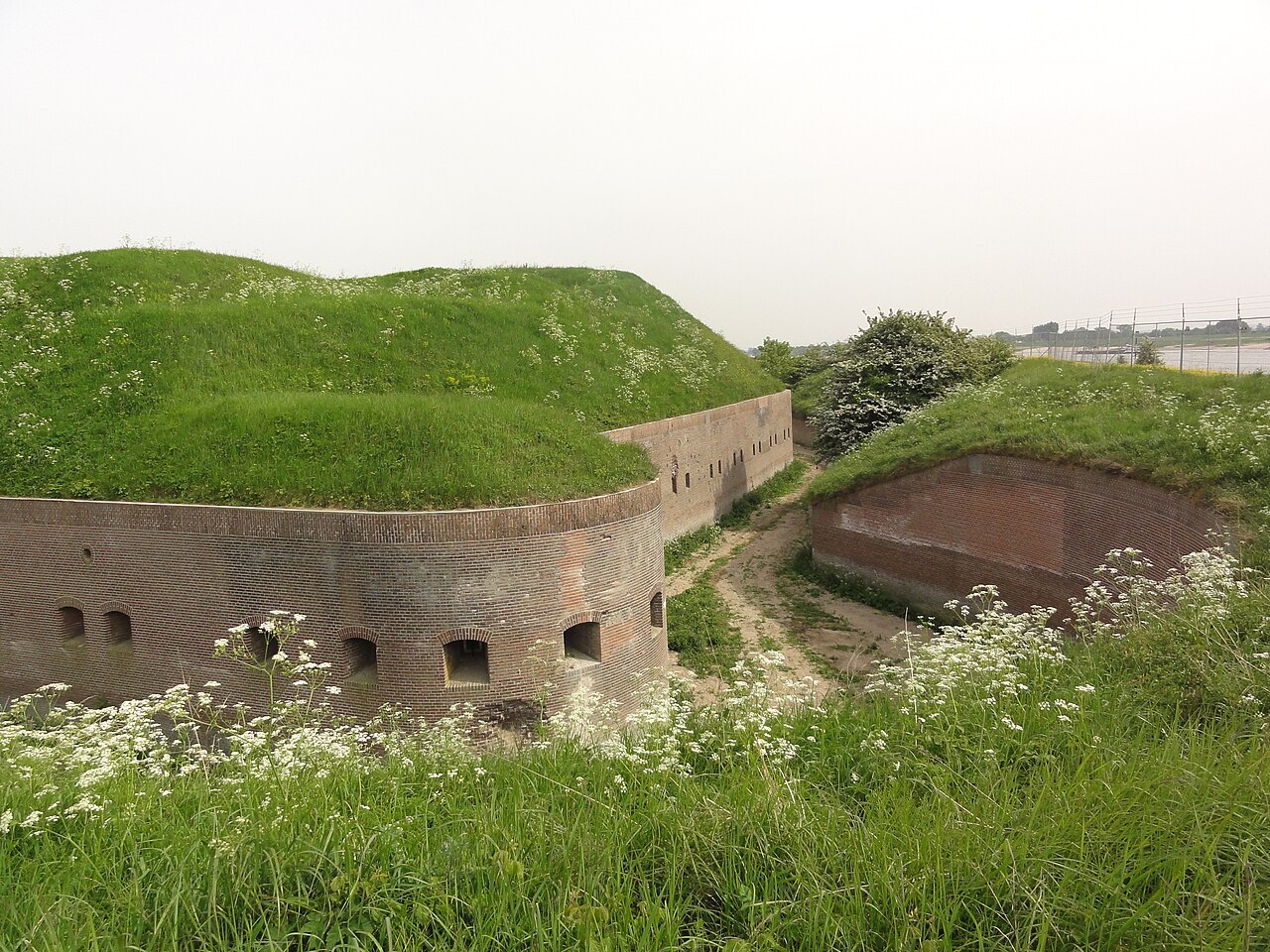
Zelem Castle was originally surrounded by a water-filled moat, a common defensive feature in medieval fortresses. Today, the southern section of this moat remains visible, preserving a tangible reminder of the castle's defensive past. The complex was further protected by two outer baileys—walled enclosures that served both economic and military purposes. Remnants of bastion-like corner foundations in the northern part of the second bailey reveal the layered nature of the castle's fortifications.
A cistern near the south tower supplied fresh water during sieges, an essential feature for sustaining the castle's occupants under prolonged attack. However, by around 1800, much of the castle's defensive structures were dismantled, leaving primarily the main residential wing intact for continued use.
Historical significance and later use
In the 17th century, Zelem Castle played a notable military role during regional conflicts involving Spanish, Dutch, and Brandenburg forces. It served as a training ground for Kurprinz Wilhelm of Brandenburg, who was instructed in warfare by the experienced general Moritz of Nassau. This period highlights the castle's strategic importance amid the shifting political landscape of the time.
Ownership of the castle changed hands several times in the 19th and 20th centuries, with various private owners undertaking restoration efforts. Between 2000 and 2013, the Arden family led significant preservation initiatives, establishing a foundation to protect the site and promote cultural events that celebrate its heritage. Since 2016, annual gatherings have been held to honor British heritage, reflecting the castle's ongoing role as a cultural landmark.
Archaeological research and preservation efforts
Extensive archaeological excavations and historical research have enriched understanding of Zelem Castle's development and use. Studies reveal the castle's involvement in local fishery management during the early 17th century, with associated fish ponds once located nearby, though these have largely been drained for agriculture. Modern preservation efforts include detailed site documentation and 3D digital reconstructions, which aid in visualizing the castle's historical appearance and informing future conservation strategies.
Today, Zelem Castle remains privately owned and is not open to the public for interior tours. Visitors can view the castle's exterior and appreciate its architectural features and historical setting from surrounding areas. The castle stands as a testament to the region's medieval heritage and the enduring legacy of its noble families.
Frequently asked questions (FAQ)
- How do I get to Zelem Castle?
- Zelem Castle is located in Kranenburg, Germany, and is accessible by car and public transportation. If traveling by car, there is parking available nearby. For those using public transport, you can take a train to Kranenburg and then a local bus or taxi to reach the castle.
- What is the historical significance of Zelem Castle?
- Zelem Castle dates back to the 12th century and has played a vital role in the region's history. It served as a defensive stronghold during various conflicts and has been preserved as a testament to medieval architecture. The castle is also linked to local legends and historical figures that shaped the area.
- When was Zelem Castle built?
- Zelem Castle was constructed in the early 12th century, making it one of the oldest structures in the region. Over the centuries, it has undergone several renovations and expansions, reflecting the architectural styles of different eras. The castle's enduring presence showcases its historical importance.
- Can I take a guided tour of Zelem Castle?
- Yes, guided tours are available at Zelem Castle, providing visitors with in-depth knowledge of its history and architecture. The tours typically last about an hour and are led by knowledgeable guides. It is advisable to book in advance, especially during peak tourist seasons.
- Why is Zelem Castle a popular tourist attraction?
- Zelem Castle attracts visitors due to its rich history, stunning architecture, and picturesque surroundings. Its well-preserved structures and beautiful gardens offer a glimpse into the past, making it a perfect spot for history enthusiasts and photographers alike. Additionally, the castle hosts various events throughout the year, adding to its appeal.
- Is it possible to hold events at Zelem Castle?
- Yes, Zelem Castle offers facilities for hosting special events such as weddings, corporate gatherings, and private parties. The unique setting and historical ambiance provide a memorable backdrop for any occasion. It is recommended to contact the castle administration for more details on booking and services.
- What are the opening hours of Zelem Castle?
- Zelem Castle is generally open to visitors from April to October, with hours varying by day. During peak season, the castle typically opens from 10 AM to 6 PM. It is best to check the official website for the most current opening hours and any seasonal changes.
- What are the ticket prices for Zelem Castle?
- Admission prices for Zelem Castle vary depending on the visitor's age and the type of tour selected. Generally, there are reduced rates for children, students, and seniors. Tickets can be purchased on-site or online, and it's advisable to check for any special promotions or family packages.
- What is the best time to visit Zelem Castle?
- The best time to visit Zelem Castle is during the spring and early autumn months when the weather is pleasant, and the gardens are in full bloom. These seasons also see fewer crowds compared to the summer months. Visiting on weekdays may provide a more relaxed experience.
- Are there any nearby attractions to Zelem Castle?
- Yes, there are several attractions near Zelem Castle, including beautiful parks, historical sites, and local museums. The surrounding area is perfect for hiking and enjoying nature. Additionally, the charming town of Kranenburg offers cafes and shops for visitors to explore after touring the castle.
Information
Website
Visit websiteSources & official resources
Verify the information above using these authoritative references.
Loading map...
Visitor reviews
No reviews yet. Been here? Write the first review and help other travelers!
Write the first reviewVisited this castle? Share your experience
Your review helps other travelers and adds first-hand knowledge to our encyclopedia.