Zard Castle
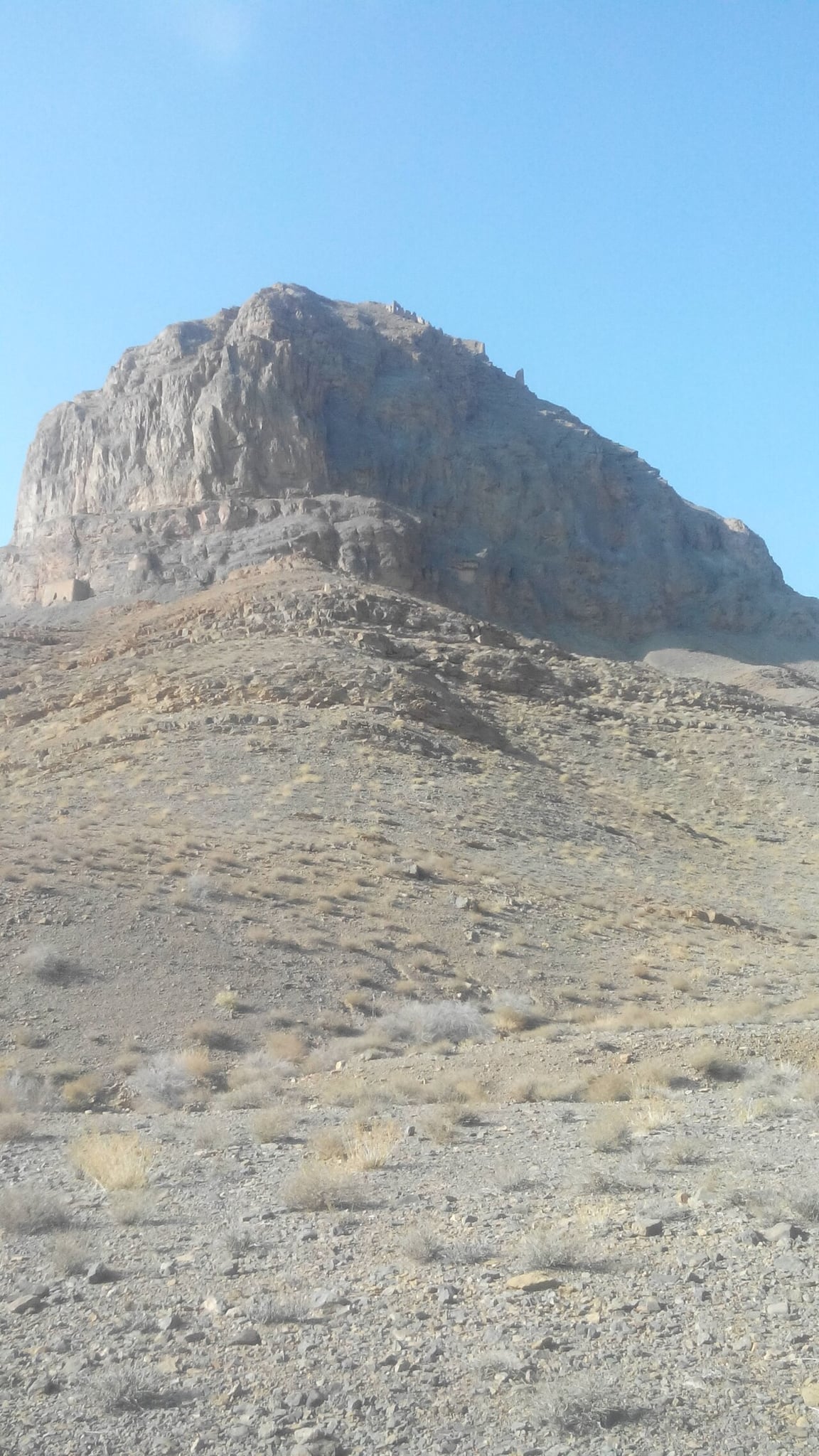
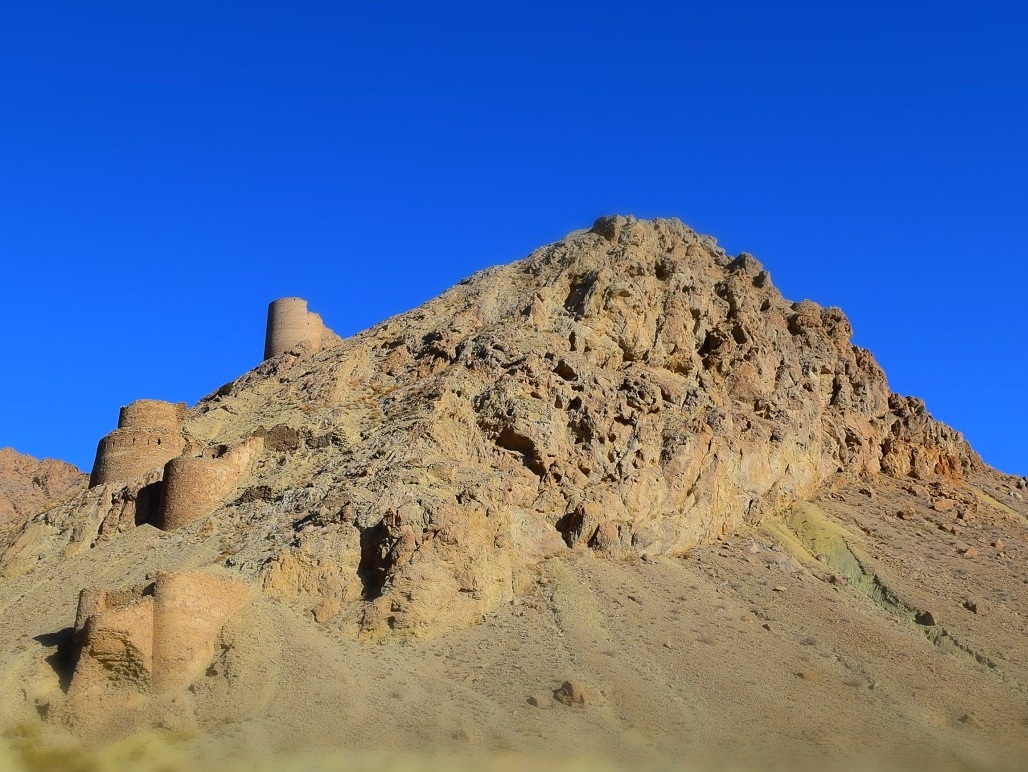
Zard castle (Persian: قلعه زرد) is a notable hill castle situated in Damghan County within Semnan Province, Iran. This fortress traces its origins to the historical periods after Islam, marking it as an important example of post-Islamic military architecture in the region.
The castle's strategic location atop a hill provided a commanding view of the surrounding landscape, allowing defenders to monitor and control the area effectively. Such positioning was typical for hill castles, which leveraged natural terrain for defense. The elevated site also made direct assaults more difficult, enhancing the stronghold's defensive capabilities.
Architecturally, Zard castle reflects the practical design elements common in Iranian fortifications of the post-Islamic era. While detailed records of its construction phases and architectural style remain limited, the castle likely features robust stone and brick walls, battlements, and possibly towers or watchtowers to oversee approaches. The use of local materials would have been standard, integrating the structure with its natural environment.
Historical context and significance
Zard castle's history is intertwined with the broader historical developments in Semnan Province, an area that has seen various dynasties and empires since the advent of Islam in Iran. The fortress would have served as a military and administrative center, safeguarding trade routes and local settlements against invasions and raids.
The post-Islamic period in Iran encompasses a wide timeframe, including the early Islamic centuries through to the medieval era and beyond. Castles like Zard were vital in maintaining regional control during times of political fragmentation and external threats.
Architectural features and layout
Defensive structures
The castle's defensive system likely included thick perimeter walls designed to withstand siege weaponry of the period. These walls would have incorporated crenellations or battlements for archers and guards to defend the castle while remaining protected.
Entrances to the castle were probably fortified with gatehouses or barbicans, controlling access and providing choke points against attackers. The presence of towers would have enhanced visibility and allowed defenders to launch ranged attacks.
Internal spaces
Within the walls, the castle would have contained essential facilities such as living quarters, storage rooms, and possibly a cistern to collect and store water. Courtyards may have served as gathering spaces for troops and residents.
Preservation and current condition
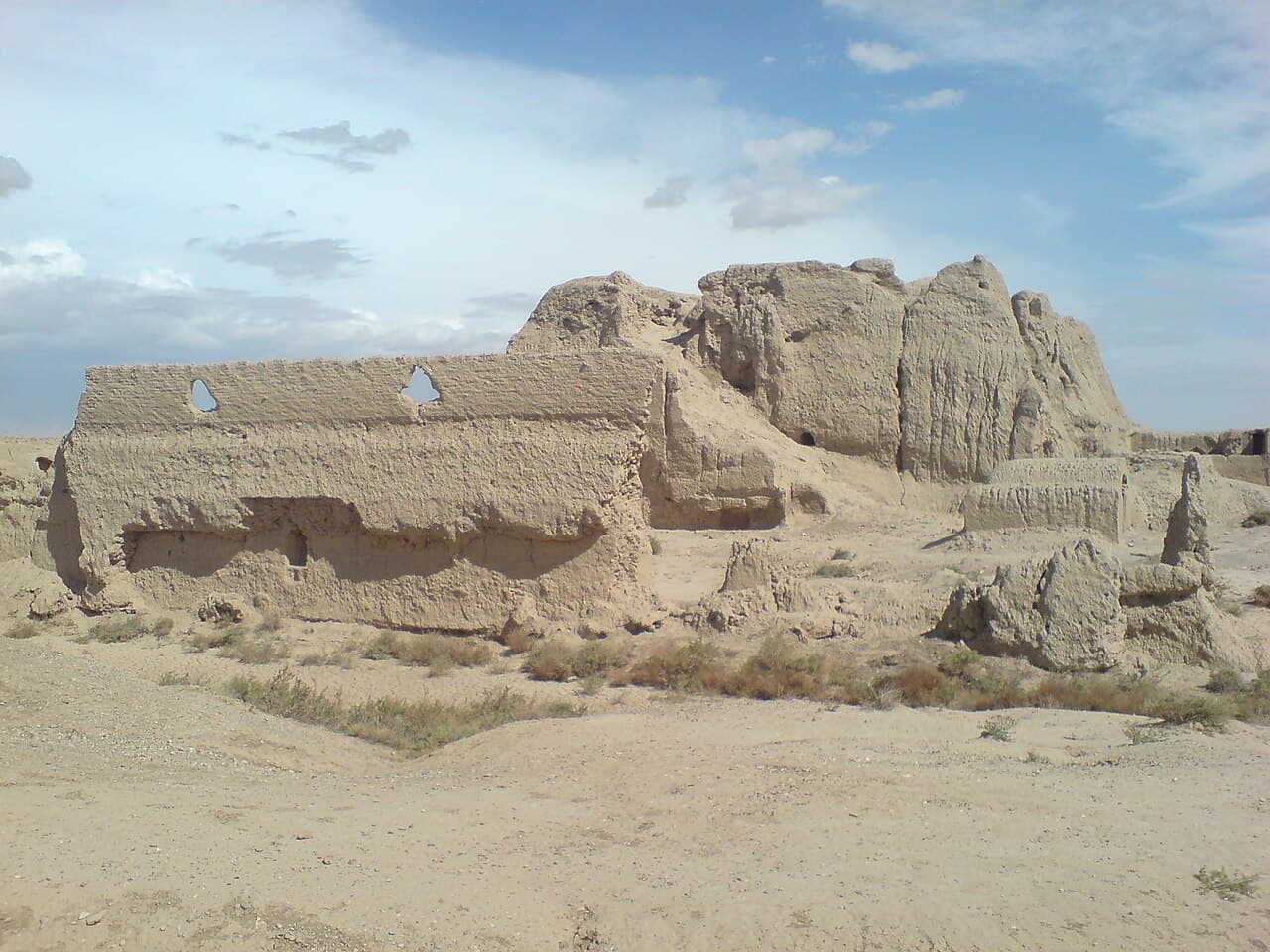
Today, Zard castle remains a significant archaeological site reflecting the military architecture of its era, though its condition is generally categorized as ruins. The remnants provide valuable insights into construction techniques and defensive strategies used in post-Islamic Iranian fortresses.
Efforts to study and preserve the site contribute to understanding Iran's historical landscape and the evolution of fortification architecture in the region.
Visiting Zard castle
Zard castle is accessible to visitors interested in historical architecture and Iranian heritage. Its location in Semnan Province offers opportunities to explore the broader cultural and natural attractions of the area.
Visitors should prepare for a hike to reach the castle due to its hilltop position, and it is advisable to arrange visits during favorable weather conditions to fully appreciate the site.
Frequently asked questions (FAQ)
- How do I get to Zard Castle?
- Zard Castle is located in Damghan County, Iran, and can be accessed by car or public transportation from nearby cities. The closest major city is Damghan, which offers bus services that connect to the castle. It's advisable to check local transport schedules for the most convenient routes.
- What is the historical significance of Zard Castle?
- Zard Castle dates back to the Sassanian period and is an important example of Persian military architecture. It served as a strategic fortification in ancient times, protecting the region from invasions. The castle is an essential part of Iran's rich cultural heritage and history.
- When was Zard Castle constructed?
- Zard Castle was built during the Sassanian Empire, around the 3rd to 7th centuries AD. This period was marked by significant advancements in architecture and engineering, which are evident in the castle's design. The exact date of construction remains uncertain, but its historical context highlights its importance.
- Can I enter Zard Castle and explore its interiors?
- Yes, visitors can enter Zard Castle and explore its various sections, including towers and walls. However, some areas may have restricted access for safety reasons. It's recommended to take a guided tour to fully appreciate the castle's history and architecture.
- Why is Zard Castle popular among tourists?
- Zard Castle attracts tourists due to its unique architectural features and historical significance. The stunning views of the surrounding landscape and the castle's impressive structure make it a popular destination for photography and exploration. Additionally, it provides insight into Iran's ancient history.
- Is it possible to visit Zard Castle year-round?
- Yes, Zard Castle is open to visitors year-round, but the best time to visit is during the spring and autumn when the weather is mild. Summer can be quite hot, making exploration less comfortable. Winter visits are also possible, but be prepared for cooler temperatures.
- What are the ticket prices for visiting Zard Castle?
- The ticket prices for Zard Castle are generally affordable, with discounts available for students and groups. It's best to check the latest prices upon arrival, as they may vary seasonally. Your entry fee helps support the preservation of this historical site.
- What are the opening hours for Zard Castle?
- Zard Castle typically opens at 8 AM and closes at 6 PM, with extended hours during the summer months. However, it's advisable to check for any seasonal changes in opening hours or specific holiday closures. Arriving early will give you a chance to enjoy the site with fewer crowds.
- Are there any nearby attractions to visit after Zard Castle?
- Yes, after visiting Zard Castle, you can explore other nearby historical sites such as the ancient city of Damghan and the beautiful landscapes of the Alborz mountains. These attractions offer additional insights into the region's rich history and natural beauty. Make sure to plan your itinerary to make the most of your visit.
Photo gallery

Information
Loading map...
Visitor reviews
No reviews yet. Been here? Write the first review and help other travelers!
Write the first reviewVisited this castle? Share your experience
Your review helps other travelers and adds first-hand knowledge to our encyclopedia.