Mansur Kuh Castle
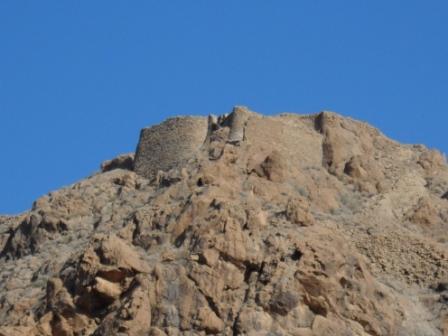
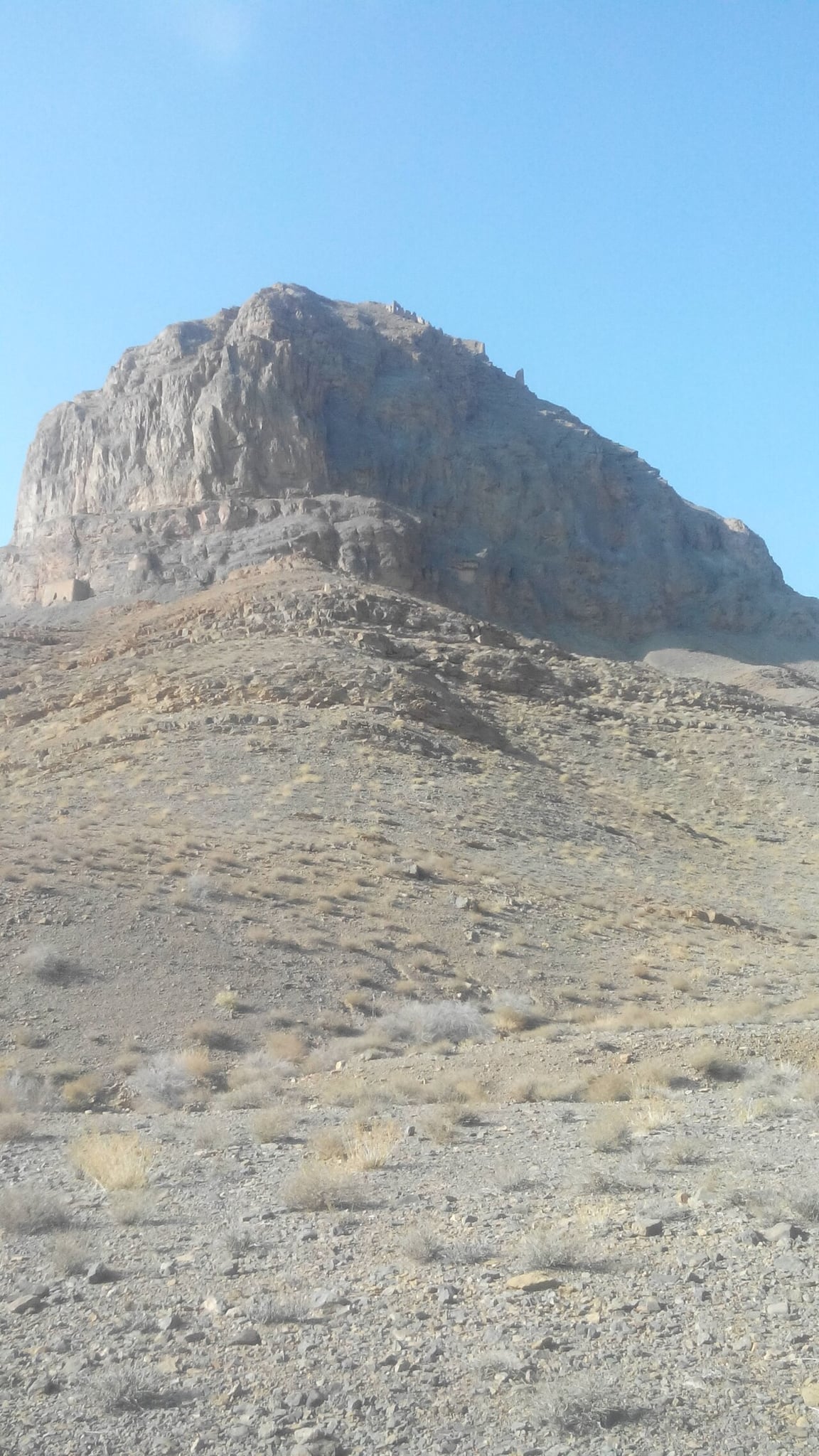
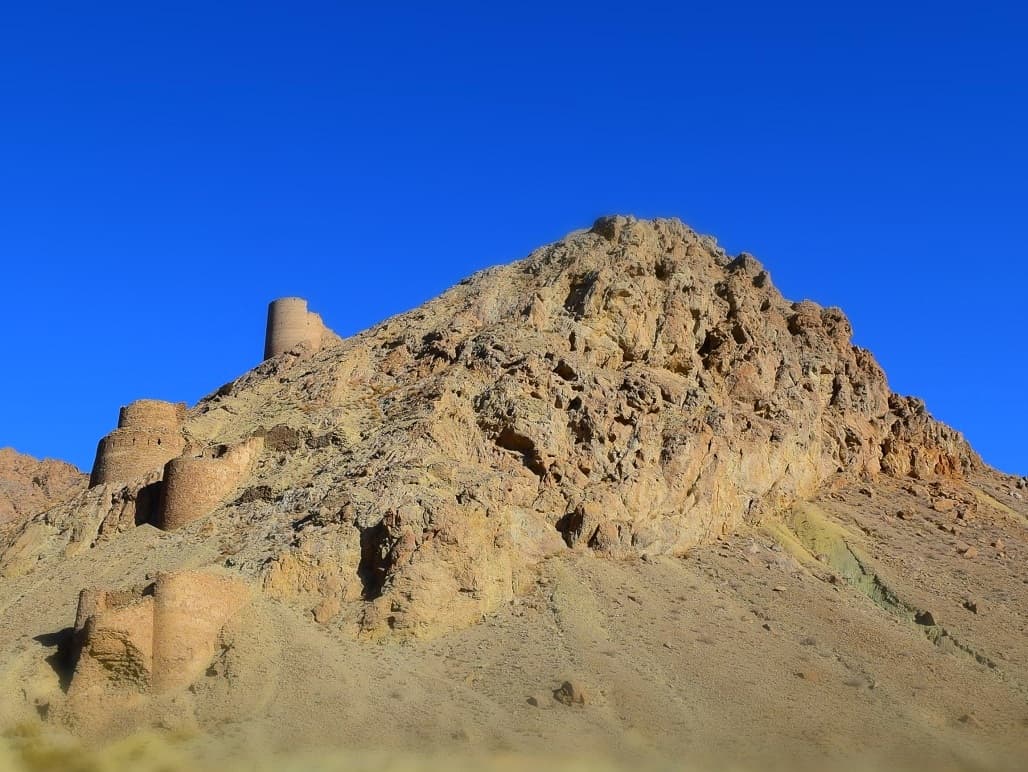
Mansur Kuh castle (Persian: قلعه منصور کوه; also known as Mansurkuh or Mansurakuh) is a significant hill castle located in Damghan County within Semnan Province, Iran. This fortress is historically tied to the Nizari Ismaili state, a prominent political and religious entity during the High Medieval period.
Historical context and significance
The castle's origins date back to the time of the Nizari Ismaili state, which flourished between the 11th and 13th centuries. This state is well-known for its network of formidable fortresses scattered across Persia and Syria, used as strongholds and administrative centers. Mansur Kuh castle was part of this strategic system, serving both defensive and residential purposes for the Ismaili community.
The Nizari Ismailis, often referred to as the "Assassins" in medieval European sources, constructed such castles to withstand sieges and to maintain autonomy in a period marked by political fragmentation and conflict. Mansur Kuh castle's location on a hill provided natural defensive advantages, making it difficult for enemies to conquer.
Architectural features and layout
As a hill castle, Mansur Kuh castle was built to exploit the elevated terrain for defense. The fortress likely included thick stone walls, battlements, and to monitor approaching threats. The strategic placement would have allowed defenders to observe and control the surrounding landscape.
Typical of Nizari Ismaili castles, Mansur Kuh would have contained living quarters, , and to sustain inhabitants during prolonged sieges. The use of natural rock formations in the castle's construction would have enhanced its defensive capabilities and camouflage.
Defensive systems
The castle's defenses were likely augmented by fortified gates and designed to slow attackers. The presence of or cannot be confirmed without detailed archaeological surveys but would not be unusual for castles of this type and period.
Current condition and preservation
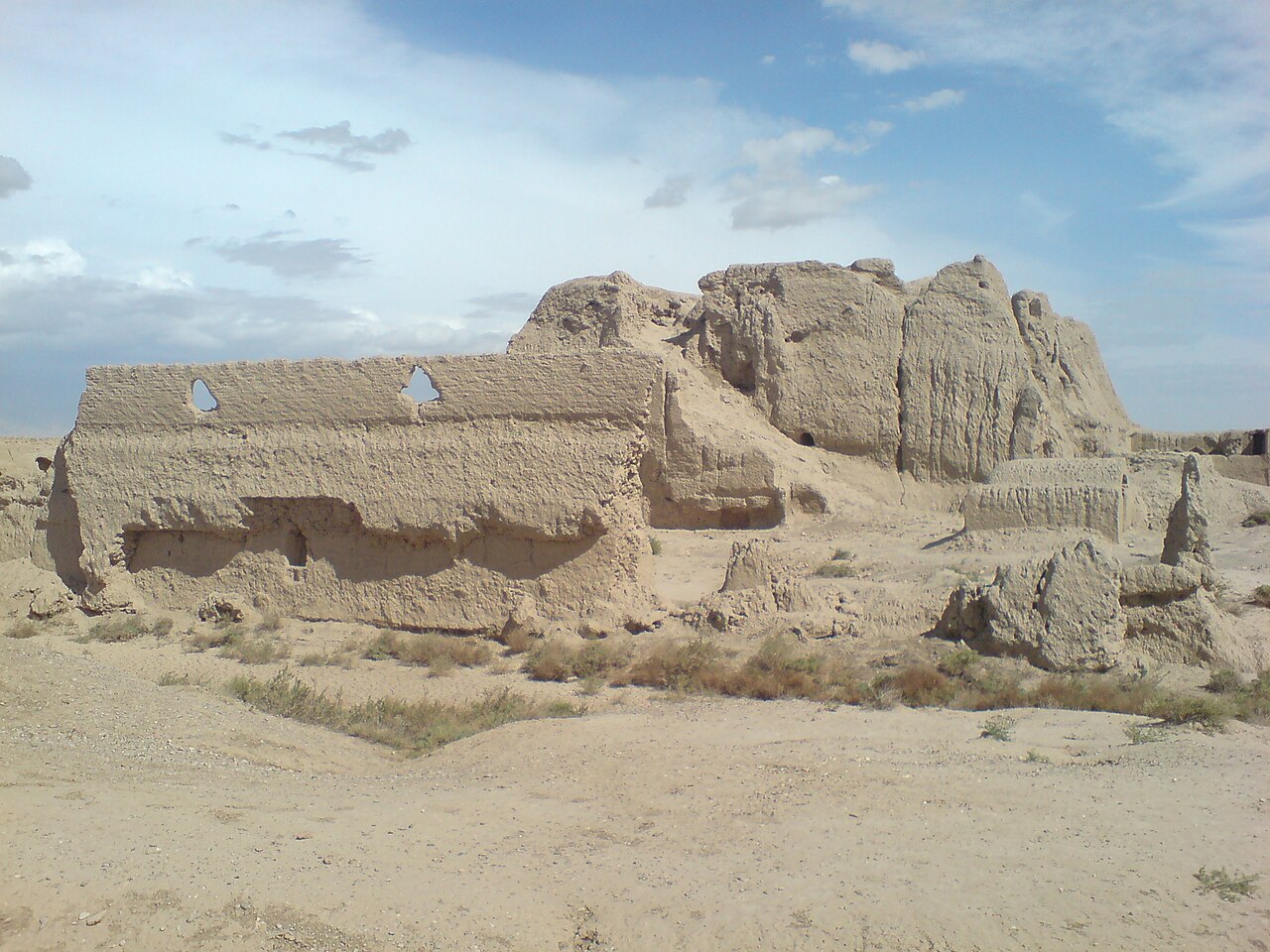
The current state of Mansur Kuh castle is categorized as ruins. Over the centuries, natural erosion and human activity have reduced the fortress to remnants of its former structure. However, the remaining walls and foundations still provide valuable insights into the castle's original design and strategic importance.
Efforts to study and preserve the site are important to understanding the military architecture of the Nizari Ismaili state and the broader medieval history of Iran.
Visiting Mansur Kuh castle
While specific visitor information is limited, Mansur Kuh castle's location in Damghan County makes it accessible for those interested in exploring Iran's medieval fortifications. Visitors should prepare for a hike due to the castle's hilltop position and bring appropriate gear for uneven terrain.
The site offers a unique opportunity to connect with the history of the Nizari Ismaili state and to appreciate the strategic ingenuity of medieval Persian military architecture.
Legacy of the Nizari Ismaili fortresses
Mansur Kuh castle is part of a network of Nizari Ismaili fortresses that includes famous sites like Alamut Castle. These fortresses played a crucial role in the political and military history of the region during the Middle Ages. They symbolize the resilience and strategic acumen of the Nizari Ismaili community in maintaining autonomy against larger empires.
The architecture of these castles influenced later military constructions in the region and remains a subject of study for historians and archaeologists interested in Islamic and Persian medieval fortifications.
Frequently asked questions (FAQ)
- How do I get to Mansur Kuh Castle?
- Mansur Kuh Castle is located in Damghan County, Iran, and can be accessed by car or public transport from nearby cities. If you're traveling from Tehran, it's approximately a 3-hour drive. Local taxis and buses frequently operate routes to the area, making it convenient for visitors.
- What is the historical significance of Mansur Kuh Castle?
- Mansur Kuh Castle dates back to the Sassanian era, showcasing the rich history of Persian architecture and defense systems. It served as a strategic military fortress, protecting the region from invasions. The castle's ruins tell the story of its ancient inhabitants and their way of life.
- When was Mansur Kuh Castle built?
- Mansur Kuh Castle was constructed during the Sassanian period, around the 3rd to 7th centuries AD. This era was significant for its advancements in architecture and military engineering, which are evident in the castle's design. The castle has survived through centuries, bearing witness to Iran's tumultuous history.
- Can I explore the interior of Mansur Kuh Castle?
- While the castle is largely in ruins, visitors can explore its exterior and the surrounding areas. Guided tours may be available to provide insights into the architecture and history. It's advisable to wear comfortable shoes, as the terrain can be uneven.
- Why is Mansur Kuh Castle an important architectural site?
- Mansur Kuh Castle is notable for its unique blend of Sassanian architectural styles and its strategic design for defense. The castle features robust stone walls and intricate structures that reflect the engineering expertise of its time. Its preservation allows visitors to appreciate ancient Persian architecture and historical context.
- Is it possible to visit Mansur Kuh Castle year-round?
- Yes, Mansur Kuh Castle is open to visitors throughout the year. However, the best time to visit is during the spring and fall when the weather is mild and pleasant. Summer can be quite hot, and winter may bring harsh conditions, making outdoor exploration less enjoyable.
- What are the opening hours for Mansur Kuh Castle?
- Mansur Kuh Castle is generally open from sunrise to sunset. However, it's recommended to check for any seasonal changes or specific visitor guidelines before planning your trip. Early morning visits can offer a quieter experience and beautiful views of the surrounding landscape.
- Are there any nearby attractions to visit?
- Yes, there are several nearby attractions, including the historical city of Damghan, which boasts ancient ruins and local culture. The surrounding area is also rich in natural beauty, offering opportunities for hiking and photography. Visitors can enjoy a full day of exploration in this historically rich region.
- What are the ticket prices for Mansur Kuh Castle?
- Admission to Mansur Kuh Castle is usually free, allowing easy access for all visitors. However, if you opt for a guided tour, there may be a small fee associated with that service. It's advisable to carry some local currency for any additional expenses related to your visit.
Photo gallery

Information
Loading map...
Visitor reviews
No reviews yet. Been here? Write the first review and help other travelers!
Write the first reviewVisited this castle? Share your experience
Your review helps other travelers and adds first-hand knowledge to our encyclopedia.