Zaraysk Kremlin — Russia castle

Zaraysk Kremlin

Zaraysk Kremlin: 16th-century bastioned fortress in Russia
Zaraysk, Russia
Renaissance (15th–17th c.)
Well Preserved

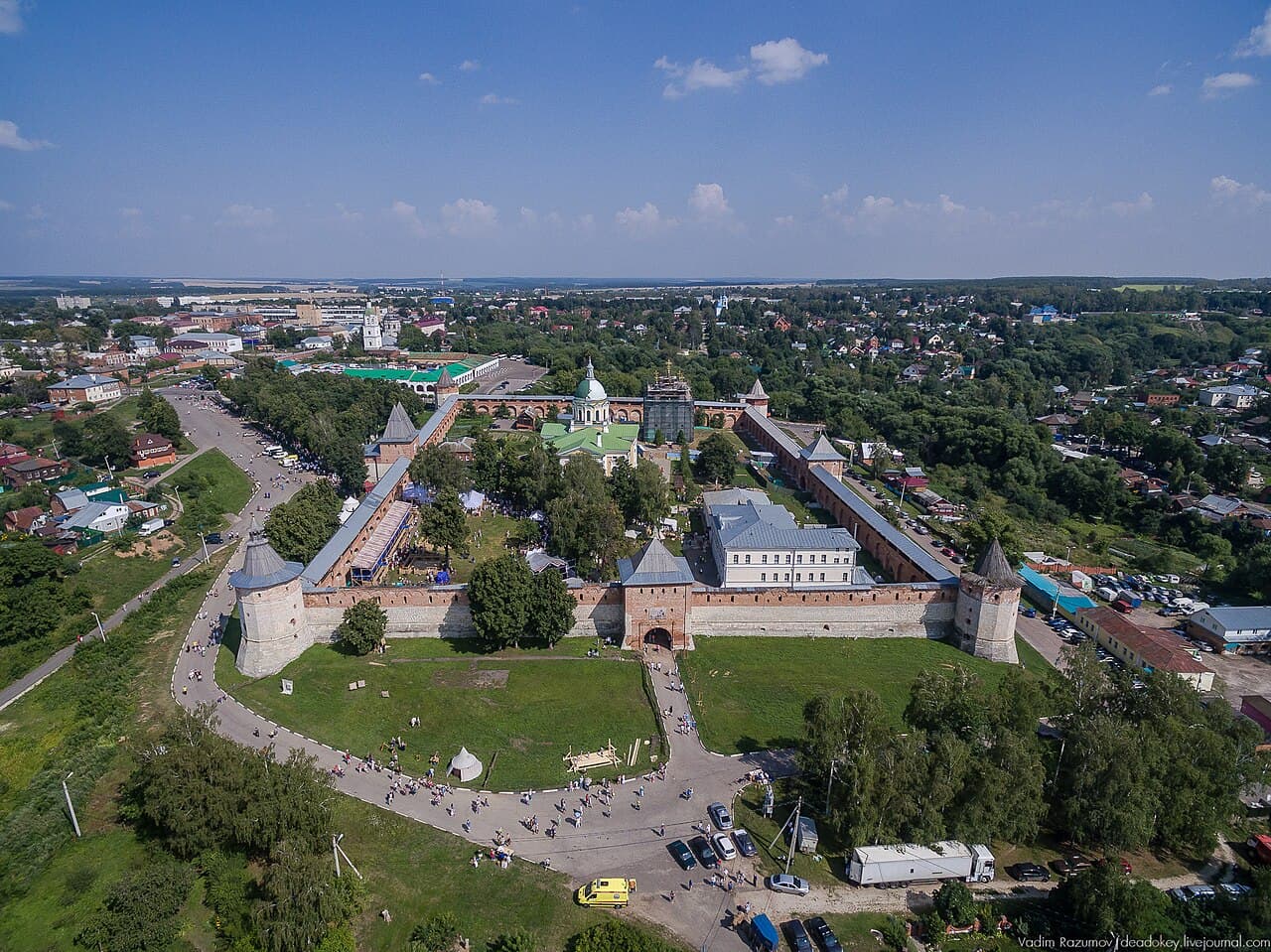
The Zaraysk Kremlin is a prominent example of a 16th-century bastioned fortress constructed under the orders of Vasili III of Moscow between 1528 and 1531. This rectangular fortified citadel is strategically located in the town of Zaraysk, which lies between Moscow and Ryazan in the Russian Federation. Serving both defensive and administrative purposes, the Kremlin was part of a broader effort to secure the southern borders of the Grand Duchy of Moscow during a period of frequent raids and military threats.

Historical context and strategic importance

The construction of the Zaraysk Kremlin took place during the Renaissance period in Russia, a time when military architecture was evolving to meet new challenges posed by the increasing use of firearms and artillery. The fortress was built to defend the southern approaches to Moscow from the Crimean Tatars and other nomadic groups. Its location on the Osyotr River provided a natural defensive advantage and facilitated communication and supply routes between Moscow and the eastern territories.

Architectural design and fortifications

The fortress is characterized by its rectangular layout with thick brick walls reinforced by bastions at the corners. These bastions were designed to provide overlapping fields of fire, a significant advancement in fortress design influenced by Western European military engineering of the time. The walls are punctuated by towers that served as lookout points and defensive positions. The Kremlin's design reflects a transition from traditional medieval fortifications to more modern bastioned systems capable of withstanding artillery attacks.

Bastions and towers

The fortress includes several bastions that project outward from the main walls, allowing defenders to cover adjacent walls with cannon and musket fire. The towers are robust structures with multiple levels, featuring embrasures for firearms and machicolations for dropping projectiles on attackers. These features illustrate the adaptation of Russian fortifications to new military technologies during the early 16th century.

Gates and entrance

The main entrance to the Kremlin is fortified with a gate complex that includes a gate tower and defensive barriers such as a portcullis and heavy wooden doors. This entrance was designed to control access and withstand sieges, reflecting the fortress's role as a military stronghold.

Role in regional defense and administration

Beyond its military function, the Zaraysk Kremlin served as an administrative center for the surrounding region. It housed the local garrison and officials responsible for managing the territory and collecting taxes. The fortress also provided refuge for the local population during raids, underscoring its importance in regional security.

Preservation and current status

Today, the Zaraysk Kremlin is well preserved and remains a significant cultural and historical monument. Its walls and towers have survived largely intact, offering valuable insight into Renaissance military architecture in Russia. The site attracts visitors interested in history, architecture, and Russian heritage, with some parts accessible for tours and educational purposes.

Visitor information

The Kremlin is open to the public, allowing visitors to explore its ramparts, towers, and internal courtyards. It is an important destination for those studying the evolution of fortification design and the history of the Moscow region during the early modern period.

Frequently asked questions (FAQ)

How do I get to Zaraysk Kremlin?
Zaraysk Kremlin is easily accessible by public transport or car. If you're traveling by train, the nearest station is Zaraysk, and local buses or taxis can take you to the Kremlin. It's a short walk from the town center, making it convenient for visitors.
What is the historical significance of Zaraysk Kremlin?
Zaraysk Kremlin, built in the late 16th century, served as a defensive fortress and played a vital role in protecting the region from invasions. It is one of the few surviving examples of Russian medieval fortifications and has been declared a cultural heritage site. Its rich history is reflected in its architecture and the stories of those who lived within its walls.
When was Zaraysk Kremlin constructed?
Construction of Zaraysk Kremlin began in 1531 under the orders of Tsar Ivan IV (Ivan the Terrible). The Kremlin was completed in the late 16th century and has endured various historical events, making it a significant monument of Russian history. Its walls and towers have withstood the test of time and remain a prominent feature in the landscape.
Can I visit Zaraysk Kremlin year-round?
Yes, Zaraysk Kremlin is open to visitors year-round, although some areas may have restricted access during winter months due to weather conditions. It’s advisable to check the official website for any seasonal changes in opening hours. Visiting during spring and summer offers a more vibrant experience with guided tours available.
Why is the architecture of Zaraysk Kremlin unique?
The architecture of Zaraysk Kremlin is unique due to its combination of Russian and Western European styles, reflecting the cultural exchanges of the period. The walls are made of limestone and brick, showcasing intricate designs and a well-preserved layout. Its towers, including the iconic Spasskaya Tower, exemplify the military engineering of the time.
Is it possible to take guided tours of Zaraysk Kremlin?
Yes, guided tours are available at Zaraysk Kremlin, providing visitors with in-depth knowledge of its history and architecture. These tours can enhance your experience by offering insights into lesser-known stories and details about the site. It's recommended to book in advance, especially during peak tourist seasons.
What are the opening hours for Zaraysk Kremlin?
Zaraysk Kremlin typically opens at 10:00 AM and closes at 6:00 PM, with the last entry an hour before closing. These hours may vary depending on the season and special events, so be sure to check the official website for the most current information. It's advisable to plan your visit accordingly to make the most of your time there.
What are the ticket prices for visiting Zaraysk Kremlin?
Ticket prices for Zaraysk Kremlin are generally affordable, with discounts available for students and seniors. Children under a certain age may enter for free. It's best to check the official site for the latest pricing and any special offers that might be available during your visit.
Are there nearby attractions to visit after Zaraysk Kremlin?
Yes, there are several nearby attractions to explore after visiting Zaraysk Kremlin, including the local museums and historical sites within Zaraysk. The town is also known for its charming architecture and parks, making it perfect for a leisurely stroll. Don't miss the opportunity to enjoy the local cuisine at nearby cafes and restaurants.

Photo gallery

Zaraysk Kremlin
Click to view

Photo by Usadboved•CC BY-SA 4.0

1 photo • Click any image to view in full screen

Information

Bastioned Fortress

Loading map...

Visitor reviews

No reviews yet. Been here? Write the first review and help other travelers!

Write the first review

Visited this castle? Share your experience

Your review helps other travelers and adds first-hand knowledge to our encyclopedia.
Write a review

(5/5)

0/2000 characters

Your review will be visible after admin approval

Nearby castles

39.2 km
Kolomna Kremlin — Russia castle

Kolomna Kremlin

, Russia

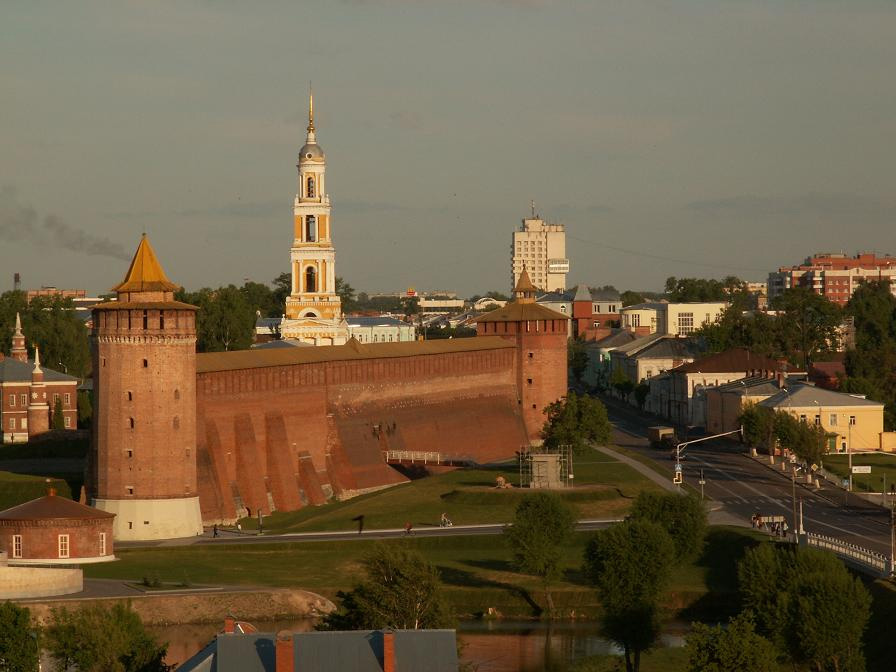
Kolomna Kremlin (Russian: Коломенский Кремль) is a historic fortress located in the city of Kolomna, within the Moscow Oblast of the Russian Federation. Constructed primarily during the early 16th century, this bastioned fortress represents a significant example of Russian military architecture from the Renaissance period. The fortress was built between 1525 and 1531 under the order of Tsar Vasily III, replacing an earlier wooden fortification that had previously guarded the area.The Kolomna Kremlin was strategically designed to protect the southern approaches to Moscow and served as a critical defensive stronghold against invasions. Its walls are characterized by thick, high stone ramparts, reinforced with bastions that allowed defenders to cover all angles of attack. The fortress's design reflects the transition in military architecture influenced by the advent of gunpowder artillery, which necessitated the development of angled bastions and lower, thicker walls to better withstand cannon fire.Architectural features and layoutThe fortress walls of the Kolomna Kremlin stretch approximately 2 kilometers and include around 17 towers of varying shapes and sizes. These towers served multiple purposes, including watchtowers, artillery platforms, and defensive strongpoints. The walls are constructed from limestone and brick, materials chosen for their durability and defensive properties.Among the towers, the Marinkina Tower and the Pyatnitskaya Tower stand out for their historical significance and architectural detail. The fortress also features several gates, with the Marinkina Gate being the main entrance, historically guarded and fortified to control access.Religious structures within the KremlinThe Kremlin's interior hosts several important religious buildings, reflecting the close relationship between military and spiritual life in medieval Russia. The Assumption Cathedral (Uspensky Cathedral) is one of the most prominent churches within the Kremlin walls, showcasing traditional Russian Orthodox architecture with its distinctive onion domes and frescoed interiors.Other notable religious edifices include the Resurrection Church (Voskresensky Church) and the Spassky Monastery, which dates back to the 14th century, predating the stone fortress itself. These buildings served both religious functions and as places of refuge during sieges.Historical significance and military roleThe Kolomna Kremlin played a vital role in the defense of the Russian state during the turbulent periods of the 16th and 17th centuries. It was a key point of resistance during invasions by the Crimean Tatars and other adversaries. The fortress's robust construction and strategic location helped secure the region and protect the approaches to Moscow.Throughout its history, the Kremlin underwent several modifications to adapt to evolving military technologies and threats. Despite these changes, much of the original Renaissance-era fortification remains intact, offering valuable insights into the military engineering of the period.Preservation and current statusToday, the Kolomna Kremlin is well-preserved and serves as a cultural and historical monument. It attracts visitors interested in Russian history, architecture, and Orthodox heritage. The Kremlin complex is managed by local authorities and includes museums that exhibit artifacts related to its military and religious history.Visitors can explore the fortress walls, towers, and the interior religious buildings, gaining a comprehensive understanding of the site's historical importance. The Kremlin also hosts various cultural events and festivals, reinforcing its role as a living monument of Russian heritage.

Renaissance (15th–17th c.)
Details
102.2 km
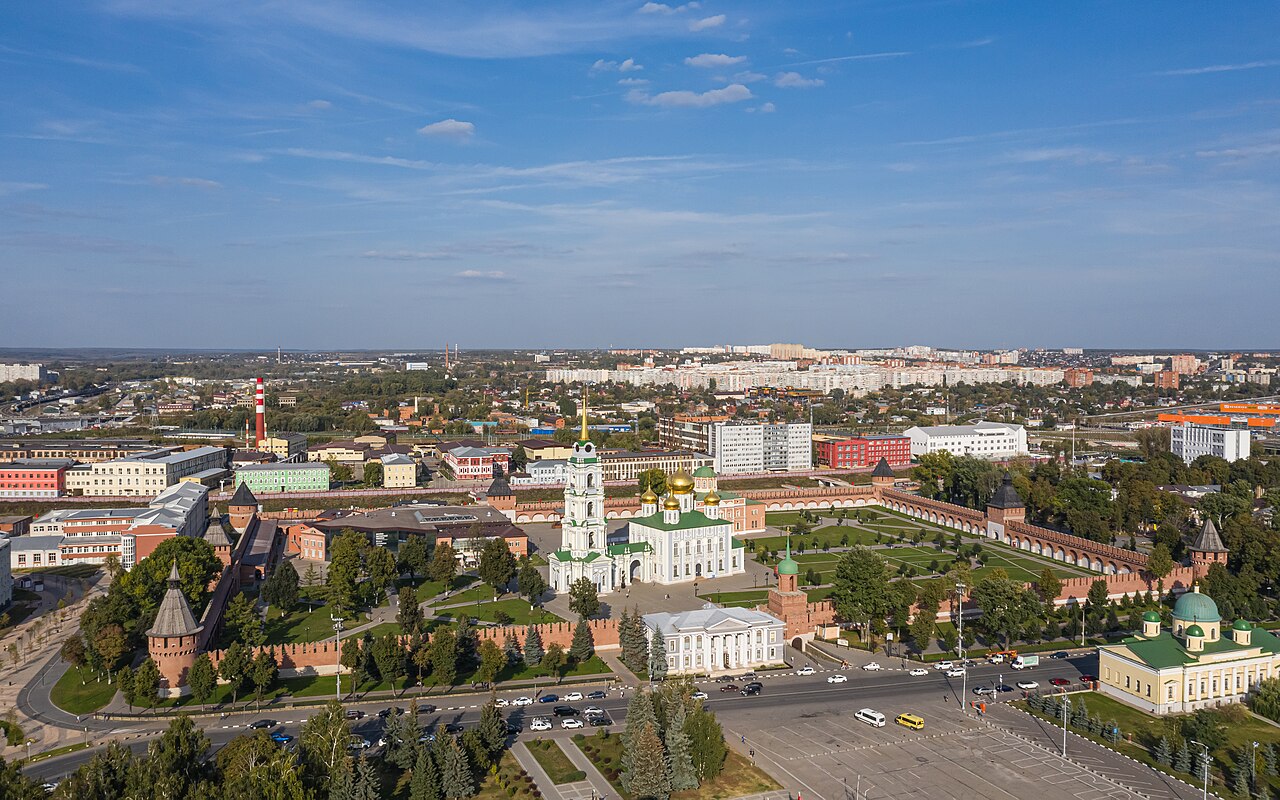
Tula Kremlin — Russia castle

Tula Kremlin

Tula, Russia

The Tula Kremlin is a prominent bastioned fortress located in the city of Tula, Russia. Constructed in the early 16th century, it represents a significant example of Russian military architecture during the Renaissance period. The fortress was built to protect the southern borders of the Grand Duchy of Moscow from invasions and played a vital role in the defense system of the region. Architectural design and fortifications The Tula Kremlin is characterized by its robust fortification walls and bastions, which exemplify the transition from medieval defensive structures to more modern Renaissance military engineering. The walls are constructed from thick brick and stone, designed to withstand artillery attacks that became increasingly common during the 16th century. The fortress features several towers strategically positioned along its perimeter, serving both as lookout points and defensive positions. The layout of the Kremlin is roughly rectangular, enclosed by high walls with battlements and walkways for guards. The bastions protrude outward, allowing defenders to cover adjacent walls with crossfire, a hallmark of Renaissance fortress design. These bastions were essential for repelling attacks and provided platforms for cannons and other artillery. Historical significance and construction Construction of the Tula Kremlin began in the early 1500s, under the rule of the Grand Duchy of Moscow. Its establishment was part of a broader effort to fortify the southern frontier against the Crimean Tatars and other nomadic groups. The fortress not only served military purposes but also became a political and administrative center for the region. Over the centuries, the Kremlin witnessed numerous sieges and battles, reflecting its strategic importance. It was a key defensive stronghold during the Time of Troubles in the early 17th century and later during various conflicts involving the Russian state. Religious architecture within the Kremlin Within the walls of the Tula Kremlin stand two significant cathedrals that highlight the cultural and religious heritage of the site. The Assumption Cathedral, built between 1762 and 1766, is an example of Russian ecclesiastical architecture from the 18th century. It features traditional Orthodox design elements, including onion domes and ornate iconostasis. The Epiphany Cathedral, constructed later between 1855 and 1863, reflects the architectural styles of the mid-19th century. This cathedral adds to the religious and historical depth of the Kremlin, serving as a place of worship and community gathering. Preservation and current status Today, the Tula Kremlin is well preserved and functions as a cultural and historical monument. It attracts visitors interested in Russian history, architecture, and heritage. The fortress complex includes museums and exhibition spaces that showcase its military and religious significance. The Kremlin remains an important symbol of Tula's historical identity and continues to be a focus of preservation efforts to maintain its structural integrity and historical authenticity. Visiting the Tula Kremlin Visitors to the Tula Kremlin can explore its imposing walls, towers, and bastions, as well as the two historic cathedrals within its grounds. The site offers guided tours that provide insights into its architectural features and historical context. The surrounding city of Tula also offers additional attractions related to its rich cultural heritage.

Renaissance (15th–17th c.)
Details
117 km

Castle of Childhood

sovkhoza im. Lenina, Russia

Located on the outskirts of Moscow in the sovkhoza im. Lenina area, the Castle of Childhood stands as a unique and enchanting kindergarten that captures the imagination of both children and adults. This six-story building is designed to resemble a medieval castle with vibrant shades of orange, green, and pink, creating a magical atmosphere that feels like stepping into a fairy tale. Although Russia does not have a Disneyland, this castle-like kindergarten offers a whimsical alternative, blending education with fantasy to inspire young minds. The castle was constructed in February 2013 under the vision of Pavel Grudinin, who drew inspiration from the iconic Neuschwanstein Castle in Germany. Grudinin's aim was to create a space where children could experience wonder and joy daily, making their early childhood both extraordinary and memorable. The building accommodates around 150 children, providing a lavish and imaginative environment for learning and play. Architectural inspiration and design The design of the castle kindergarten is a modern interpretation of romantic medieval castles, incorporating playful colors and shapes to appeal to children. Its towers, turrets, and battlements evoke the grandeur of historical European castles, yet the bright palette and whimsical forms soften the fortress-like appearance, making it inviting rather than imposing. The castle's architecture reflects a blend of fantasy and functionality, with large windows for natural light, spacious rooms for various activities, and safety features suitable for young children. The structure’s height and scale are impressive for a kindergarten, emphasizing its role as a landmark and a symbol of imaginative childhood. Playground and outdoor features Surrounding the castle is a whimsical playground that complements the fairy tale theme. Children can explore hanging bridges, wander through flower gardens, and play in locomotive cars. A small carousel adds to the amusement, creating a vibrant outdoor space that encourages physical activity and creative play. The outdoor area is designed to stimulate curiosity and adventure, with diverse play equipment and natural elements that engage children’s senses and motor skills. This environment fosters social interaction and imaginative games, enhancing the educational experience beyond the classroom walls. Educational philosophy and community impact Pavel Grudinin’s vision extends beyond architecture to the educational philosophy of the kindergarten. He finances a wide range of resources to ensure that children have access to instruments like xylophones and even an observatory, nurturing their creativity and scientific curiosity. The castle fosters an environment where learning is intertwined with fun, encouraging children to explore various interests in a supportive setting. This kindergarten has become a cherished institution in the local community, symbolizing innovation in early childhood education. It demonstrates how imaginative architecture and thoughtful design can transform educational spaces into places of joy and inspiration.

Contemporary (20th–21st c.)
Details