Zabljak Crnojevica Castle
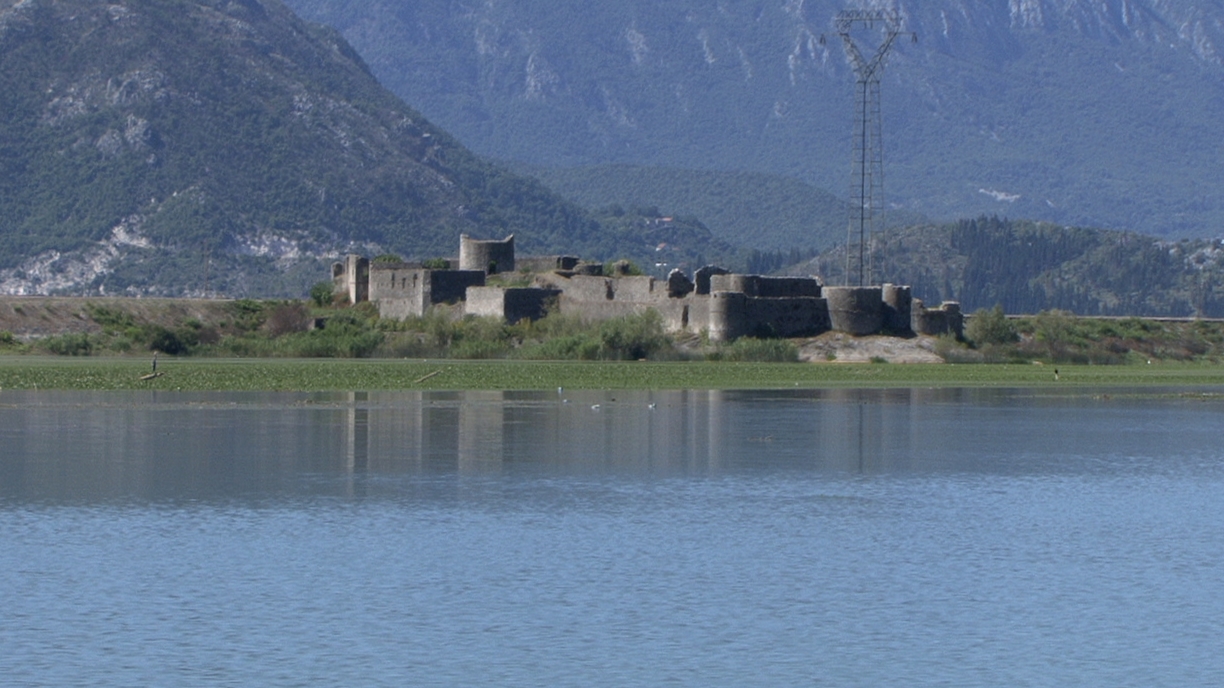
Žabljak Crnojevića is a significant medieval fortified town and castle situated at the confluence of the Morača river and Lake Skadar in Montenegro. This site, now an archaeological ruin, offers a glimpse into the region's complex history, marked by its strategic importance and the succession of ruling dynasties. Founded in the 10th century during the era of the Vojislavljević dynasty in the medieval principality of Dioclea, the fortress was first documented in written sources in the mid-15th century, highlighting its longstanding significance.
Historical significance and political role
Žabljak Crnojevića served as the capital of the medieval principality of Zeta under the Crnojević dynasty from 1466 to 1478. It was the seat of prominent rulers such as Stefan Crnojević and his son Ivan Crnojević. During this period, the fortress was a political and military center, reflecting the power and influence of the Crnojević family in the region. However, the fortress's strategic position also made it a target during the turbulent conflicts of the late medieval Balkans.
The Ottoman siege and later rule
In 1478, the fortress fell to the Ottoman Empire during the siege of Shkodra. This event forced Ivan Crnojević to relocate the capital, marking the beginning of nearly four centuries of Ottoman control over the fortress and surrounding area. Despite the Ottoman occupation, the fortress retained some of its medieval structures, although modifications were made, including the conversion of the Church of Saint George into a mosque. The fortress remained under Turkish rule until 1878, when the Berlin Congress returned the territory to Montenegrin administration.
Architectural features and layout
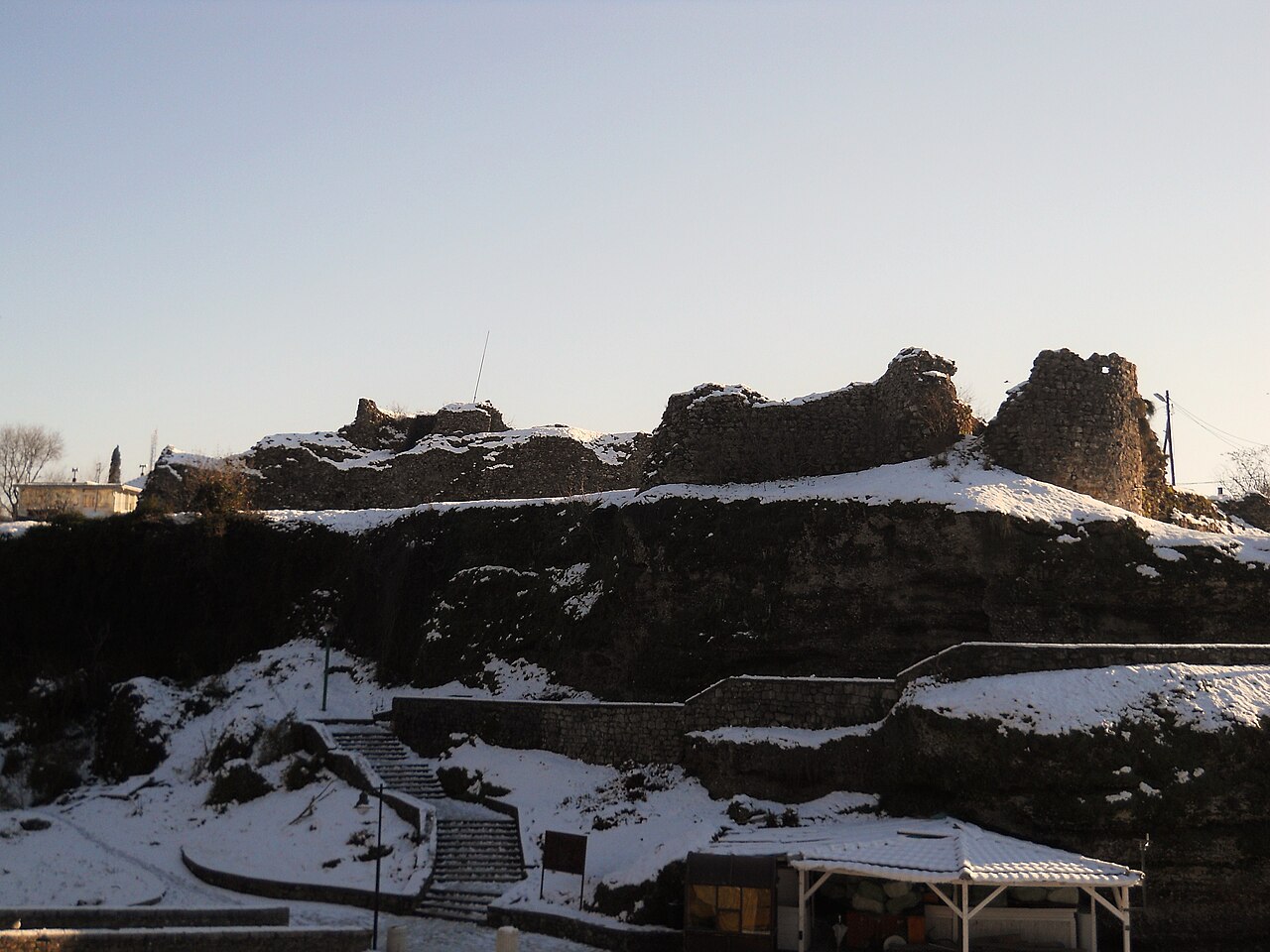
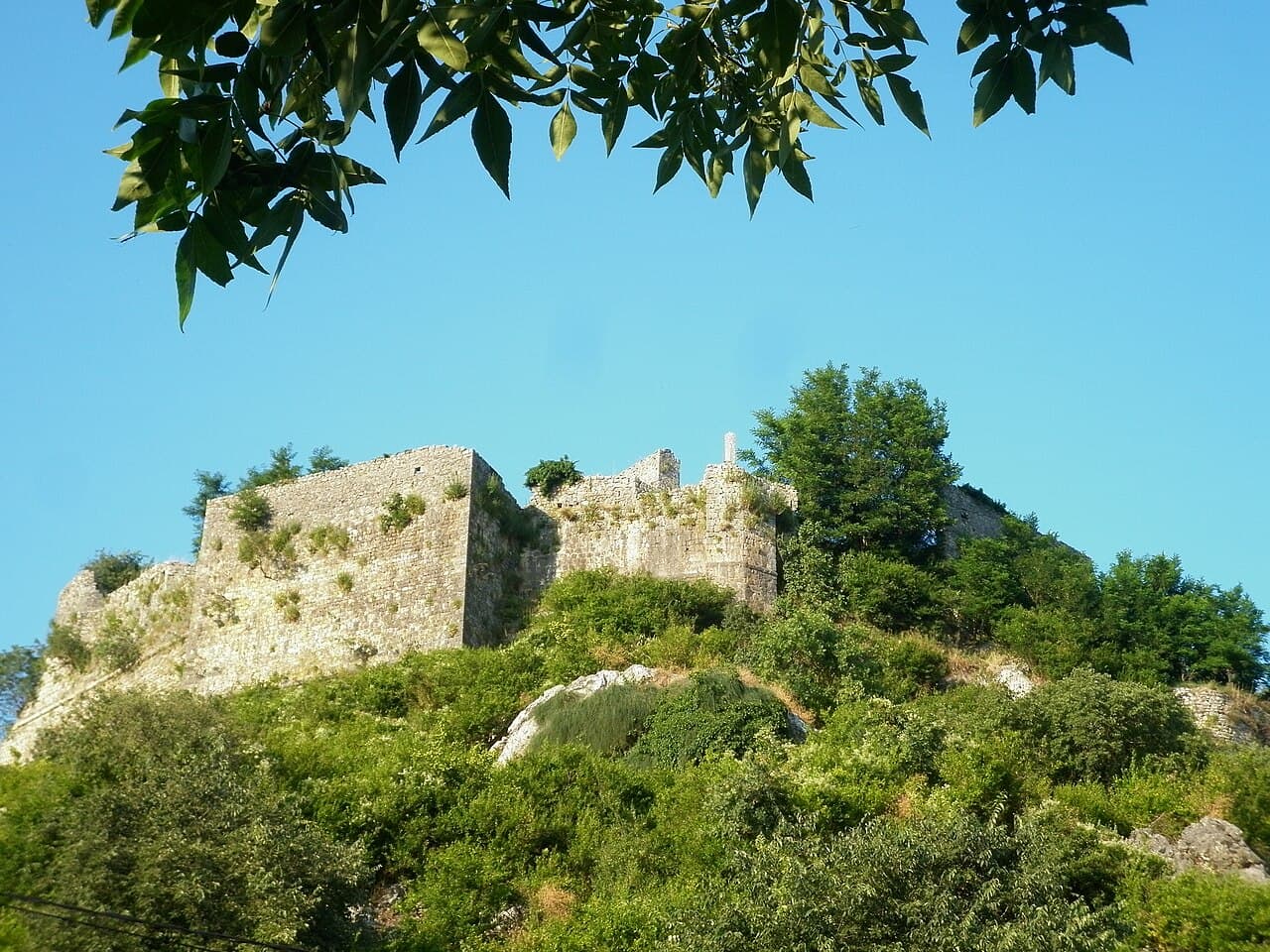
The fortress complex is characterized by its tall defensive walls reinforced with several towers and a single main gate, designed to control access and provide robust defense against invaders. Inside the walls, visitors can find the remains of Ivan Crnojević's court, which served as the administrative and residential center for the ruling family. The site also includes the remnants of the Church of Saint George, which was repurposed as a mosque during Ottoman rule, illustrating the layers of cultural and religious changes over the centuries.
Additional structures within the fortress include various housing units, military facilities, a warehouse for clothes, and a water tank, all of which reflect the fortress's role as a self-sustaining defensive settlement. Many of these features are preserved as ruins, providing valuable insight into medieval fortification design and daily life within the fortress.
Defensive design and strategic position
Žabljak Crnojevića's location at the meeting point of a major river and a large lake was a strategic choice, enabling control over waterways and trade routes. The fortress's design incorporates natural defenses provided by the surrounding water, supplemented by man-made walls and towers. This combination made it a formidable stronghold in medieval Montenegro.
Later history and current condition
By the early 17th century, the fortress was firmly under Ottoman control, with the presence of only one resident official, the Dizdar Aga, a Turkish military governor responsible for the fortress's upkeep and defense. Over time, the fortress was abandoned and fell into ruin, preserving its medieval and Ottoman architectural layers as archaeological remains.
Today, Žabljak Crnojevića stands as an important archaeological site and cultural monument, attracting historians, archaeologists, and tourists interested in Montenegro's medieval heritage. Its ruined walls and structures provide a tangible connection to the region's past, revealing the complex history of power struggles, cultural shifts, and architectural evolution.
Exploring Žabljak Crnojevića today
Visitors to the site can explore the extensive ruins, including the defensive walls, towers, and the remnants of the court and religious buildings. The fortress offers panoramic views of Lake Skadar and the surrounding landscape, enhancing its appeal as a historical and natural attraction. Interpretive signage and guided tours help contextualize the site's significance, providing insights into the lives of its medieval inhabitants and the broader historical events that shaped the region.
Access to the site is typically on foot, and due to its status as an archaeological ruin, some areas may be uneven or challenging to navigate. Visitors are advised to wear appropriate footwear and prepare for outdoor conditions when planning their visit.
Frequently asked questions (FAQ)
- How do I get to Zabljak Crnojevica Castle?
- Zabljak Crnojevica Castle is accessible by car and is located approximately 20 kilometers from the town of Cetinje. There are also local buses that connect the castle with major towns in the region, making it convenient for visitors without a vehicle.
- What is the historical significance of Zabljak Crnojevica Castle?
- Zabljak Crnojevica Castle dates back to the 15th century and played a crucial role in the defense against foreign invasions. It is a testament to the rich history of Montenegro, reflecting the strategic importance of the area during medieval times.
- When was Zabljak Crnojevica Castle built?
- The construction of Zabljak Crnojevica Castle began in the 15th century, specifically around the year 1478. It was built by the Crnojevic dynasty, who were key figures in the early history of Montenegro.
- Can I take guided tours of the castle?
- Yes, guided tours are available for visitors who wish to learn more about the castle's history and architecture. These tours often include insights from knowledgeable guides who can provide a deeper understanding of the site's significance.
- Why is Zabljak Crnojevica Castle a popular tourist destination?
- The castle's stunning location overlooking Lake Skadar, combined with its historical richness, makes it a popular destination. Visitors are drawn to its picturesque views, fascinating history, and the opportunity to explore a significant cultural landmark.
- Is it possible to visit the castle year-round?
- Yes, Zabljak Crnojevica Castle is open to visitors throughout the year, although the best time to visit is during the spring and autumn months when the weather is mild and the scenery is particularly beautiful. However, accessibility may vary in winter due to weather conditions.
- What are the opening hours for Zabljak Crnojevica Castle?
- The castle typically opens at 9 AM and closes at 6 PM during the peak tourist season from April to October. In the off-peak season, hours may vary, so it's advisable to check in advance before your visit.
- Are there any ticket prices for visiting Zabljak Crnojevica Castle?
- Yes, there is a nominal fee for entrance to the castle, which helps maintain the site. Ticket prices are generally affordable, and discounts may be available for students and seniors.
- What nearby attractions can I visit while at Zabljak Crnojevica Castle?
- While visiting Zabljak Crnojevica Castle, you can also explore Lake Skadar National Park, known for its diverse wildlife and beautiful landscapes. Additionally, nearby villages offer traditional Montenegrin culture and cuisine, enriching your overall experience.
Photo gallery

Information
Loading map...
Visitor reviews
No reviews yet. Been here? Write the first review and help other travelers!
Write the first reviewVisited this castle? Share your experience
Your review helps other travelers and adds first-hand knowledge to our encyclopedia.