Yonago Castle
Yonago Castle (Yonago-jō) is a historically significant Japanese castle located in the city of Yonago, within Tottori Prefecture in the San'in region of Japan. Known also by its alternate names, Kume Castle and Minatoyama Castle, it stands as a notable example of a Japanese castle from the Edo period. Though now in ruins, the site has been recognized and protected as a National Historic Site since 2006, reflecting its cultural and historical importance.
The castle was originally constructed in the 16th century, during a time of significant military and political change in Japan. This period, often associated with the late Sengoku era transitioning into the Edo period, saw many castles built or expanded to serve as military strongholds and administrative centers. Yonago Castle was strategically positioned to control the surrounding region and oversee important transportation routes.
Historical context and significance
Yonago Castle's history is intertwined with the shifting power dynamics of feudal Japan. The castle served as a stronghold for various local lords and was involved in regional conflicts characteristic of the late 16th and early 17th centuries. Its location in the San'in region made it a key defensive site against potential invasions and internal strife.
During the Edo period, the castle was under the control of the Ikeda clan, a powerful samurai family who played a significant role in the governance of the area. The castle functioned not only as a military fortress but also as a symbol of the clan's authority and governance.
Architectural features and layout
Though Yonago Castle now exists primarily as ruins, archaeological studies and historical records provide insights into its original structure and design. The castle was built as a hilltop fortress, utilizing the natural terrain to enhance its defensive capabilities. This strategic use of elevation is typical of many Japanese castles, which often incorporated the landscape into their design to maximize defense.
The castle complex included multiple baileys (courtyards), stone walls, gates, and watchtowers. The main keep or tenshu would have been a prominent feature, serving both as a military stronghold and a residence for the lord. Defensive features such as moats and earthen ramparts were also part of the castle's fortifications.
Stone walls and moats
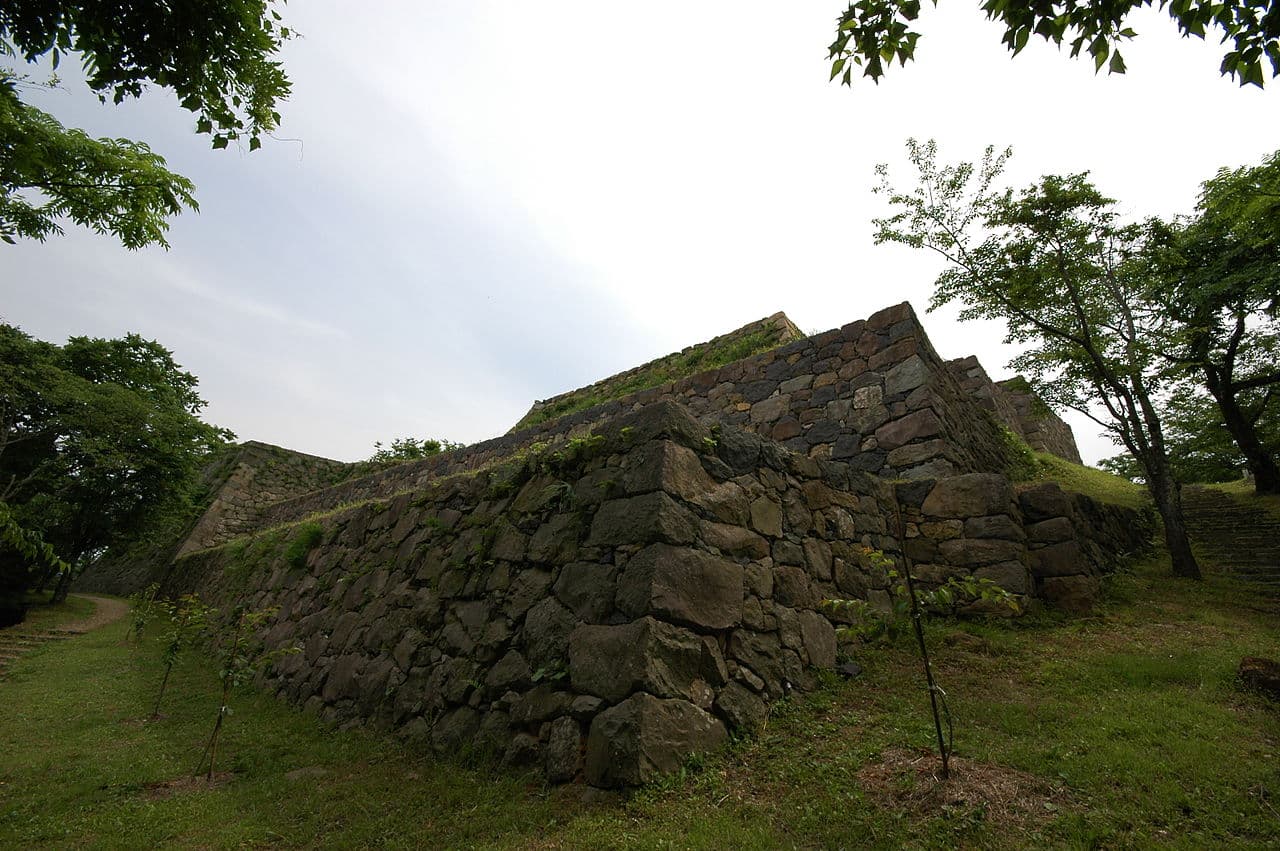
The castle's stone walls, constructed using traditional Japanese techniques, were designed to withstand sieges and attacks. The walls were often angled and fitted with loopholes for archers and gunmen. Surrounding moats added an additional layer of defense, making direct assaults more difficult.
Baileys and gates
The castle's layout featured several baileys, each serving different purposes such as administrative functions, residential quarters, and military defense. Gates controlling access between these areas were heavily fortified and strategically placed to slow down attackers and protect the inner sanctums.
Decline and preservation
Following the Meiji Restoration in the late 19th century, many Japanese castles were dismantled or fell into disrepair as the feudal system was abolished. Yonago Castle was no exception, and over time, much of its structure was lost. Today, only ruins remain, including remnants of stone walls and earthworks.
The site's designation as a National Historic Site in 2006 has helped preserve what remains and promote archaeological research. Efforts have been made to maintain the ruins and provide information to visitors about the castle's historical significance.
Visiting Yonago Castle today
Visitors to Yonago Castle can explore the ruins and enjoy panoramic views of the surrounding area from the hilltop location. Interpretive signs and markers help explain the castle's history and layout. The site is accessible by hiking trails and is a popular destination for those interested in Japanese history and castle architecture.
Nearby attractions include the city of Yonago itself, which offers cultural experiences, local cuisine, and other historical sites. The castle ruins provide a tangible connection to Japan's feudal past and the architectural ingenuity of its castle builders.
Frequently asked questions (FAQ)
- What is the historical significance of Yonago Castle?
- Yonago Castle, built in the early 17th century, served as a strategic military stronghold during the Edo period. It is an important symbol of the region's history and reflects the architectural styles of Japanese castles from that era.
- When was Yonago Castle constructed?
- Yonago Castle was constructed in 1604 under the guidance of the powerful Matsudaira clan. Although it has undergone various restorations over the years, its original structure and design remain a testament to the era's castle-building techniques.
- What are the opening hours for Yonago Castle?
- Yonago Castle is typically open to visitors from 9 AM to 5 PM daily. However, it is advisable to check the official website for any seasonal changes or special holiday hours before planning your visit.
- Can I access Yonago Castle by public transport?
- Yes, Yonago Castle is accessible by public transport. Visitors can take a train to Yonago Station and then use local buses or taxis to reach the castle, which is just a short distance away.
- What is the best time to visit Yonago Castle?
- The best time to visit Yonago Castle is during the spring, particularly in April when cherry blossoms bloom, creating a picturesque setting. Autumn is also beautiful, as the surrounding foliage turns vibrant shades of red and gold.
- Is it possible to enter the main keep of Yonago Castle?
- While the main keep of Yonago Castle is no longer standing, visitors can explore the castle grounds and enjoy panoramic views from the remaining stone walls. The site also features informative displays about the castle's history.
- Are there any nearby attractions to visit while at Yonago Castle?
- Yes, nearby attractions include the Yonago City Museum and the scenic Lake Nakaumi. Visitors can also explore the beautiful Japanese gardens and the historic streets of the surrounding area.
- What are the ticket prices for Yonago Castle?
- Admission to Yonago Castle is typically free, allowing visitors to explore the grounds without any cost. However, some special exhibits or guided tours may have a nominal fee, so it's best to check in advance.
Photo gallery

Information
Loading map...
Visitor reviews
No reviews yet. Been here? Write the first review and help other travelers!
Write the first reviewVisited this castle? Share your experience
Your review helps other travelers and adds first-hand knowledge to our encyclopedia.