Matsue Castle
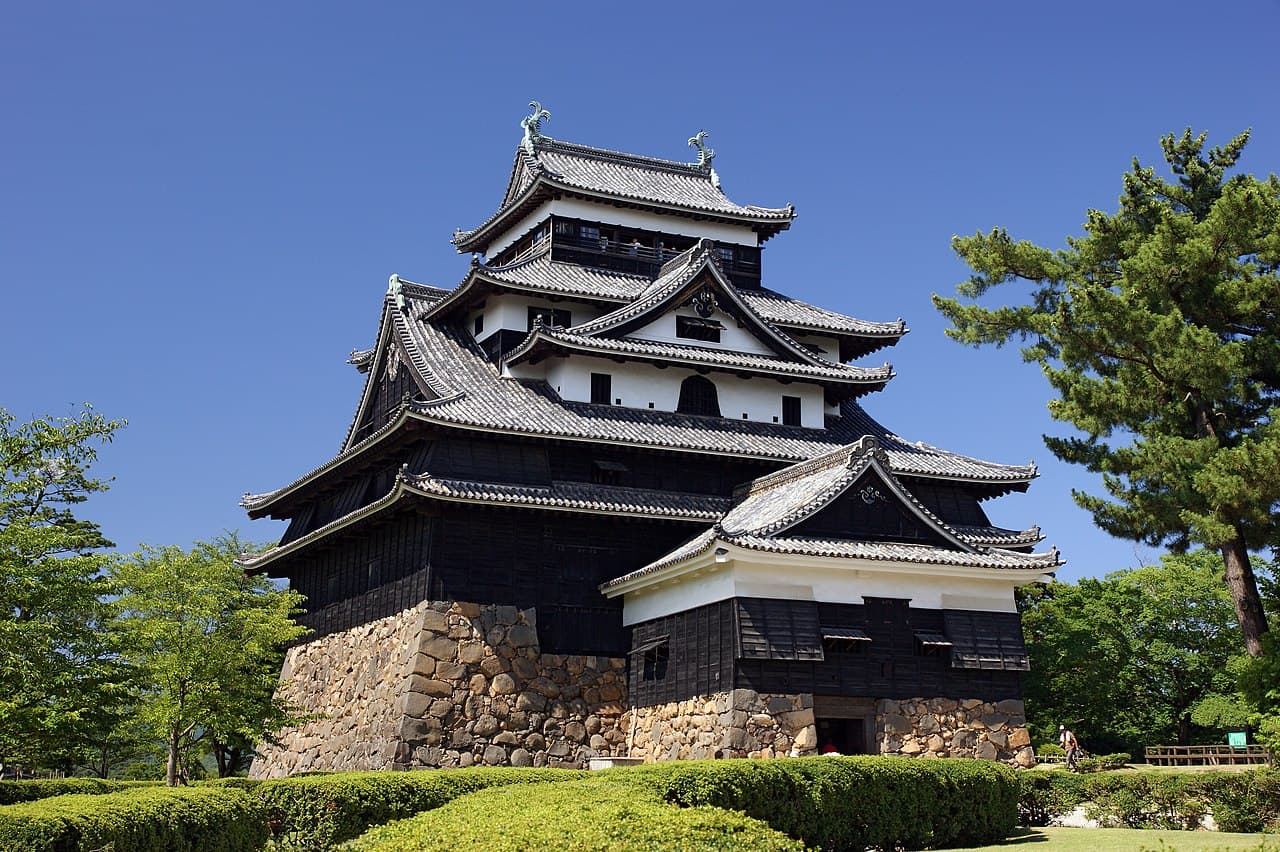
Matsue Castle stands as one of Japan's most remarkable and well-preserved hill castles, located in the city of Matsue in Shimane Prefecture. Constructed in 1611, during the early Edo period, this castle has survived centuries of political change and modernization, retaining much of its original structure and charm. Matsue Castle is celebrated for its imposing borogata style main keep, a rare architectural form that exemplifies the defensive ingenuity and aesthetic sensibilities of the time.
The castle's origins trace back to Horio Yoshiharu, who was granted the lands around Izumo after his loyal service in the Battle of Sekigahara in 1600. This pivotal battle established Tokugawa Ieyasu's dominance over Japan and led to the redistribution of lands to his allies. Horio Yoshiharu's family governed the region for three generations, followed briefly by the Kyogoku clan. Eventually, governance passed to Matsudaira Naomasa, a grandson of Tokugawa Ieyasu, whose family ruled for over two centuries until the Meiji Restoration.
Architectural significance and style
Matsue Castle is an outstanding example of a hill castle, strategically built on a natural elevation to maximize defense. Its main keep (tenshu) is a magnificent multi-storied structure built in the borogata style, characterized by its robust, angular design and layered roofs that create an imposing silhouette. This style is less common than the more widely known hirajiro (flatland castles) or yamajiro (mountain castles), making Matsue Castle architecturally significant.
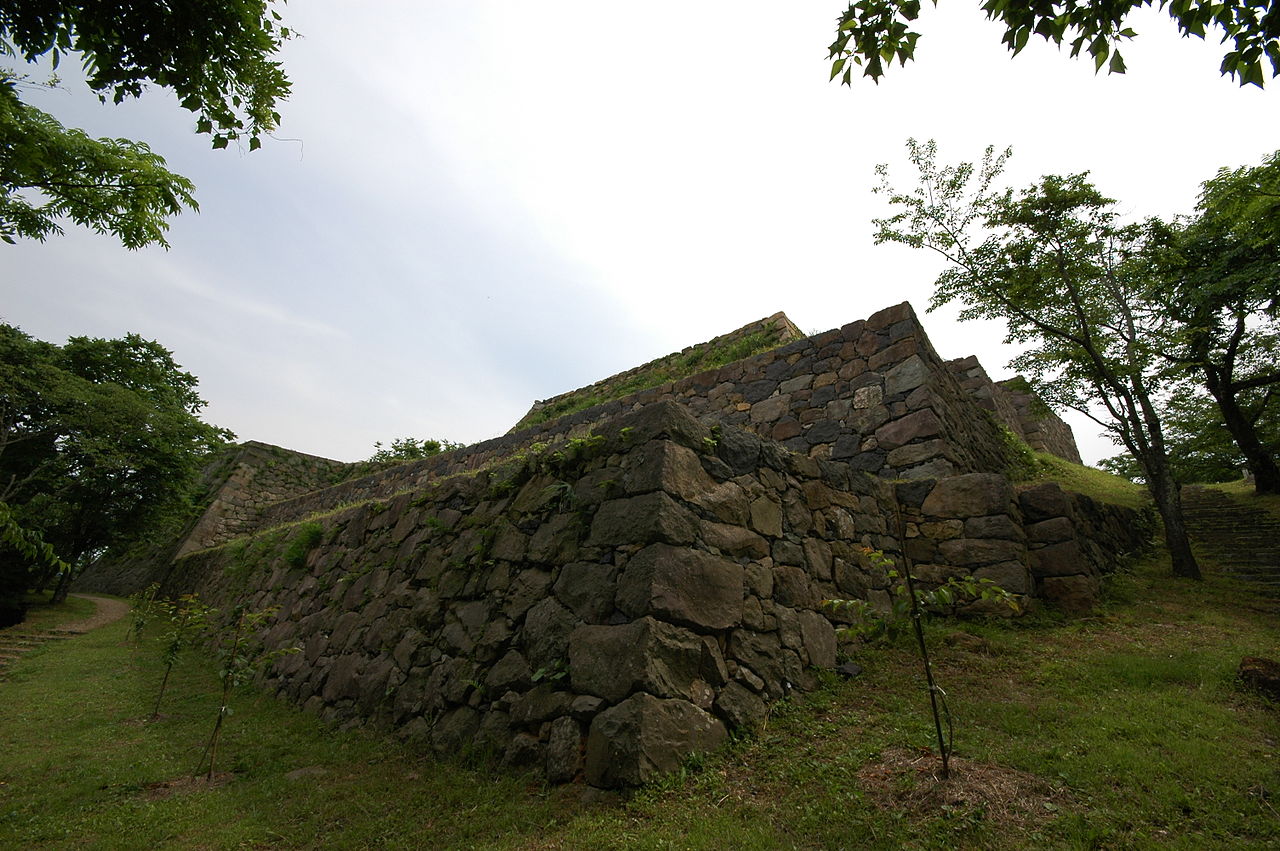
The castle complex features extensive stone walls and moats that encircle the grounds, enhancing its defensive capabilities. The meticulous stonework demonstrates the craftsmanship of the Edo period, with large stones carefully fitted together without mortar, a technique known as nozura-zumi. The moats not only served as formidable barriers against invaders but also contributed to the castle's aesthetic appeal, reflecting the surrounding landscape.
Historical context and ownership
Following the Battle of Sekigahara, the Tokugawa shogunate established a strict feudal order, and Matsue Castle became a key stronghold in the Izumo region. The Horio clan initially constructed the castle, but after the clan's decline, the Kyogoku family briefly held the domain. The Matsudaira clan, related to the Tokugawa family, took over in the early 17th century and maintained control for approximately 234 years.
During the Meiji Period, many castles across Japan were dismantled as symbols of the old feudal order were removed in favor of modernization. Matsue Castle faced a similar fate; however, the main keep was spared from demolition due to its cultural and historical value. This preservation effort has allowed Matsue Castle to remain one of the few original castles in Japan with its main keep intact.
Preservation and current condition
Today, Matsue Castle is classified as well preserved, retaining its original wooden interiors and structural elements. It is one of the twelve remaining original castles in Japan, a testament to its resilience and the careful conservation efforts undertaken by local authorities and heritage organizations.
The castle grounds are extensive and include several surviving stone walls and moats, which visitors can explore. Although many of the auxiliary buildings have not survived, plans and fundraising efforts are underway to reconstruct the Otemon Gate, the castle's main gate, which would enhance the site's historical authenticity and visitor experience.
Visitor experience and surrounding attractions
Visitors to Matsue Castle can enjoy climbing to the top of the main keep, where panoramic views of the city and Lake Shinji are visible. The castle's interior houses exhibits detailing its history, architecture, and the lives of the samurai who once guarded it.
Just outside the castle's northern moat lies the former residence of Lafcadio Hearn, a notable writer who introduced Japanese culture to the West, as well as a preserved samurai home. These sites enrich the cultural context of the castle and offer additional historical insights for visitors.
While boat tours around the outer moat are available, some visitors find the low roof of the boats restricts visibility, limiting photographic opportunities and overall enjoyment.
Significance as a cultural heritage site
Matsue Castle is currently under consideration for designation as a National Treasure of Japan, a status that would recognize its exceptional historical and architectural importance. This designation would help secure further preservation funding and increase public awareness of the castle's cultural value.
As a well-preserved hill castle from the early 17th century, Matsue Castle offers a rare glimpse into Japan's feudal past and the architectural mastery of the Edo period. Its survival through centuries of upheaval makes it a vital link to understanding Japanese history and castle construction techniques.
Frequently asked questions (FAQ)
- When was Matsue Castle built and by whom?
- Matsue Castle was built in 1611 by Horio Yoshiharu, who was granted the lands around Izumo after the Battle of Sekigahara.
- What is the architectural style of Matsue Castle's main keep?
- The main keep of Matsue Castle is built in the borogata style, known for its robust, angular design and layered roofs.
- Is Matsue Castle well preserved and can visitors explore the main keep?
- Yes, Matsue Castle is well preserved and visitors can climb the main keep to enjoy panoramic views and historical exhibits.
- Are there any notable sites near Matsue Castle worth visiting?
- Near the northern moat of Matsue Castle are the former residence of Lafcadio Hearn and a preserved samurai home, both open to visitors.
- Why is Matsue Castle significant in Japanese history?
- Matsue Castle is one of the few original castles remaining in Japan, representing early 17th-century feudal architecture and history.
Photo gallery

Information
Sources & official resources
Verify the information above using these authoritative references.
Loading map...
Visitor reviews
No reviews yet. Been here? Write the first review and help other travelers!
Write the first reviewVisited this castle? Share your experience
Your review helps other travelers and adds first-hand knowledge to our encyclopedia.