Gassan Toda Castle
Gassan Toda Castle stands as a remarkable example of a hill castle in Yasugi, Japan, with a rich history stretching back to the late Heian Period or early Kamakura Period. Although the precise date and founder of the original castle remain unknown, it is clear that the site held strategic importance for centuries. The castle is especially notable for its association with the Amago clan during the turbulent Sengoku Period and later developments under Horio Yoshiharu in the early 17th century.
Historical background and strategic importance
The origins of Gassan Toda Castle are somewhat shrouded in mystery, with historical records indicating construction sometime around the end of the Heian Period (794-1185) or the early Kamakura Period (1185-1333). This era was characterized by the rise of samurai clans and the establishment of fortified structures to assert regional control. The castle's location on a mountain provided natural defenses and a commanding view of the surrounding area, making it a valuable military outpost.
During the Sengoku Period (1467-1615), a time marked by constant warfare and shifting alliances, Gassan Toda Castle became the stronghold of the powerful Amago clan. The Amago were influential warlords in the San'in region, and their control of the castle underscored its military and political significance. However, in 1565, the castle fell to the forces of Mori Motonari, a formidable daimyo who expanded his territory through strategic conquests.
Reconstruction and decline under horio yoshiharu
In 1600, following the unification efforts of the Tokugawa shogunate, Horio Yoshiharu took control of Gassan Toda Castle. Recognizing the need to modernize and fortify the castle, he undertook significant rebuilding efforts to enhance its defenses. This period of reconstruction aligned with the early Edo period, which saw many castles adapted to new military technologies and administrative functions.
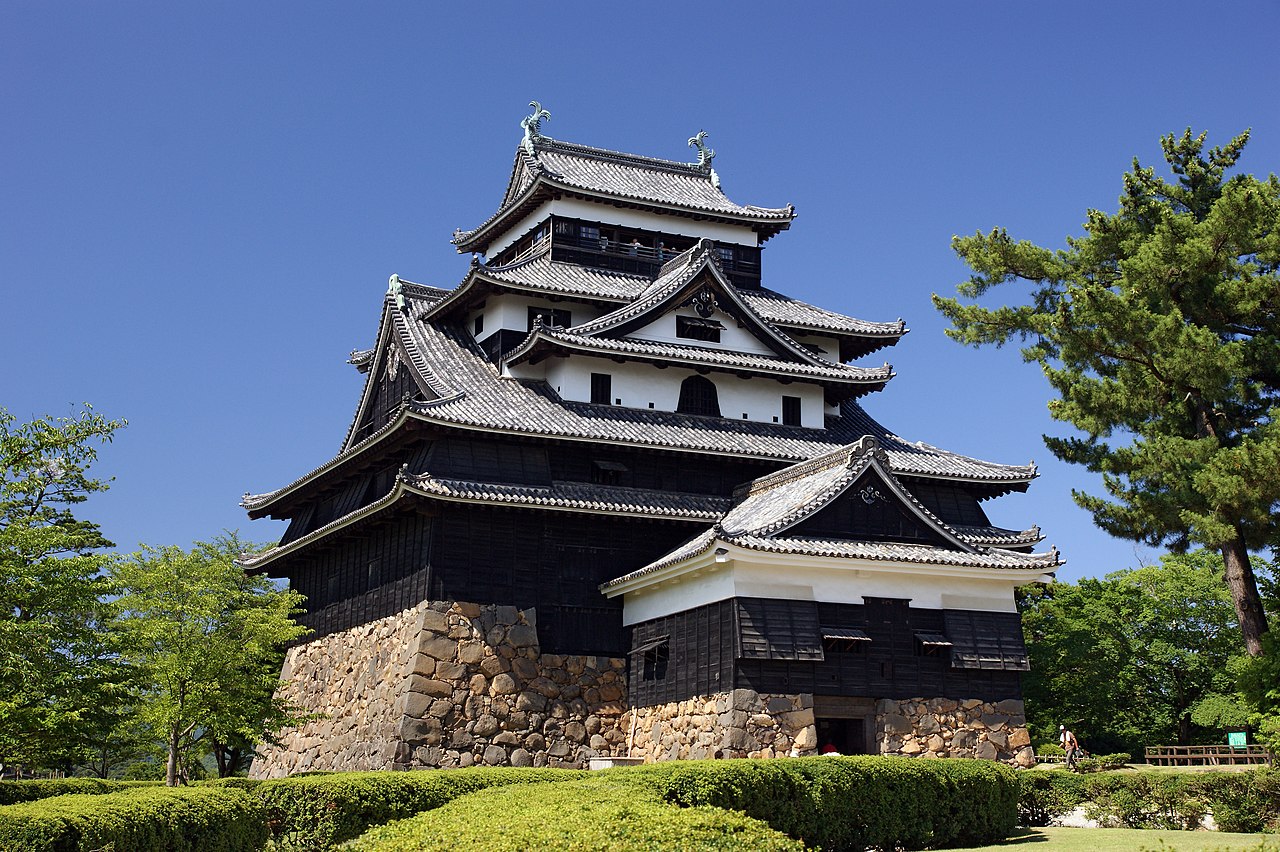
Despite these improvements, Horio Yoshiharu soon determined that the Gassan area was not ideal for fostering economic growth and regional development. Consequently, he initiated the construction of Matsue Castle, a more strategically and economically advantageous site. By 1611, Gassan Toda Castle was abandoned as Horio relocated his base of power to Matsue. This marked the end of the castle's active use and its gradual decline into a historical ruin.
Architectural features and site layout
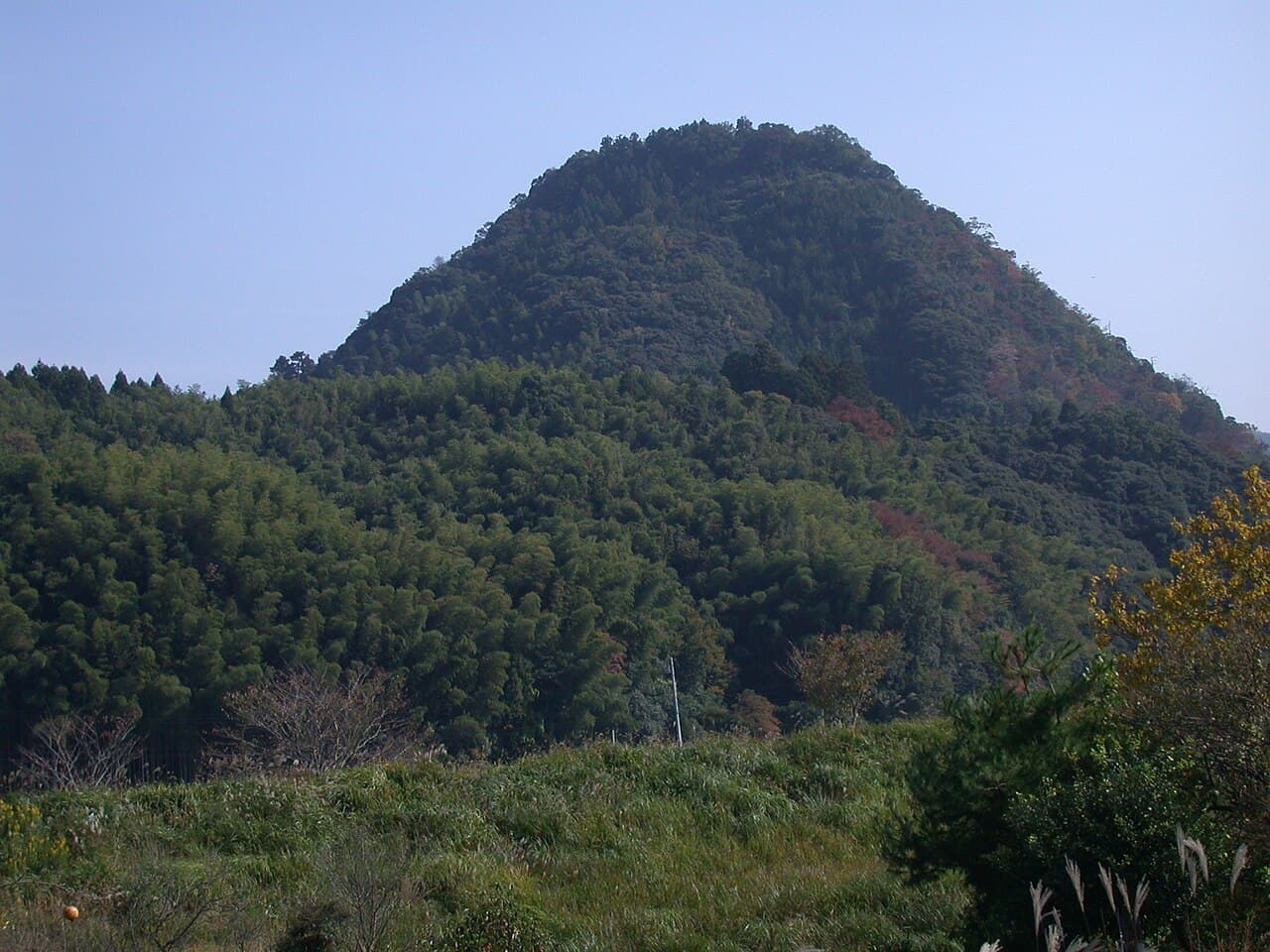
Gassan Toda Castle exemplifies typical hill castle design, utilizing the natural topography to maximize defense. The castle's honmaru (main enclosure) is situated at the mountain's summit, providing a vantage point over the surrounding landscape. This central keep area would have housed the lord's residence and key administrative buildings.
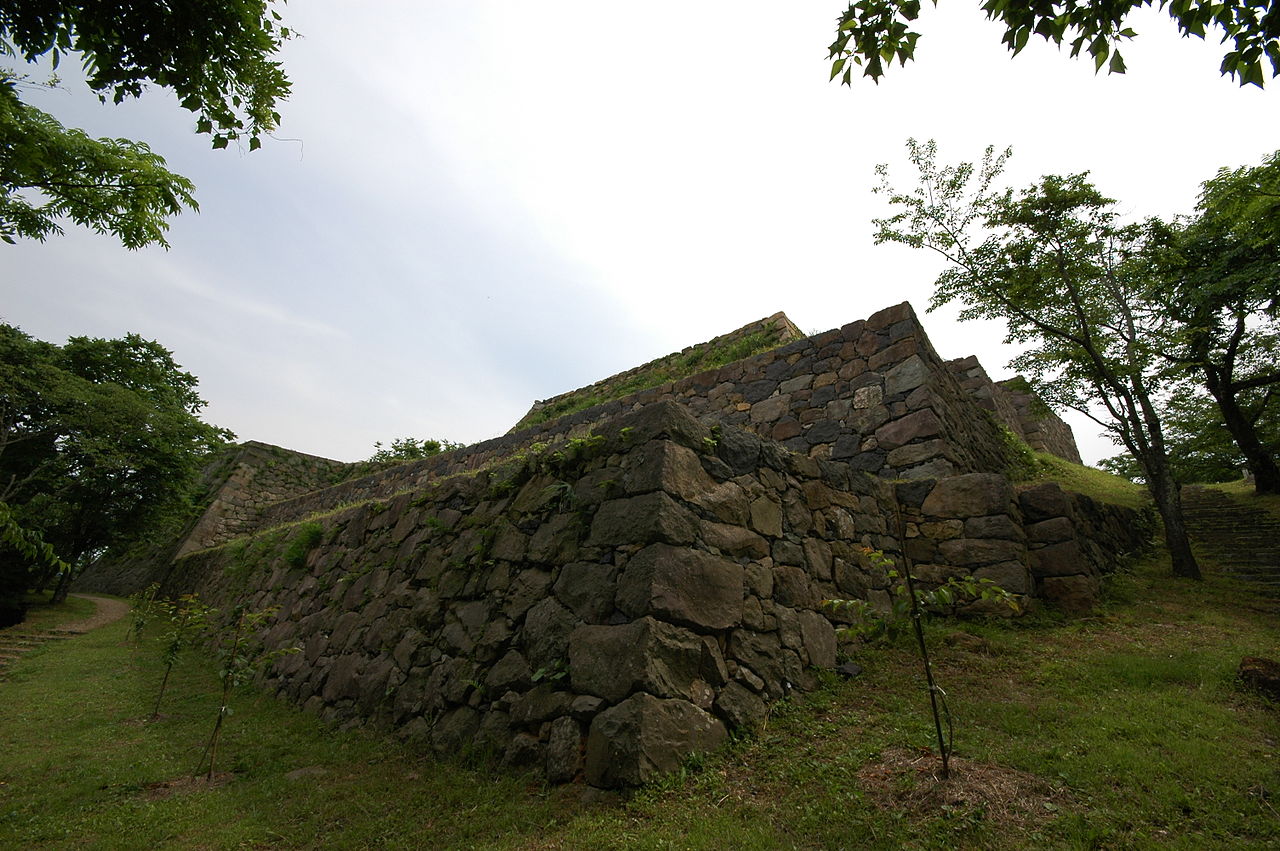
The castle complex included multiple baileys and defensive walls, constructed to impede attackers and protect the inhabitants. Though much of the original structure has not survived intact, the remaining earthworks and stone foundations offer valuable insights into its former grandeur. The castle's positioning and fortifications reflect the military architecture of the late medieval to early modern transition period in Japan.
Visiting gassan toda castle today
Today, Gassan Toda Castle is classified as partially preserved, with remnants accessible to visitors who appreciate historical sites and scenic hikes. The castle ruins are located on a mountain behind modern buildings in Yasugi, and reaching the honmaru requires a steep but rewarding climb. Visitors are treated to panoramic views and a tangible connection to Japan's feudal past.
Access to the castle can be challenging due to limited public transportation options. The local tourism office recommends taking a taxi from Yasugi Station to save time and allow for a more flexible visit. This approach also facilitates exploring nearby historical sites such as Yonago Castle. The hike to the main enclosure is well worth the effort for those interested in Japanese castle history and mountain fortresses.
Cultural significance and preservation efforts
Gassan Toda Castle holds significant cultural value as a relic of Japan's samurai era and the complex feudal dynamics of the Sengoku Period. Its association with prominent clans like the Amago and Mori, as well as its role in the early Edo period under Horio Yoshiharu, make it an important historical landmark.
Preservation efforts focus on maintaining the site as a cultural heritage location, with ongoing care to protect the remaining structures and earthworks. The castle ruins serve as an educational resource and a symbol of regional identity in Shimane Prefecture.
Recommended visitor tips
- Wear sturdy footwear for the mountain hike to the honmaru.
- Plan transportation ahead due to limited bus schedules; taxis are advised.
- Combine the visit with nearby castles like Yonago for a comprehensive historical tour.
- Visit during clear weather to enjoy expansive views from the castle summit.
Frequently asked questions (FAQ)
- How do I get to Gassan Toda Castle from Yasugi Station?
- Public transportation options are limited, so taking a taxi from Yasugi Station is recommended to reach Gassan Toda Castle efficiently and save time.
- What is the historical significance of Gassan Toda Castle?
- Gassan Toda Castle was a strategic stronghold for the Amago clan during the Sengoku Period and was later rebuilt by Horio Yoshiharu in the early Edo period before being abandoned in 1611.
- Is the hike to the honmaru difficult?
- The hike to the honmaru is steep but manageable for most visitors with reasonable fitness. It offers rewarding views and a chance to explore the castle ruins up close.
- Can I visit Gassan Toda Castle year-round?
- Yes, the castle ruins are accessible year-round, but it is best to visit during good weather for safety and to enjoy the panoramic views from the mountain summit.
- Are there other castles nearby to visit?
- Yes, Yonago Castle is nearby and can be conveniently visited on the same day as Gassan Toda Castle, especially if using a taxi for transportation.
Photo gallery

Information
Website
Visit websiteSources & official resources
Verify the information above using these authoritative references.
Loading map...
Visitor reviews
No reviews yet. Been here? Write the first review and help other travelers!
Write the first reviewVisited this castle? Share your experience
Your review helps other travelers and adds first-hand knowledge to our encyclopedia.