Yodo Castle is a significant hill castle located in Japan, renowned for its strategic importance during the Sengoku period and its role in the country's feudal history. Built originally in the 16th century, the castle served as a key military stronghold and administrative center, overseeing the region around the confluence of the Yodo and Katsura rivers. Its position on elevated terrain provided natural defensive advantages, making it a formidable fortress against rival clans.
Historical background and significance
The origins of Yodo Castle date back to the mid-1500s during a turbulent era marked by constant warfare among feudal lords. The castle was initially constructed by the Hosokawa clan, who recognized the strategic value of controlling the waterways and transportation routes in the Kansai region. Over time, the castle changed hands several times, reflecting the shifting alliances and power struggles characteristic of the warring states period.
One of the most notable episodes in the castle's history occurred during the late 16th century when it was seized by Toyotomi Hideyoshi, a prominent daimyo and unifier of Japan. Under his control, Yodo Castle became a vital base for consolidating power and managing the surrounding territories.
Architectural features and layout
Defensive structures and design
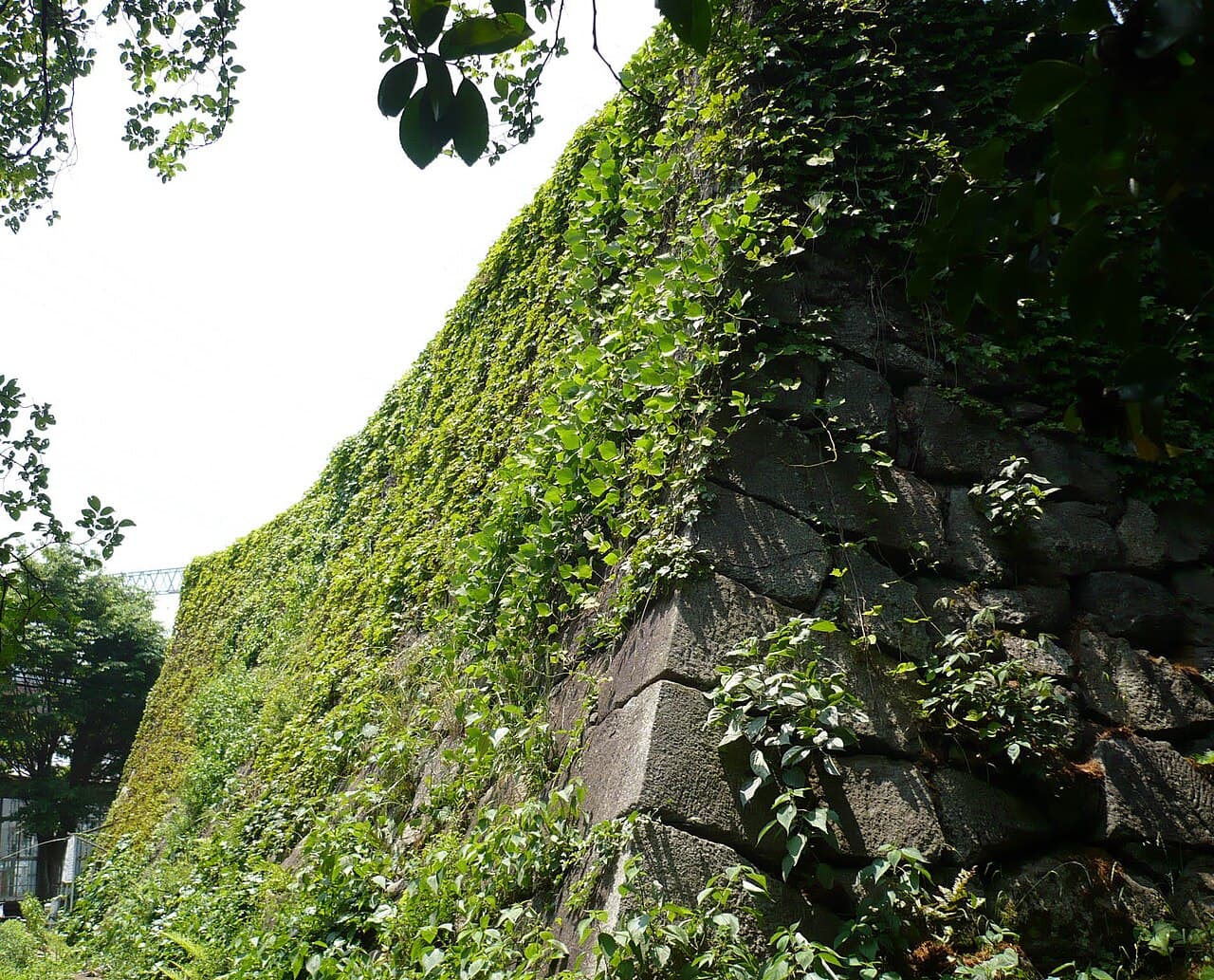
The castle's design incorporates typical features of hill castles of the period, including multiple baileys (courtyards) fortified with stone walls and moats. Its elevated position allowed defenders to monitor approaching enemies and use the natural landscape as part of its defensive system.
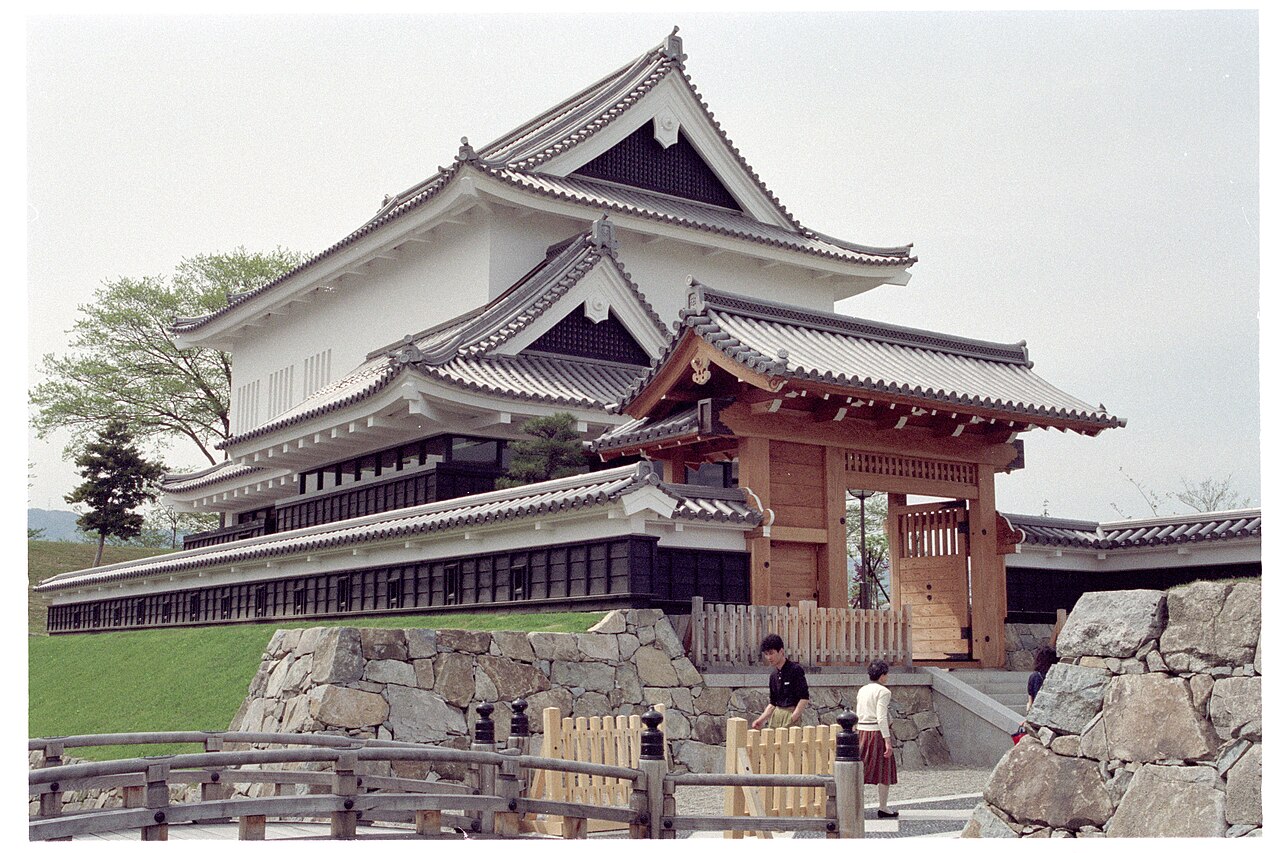
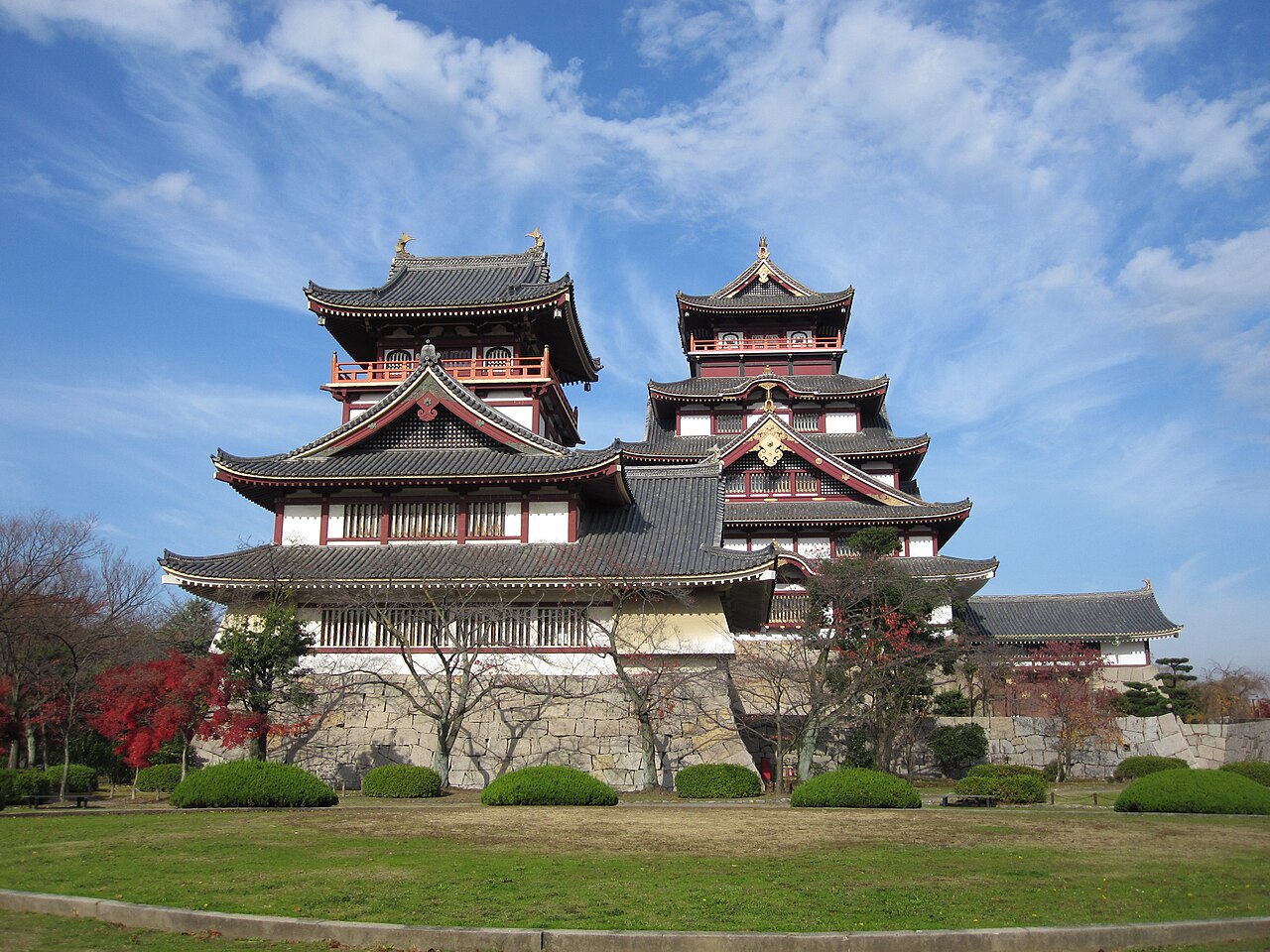
Yodo Castle featured a main keep (tenshu), although historical records suggest it was smaller and less elaborate than those of other contemporary castles. The castle complex included gates, watchtowers, and residential quarters for the ruling lord and his retainers. The layout emphasized both military functionality and administrative efficiency.
Later modifications and restorations
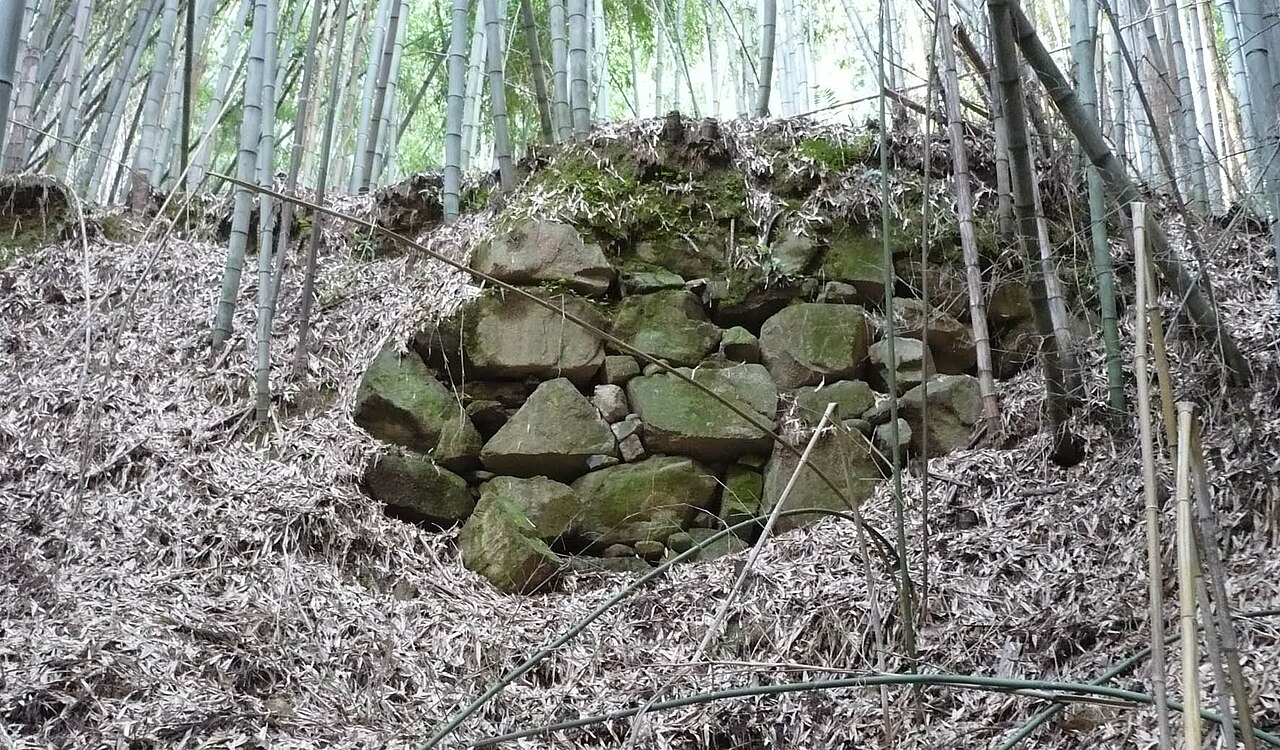
Throughout the Edo period, the castle underwent several renovations to improve its defenses and accommodate changing military technologies. However, after the Meiji Restoration, many of its structures were dismantled or fell into disrepair as the feudal system was abolished. Presently, only remnants of the original walls and moats remain, with some areas preserved as historic sites.
Cultural and heritage importance
Yodo Castle holds cultural significance as a symbol of Japan's feudal past and the complex history of clan rivalries and unification efforts. It is recognized as an important heritage site that offers insights into the military architecture and political dynamics of the Sengoku and Edo periods.
Visitors to the site can explore the castle ruins, which include preserved sections of stone walls and moats, as well as nearby museums that provide historical context and artifacts related to the castle's history.
Visiting information
The castle ruins are accessible to the public and are often visited by history enthusiasts and tourists interested in Japan's samurai heritage. The site is typically open year-round, with no entrance fee, allowing visitors to enjoy the scenic views and explore the remains at their own pace.
Nearby attractions include the city of Kyoto, which is just a short distance away, offering additional cultural and historical sites to explore.
Frequently asked questions (FAQ)
- How do I get to Yodo Castle?
- Yodo Castle is accessible via public transportation, with the nearest train station being Yodo Station, located just a short walk away. Visitors can take a local train from major cities like Kyoto or Osaka, making it convenient for day trips.
- What is the historical significance of Yodo Castle?
- Yodo Castle, built in the early 17th century, played a crucial role during the Sengoku period in Japan. It served as a stronghold for the Toyotomi clan and witnessed significant historical events, including the Siege of Osaka.
- When was Yodo Castle constructed?
- Construction of Yodo Castle began in 1603 under the direction of Toyotomi Hideyori and was completed in 1615. The castle was strategically built to defend against rival clans and has since become a symbol of the region's rich history.
- Is Yodo Castle accessible for visitors with disabilities?
- Yes, Yodo Castle is equipped with facilities to accommodate visitors with disabilities, including ramps and accessible restrooms. The castle grounds are relatively flat, making it easier for those with mobility challenges to explore the area.
- What are the opening hours for Yodo Castle?
- Yodo Castle is open to visitors from 9 AM to 5 PM, with last entry at 4:30 PM. It is advisable to check for any seasonal variations in hours or special events that may affect access.
- Can I purchase tickets in advance for Yodo Castle?
- Yes, tickets for Yodo Castle can be purchased in advance through their official website or at designated ticket counters nearby. This is a recommended option, especially during peak tourist seasons, to avoid long lines.
- When is the best time to visit Yodo Castle?
- The best time to visit Yodo Castle is during the spring (March to May) and autumn (September to November) months when the weather is mild, and the scenery is particularly beautiful. Cherry blossoms and autumn foliage enhance the castle's picturesque surroundings.
- What nearby attractions should I visit while at Yodo Castle?
- Nearby attractions include the Yodo River and several historic temples such as the Gokurakuji Temple. Additionally, the city of Osaka offers a variety of cultural experiences and dining options that complement a visit to Yodo Castle.
Photo gallery

Photo by 投稿者が撮影•Public domain
Information
Loading map...
Visitor reviews
No reviews yet. Been here? Write the first review and help other travelers!
Write the first reviewVisited this castle? Share your experience
Your review helps other travelers and adds first-hand knowledge to our encyclopedia.