Wu'ayra Castle
Wu'ayra Castle is a ruined Crusader fortress situated in Wadi Musa, Jordan, approximately 1 kilometre north of the main entrance to the ancient city of Petra. Founded around 1100 AD by Baldwin I of Jerusalem, it served as a strategic outpost to the larger Montreal Castle located about 34 kilometres to the north at Shoubak. The castle occupies a commanding position on a narrow, rocky ridge rising about 1,050 metres above sea level, surrounded by steep natural valleys that enhance its defensive capabilities.
Historical context and strategic importance
During the High Medieval period, the Crusaders established a chain of fortifications across the Levant to secure their territories and control vital trade and pilgrimage routes. Wu'ayra Castle was built to oversee and protect the southern approaches to the Dead Sea region and the routes connecting the Levant with Egypt and the Hijaz. Its location was chosen for its natural defensibility and its ability to monitor caravan and military traffic through the rugged terrain.
Wu'ayra, originally known to the Crusaders as Castellum Vallis Moysis or li Vaux Moysi—both meaning "Castle of Moses Valley" in Medieval Latin and Old French—reflects the Arabic name of the valley, Wadi Musa. The castle was part of a network of fortifications including Montreal Castle and Karak Castle, which collectively helped the Crusader Kingdom of Jerusalem maintain control over this volatile frontier zone.
The castle fell to the forces of Sultan Saladin (Salah ad-Din) in 1188 AD during his campaigns to reclaim Crusader territories. Following its capture, Wu'ayra was largely abandoned and ceased to be a significant military site, known mainly to local inhabitants by the early 13th century.
Architectural features and layout
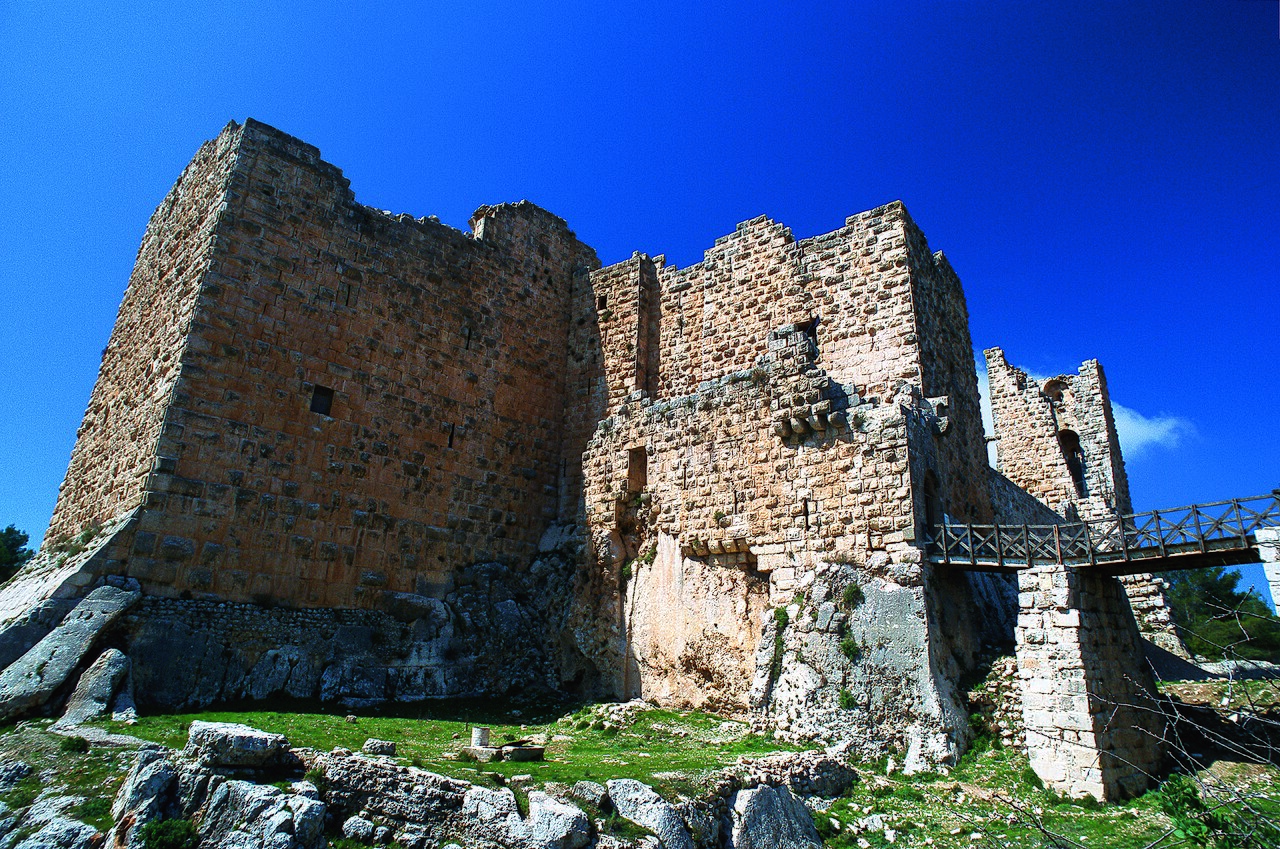
Wu'ayra Castle is classified as a spur castle, built on a narrow ridge with steep, smooth sides that provide natural protection. Its military strength derived primarily from its remote and inaccessible location rather than from extensive fortifications. The castle's layout is roughly rectangular, enclosed by defensive walls that follow the contours of the ridge.
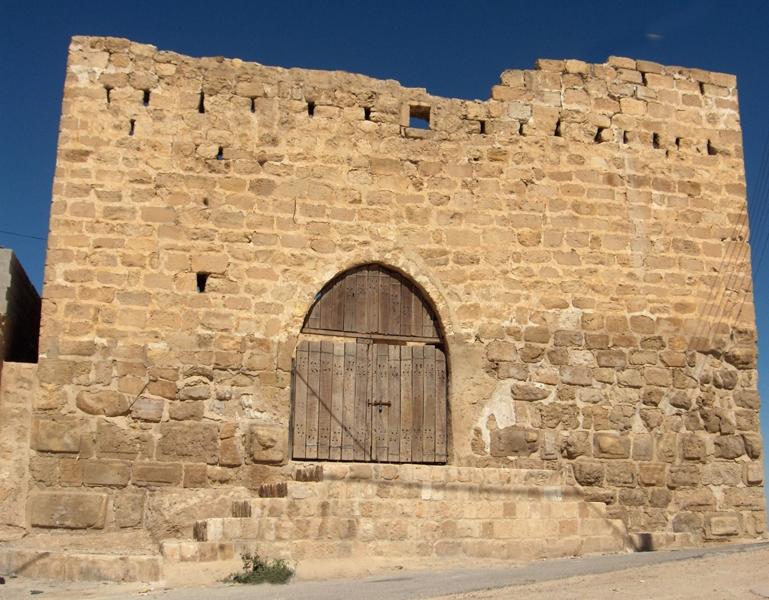
One of the castle's most remarkable architectural elements is its gatehouse, which was excavated directly from the solid rock and guarded the narrow bridge leading to the entrance. This feature exemplifies the Crusaders' ability to adapt their construction techniques to the challenging terrain. The castle walls include a tower on the northeastern side and another tower on the western wall, which would have provided vantage points for surveillance and defense.
Despite its ruined state, the foundations and remaining walls allow scholars to reconstruct the castle's original form. The interior likely contained essential military and domestic structures such as barracks, storage rooms, and a cistern to collect and store water, critical in this arid environment.
Military role and regional influence
Wu'ayra Castle played a key role in the Crusaders' defensive network by controlling the pilgrimage and trade routes that passed through the region. Its position enabled the monitoring of movements between the Levant and the Arabian Peninsula, making it a strategic point for both military and economic control.
The castle’s proximity to Petra also highlights the Crusaders' interest in dominating historic trade centers and routes that had been significant since antiquity. Although small and less imposing than other Crusader fortresses, Wu'ayra’s location made it a formidable obstacle to enemy forces attempting to penetrate the southern borders of the Crusader states.
Current condition and cultural significance
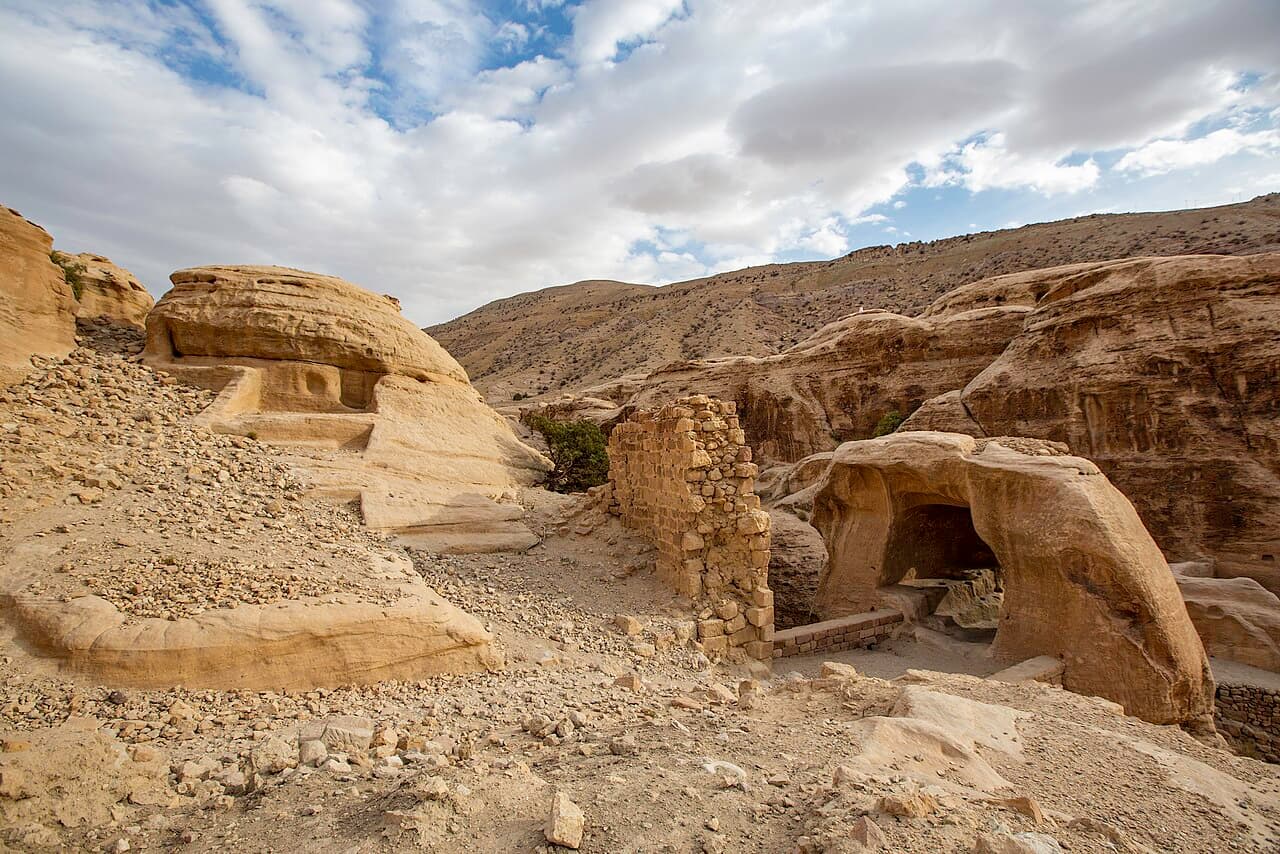
Today, Wu'ayra Castle remains a ruined archaeological site, with much of its structure eroded or collapsed. However, its remains offer valuable insights into Crusader military architecture adapted to mountainous terrain. The castle is accessible to visitors who trek from Petra, providing a tangible connection to the region’s medieval past.
Wu'ayra is recognized as a significant cultural landmark in Jordan, attracting tourists and researchers interested in the Crusader period and the broader history of the Levant. It contributes to the local economy by drawing visitors who also explore nearby Petra and other historical sites.
As an educational resource, the castle allows historians, archaeologists, and students to study the construction methods and strategic thinking of the Crusaders in a challenging environment. Its preservation as a heritage site helps maintain the historical narrative of the region’s complex medieval history.
Visiting Wu'ayra Castle
Visitors to Wu'ayra Castle should be prepared for a physically demanding approach, as the site is located in rugged terrain. The castle is best visited in cooler months to avoid the intense heat of the Jordanian desert. Guided tours often include explanations of the castle’s history and architecture, enhancing the visitor experience.
While the castle itself is in ruins, the site offers panoramic views of the surrounding valleys and the ancient city of Petra, making it a rewarding destination for those interested in history, archaeology, and natural landscapes.
Frequently asked questions (FAQ)
- How do I get to Wu'ayra Castle?
- Wu'ayra Castle is located in Wadi Musa, Jordan, and can be accessed by car or on foot from the nearby Petra Archaeological Site. It is approximately a 30-minute hike from the main entrance of Petra, offering stunning views along the way.
- What is the historical significance of Wu'ayra Castle?
- Wu'ayra Castle dates back to the Crusader period and played a vital role in the defense of the region. Its strategic location allowed it to oversee the surrounding area, making it an essential point for trade and military movements.
- When was Wu'ayra Castle built?
- Wu'ayra Castle was constructed in the 12th century during the Crusades. It reflects the architectural style and military innovations of that era, showcasing the cultural influences of both the Crusaders and local traditions.
- Can I visit Wu'ayra Castle year-round?
- Yes, Wu'ayra Castle is open to visitors throughout the year. However, it is recommended to visit during the cooler months from October to April to avoid the intense heat of the Jordanian summer.
- Why is Wu'ayra Castle important to Jordan's tourism?
- Wu'ayra Castle is a significant historical site that attracts visitors interested in the Crusader history and the architectural wonders of the region. Its proximity to Petra, one of the New Seven Wonders of the World, enhances its appeal to tourists.
- Is it possible to access Wu'ayra Castle with mobility challenges?
- Access to Wu'ayra Castle can be challenging for individuals with mobility issues due to the steep hike required to reach it. It is advisable to check with local guides for potential alternative routes or assistance.
- What are the opening hours for Wu'ayra Castle?
- Wu'ayra Castle is generally open from sunrise to sunset, allowing visitors ample time to explore the site. It is best to check local resources for specific hours, as they may vary seasonally.
- What are the ticket prices for visiting Wu'ayra Castle?
- Entry to Wu'ayra Castle is included in the ticket for Petra, which typically ranges from 50 to 90 Jordanian Dinars, depending on the duration of the visit. It’s advisable to purchase tickets in advance or check for any special promotions.
- What nearby attractions should I consider visiting while in Wadi Musa?
- While visiting Wu'ayra Castle, you should also explore Petra, the Siq, and the Treasury. Other nearby attractions include the Monastery and the stunning landscapes of the surrounding mountains, providing a perfect opportunity for hiking and photography.
Photo gallery

Information
Current owner
Jordanian Department of Antiquities
Loading map...
Visitor reviews
No reviews yet. Been here? Write the first review and help other travelers!
Write the first reviewVisited this castle? Share your experience
Your review helps other travelers and adds first-hand knowledge to our encyclopedia.