Wittem Castle
Wittem Castle, locally known as Kasteel Wittem, is a historic medieval fortress located in the village of Wittem in the province of Limburg, Netherlands. This castle stands as a testament to the region's turbulent history and architectural evolution from the 12th century onward. Originally established in the early High Medieval period, Wittem Castle played a significant role in regional defense and noble residence throughout centuries of conflict and political change.
The earliest recorded mention of Wittem Castle dates back to 1125, under the names Witham and Witheim. At its inception, the castle was likely a simple tower house situated in the swampy valley of the Geul stream. This strategic location provided natural protection and control over the surrounding landscape. Over the following century, the castle became the seat of the knights of Julémont, who adopted the title Lords of Wittem, establishing a noble lineage connected to the fortress.
Medieval expansion and fortification
By the early 15th century, Wittem Castle underwent significant enlargement and fortification, transforming it into a formidable stronghold. The castle complex expanded to include seven towers and was surrounded by two moats, each spanned by bridges fortified with gate buildings. This design enhanced the castle's defensive capabilities against siege warfare, a common threat during the period.
The castle's robust fortifications were tested in 1286 when Reinoud, Count of Guelders, attempted a surprise attack but failed to capture the fortress. This event underscores the castle's strategic importance and the effectiveness of its defenses during the Middle Ages.
Ownership and political significance
Following the knights of Julémont, the castle passed through the hands of the Van Scavendriesch and Van Cosselaer families. In 1466, it was sold to Diederik van Pallant, marking the beginning of a significant era for the castle. Under the Van Pallant family, Wittem Castle gained elevated status in 1520 when Emperor Charles V granted it the title of Barony. This elevation was likely a reward for the emperor's stay at the castle during his journey to Aachen for his coronation, highlighting the castle's role in imperial politics.
Sieges and destruction during the 80 years' war
The castle's strategic location made it a focal point during the 80 Years' War. Early in the conflict, Spanish forces under the Duke of Alva confiscated Wittem Castle. However, in 1568, mercenary troops loyal to William the Silent, Prince of Orange, expelled the Spanish garrison. William then attempted to liberate nearby Maastricht but, upon his return, found Wittem Castle again occupied by Spanish forces, whom he expelled once more.
In 1569, the Spanish returned and inflicted significant damage, ultimately destroying much of the castle. This cycle of occupation and conflict reflects the intense military struggles in the region during this period.
Restoration and later history
In 1611, the Van Pallant family undertook restoration and enlargement of the castle using compensation funds for war damages. In 1639, ownership transferred to the Counts of Waldeck-Pyrmont, who faced further challenges when French troops garrisoned in Maastricht caused additional damage in 1678, necessitating further repairs.
The last noble owner was Count Ferdinand von Plettenberg, who acquired the castle in 1714 when it was already in a dilapidated state. Following the French Revolution in 1794, the castle was confiscated and sold to Simon Merckenbach, whose family restored the castle to a habitable condition.
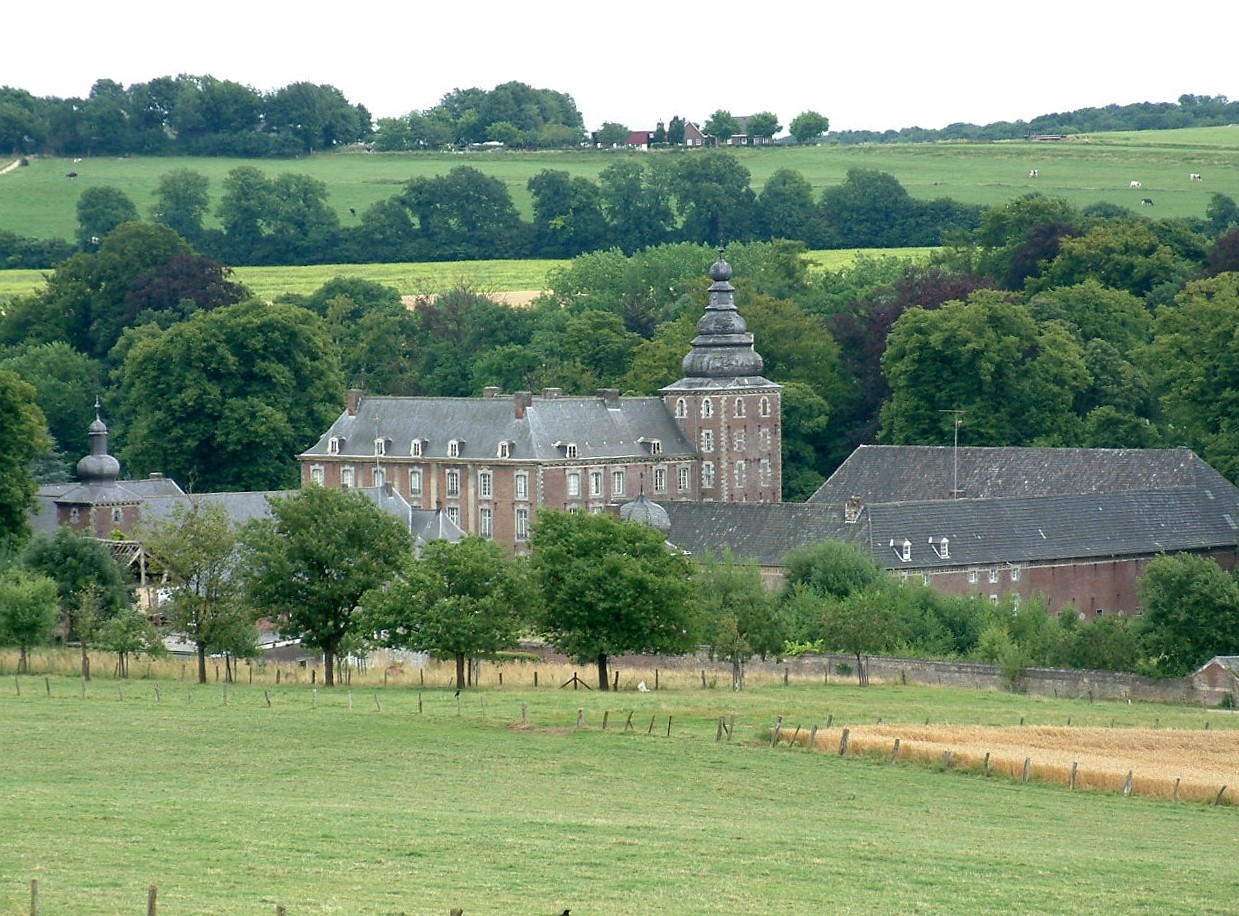
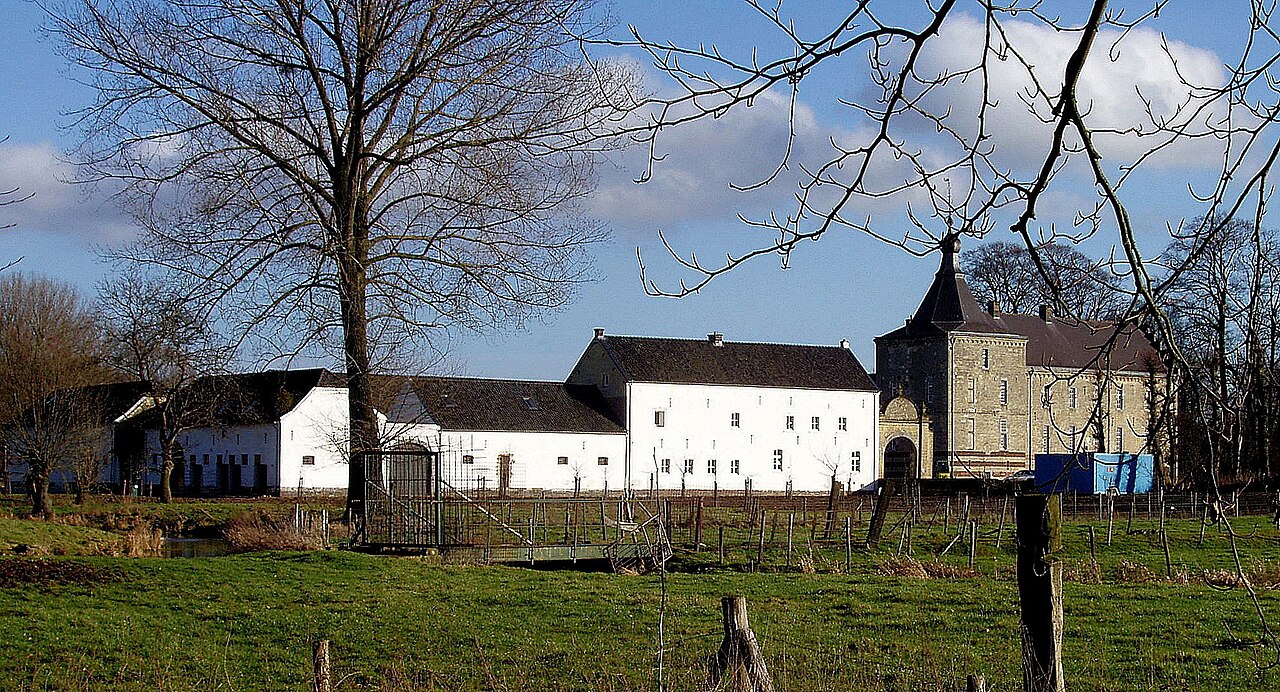
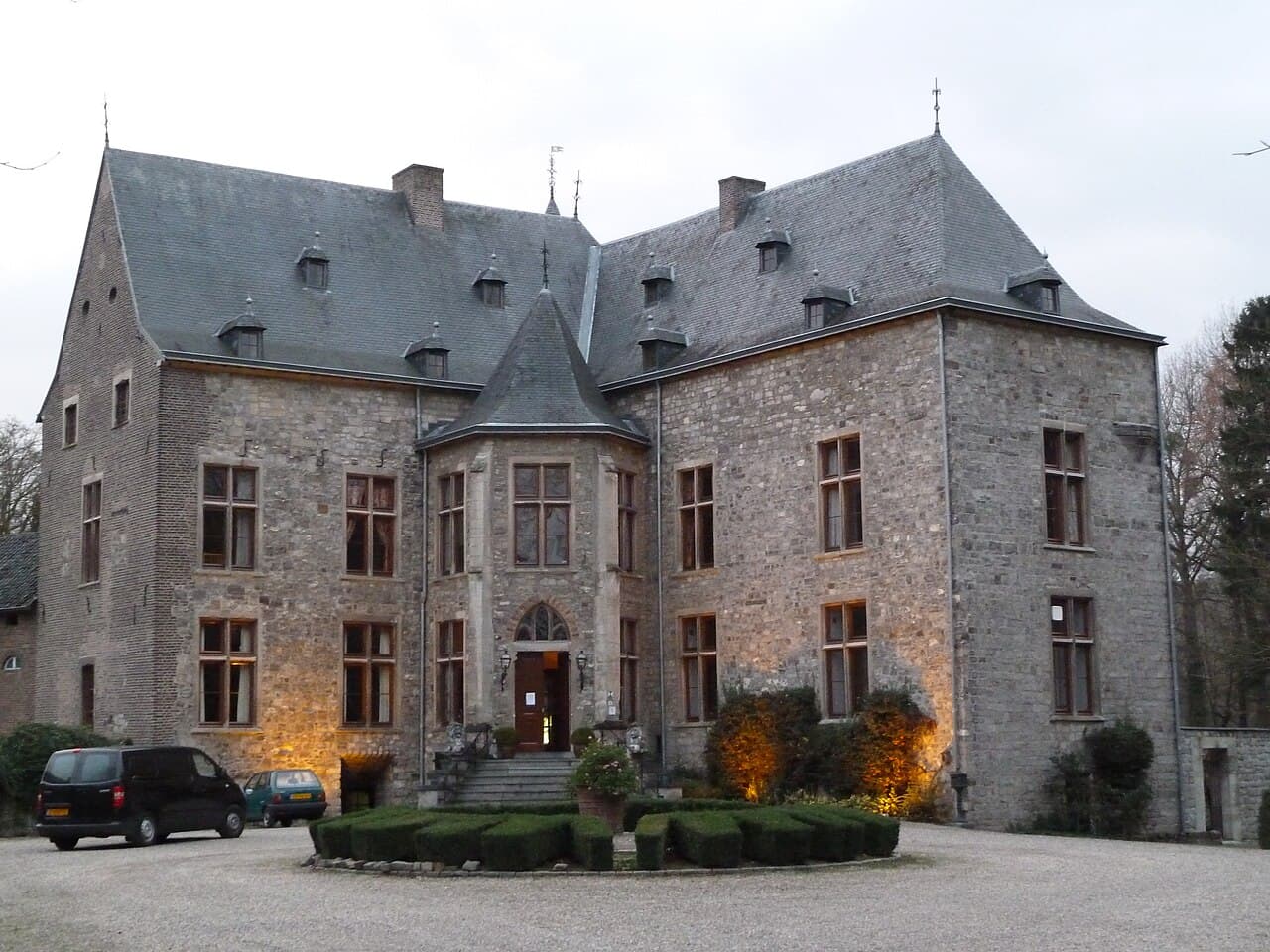
In the 20th century, specifically 1958, Wittem Castle was sold and converted into a restaurant, which operated until its closure in 2025. Today, the surviving structure represents only a fraction of the original medieval complex, consisting primarily of a round corner tower flanked by two wings. Remnants of the medieval walls are incorporated into the adjoining farm buildings, preserving a tangible link to the castle's historic past.
Architectural features and preservation
Wittem Castle exemplifies a High Medieval hill castle adapted to the swampy valley environment. Its original tower house foundation expanded into a multi-towered fortress with extensive moats and gatehouses, reflecting the defensive architectural trends of the Middle Ages. The surviving round corner tower and wings showcase the castle's evolution through centuries of rebuilding and restoration.
While the castle is not open to public visits, its status as a national listed monument underscores its cultural and historical significance within the Netherlands. The castle's layered history, from medieval stronghold to modern hospitality venue, offers rich insights into regional feudal power, military history, and architectural adaptation.
Historical context and regional importance
Situated in Limburg, a province marked by its strategic border location and contested territories, Wittem Castle played a crucial role in controlling local waterways and trade routes. Its proximity to Maastricht and Aachen placed it at the crossroads of major political and military events in European history.
The castle's repeated sieges and restorations mirror the broader conflicts of the Low Countries, including the struggle for independence during the 80 Years' War and the territorial upheavals following the French Revolution. These events shaped not only the castle's physical form but also its legacy as a symbol of resilience and noble authority.
Frequently asked questions (FAQ)
- What is the historical significance of Wittem Castle?
- Wittem Castle is a medieval fortress with origins in the 12th century, significant for its role in regional defense and noble residence during the High Medieval period. It witnessed key events such as sieges during the 80 Years' War and was elevated to a Barony by Emperor Charles V.
- Can visitors tour Wittem Castle today?
- No, Wittem Castle is not open to the public as it is privately owned and partially preserved. Visitors can view the exterior and remaining medieval walls incorporated into the farm buildings.
- When was Wittem Castle built and expanded?
- The castle was originally built in the 12th century as a simple tower house and was significantly expanded in the early 15th century into a stronghold with seven towers and two moats.
- What architectural features characterize Wittem Castle?
- Wittem Castle features a round corner tower, multiple wings, fortified gate buildings, seven towers, and two moats, reflecting typical High Medieval defensive architecture adapted to a swampy valley environment.
- Who were some notable owners of Wittem Castle?
- Notable owners include the knights of Julémont, the Van Pallant family, the Counts of Waldeck-Pyrmont, and Count Ferdinand von Plettenberg. Emperor Charles V also elevated the castle to a Barony in 1520.

Information
Sources & official resources
Verify the information above using these authoritative references.
Loading map...
Visitor reviews
No reviews yet. Been here? Write the first review and help other travelers!
Write the first reviewVisited this castle? Share your experience
Your review helps other travelers and adds first-hand knowledge to our encyclopedia.