Winterstein Castle Ruins
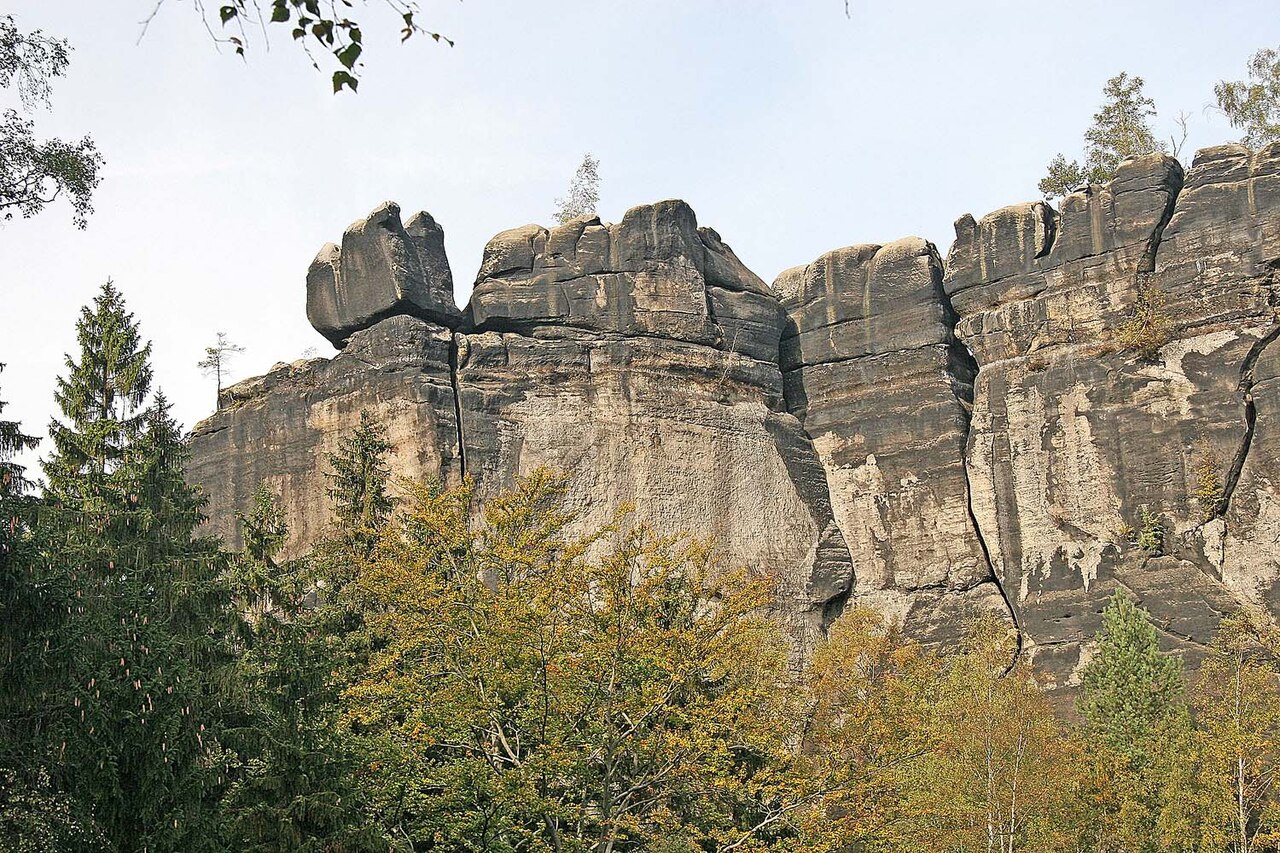
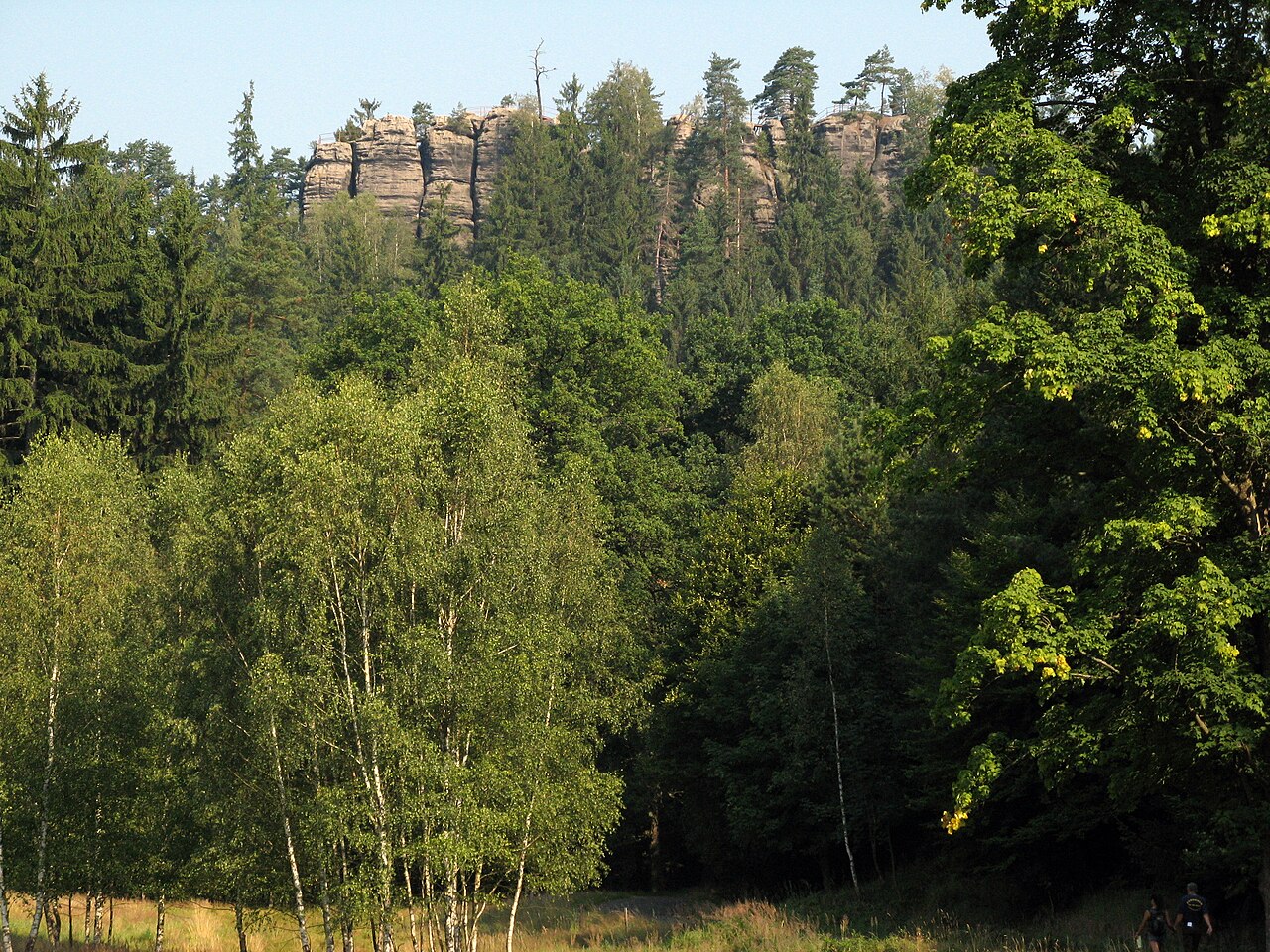
Winterstein Castle ruins, also known as the Hinteres Raubschloss, are perched atop an isolated, elongated rock massif in the scenic region of Saxon Switzerland in East Germany. This high medieval hill castle was constructed in the 13th century, likely by the noble family of Berka von Dubá, whose influence extended into this borderland area. The castle's strategic location on a rocky summit provided natural defenses and commanding views of the surrounding landscape, characteristic of many fortifications built during this period.
Geographical setting and strategic importance
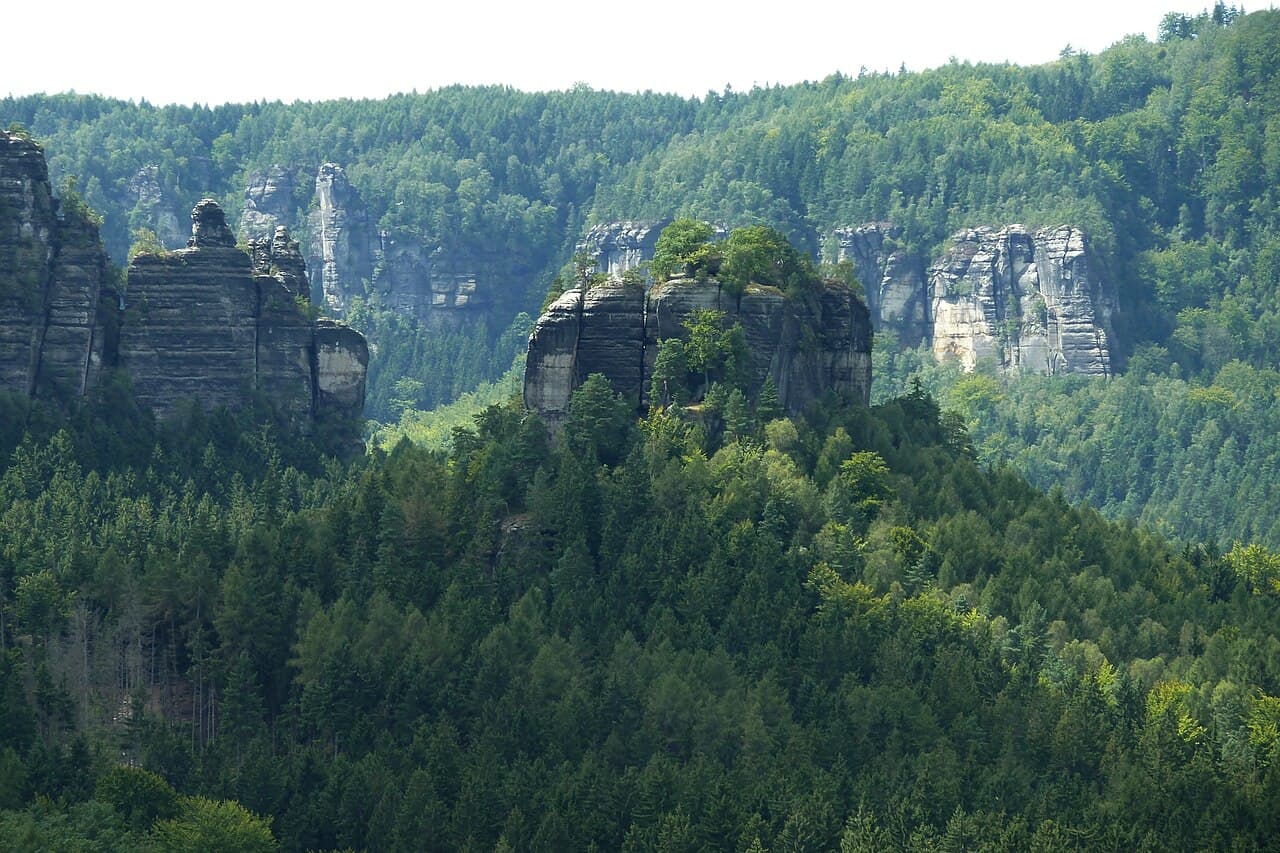
The castle occupies a prominent position in the Sächsische Schweiz-Osterzgebirge district, a region known for its rugged sandstone formations and dense forests. The elevated site on the rock massif allowed the castle's occupants to monitor key routes through the hinterland, controlling movement and providing a defensive stronghold against potential invaders. This placement reflects typical hill castle construction principles, utilizing natural topography to enhance fortification.
Architectural features and remains
Although now in ruins, the site retains several distinctive features that reveal its original construction and functional design. Visitors can observe rebates for timber beams carved into the sandstone, indicating where wooden structures such as floors, walls, or defensive galleries were once anchored. Hewn-out steps carved directly into the rock facilitated access between different levels of the castle complex, demonstrating the adaptation of architecture to the natural environment.
Additionally, cisterns carved into the rock highlight the castle's water management system, essential for sustaining inhabitants during sieges or dry periods. These cisterns collected and stored rainwater, a common feature in medieval castles lacking immediate access to natural water sources. The combination of stone and timber construction would have been typical for the era and location.
Defensive structures and layout
While much of the original castle has not survived, the elongated shape of the rock massif suggests a linear arrangement of defensive walls and buildings. The castle likely featured curtain walls following the contours of the rock, with watchtowers or fortified gates positioned to control access. The natural steepness of the rock faces would have supplemented the man-made defenses, making direct assault difficult.
Historical context and ownership
The castle's probable builders, the Berka von Dubá family, were a noble lineage with roots in Bohemia, active during the high medieval period. Their establishment of Winterstein Castle in the 13th century aligns with the broader pattern of fortification construction during a time of territorial consolidation and regional conflicts in Central Europe. The castle may have served as a border fortress, a noble residence, and a base for controlling local resources and trade routes.
Role in regional history
Although specific historical records about Winterstein Castle are limited, the castle's location in Saxon Switzerland places it within a contested frontier zone between German and Bohemian territories. Castles such as Winterstein were often focal points in disputes over land and influence during the medieval period. Its isolated position and relatively modest size suggest it was a smaller stronghold rather than a major seat of power.
Present condition and preservation
Today, Winterstein Castle exists as partially preserved ruins, with visible remains primarily consisting of rock-cut features and foundational elements. The site is accessible to hikers and history enthusiasts who appreciate the combination of natural beauty and medieval architecture. Preservation efforts focus on maintaining the integrity of the rock formations and preventing further erosion of the carved features.
The castle ruins contribute to the cultural heritage of the Sächsische Schweiz-Osterzgebirge region and offer insights into medieval fortification techniques adapted to challenging terrain. Visitors can explore the site to gain a tangible connection to the high medieval period and the noble families who shaped this borderland landscape.
Visitor information and accessibility
Winterstein Castle ruins are accessible via hiking trails in the Saxon Switzerland National Park area, with no formal entrance fee. The site is open year-round, though visitors should be prepared for uneven terrain and limited facilities. Informational signage at the site provides context about the castle's history and architectural features.
Frequently asked questions (FAQ)
- What is the historical significance of Winterstein Castle Ruins?
- Winterstein Castle Ruins date back to the 13th century and served as a strategic fortification in the region. It played a vital role in the defense against various invaders and has witnessed numerous historical events, making it an important site for understanding the medieval history of Saxony.
- When was Winterstein Castle constructed?
- Winterstein Castle was constructed around the year 1250, during a time when many castles were built in the region to enhance security and exert control over trade routes. The castle has since undergone various phases of construction and ruin, reflecting the architectural styles of different periods.
- How do I get to Winterstein Castle Ruins?
- Winterstein Castle Ruins are located in the Sächsische Schweiz-Osterzgebirge National Park, easily accessible by car or public transport. There are well-marked hiking trails leading to the ruins, making it a popular destination for outdoor enthusiasts and history lovers alike.
- Is it possible to visit Winterstein Castle Ruins year-round?
- Yes, Winterstein Castle Ruins are open to visitors year-round. However, accessibility may vary depending on weather conditions, especially during winter months when snow can affect hiking trails.
- What are the opening hours for Winterstein Castle Ruins?
- The ruins are accessible at all times, allowing visitors to explore the site anytime. However, for guided tours or special events, it's advisable to check local listings or visitor information beforehand.
- Can I bring my dog to Winterstein Castle Ruins?
- Yes, dogs are welcome at Winterstein Castle Ruins, but they should be kept on a leash, especially given the natural surroundings. This makes it a great outing for pet owners looking to enjoy the scenic views together.
- What is the best time to visit Winterstein Castle Ruins?
- The best time to visit Winterstein Castle Ruins is during the spring and autumn months when the weather is mild, and the surrounding landscape is particularly beautiful. Summer is also a good option, but it can be more crowded with tourists.
- Are there any nearby attractions to explore after visiting Winterstein Castle?
- Yes, nearby attractions include the breathtaking hiking trails of the Sächsische Schweiz National Park and other historical sites like Hohnstein Castle. These options make for a full day of exploration and enjoyment in the stunning Saxon countryside.
- What are the ticket prices for Winterstein Castle Ruins?
- There is no entrance fee to visit Winterstein Castle Ruins, making it an affordable destination for all visitors. Donations to help with maintenance and preservation are appreciated but not required.
Photo gallery

Information
Loading map...
Visitor reviews
No reviews yet. Been here? Write the first review and help other travelers!
Write the first reviewVisited this castle? Share your experience
Your review helps other travelers and adds first-hand knowledge to our encyclopedia.