Wildenstein Castle
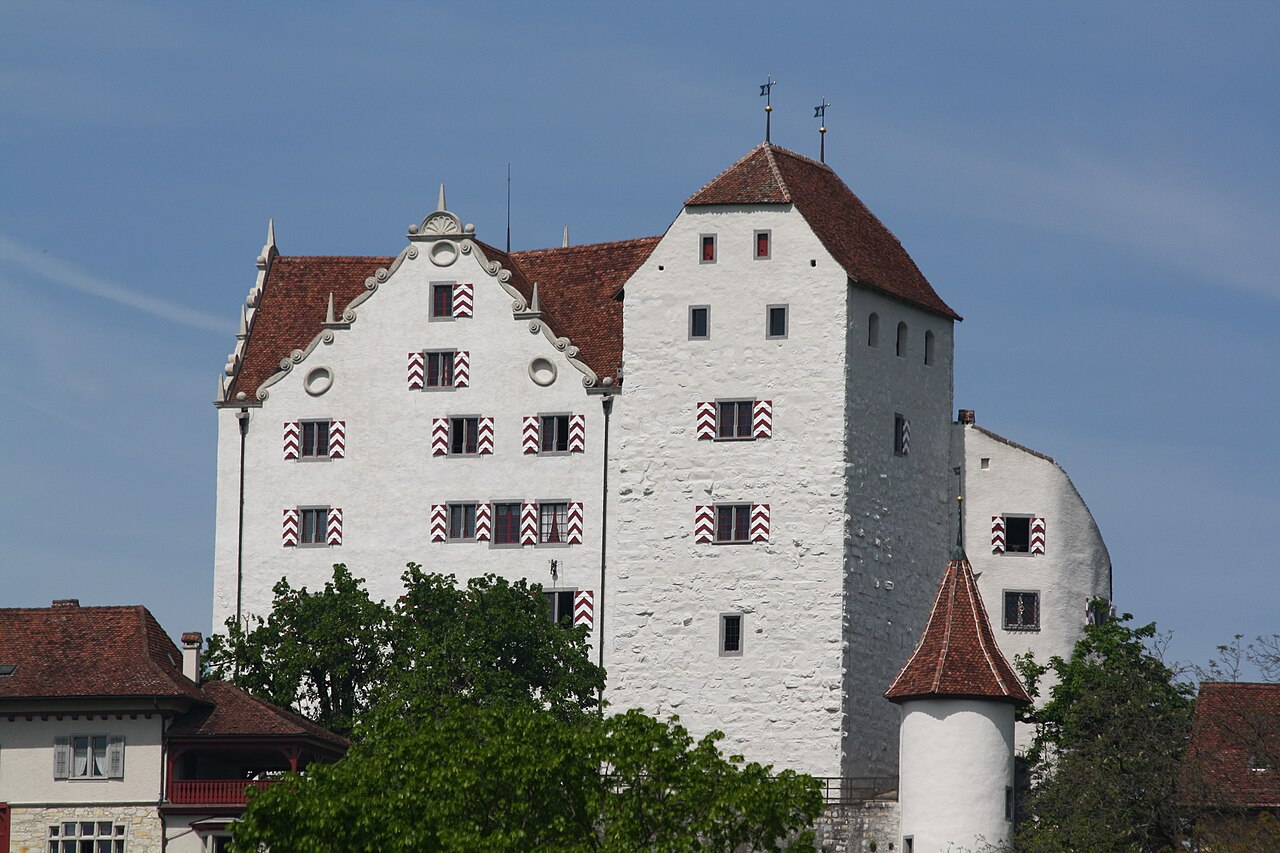
Wildenstein Castle, located near Veltheim in the municipality of Bubendorf, Switzerland, is a remarkable example of a late medieval hill castle with a rich history dating back to the 13th century. Perched strategically on a rocky spur overlooking a side valley of the river Hintere Frenke, the castle was originally constructed to assert feudal control over the surrounding lands and to serve as a fortified residence for the noble family of Heinrich von Eptingen. The castle's first recorded mention was in 1301, although its exact construction date and original builder remain uncertain. However, significant building phases are documented, including the erection of two towers around 1350 and the expansion of the palas around 1400.
Medieval origins and early history
The castle’s early history is closely tied to the von Eptingen family, with Heinrich von Eptingen adopting the name "von Wildenstein" in 1293, indicating his association with the fortress. His son, Gottfrid von Wildenstein, played a notable role in the castle's defense during a significant military conflict in 1334. At that time, Wildenstein Castle was besieged by combined forces from the Bernese and Solothurn armies. This attack was a punitive response to raids conducted by the castle’s garrison against Bernese subjects near the town of Thun, violating existing peace agreements. The siege underscores the castle’s strategic importance and the volatile political landscape of the region during the early 14th century.
Following Gottfrid, the castle passed to his son Henmann, who sold the property in 1380 to three siblings from the von Baden family: Elsi, Götzmann, and Markwart. The castle subsequently changed hands multiple times, reflecting the shifting allegiances and political dynamics of the region, including a period under the jurisdiction of the city of Basel.
Architectural development and baroque transformation
Wildenstein Castle’s architecture evolved significantly over the centuries. The original medieval structure included a residential tower and a fortified tower, both of which have remarkably survived intact. Unlike many castles that fell into ruin after losing their military and residential functions, Wildenstein’s towers remained preserved. Around 1400, the palas was expanded, enhancing the castle’s residential and administrative capabilities.
In 1640, the castle underwent a major transformation when Hans Thüring Effinger restored it as a Baroque residence. This restoration reflected the changing tastes and needs of the period, shifting the castle’s function from a purely defensive fortress to a more comfortable noble residence. The Baroque modifications likely introduced stylistic elements such as enlarged windows, decorative facades, and interior refinements, although specific architectural details from this phase require further documentation.
Historical significance and later history
Wildenstein Castle remained a significant regional landmark through the centuries. In the late 16th century, it was near the site where the "Rappenkrieg" conflict was peacefully resolved in 1594, highlighting the castle’s ongoing role in regional political affairs. Despite suffering potential damage during the 1334 siege and the devastating Basel earthquake of 1356, the castle endured and continued to be inhabited for many centuries.
In 1995, the canton of Basel-Landschaft acquired Wildenstein Castle, recognizing its cultural and historical importance. Although there was an attempt to sell the property in 2011, a popular vote in 2012 ensured that the castle remained under cantonal ownership. Today, Wildenstein Castle is the only surviving hilltop castle in the Basel area and is used for cultural events, maintaining its connection to the community and heritage.
Site layout and preservation
The castle complex reflects a layered history of construction and remodeling. It consists primarily of two towers—a residential tower and a fortified tower—set upon a rocky outcrop that provides commanding views of the surrounding landscape. Historical engravings from 1758 by David Herrliberger and from around 1820 by Ludwig Adolf Hess provide valuable visual records of the castle’s appearance and architectural features during those periods.
While detailed archaeological studies are limited, the castle’s enduring form and original components testify to its resilience through centuries of conflict and natural disasters. The site is recognized as a cultural property of national significance in Switzerland, underscoring its value as a heritage monument.
Accessibility and visitor information
Wildenstein Castle is accessible by a footpath from Bubendorf station, requiring approximately one hour to reach. This approach preserves the castle’s hilltop character and offers visitors an immersive experience of its medieval setting. The castle hosts regular cultural events, contributing to its role as a living monument within the region.
Frequently asked questions (FAQ)
- How do I get to Wildenstein Castle?
- Wildenstein Castle is located in Bubendorf, Switzerland, and is easily accessible by car or public transport. The nearest train station is in Liestal, from where you can take a local bus or taxi to reach the castle.
- What is the historical significance of Wildenstein Castle?
- Wildenstein Castle dates back to the 13th century and has played an important role in the region's history. It served as a noble residence and a strategic military site, showcasing the architectural and cultural heritage of the area.
- When was Wildenstein Castle built?
- Construction of Wildenstein Castle began in the early 13th century, with its first documented mention occurring in 1250. Over the centuries, it has undergone various renovations and restorations, preserving its historical essence.
- Can I visit Wildenstein Castle year-round?
- Yes, Wildenstein Castle is open to visitors year-round, but it's advisable to check specific opening hours before your visit. Guided tours are often available, allowing you to learn about the castle's rich history and architecture.
- Why is Wildenstein Castle considered an architectural gem?
- Wildenstein Castle features a blend of medieval and Renaissance architectural styles, with impressive stonework and beautiful surrounding landscapes. Its towers and ramparts offer visitors stunning views of the region, making it a picturesque destination.
- Is it possible to explore the interior of Wildenstein Castle?
- Yes, visitors can explore certain areas of the castle's interior, which often includes exhibitions about its history and architecture. Guided tours may provide deeper insights into the castle's significance and its historical artifacts.
- What are the ticket prices for visiting Wildenstein Castle?
- Ticket prices for Wildenstein Castle vary depending on the type of tour and age group. Generally, adult tickets range from CHF 10 to CHF 15, with discounts available for children and seniors.
- What are the opening hours for Wildenstein Castle?
- Wildenstein Castle typically opens its doors to visitors from 10 AM to 5 PM during the summer months. In the off-season, hours may vary, so it’s recommended to check their official website for the most accurate information.
- What nearby attractions can I visit while in Bubendorf?
- While visiting Bubendorf, you can explore several nearby attractions, including the beautiful Reigoldswil and the famous Basel Zoo. Additionally, the picturesque hiking trails in the surrounding region provide a perfect opportunity for outdoor enthusiasts.
Information
Website
Visit websiteSources & official resources
Verify the information above using these authoritative references.
Loading map...
Visitor reviews
No reviews yet. Been here? Write the first review and help other travelers!
Write the first reviewVisited this castle? Share your experience
Your review helps other travelers and adds first-hand knowledge to our encyclopedia.