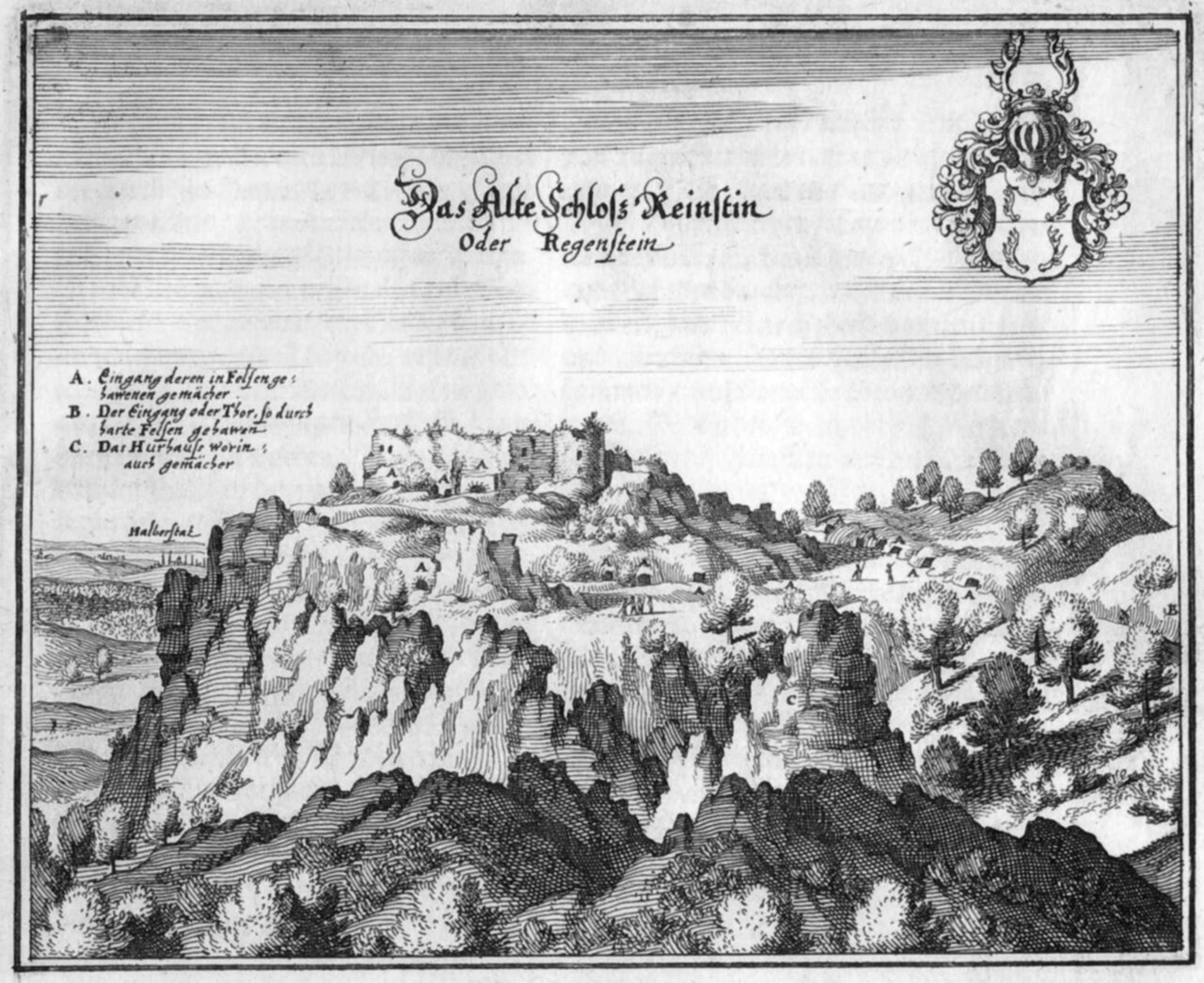
Wernigerode Castle
Wernigerode Castle stands majestically on a hilltop overlooking the historic town of Wernigerode in the scenic Harz mountains of Germany. This striking castle is renowned for its eclectic architectural heritage, blending styles from the 12th century through the 19th century, culminating in its present-day neo-romantic appearance. Visitors are drawn to its fairy tale charm and panoramic views, making it one of the most popular castles in Saxony-Anhalt.
The castle’s origins date back to the Romanesque period in the 12th century, when it was initially constructed as a hunting lodge for German emperors. Over the centuries, Wernigerode Castle underwent numerous transformations that reflect the changing tastes and fortunes of its owners. Its architectural evolution is a fascinating journey through medieval, Renaissance, Baroque, and 19th-century revival styles.
Medieval origins and architectural evolution
Romanesque foundation and early use
The earliest phase of Wernigerode Castle was built in the 12th century in the Romanesque style. Its original function was primarily as a hunting lodge and administrative center for the ruling nobility. The castle’s strategic location atop a hill provided excellent views of the surrounding forests and valleys, essential for hunting and defense.
Gothic and renaissance transformations
By the 15th century, the castle had incorporated elements of the neo-Gothic style, visible in the addition of large arched windows and pointed architectural details. This stylistic shift reflected the broader European trends of the late medieval period, emphasizing verticality and ornate stonework.
In the 16th century, Wernigerode Castle was remodeled into a Renaissance fortress. This period introduced more symmetrical layouts and classical architectural motifs, adapting the castle to the evolving needs of defense and residence. However, the castle suffered significant damage during the Thirty Years War (1618–1648), which left many of its structures in ruins.
Baroque influences and 19th-century revival
During the 18th century, the castle was refurbished with Baroque elements, reflecting the era’s preference for grandeur and decorative richness. Unfortunately, this phase was relatively short-lived as the castle underwent a major transformation in the 19th century under the direction of Count Otto of Stolberg-Wernigerode.
Count Otto commissioned extensive renovations that gave the castle its distinctive neo-romantic Gründerzeit style, inspired by the romanticized medieval aesthetic popular in Germany at the time. This revival style echoes the fairy-tale qualities seen in contemporaneous castles like Neuschwanstein. The renovation included the addition of turrets, towers, decorative battlements, and richly adorned interiors, creating a picturesque silhouette against the Harz landscape.
Architectural features and castle layout
Defensive structures and towers
The castle complex features a variety of architectural elements typical of its long history. Its defensive walls and towers provide insight into medieval military architecture, while later additions emphasize aesthetic appeal. The prominent towers serve both as lookout points and decorative features, contributing to the castle’s romantic appearance.
Interior and courtyards
Inside, the castle boasts richly decorated rooms that showcase the tastes of the 19th-century nobility. Visitors can explore the grand halls, private chambers, and reception rooms furnished with period pieces that reflect the castle’s layered history. The courtyards offer tranquil spaces framed by arcades and stone walls, inviting guests to imagine life in different eras of the castle’s existence.
Historical significance and cultural heritage
Wernigerode Castle has played a pivotal role in the region’s history, serving as a noble residence, administrative center, and symbol of power. Its continuous occupation and adaptation over centuries illustrate the dynamic nature of castle architecture and aristocratic life in Germany.
The castle’s survival through wars, political changes, and modernization efforts speaks to its resilience and cultural importance. Since opening to the public in 1930, it has become a cherished heritage site, attracting tourists, historians, and architecture enthusiasts alike.
Visiting wernigerode castle today
Today, Wernigerode Castle is a well-preserved historical monument open to visitors year-round. It offers guided tours that delve into its architectural features, historical context, and the stories of the noble families who lived there. The castle’s location provides spectacular views of the town of Wernigerode and the surrounding Harz mountains, making it a popular destination for photography and cultural tourism.
Special events, exhibitions, and seasonal markets held at the castle further enrich the visitor experience, connecting the past with contemporary cultural life.
Architectural styles summary
- Romanesque: Original 12th-century construction with robust stone walls and simple forms.
- Neo-Gothic: 15th-century additions featuring pointed arches and decorative windows.
- Renaissance: 16th-century fortress adaptations with symmetrical layouts.
- Baroque: 18th-century decorative refurbishments emphasizing grandeur.
- Neo-romantic Gründerzeit: 19th-century revival style shaping the castle’s current fairy-tale appearance.
Frequently asked questions (FAQ)
- When was Wernigerode Castle originally built?
- Wernigerode Castle was originally constructed in the 12th century as a Romanesque hunting lodge for German emperors.
- What architectural styles are visible at Wernigerode Castle?
- The castle features a mix of Romanesque, neo-Gothic, Renaissance, Baroque, and neo-romantic Gründerzeit styles reflecting its long history.
- Is Wernigerode Castle open to the public year-round?
- Yes, Wernigerode Castle is open daily from 10:00 to 17:00, welcoming visitors throughout the year.
- Are guided tours available at Wernigerode Castle?
- Guided tours are offered to explore the castle's history, architecture, and noble heritage in detail.
- What is the best time to visit Wernigerode Castle?
- Spring through autumn offers pleasant weather and vibrant landscapes, ideal for visiting the castle and enjoying panoramic views.
- How much is the admission fee for Wernigerode Castle?
- Admission costs €7 for adults and €4 for children, with discounts available for groups and seniors.
Information
Opening hours
10:00-17:00, daily
Ticket prices
€7 adult, €4 child
Current owner
Municipality of Wernigerode
Website
Visit websiteSources & official resources
Verify the information above using these authoritative references.
Loading map...
Visitor reviews
No reviews yet. Been here? Write the first review and help other travelers!
Write the first reviewVisited this castle? Share your experience
Your review helps other travelers and adds first-hand knowledge to our encyclopedia.