Weiyuan Fortress
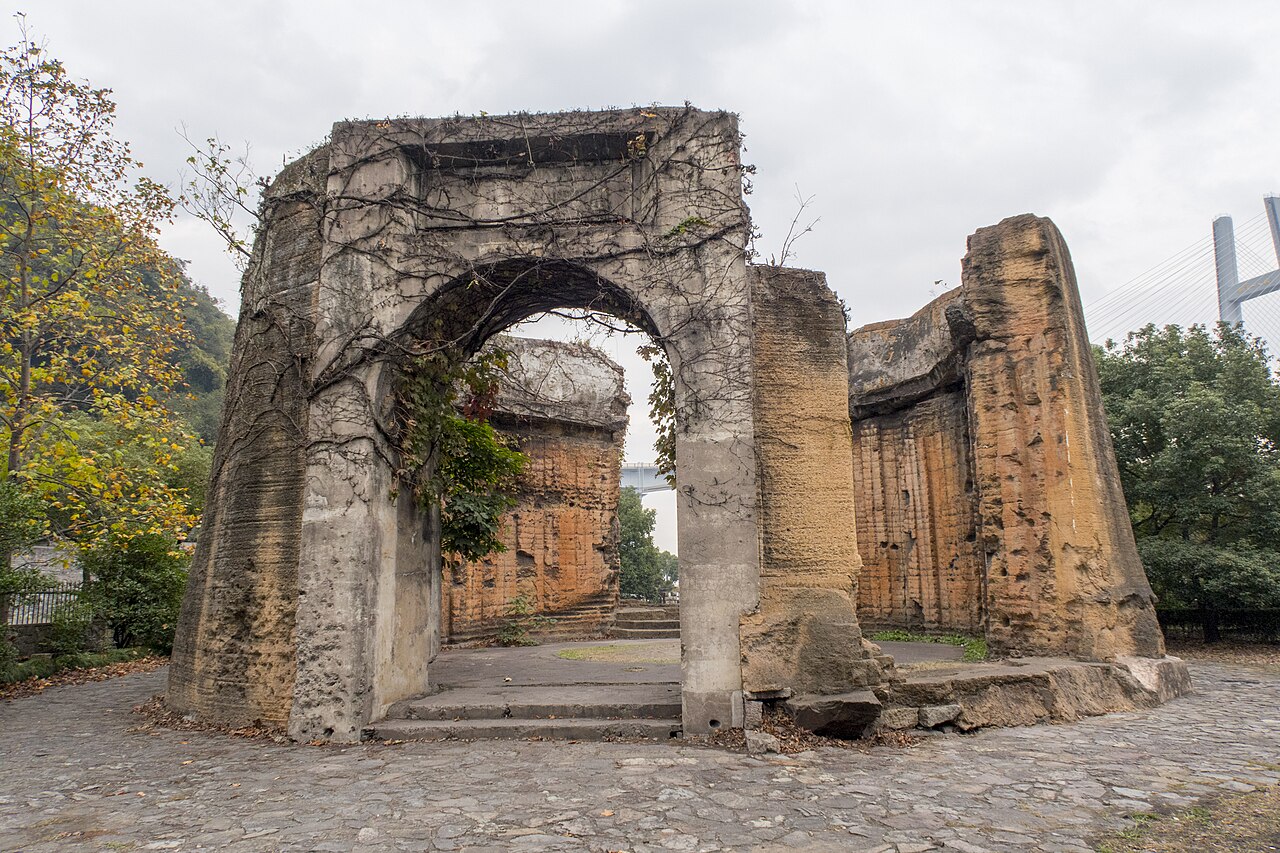
Weiyuan Fortress is a significant example of a bastioned fortress located in China. This type of fortress is characterized by angular bastions projecting from the curtain walls, designed to improve defensive capabilities against artillery attacks. The fortress's strategic design reflects military architectural principles that emerged in the post-medieval period, particularly influenced by the need to withstand cannon fire and provide overlapping fields of fire.
Architectural features and design
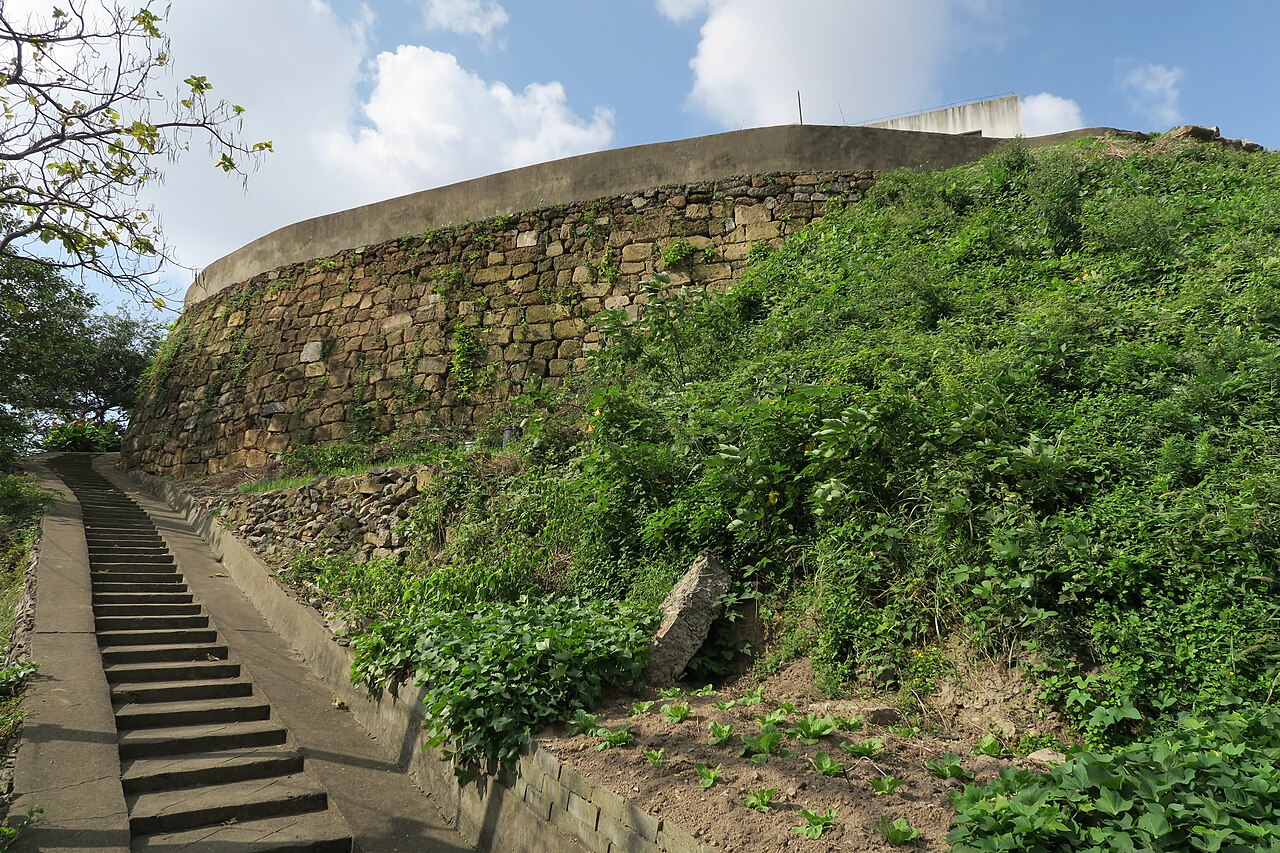
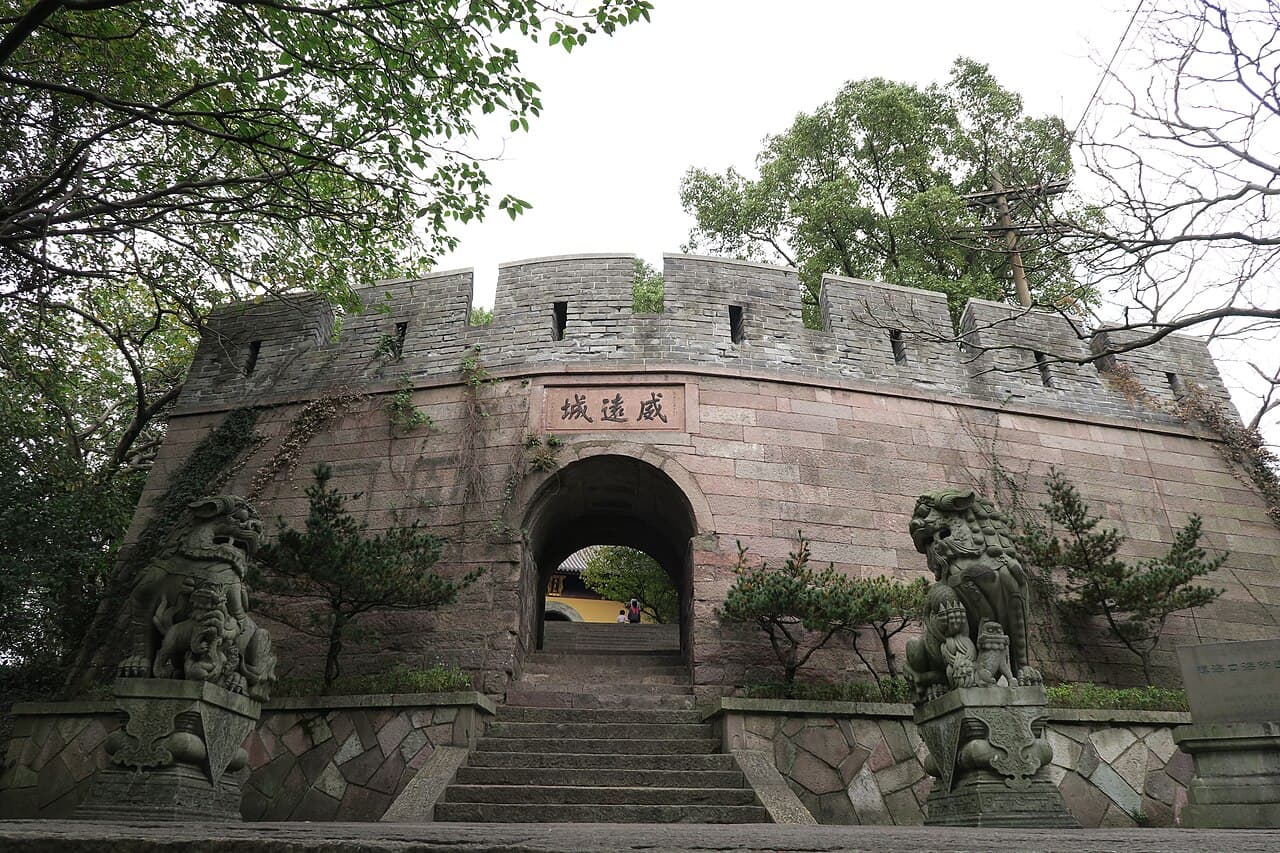
The fortress walls of Weiyuan Fortress are reinforced with bastions positioned at the corners, allowing defenders to cover adjacent walls with gunfire. This design minimizes blind spots and enhances the fortress's defensive perimeter. The walls are typically thick and constructed from locally sourced stone and brick materials, providing substantial resistance to siege weaponry.
Within the fortress, there are likely to be gates fortified with additional defensive structures such as barbicans or gatehouses, though specific details about these are limited. The interior would have housed military barracks, armories, and possibly command quarters, arranged to support sustained defense and garrison operations.
Historical context and significance
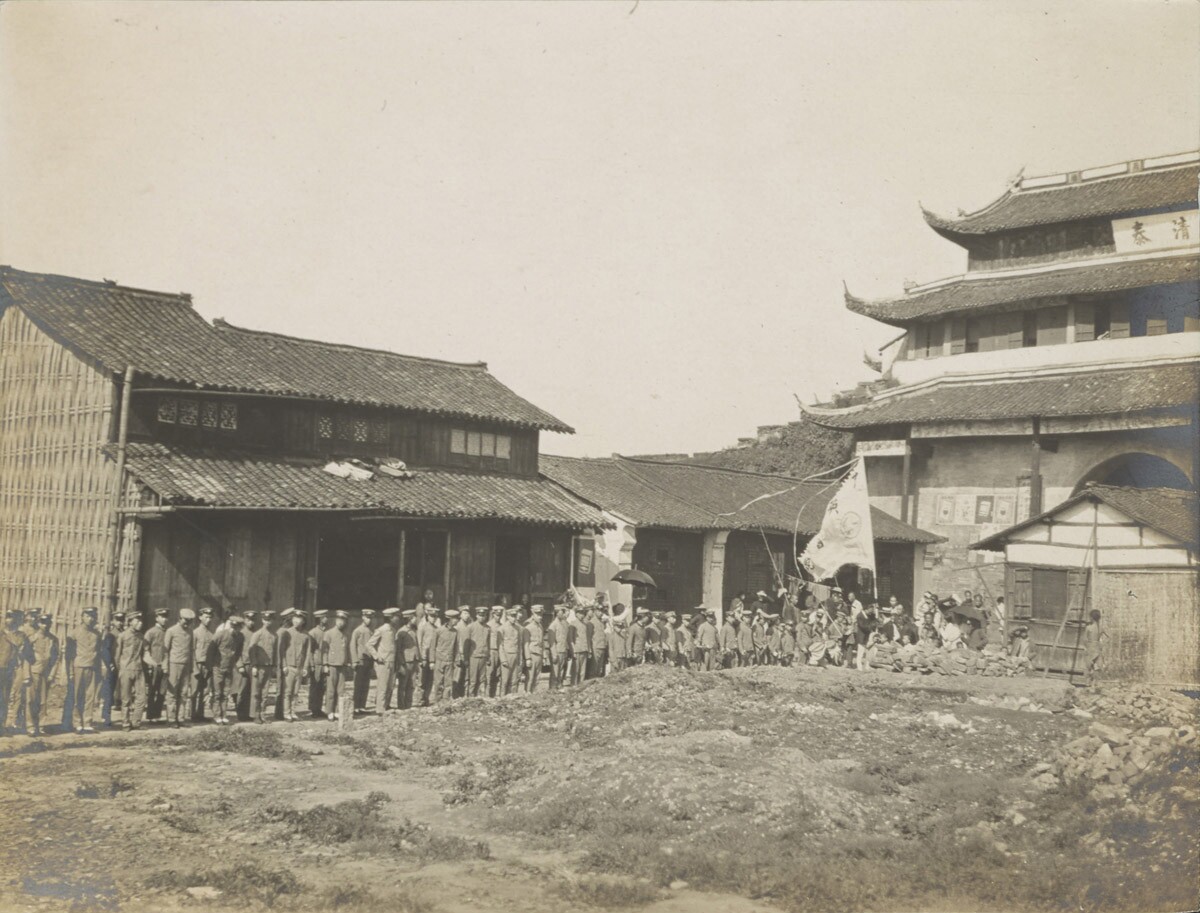
While exact construction dates for Weiyuan Fortress are not definitively recorded, bastioned fortifications in China generally date to the post-medieval period, particularly from the 16th century onward, when gunpowder artillery became widespread. The fortress was likely built or adapted during a time when China faced internal conflicts and external threats, necessitating modernized defensive structures.
Weiyuan Fortress would have played a role in regional military defense, serving as a stronghold to control important routes or borders. Its bastioned design reflects the adaptation of European military engineering concepts, which were integrated into Chinese fortifications during the Ming and Qing dynasties to counter increasingly sophisticated siege tactics.
Construction and materials
The fortress construction utilized robust stone and brick masonry, common in Chinese military architecture of the period. The bastions were carefully engineered to absorb and deflect cannon shots, with sloped walls and reinforced foundations. The layout typically follows a geometric plan optimized for defense, often star-shaped or polygonal, maximizing coverage and minimizing vulnerable angles.
Current condition and preservation
Information on the current condition of Weiyuan Fortress is limited, but bastioned fortresses in China vary in state from well-preserved to partially ruined. Preservation efforts, if any, would focus on maintaining the structural integrity of the walls and bastions to prevent further decay. Such fortresses are important cultural heritage sites, offering insights into military architecture and historical defense strategies in China.
Visiting and cultural importance
As a historic military site, Weiyuan Fortress holds cultural significance as a representation of China's adaptation of global military architectural trends. Visitors interested in military history and architecture may find the fortress a valuable site for understanding the evolution of fortification techniques in East Asia. Details about public access, visiting hours, and facilities are not well documented, suggesting it may be less developed as a tourist destination compared to more famous Chinese castles and fortresses.
Frequently asked questions (FAQ)
- What is the architectural style of Weiyuan Fortress?
- Weiyuan Fortress features bastioned fortifications typical of the post-medieval period, designed to withstand artillery attacks with angular bastions and thick walls.
- When was Weiyuan Fortress likely built?
- The fortress likely dates from the post-medieval period, particularly from the 16th century onward, reflecting the era when gunpowder artillery influenced fortress design in China.
- Can visitors tour Weiyuan Fortress?
- Details about public access and visiting hours for Weiyuan Fortress are limited, suggesting it may not be widely developed as a tourist site.
- Why is Weiyuan Fortress important historically?
- It represents the adaptation of European bastioned fortress design principles in Chinese military architecture during the Ming and Qing dynasties, marking a significant evolution in defensive strategies.
Photo gallery

Information
Loading map...
Visitor reviews
No reviews yet. Been here? Write the first review and help other travelers!
Write the first reviewVisited this castle? Share your experience
Your review helps other travelers and adds first-hand knowledge to our encyclopedia.