Warsaw Citadel
Warsaw Citadel (Polish: Cytadela Warszawska) is a prominent 19th-century bastioned fortress located in Warsaw, Poland. Constructed between 1832 and 1834 by order of Tsar Nicholas I of Russia, it was built in the aftermath of the 1830 November Uprising to strengthen imperial Russian control over the city and suppress future rebellions. The fortress stands as a significant example of 19th-century military architecture and the use of bastioned fortification design adapted to the needs of modern artillery warfare of the period.
Historical context and construction
The construction of the Warsaw Citadel was a direct response to the Polish insurrection against Russian rule during the November Uprising of 1830-1831. After the uprising was crushed, the Russian Empire sought to consolidate its dominance by erecting a massive fortress that could serve both defensive and repressive functions. The citadel was designed to house a large garrison of Russian troops and to act as a deterrent against further Polish nationalist movements.
Work on the fortress began shortly after the uprising, with the design incorporating the latest principles of bastioned fortifications. These included angled walls and protruding bastions that allowed defenders to cover all approaches with overlapping fields of fire, minimizing blind spots. The fortress was strategically positioned on the left bank of the Vistula River, dominating the city and controlling key access routes.
Architectural features and layout
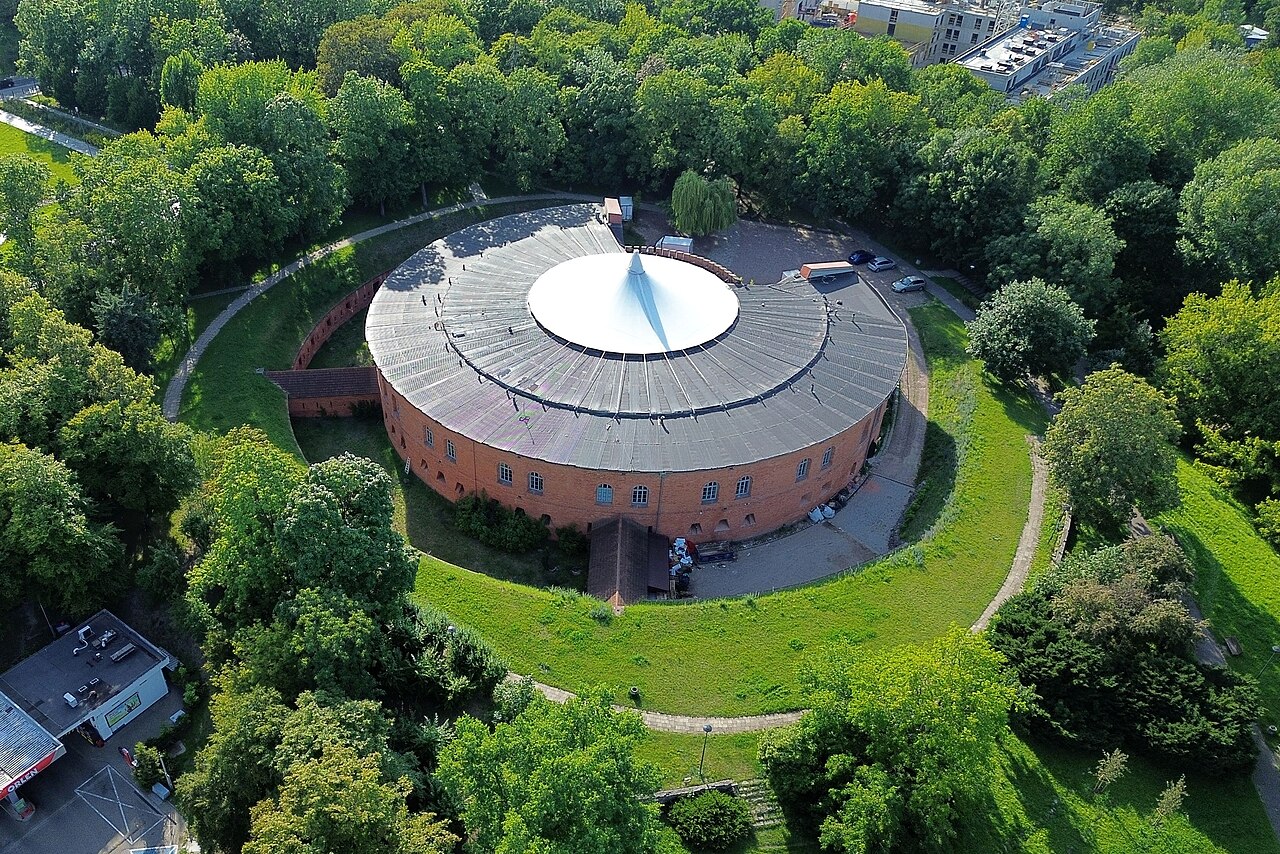
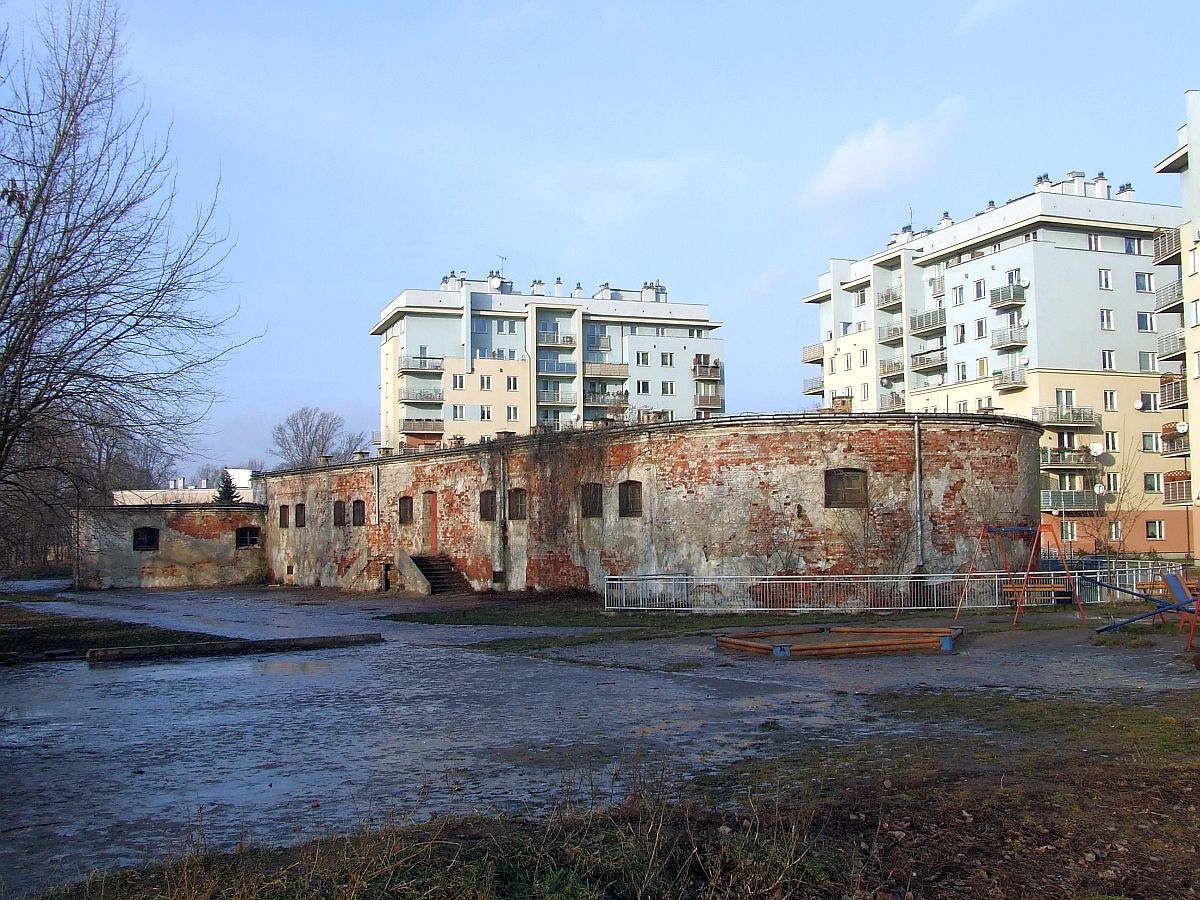
The Warsaw Citadel is characterized by its massive brick and stone walls arranged in a polygonal bastioned layout. The fortifications include multiple bastions connected by curtain walls, surrounded by deep dry moats and earthworks designed to absorb artillery fire. The fortress also features ravelins and hornworks—outworks intended to protect the main walls and delay attackers.
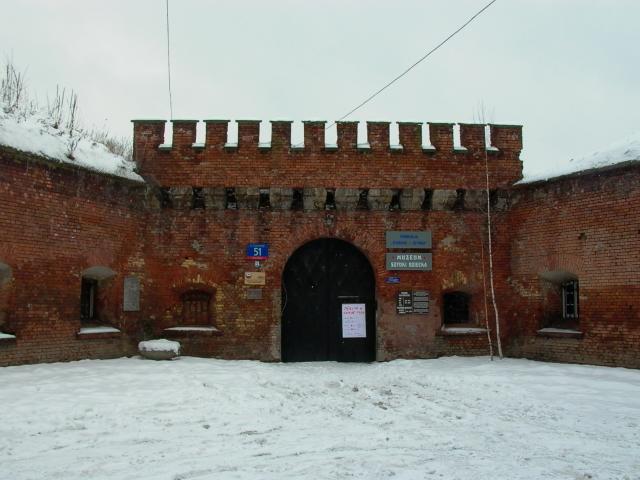
Inside the citadel, there were extensive barracks, arsenals, officers' quarters, and military workshops. The design also incorporated prison facilities, most notably the Tenth Pavilion (X Pawilon Cytadeli Warszawskiej), which gained notoriety as a harsh political prison during the 19th and early 20th centuries.
The tenth pavilion prison
The Tenth Pavilion is one of the most infamous parts of the Warsaw Citadel. It was used primarily to detain Polish political prisoners and revolutionaries. The prison's harsh conditions and strict regime were intended to break the spirit of those opposing Russian rule. After Poland regained independence, the pavilion continued to serve as a prison facility until the late 1930s.
Role through history
Throughout the 19th century and into the early 20th century, the Warsaw Citadel remained a symbol of Russian imperial authority in Poland. It was a key military installation during the January Uprising of 1863 and played a role during World War I. Following Poland's independence in 1918, the fortress was taken over by the Polish authorities and repurposed for their military use.
During World War II, the citadel's strategic location again made it significant. It suffered damage during the conflict but was preserved enough to remain a historical site. Post-war, the fortress's military functions diminished, and parts of it were converted into museums and cultural venues.
Current status and preservation
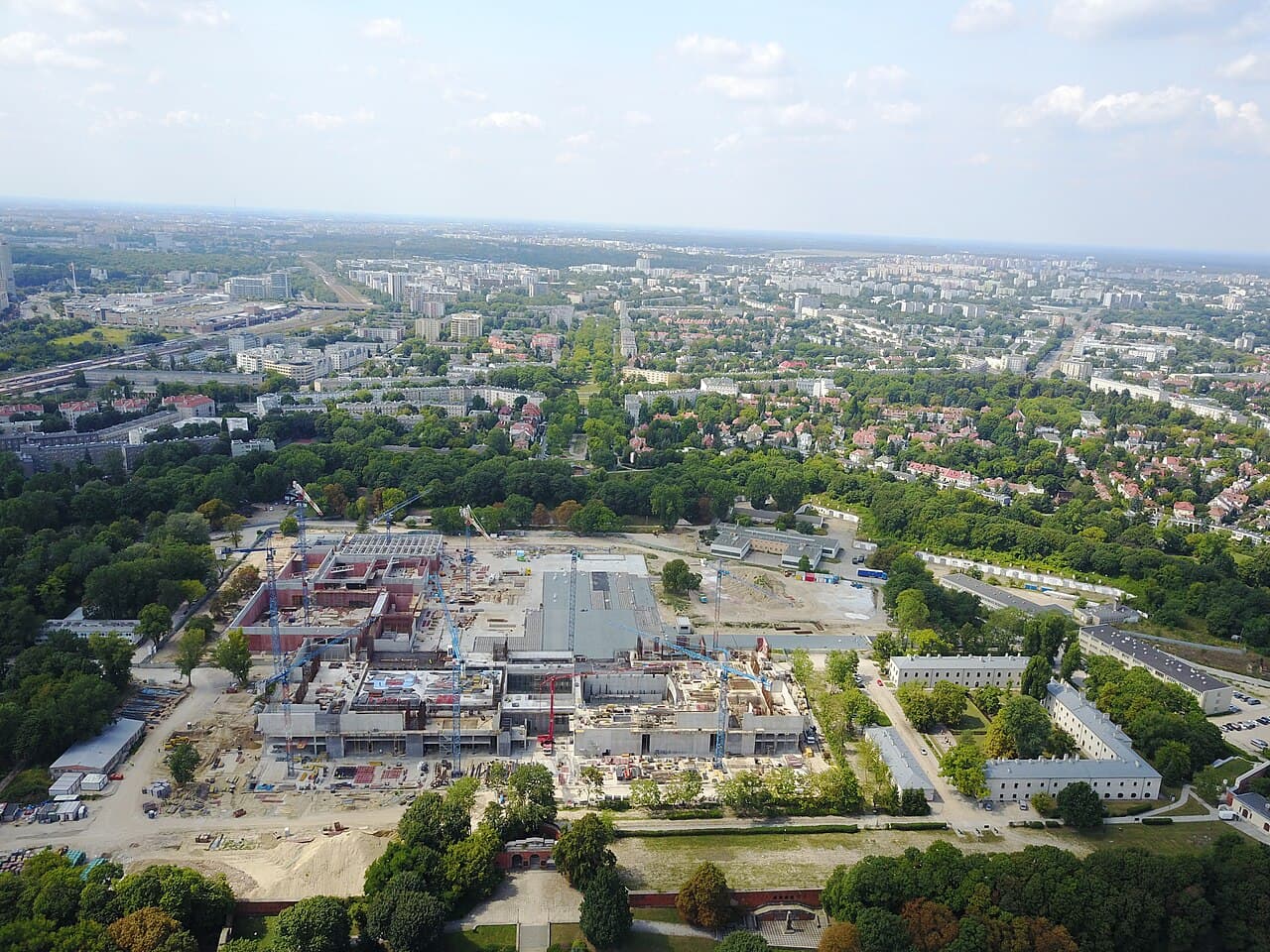
Today, the Warsaw Citadel is partially preserved and accessible to the public. The Tenth Pavilion has been transformed into a museum since 1963, dedicated to the history of political imprisonment and resistance in Poland. Visitors can explore the fortress's walls, bastions, and some of the internal buildings that reveal the military and political history of the site.
The citadel remains an important cultural and historical landmark in Warsaw, reflecting the complex history of Polish-Russian relations and the struggle for Polish independence. Its robust bastioned fortress architecture offers insight into 19th-century military engineering and the political climate of the era.
Architectural significance and military innovation
The Warsaw Citadel exemplifies the transition from medieval fortress designs to modern military architecture influenced by advances in artillery technology. Its bastioned layout allowed for improved defense against cannon fire, with angled walls and protruding bastions providing overlapping fields of fire. The integration of deep moats and earthworks further enhanced its defensive capabilities.
Unlike earlier castles focused on vertical defense, the citadel's design emphasizes horizontal layers of fortification and strategic placement of outworks such as ravelins and hornworks. These features reflect 19th-century military engineering principles aimed at maximizing defensive firepower and minimizing vulnerabilities.
Comparison with other fortifications
The Warsaw Citadel is comparable to other European bastioned fortresses constructed in the 18th and 19th centuries, such as the fortresses in Antwerp and Verdun. However, its political role as a tool of imperial repression distinguishes it from purely defensive military installations. The citadel's scale and location within a major city underscore its dual function as both a military stronghold and a symbol of control.
Visitor information and cultural importance
The citadel is open to visitors interested in military history, architecture, and Polish history. The museum housed in the Tenth Pavilion provides detailed exhibits on the political prisoners held there and the broader context of Polish resistance. Guided tours often include explanations of the fortress's architectural features and its role in various historical events.
Its location in Warsaw makes the citadel accessible to tourists exploring the city's rich historical landscape, including nearby landmarks such as the Vistula River and the Old Town. The site serves as a poignant reminder of Poland's turbulent history under foreign domination and the resilience of its people.
Frequently asked questions (FAQ)
- When was the Warsaw Citadel built and why?
- The Warsaw Citadel was constructed between 1832 and 1834 by order of Tsar Nicholas I following the 1830 November Uprising to strengthen Russian control over Warsaw.
- What architectural style characterizes the Warsaw Citadel?
- The citadel exemplifies 19th-century bastioned fortress design, featuring angled walls, bastions, ravelins, and earthworks adapted for artillery defense.
- Can visitors tour the Tenth Pavilion prison?
- Yes, the Tenth Pavilion has been a museum since 1963, open to the public to learn about its history as a political prison.
- What is the current condition of the Warsaw Citadel?
- The fortress is partially preserved, with many original walls and bastions intact and accessible to visitors.
- How does the Warsaw Citadel compare to other European fortresses?
- It is similar in design to other 18th and 19th-century bastioned fortresses but unique in its role as a symbol of Russian imperial repression in Poland.
Photo gallery

Information
Current owner
State museum
Loading map...
Visitor reviews
No reviews yet. Been here? Write the first review and help other travelers!
Write the first reviewVisited this castle? Share your experience
Your review helps other travelers and adds first-hand knowledge to our encyclopedia.