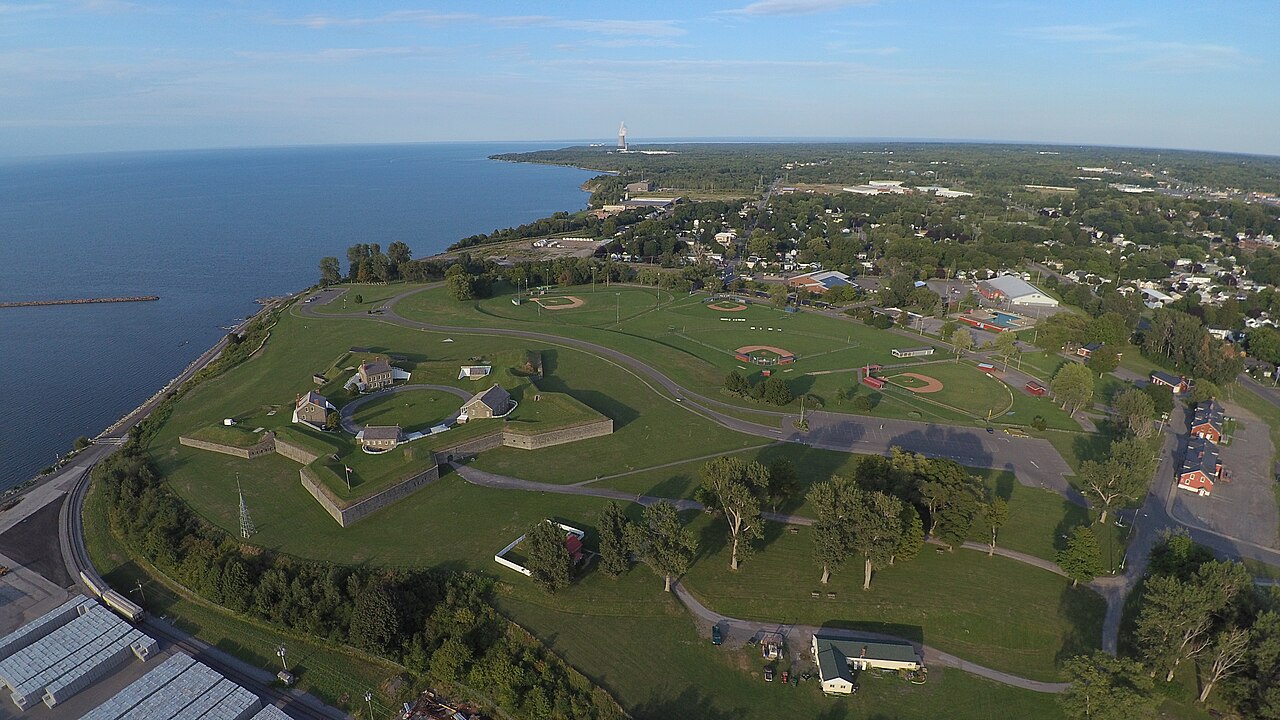
Warner Castle

Warner Castle in Rochester, New York
Post-Renaissance (17th–18th c.)
Well Preserved

Warner Castle is a striking example of mid-19th century Gothic Revival architecture nestled within Highland Park in Rochester, New York. Often overlooked, this historic estate carries a rich legacy as a private residence reflecting the tastes and ambitions of its original owner, Horatio Gates Warner, a prominent bank president, court judge, and newspaper publisher.

Constructed in 1854, Warner Castle was designed to emulate the grandeur of the Clan Douglas castle in Scotland, which Warner admired during his travels. To achieve this vision, he commissioned architect Merwin Austin to create a residence that combined the romanticism of medieval Scottish castles with the comforts of a 19th-century American estate. Set amid a sprawling 50-acre farm, the castle's design prominently features hallmark Gothic Revival elements such as turrets, battlements, and pointed arch windows that evoke the atmosphere of a fortified stronghold.

Architectural features and style

The castle exemplifies the Gothic Revival architectural style, popular in the United States during the mid-1800s, characterized by its romantic medieval motifs and vertical emphasis. Warner Castle’s stone masonry walls, steeply pitched roofs, and decorative finials contribute to its imposing silhouette. The estate includes a variety of architectural features such as towers with crenellated parapets, ornate chimneys, and intricately carved wooden interiors that reflect the craftsmanship of the period.

The interior spaces were designed to balance grandeur with domestic comfort, featuring large great halls, fireplaces with detailed mantels, and expansive windows that flood the rooms with natural light. The castle’s layout was planned to accommodate both private family life and social gatherings, underscoring Warner’s status in Rochester society.

Historical significance and ownership

Horatio Gates Warner resided in the castle until his death in 1876. The property remained under the ownership of the Warner family until 1902, after which it passed through several private owners. Notably, the Dennis family acquired the estate in the early 20th century and contributed significantly to its landscape architecture.

The sunken garden addition

In 1912, the Dennis family commissioned renowned landscape artist Alling DeForest to design the estate’s iconic sunken garden. This garden is a key feature of the property, blending formal horticultural design with the natural terrain to create a serene outdoor space that complements the castle’s Gothic aesthetic. The garden includes terraced stone walls, carefully arranged plantings, and water features that enhance the estate’s historic charm.

Warner Castle today

Today, Warner Castle stands as a well-preserved symbol of Rochester’s architectural heritage and the ambitions of its 19th-century elite. Although it is located within a public park, the castle itself remains a private residence and is not generally open to the public. Nevertheless, its exterior can be admired by visitors exploring Highland Park, which is known for its diverse landscape and cultural landmarks.

The castle’s preservation efforts have maintained its distinctive Gothic Revival character, making it a valuable example of historic American residential architecture inspired by European medieval forms. Warner Castle’s story reflects broader themes of cultural exchange, architectural revivalism, and the social history of Rochester during a period of significant growth and prosperity.

Architectural and cultural legacy

The design of Warner Castle illustrates the 19th-century American fascination with European history and the romantic idealization of medieval castles. This trend was part of the larger Gothic Revival movement, which sought to evoke the mystery and grandeur of the Middle Ages through architectural details and landscaping.

Warner Castle’s connection to the Scottish Clan Douglas castle not only influenced its aesthetic but also symbolized the cultural aspirations of its builder, who sought to establish a lasting legacy through architecture. The estate remains a testament to the era’s craftsmanship, artistic sensibilities, and the social prominence of its owners.

Preservation and heritage status

While Warner Castle is not officially designated as a historic landmark, its architectural significance and well-maintained condition contribute to its recognition as an important cultural asset within Rochester. The estate’s integration into Highland Park ensures that it remains part of the community’s heritage landscape and accessible for appreciation from public grounds.

Frequently asked questions (FAQ)

How do I get to Warner Castle?
Warner Castle is located in Rochester, United States Minor Outlying Islands. You can reach the castle by car, and there is ample parking available nearby. Public transportation options may also be available, so check local transit schedules for the best routes.
What is the historical significance of Warner Castle?
Warner Castle was built in the late 19th century and is known for its unique architectural style that combines elements of medieval design with local materials. It serves as a testament to the romantic movement of the time and is a popular subject of study for architectural historians. The castle also reflects the cultural heritage of the region, making it an important landmark.
When was Warner Castle constructed?
Construction of Warner Castle began in 1892 and was completed in 1894. The castle was designed by architect George M. McCarty for the prominent Rochester businessman, H. H. Warner. Since its completion, it has stood as an iconic example of the era's architectural trends.
Can I take a guided tour of Warner Castle?
Yes, guided tours of Warner Castle are available for visitors. These tours provide in-depth information about the castle's history, architecture, and the surrounding gardens. It is advisable to check the schedule in advance and make reservations where necessary.
Why is Warner Castle a popular tourist attraction?
Warner Castle attracts visitors due to its stunning architecture and rich history, making it a fascinating destination for both locals and tourists. The beautifully landscaped gardens surrounding the castle also offer a serene experience. Additionally, the castle hosts various events throughout the year, enhancing its appeal.
Is it possible to host events at Warner Castle?
Yes, Warner Castle is available for private events, including weddings and corporate gatherings. The picturesque setting and historic ambiance make it a desirable location for special occasions. Interested parties should contact the management for details on availability and booking procedures.
What are the opening hours of Warner Castle?
Warner Castle is typically open to visitors from 10 AM to 5 PM, Tuesday through Sunday. However, hours may vary based on the season or special events, so it’s recommended to check the official website for the most current information before your visit.
What are the ticket prices for visiting Warner Castle?
Admission to Warner Castle is generally very affordable, with discounts available for students and seniors. Children under a certain age may enter for free. Check the castle’s website for the latest ticket prices and any special promotions that might be available during your visit.
When is the best time to visit Warner Castle?
The best time to visit Warner Castle is during the spring and fall when the gardens are in bloom and the weather is pleasant. Additionally, the castle often hosts seasonal events that showcase the beauty of the property. Summer can also be lovely, though it may be busier with tourists.
Are there any nearby attractions to Warner Castle?
Yes, there are several attractions near Warner Castle, including the beautiful Highland Park and the Rochester Museum & Science Center. Visitors can enjoy a full day of exploration by combining their visit to the castle with these nearby sites. Local dining options also make it easy to plan a day of fun and relaxation.

Information

Palace Castle

Sources & official resources

Verify the information above using these authoritative references.

Loading map...

Visitor reviews

No reviews yet. Been here? Write the first review and help other travelers!

Write the first review

Visited this castle? Share your experience

Your review helps other travelers and adds first-hand knowledge to our encyclopedia.

Write a review

(5/5)

0/2000 characters

Your review will be visible after admin approval

Nearby castles

0 km

Warner Castle

Rochester, United States of America

Warner Castle in Rochester, New York is a remarkable example of 19th-century American architecture inspired by medieval European castles, particularly those of Scotland. Built in 1854 by Horatio Gates Warner, a prominent Rochester businessman and civic leader, the castle reflects the mid-19th-century fascination with romanticized medieval styles. Constructed primarily from durable limestone, Warner Castle combines the imposing features of a traditional Scottish castle with the comforts and aesthetics of a private residence, making it a unique architectural landmark in the region. Architectural design and style The design of Warner Castle is rooted in the romantic revival of medieval castle architecture that swept through the United States during the 19th century. Its limestone masonry lends a sense of permanence and strength, while the castle’s towers and crenellated battlements evoke the defensive features typical of Scottish fortifications. The building’s silhouette is defined by a combination of castle keep elements and residential mansion characteristics, blending fortress-like motifs with elegant living spaces. Structure and materials The use of locally quarried limestone not only ensured the castle’s longevity but also gave it a distinctive appearance among Rochester’s historic homes. The towers rise prominently above the main structure, serving as both visual landmarks and architectural focal points. The crenellated parapets mimic the battlements historically used for defense, reinforcing the castle’s medieval character while serving no actual military function. Inside, the castle features spacious rooms designed for comfort, reflecting the dual purpose of the building as both a fortress-inspired structure and a family home. Historical context and ownership Horatio Gates Warner commissioned the castle as his private residence during a period when wealthy Americans often sought to express their status through grand homes inspired by European architecture. Over time, Warner Castle has undergone various changes in ownership and function, adapting to the evolving needs of the community. In the early 20th century, the castle was repurposed as a sanitarium, reflecting broader social trends in healthcare and the adaptive reuse of large historic residences. Later, it became the home of the Rochester Civic Garden Center, highlighting its role in civic and cultural life. Since 2019, Warner Castle has served as the headquarters of The Landmark Society of Western New York, an organization dedicated to historic preservation. This role underscores the castle’s ongoing importance as a cultural and architectural symbol in Rochester. Cultural and heritage significance Warner Castle exemplifies the 19th-century American enthusiasm for European architectural styles, particularly the romanticized vision of medieval castles. Its preservation and continued use demonstrate the value placed on historic buildings as living parts of the community. As the home of a preservation society, the castle plays an active role in promoting awareness and appreciation of architectural heritage in Western New York. Public access and tours Located at 5 Castle Park, Rochester, NY 14620, Warner Castle is accessible to the public through various events and guided tours organized by The Landmark Society of Western New York. Visitors can explore the castle’s unique architecture and learn about its history through in-person tours and virtual presentations. These programs offer insights into the castle’s design, construction, and its role in Rochester’s history. Architectural legacy Warner Castle stands as a significant example of the romantic revival of castle architecture in the United States, combining the visual language of medieval fortresses with 19th-century residential design. Its limestone construction, towers, and crenellated battlements continue to define its striking silhouette, making it a prominent architectural landmark in Rochester. The castle’s preservation and adaptive reuse ensure that it remains a vital part of the city’s cultural fabric.

Modern (19th–20th c.)
Details
12.4 km

The White Lady's Castle

Rochester, United States Minor Outlying Islands

The White Lady's Castle, located in Durand-Eastman Park near Rochester, New York, is a site of intriguing historical and cultural interest. Although the remains resemble a medieval fortress, the structure was originally part of an early 20th-century hotel dining hall that served visitors to the nearby Lake Ontario. Today, visitors encounter only the crumbling stone foundations and curved steps that evoke the image of a European castle ruin, lending the site a mysterious and romantic atmosphere that has inspired local folklore and ghost stories. Historical background and architectural context The remains that comprise The White Lady's Castle were once integral to a hotel complex built in the early 1900s, catering to the recreational needs of swimmers and tourists visiting the lakeside park. The structure served as a dining hall for hotel guests, designed with stylistic elements that mimicked the grandeur and solidity of medieval architecture, possibly to enhance the romantic appeal of the lakeside resort. The use of curved stone steps and a tall stone wall with a rampart-like top gave the building an imposing presence, which over time has weathered into evocative ruins. While the building was never a true castle, its architectural features reflect a romantic revival approach popular in early 20th-century American resort architecture, where medieval motifs were often adopted to create picturesque settings. The stone masonry and layout suggest a purposeful design to evoke the feeling of a fortress or castle, contributing to the site's enduring mystique. Local legends and cultural significance The most captivating aspect of The White Lady's Castle is the local legend that has grown around the ruins. According to folklore, the site was once the home of an overprotective mother and her daughter. The story tells of the daughter disappearing one night during a stroll, presumed to have run away with a suitor. The mother, driven to madness by grief and loss, is said to haunt the ruins to this day. Visitors and locals alike report sightings of a white apparition hovering above the ramparts, known as the White Lady. More dramatic accounts describe the ghost accompanied by spectral dogs that chase those who dare to linger or engage in romantic activities near the site. This haunting narrative has cemented the ruins as a place of supernatural intrigue and a popular destination for ghost hunters and curious visitors. Architectural features and current condition The surviving elements of The White Lady's Castle include curved stone steps that ascend to a high stone wall, which serves as a makeshift rampart. The wall's top edge, reminiscent of battlements, enhances the illusion of a defensive structure. The stonework is weathered and partially collapsed in places, reflecting decades of exposure to the elements and lack of restoration. The site is classified as ruins, with only foundational elements and partial walls remaining. There are no intact roofs or enclosed chambers, and the overall footprint suggests the original building was modest in scale compared to true castles. However, the evocative ruins provide a tangible link to the early 20th-century recreational history of Rochester and the cultural landscape of Durand-Eastman Park. Visiting The White Lady's Castle Today, The White Lady's Castle is accessible to the public within Durand-Eastman Park, a popular recreational area in Rochester. Visitors can explore the ruins and surrounding natural scenery, which includes forested areas and views of Lake Ontario. The site offers a unique blend of architectural curiosity and local folklore, making it a compelling destination for history enthusiasts, photographers, and those intrigued by ghost stories. While there are no formal facilities or guided tours specifically for the ruins, the park provides walking paths and picnic areas nearby. Visitors should exercise caution on the uneven stone steps and walls, as the ruins are not maintained as a formal historic site. The best time to visit is during daylight hours when the natural light highlights the textures of the stonework and the surrounding landscape. Legacy and preservation considerations The White Lady's Castle stands as a testament to the layered history of Rochester, blending early 20th-century leisure architecture with enduring local legends. Although the structure is not a medieval castle, its romantic design and evocative ruins contribute to the cultural heritage of the region. Preservation efforts have been limited, and the site remains a fragile reminder of a bygone era. Future conservation could focus on stabilizing the stonework to prevent further deterioration while maintaining the atmospheric qualities that inspire its ghostly reputation. As a cultural landmark, The White Lady's Castle continues to fascinate residents and visitors, embodying the intersection of history, architecture, and folklore in the American landscape.

Post-Renaissance (17th–18th c.)
Details
96.1 km
Fort Oswego — United States of America castle

Fort Oswego

Oswego, United States of America

Fort Oswego was a significant 18th-century bastioned fortress located on the southeastern shore of Lake Ontario in what is now the city of Oswego, New York. Originally established in 1727 under the direction of New York Governor William Burnet, the fort was constructed to secure British interests in the strategically vital Great Lakes region. It was built adjacent to an earlier 1722 French blockhouse, which had served as a trading post and way station for French traders. This positioning marked a deliberate British effort to establish a foothold in a contested frontier area dominated by French and Native American alliances. Early establishment and architectural features The initial fortifications at Fort Oswego consisted of a log palisade enclosing a trading post and military garrison. Over time, the site was expanded and fortified with bastioned earthworks characteristic of post-Renaissance military architecture. These bastions allowed defenders to cover all approaches with overlapping fields of fire, a critical design feature in the era of gunpowder warfare. The fort's layout included defensive walls, ramparts, and artillery placements overlooking the lake and surrounding land routes. Strategic importance in the great lakes region Fort Oswego played a pivotal role in controlling access to the interior of North America via the Great Lakes and the St. Lawrence River corridor. It served both as a military stronghold and a commercial hub for trade with Native American tribes, facilitating the exchange of furs and goods. The fort's location made it a flashpoint in the escalating conflict between British and French colonial empires vying for dominance in the region. The 1756 siege during the french and indian war During the French and Indian War (the North American theater of the Seven Years' War), Fort Oswego was the scene of a critical battle in 1756. A garrison composed primarily of British Army soldiers from the 50th and 51st Foot regiments defended the fort against a combined force of French troops and their Native American allies. The siege was intense and resulted in approximately 150 British casualties. Ultimately, the fort surrendered, and the French captured about 1,700 soldiers and civilians. Following the surrender, the French forces destroyed the fortifications to prevent the British from reestablishing their presence. Legacy and current status Today, the site of Fort Oswego is part of the city of Oswego, New York. Although the original fortifications were destroyed, the location remains a point of historical interest for its role in colonial military history and the struggle for control over the Great Lakes region. The fort was known to the French as Fort Chouaguen, reflecting its place in the broader contest between European powers in North America. Architectural and historical significance Fort Oswego exemplifies the bastioned fortress design typical of the post-Renaissance period, incorporating angled bastions for defensive artillery coverage. Its construction and subsequent destruction highlight the volatility of colonial frontier warfare and the shifting control of strategic sites during the mid-18th century. The fort's history provides insight into the military strategies employed by European powers in North America and their interactions with indigenous peoples.

Post-Renaissance (17th–18th c.)
Details